An Alright Aerotorshow
The last weekend of June was an absolute logjam on the European airshow calendar. Events in Belgium, France, the UK, Sweden, and Latvia were all competing for assets. Smack in the middle of this high-stakes weekend was Aerotorshow. Hosted at Valence-Chabeuil Airport, roughly two hours north of Marseille, this medium-sized, helicopter-centric event found itself struggling to deliver a line-up to the quality of previous shows.
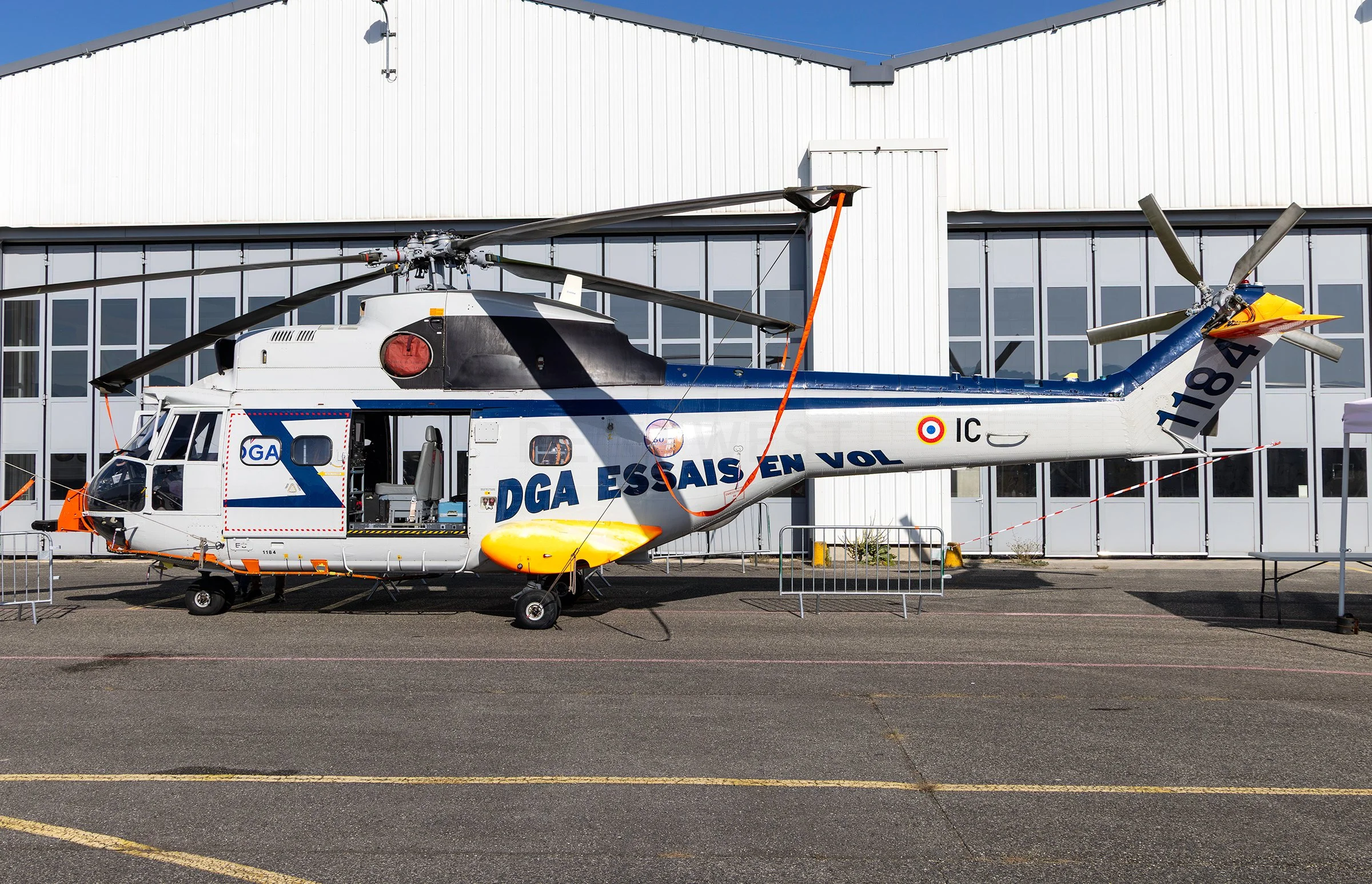
The one-day event is orchestrated by the French Army Light Aviation (ALAT), specifically the resident GAMSTAT unit tasked with the technical and tactical evaluation of military hardware. Because admission is entirely free, the event serves as a brilliant gateway for local families and hardcore enthusiasts alike to catch a rare, glimpse of French frontline machinery alongside rotary assets from neighbouring European nations.
So, how did the day actually stack up? To borrow the infamous, deeply cynical line from the TV drama Chernobyl - it was "not great, not terrible."
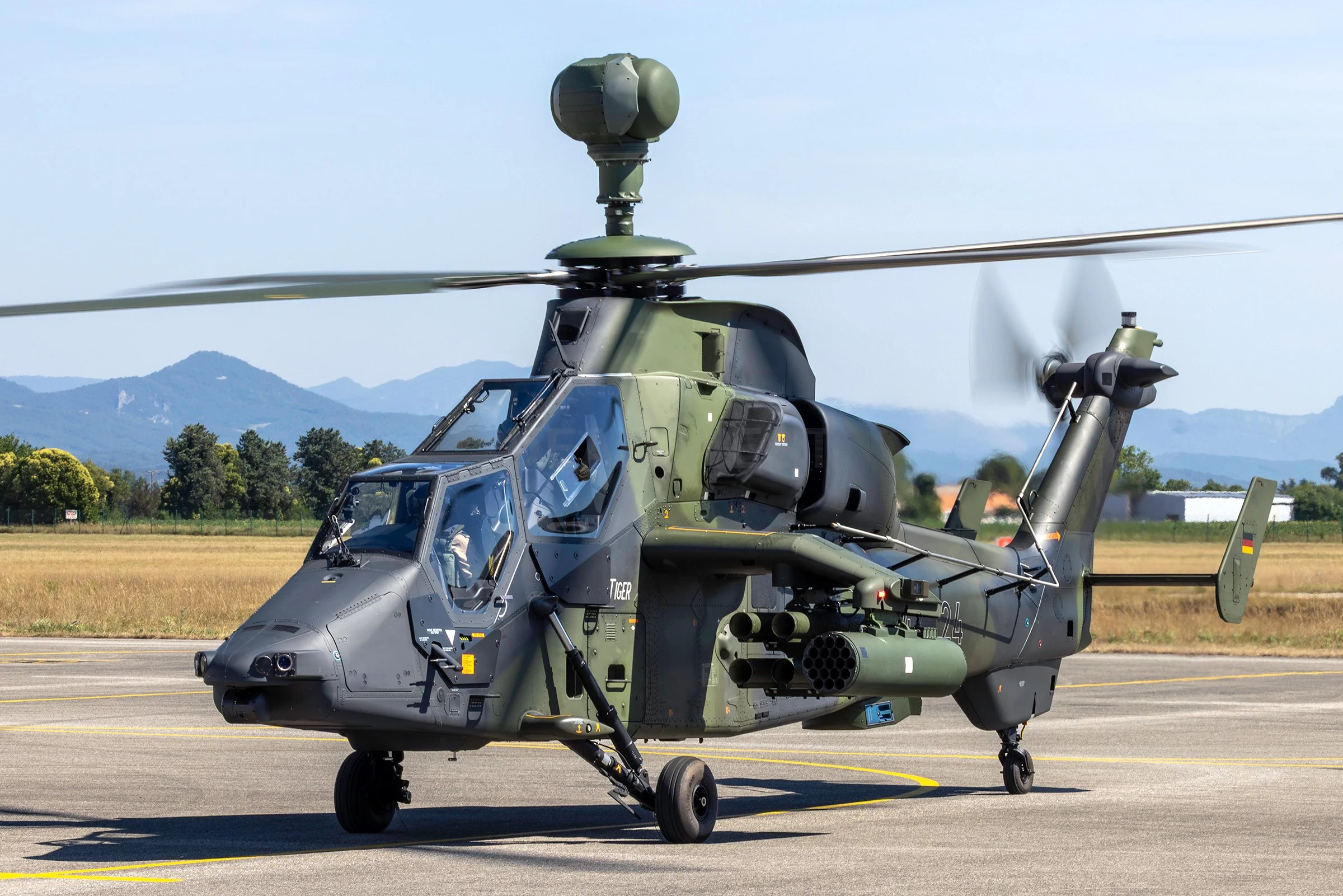
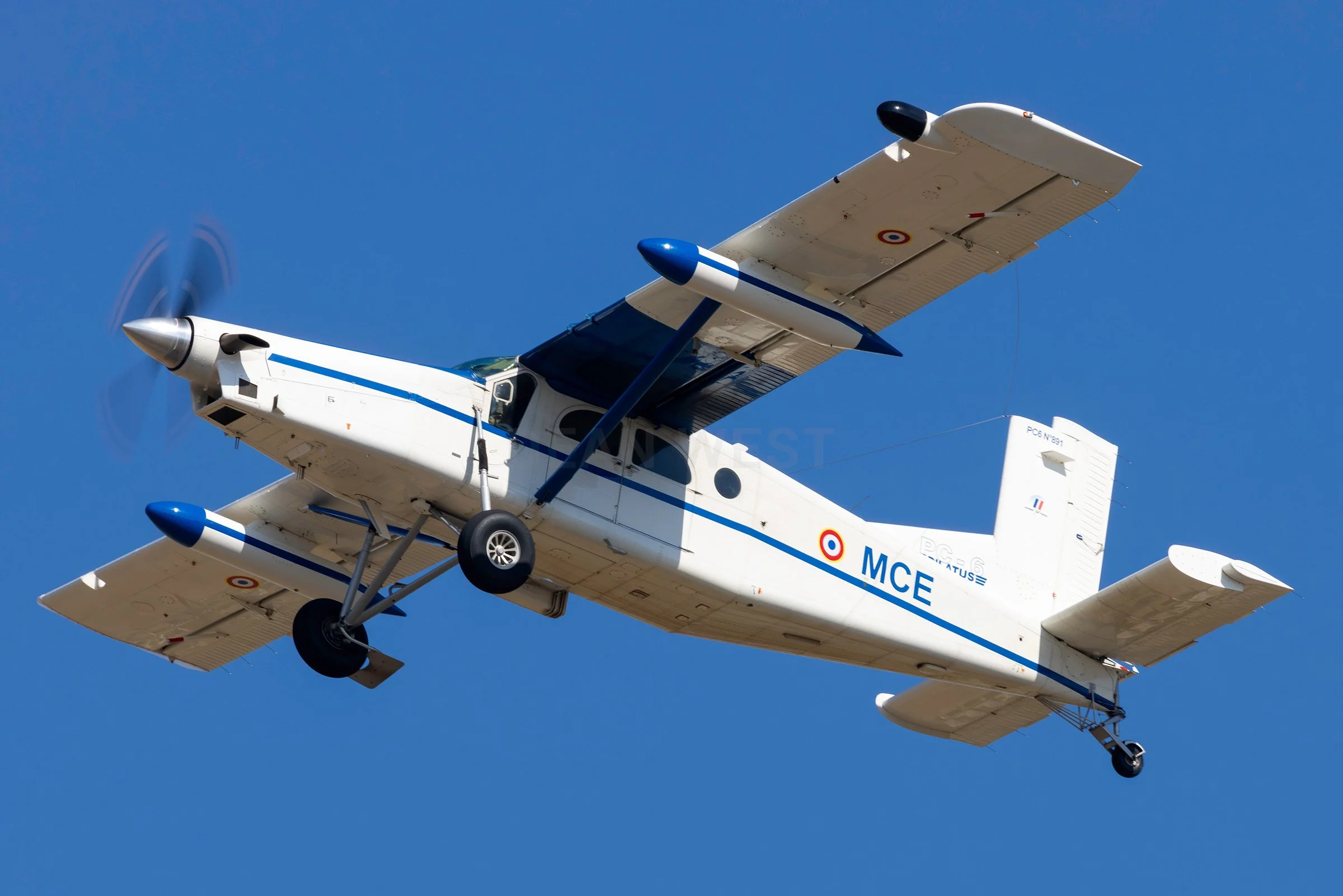
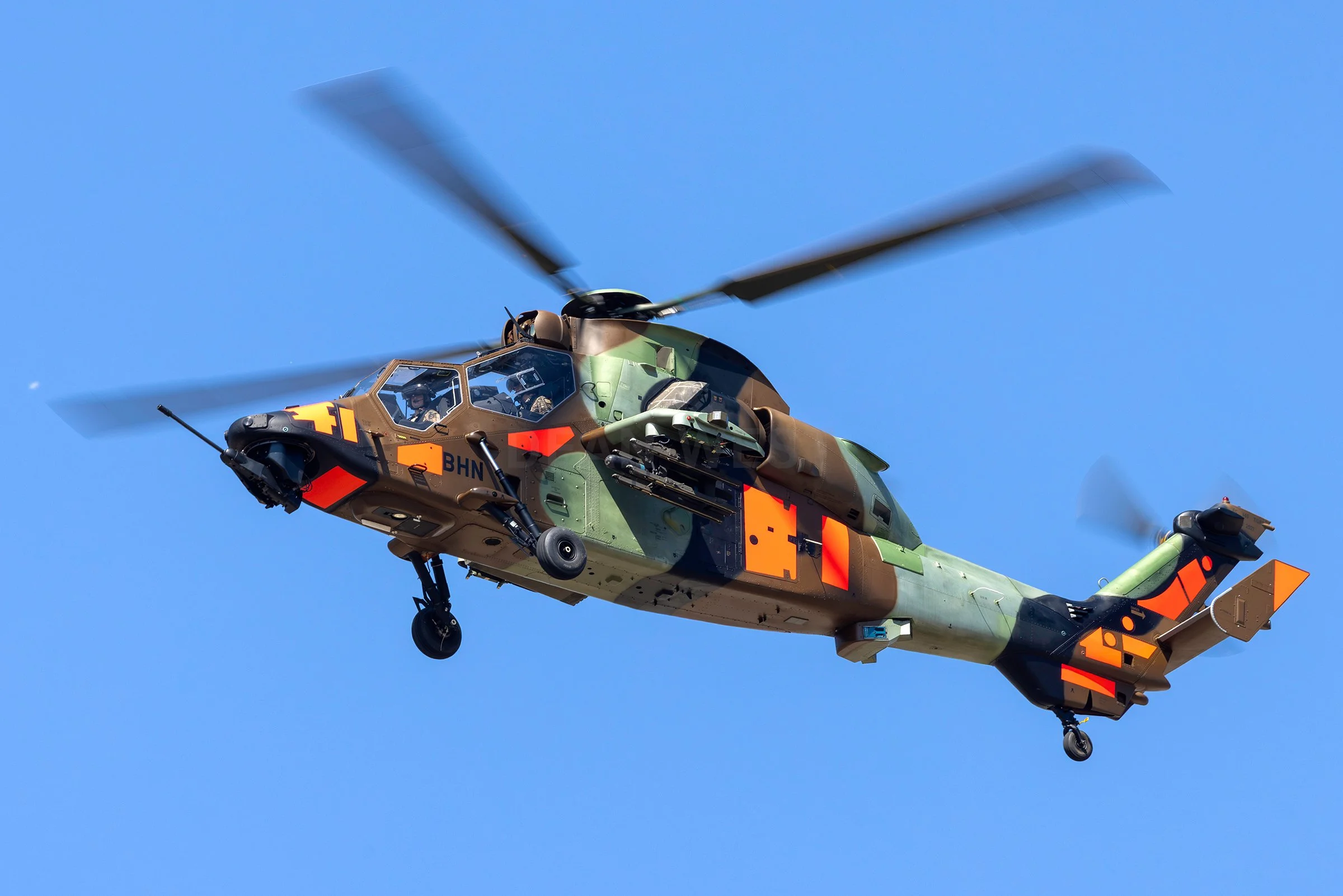
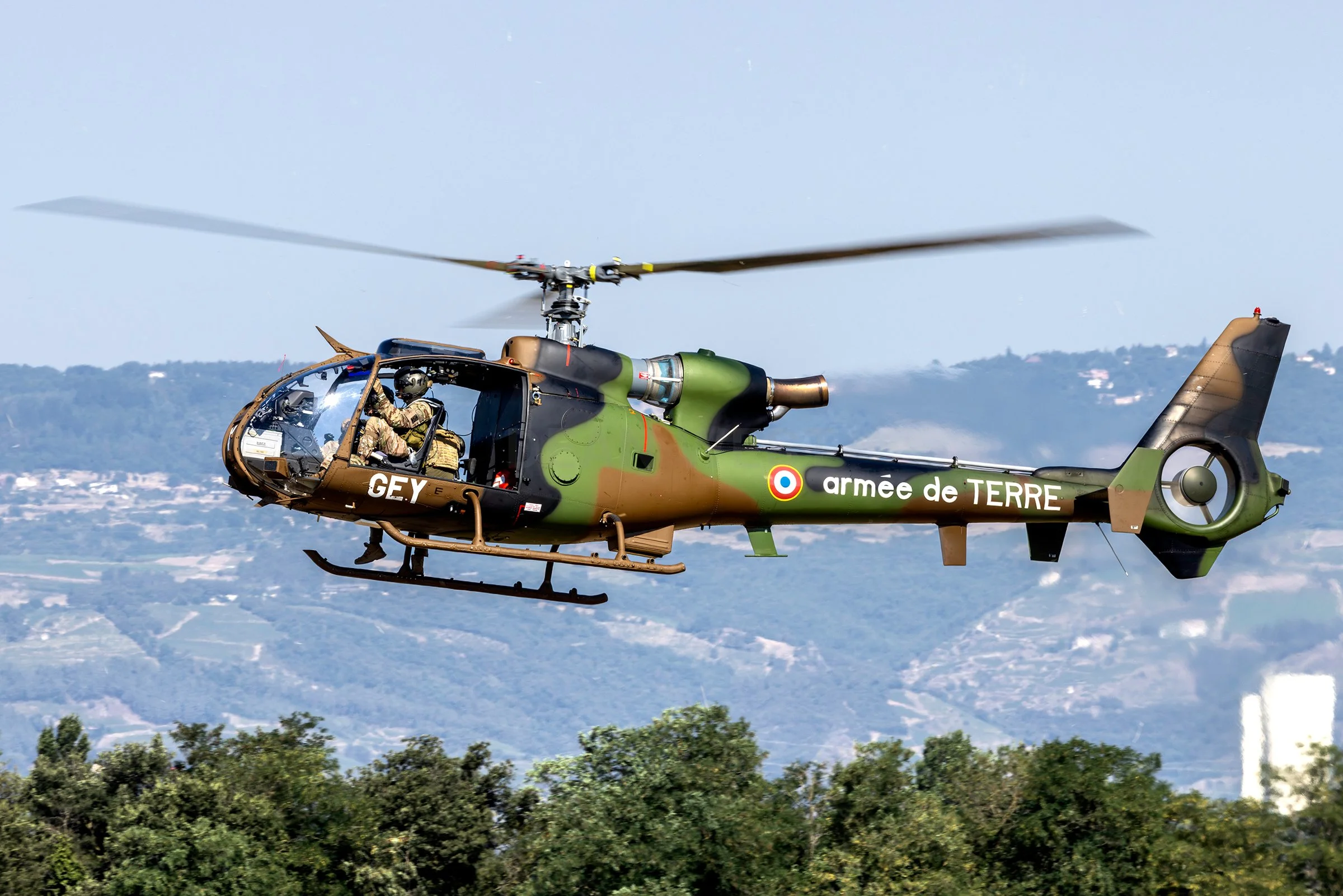
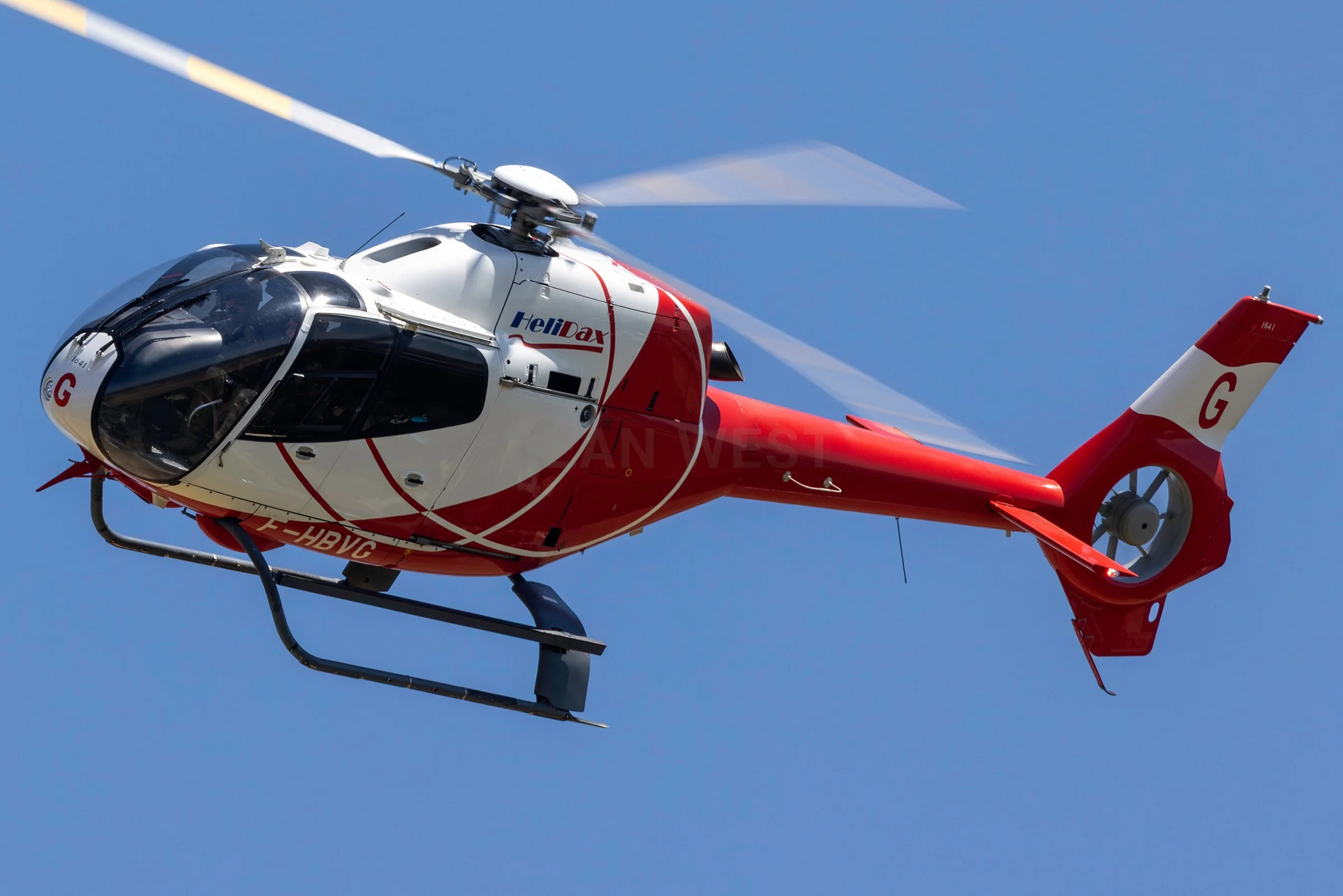
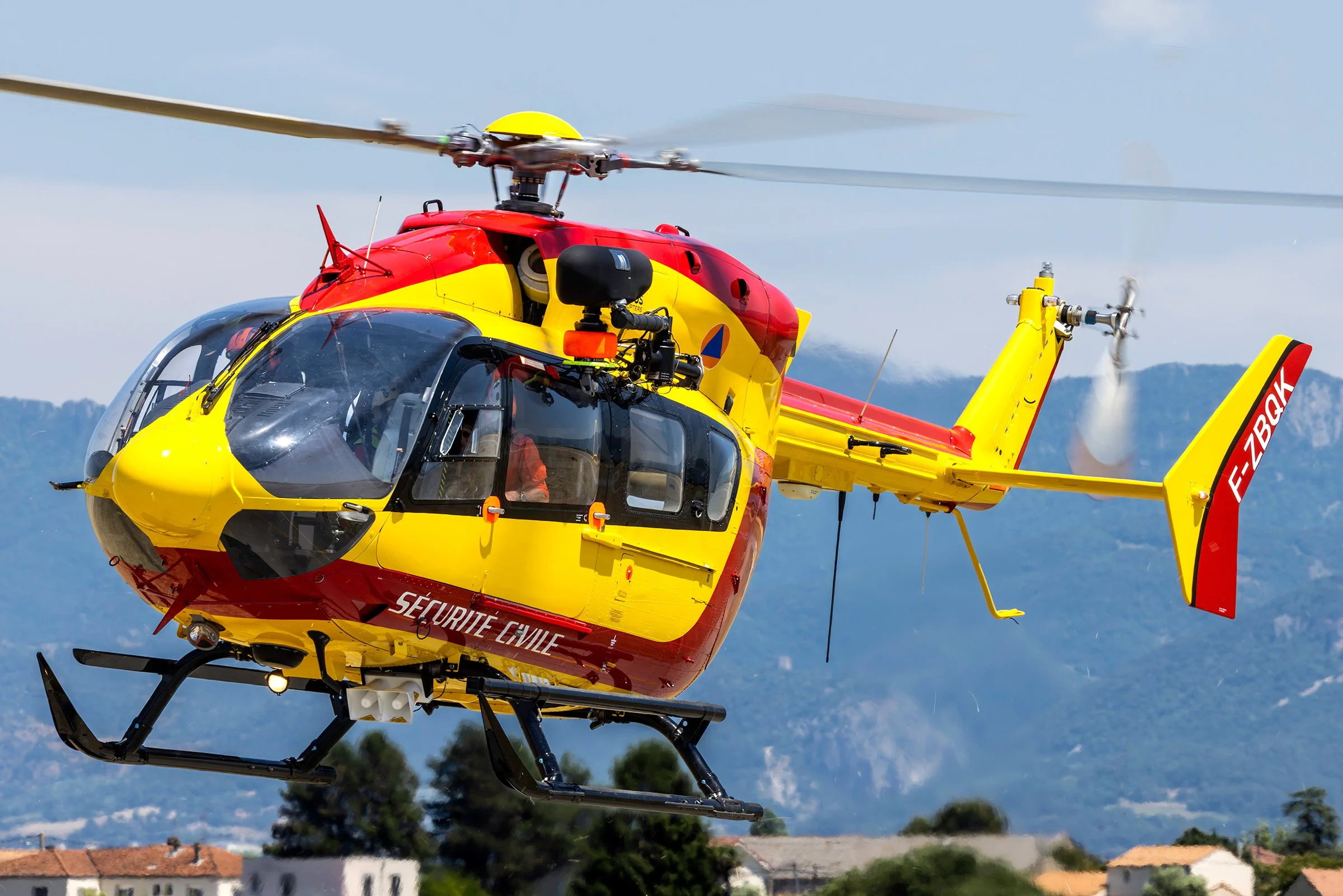
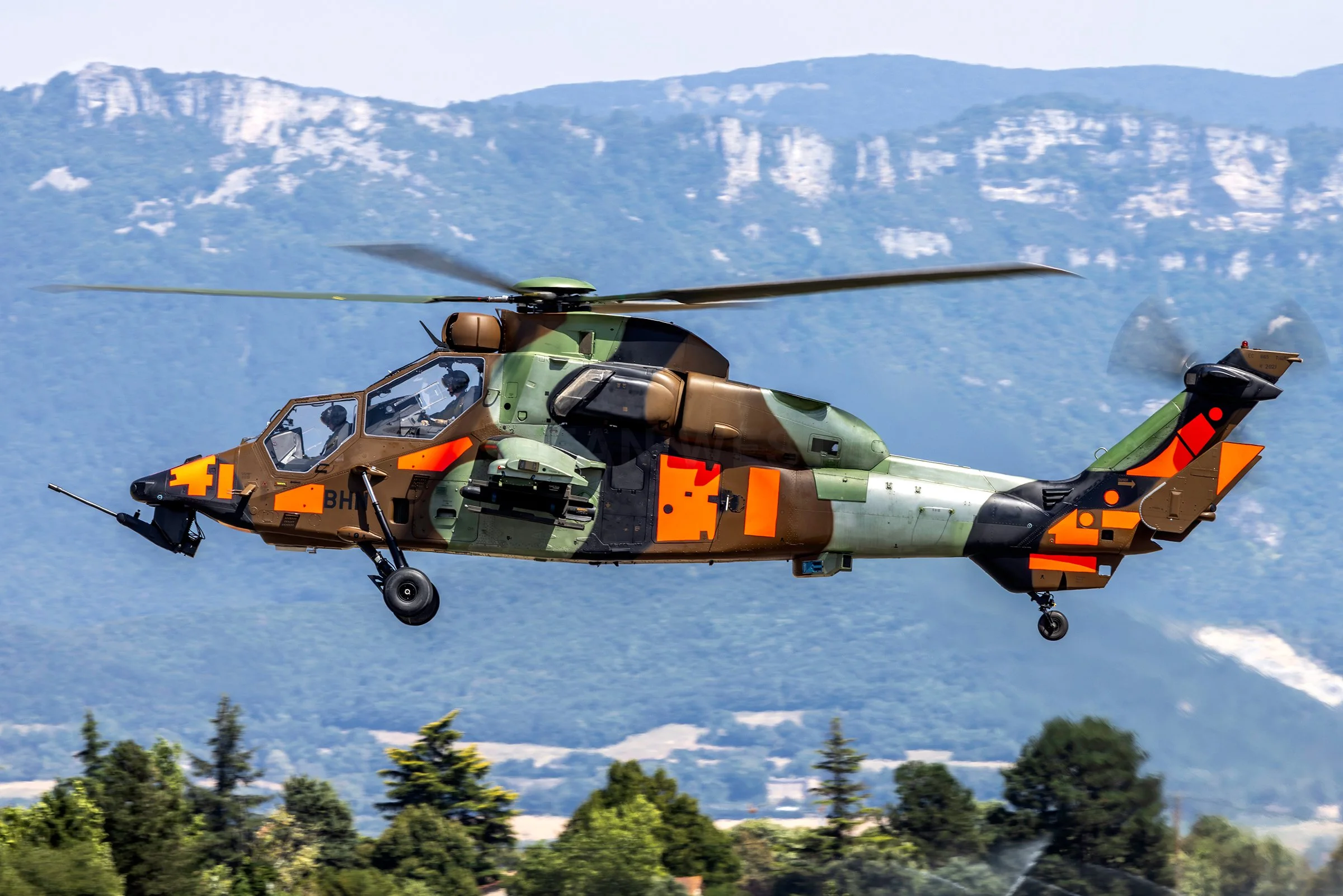
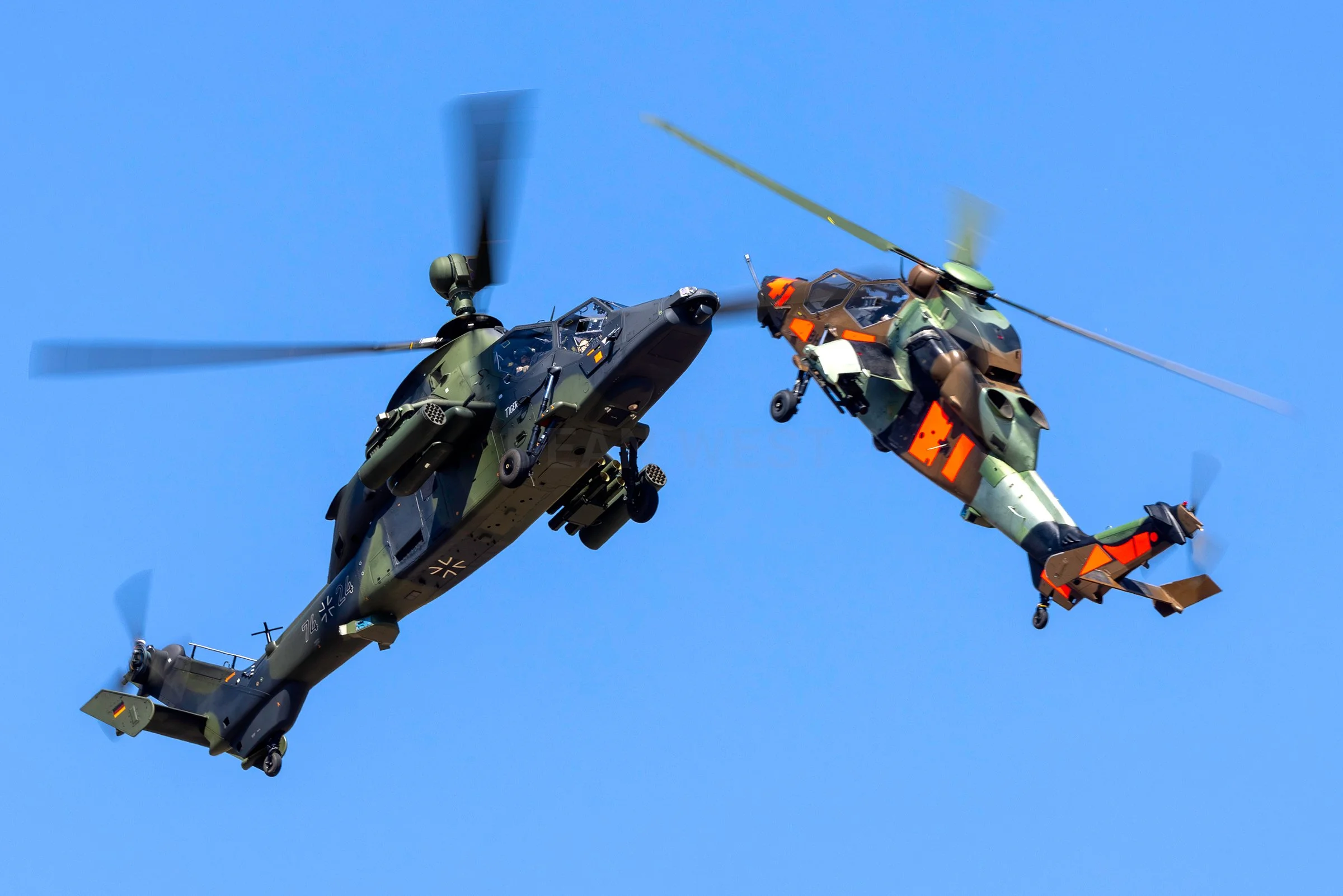
For the enthusiasts on the crowdline, the homegrown ALAT assets were the undeniable centrepiece. A tactical set piece featuring the Gazelle, Caïman, Tigre, and PC-6 offered a rare opportunity to see these operational assets working in their element. Adding some cross-border flavour to the rotary action was Patrouille Tigre, pairing an ALAT EC665 with a German Army Tiger. It is a rare treat to witness a multi-national military display, a slick routine born from their shared trainings at the joint Franco-German Tiger School at Le Cannet-des-Maures. For the international spotters, a flying display by an EC120 Colibri from the School of Army Aviation at Dax provided some genuine rarity. While the civilian-schemed trainer is admittedly sedate to look at, its appearances outside of French borders are virtually non-existent, making it a notable catch.
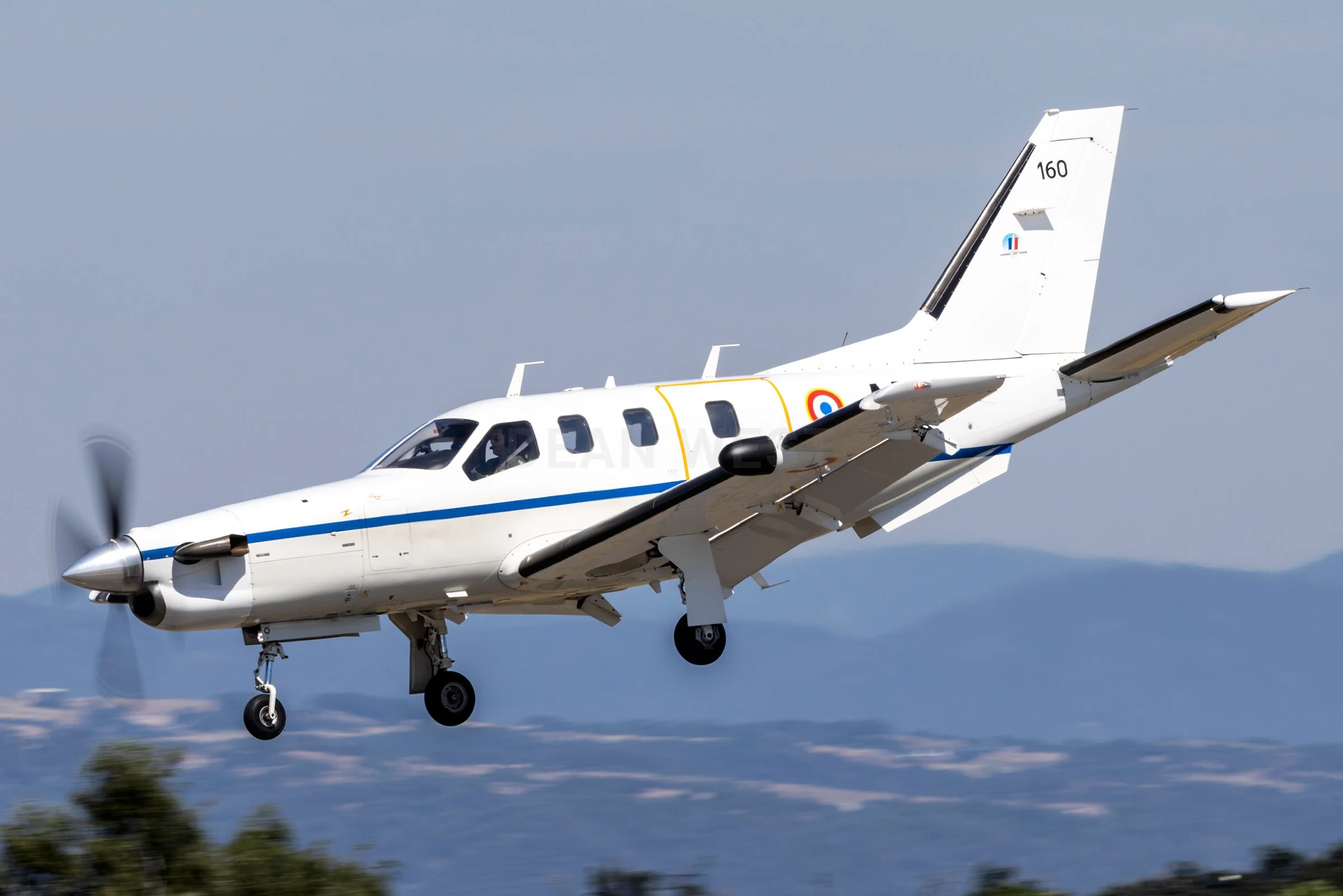
Fixed-wing items at Valence-Chabeuil occupied completely polar opposites of the performance spectrum. The TBM 700, a type that is almost non-existent on the modern European show circuit, offered a civilised and polite routine. It was a pleasant appetizer, but the crowd was really waiting for the main course.
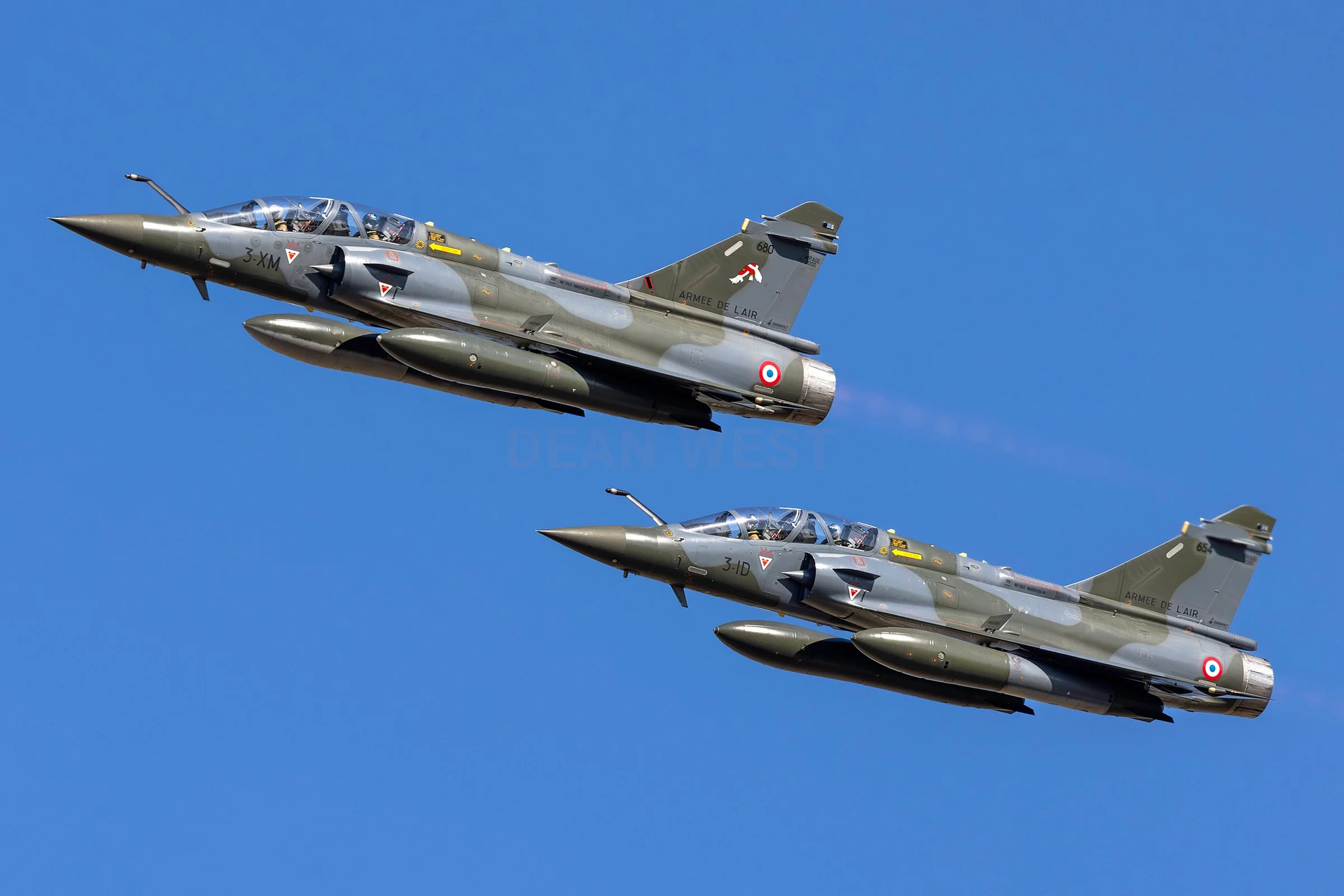
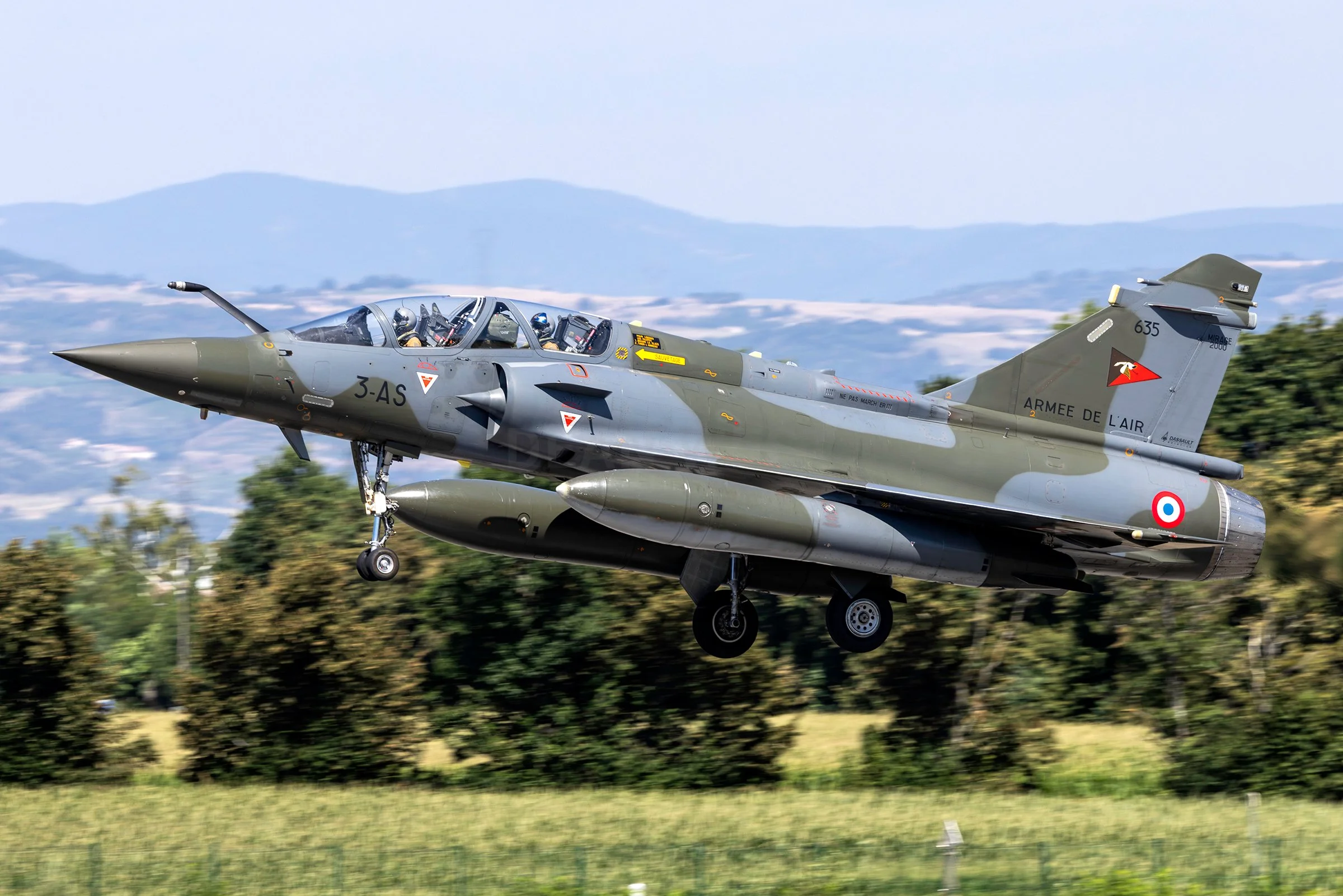
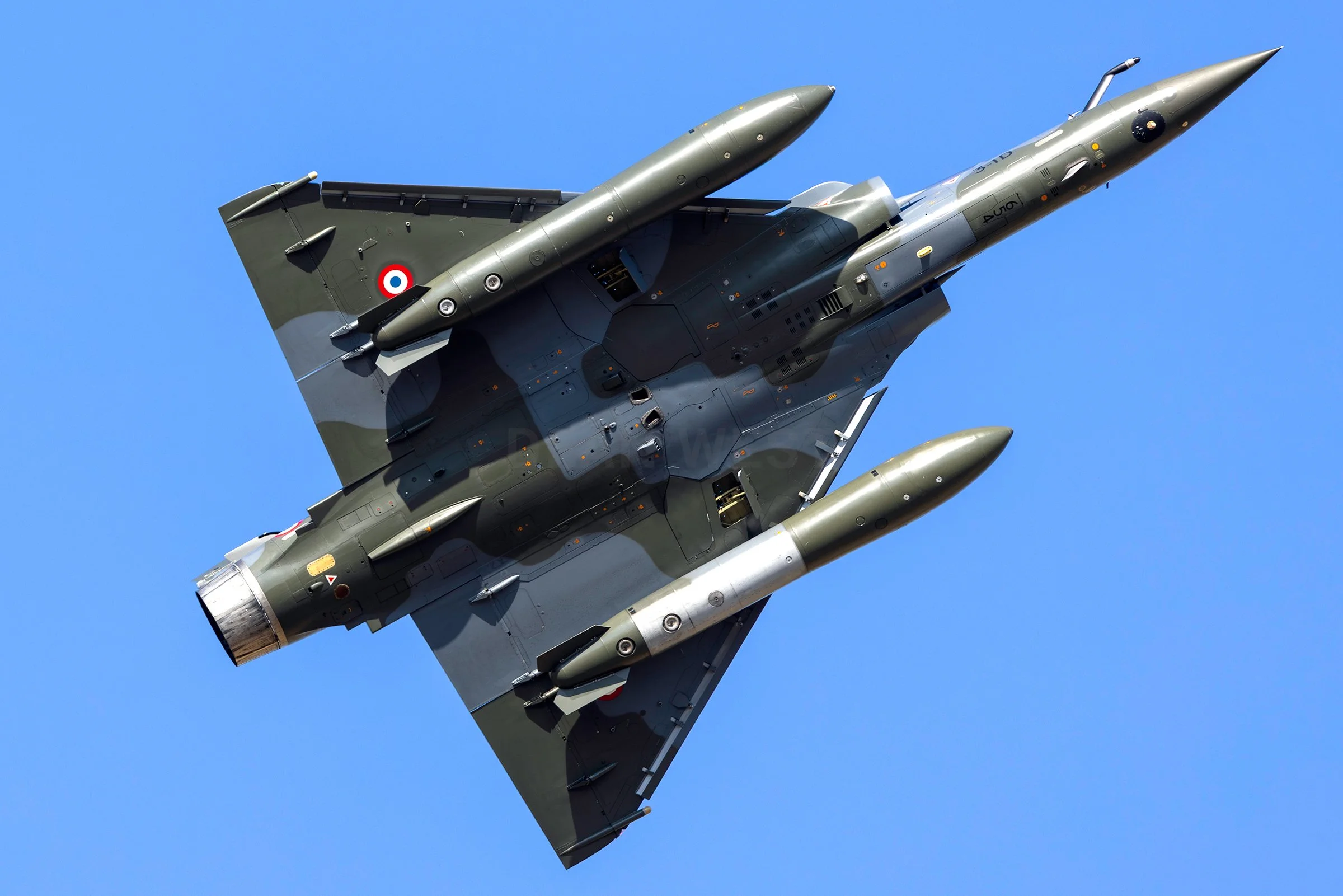
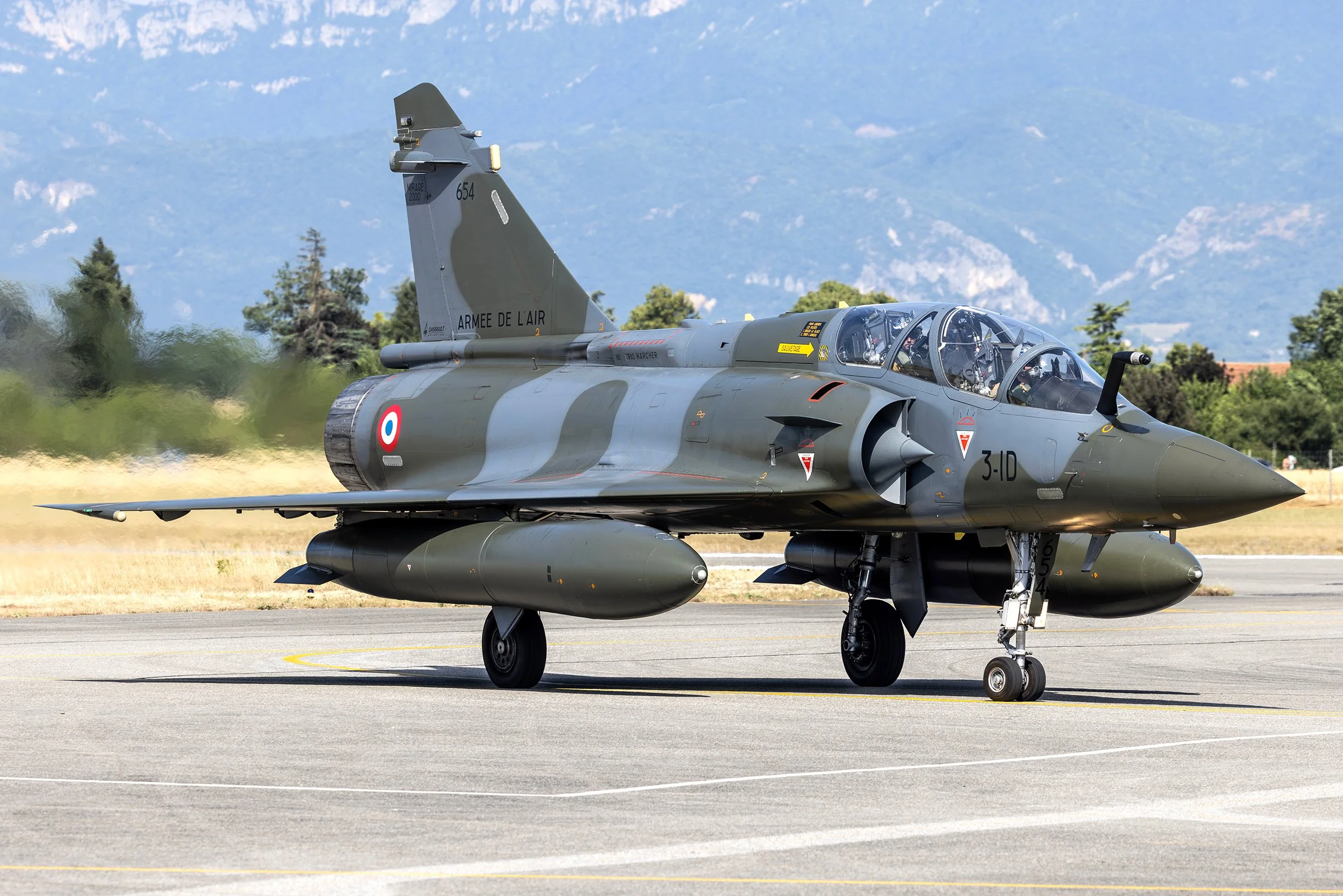
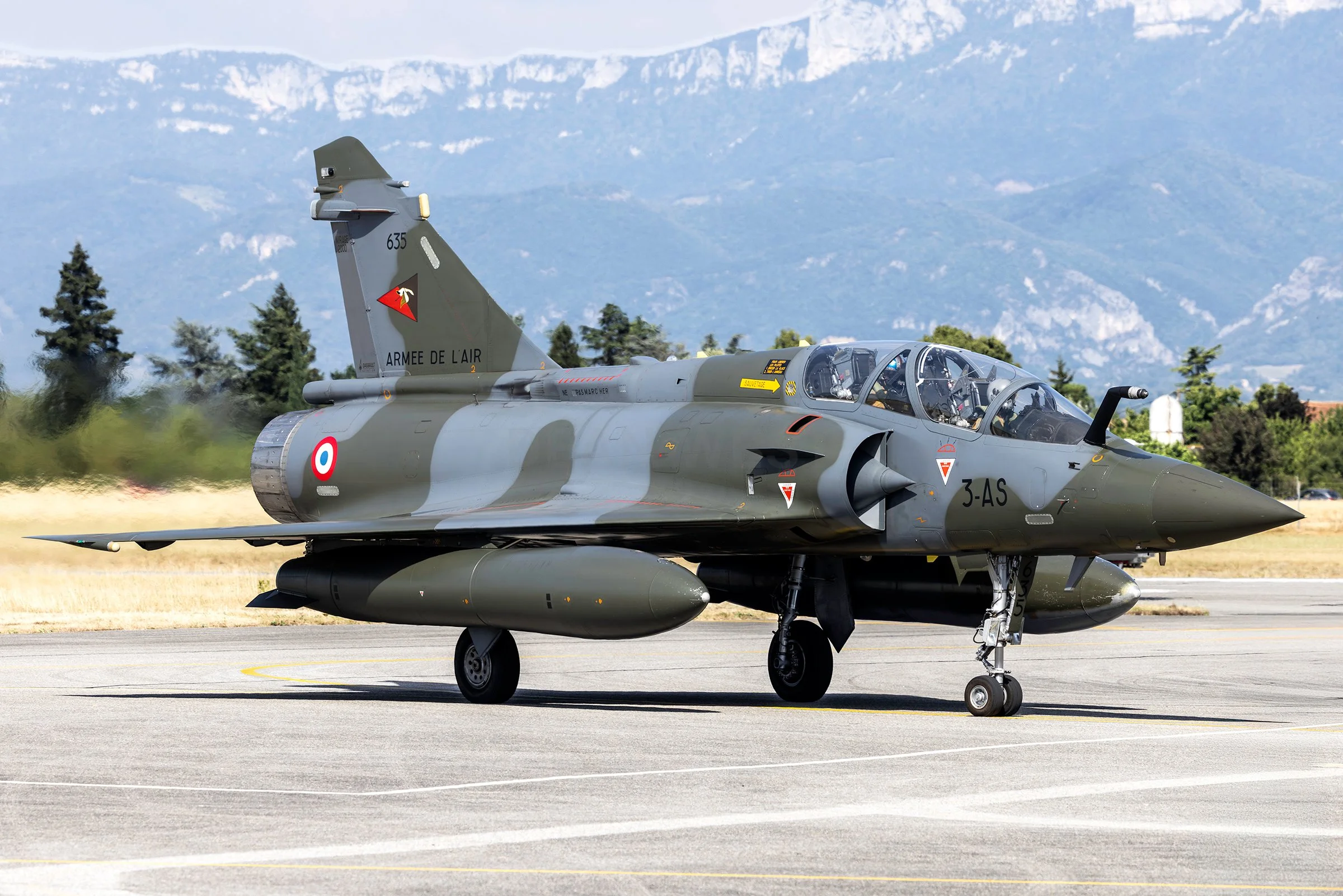
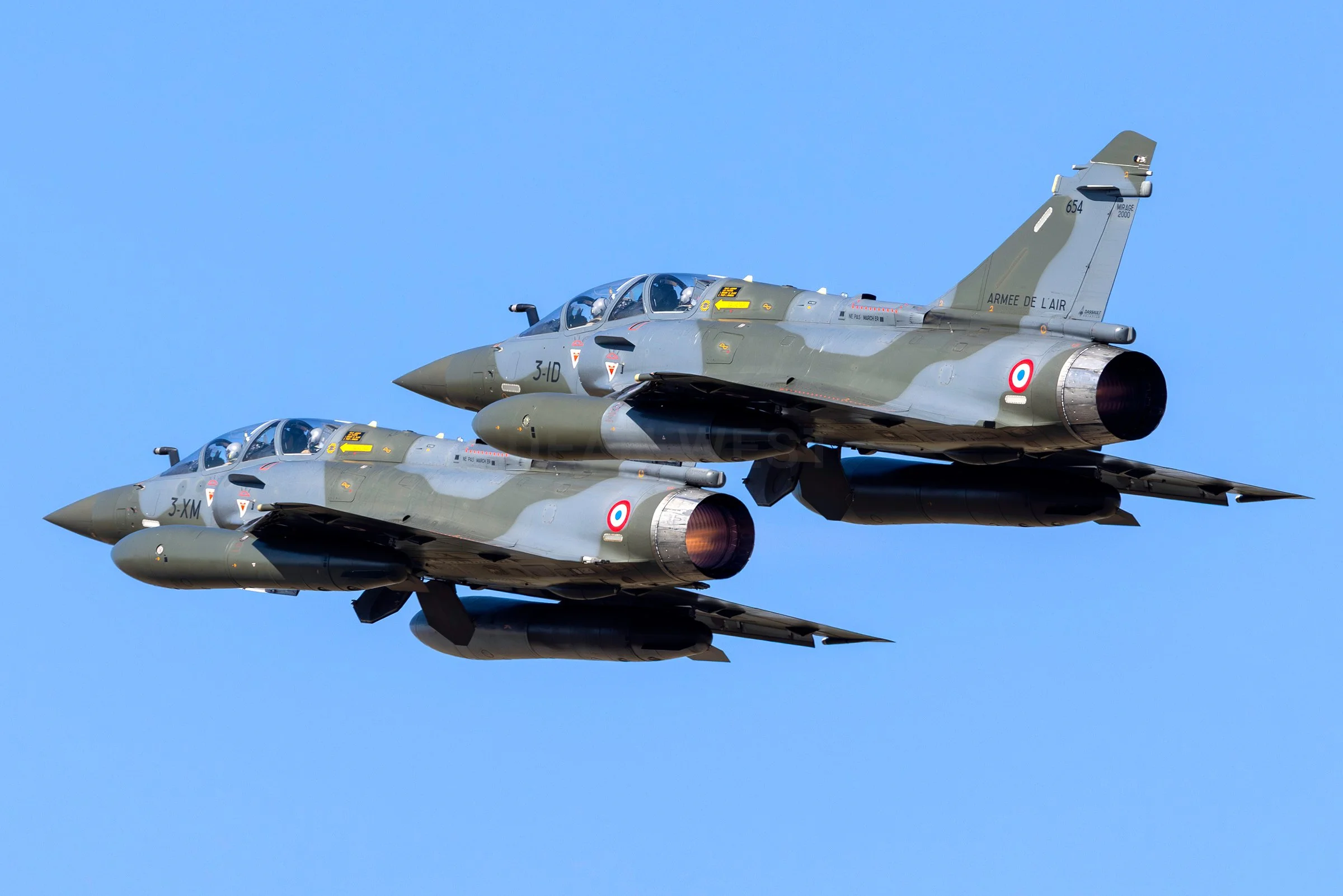
The Mirage 2000s of Couteau Delta were, without question, the undisputed heavyweights of the weekend. Despite temperatures well over 40 °C, crowds anchored themselves to the crowdline until the bitter end just to watch the pair rip through the clear blue sky.
Drama unfolded during Saturday's rehearsal. The Deux-Milles had pitched out of sight when the sudden, chilling wail of the airfield's crash siren shattered the afternoon peace with emergency vehicles scrambling to the runway’s edge. For a few moments, everyone held their breath until both jets safely returned to the overhead, one nursing a suspected undercarriage glitch. The spare jet was utilised on the Sunday, ensuring the public display went off without a hitch.
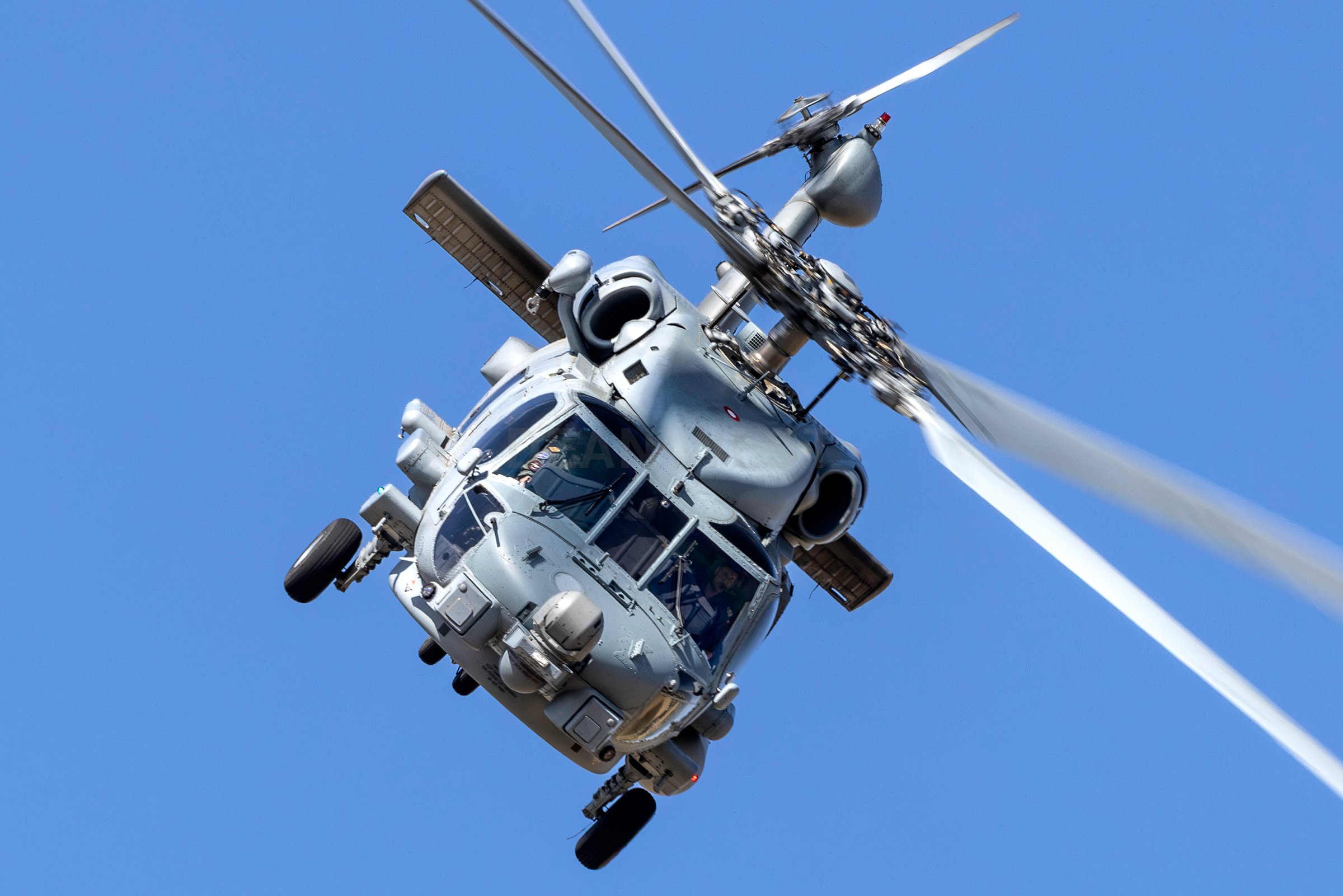
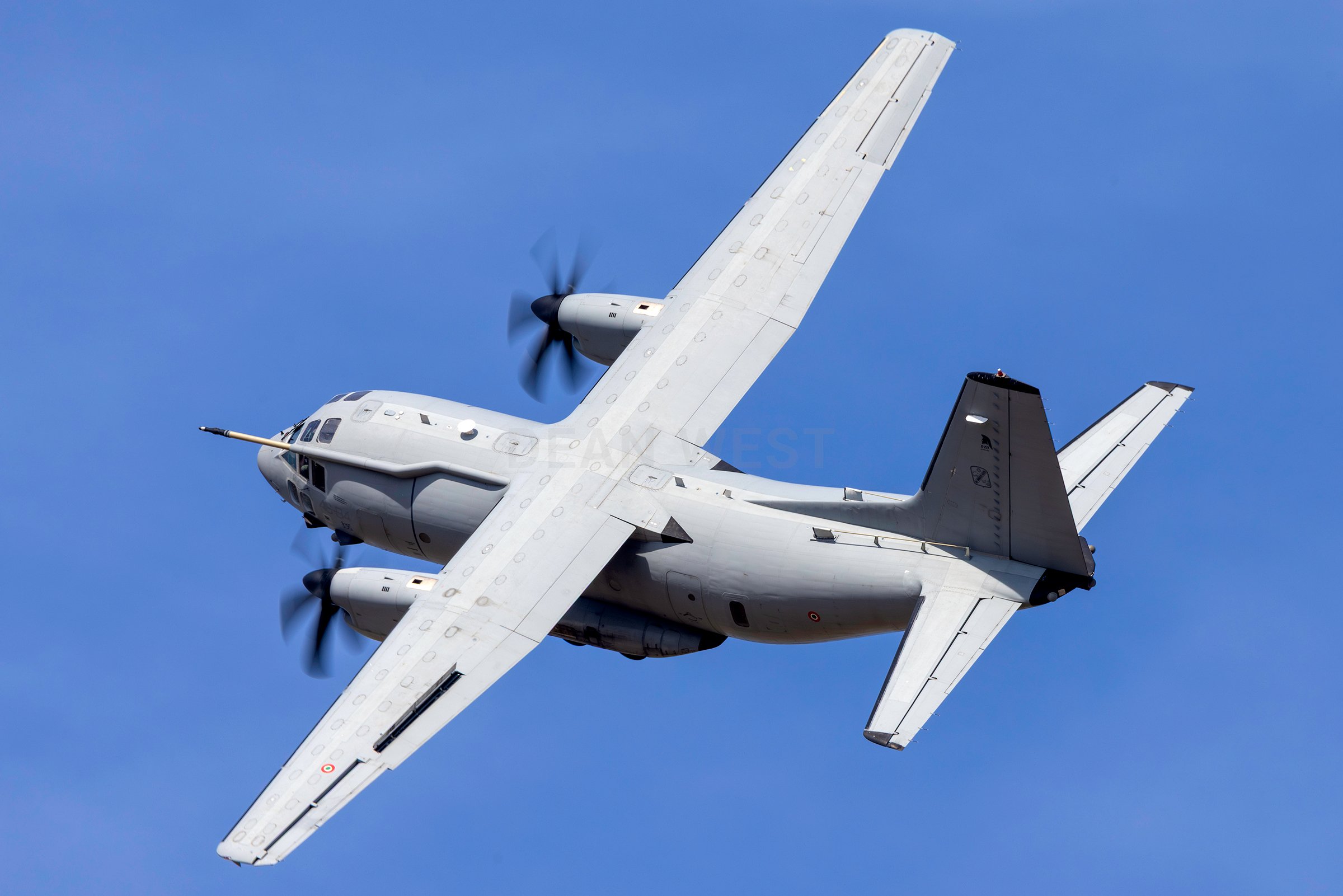
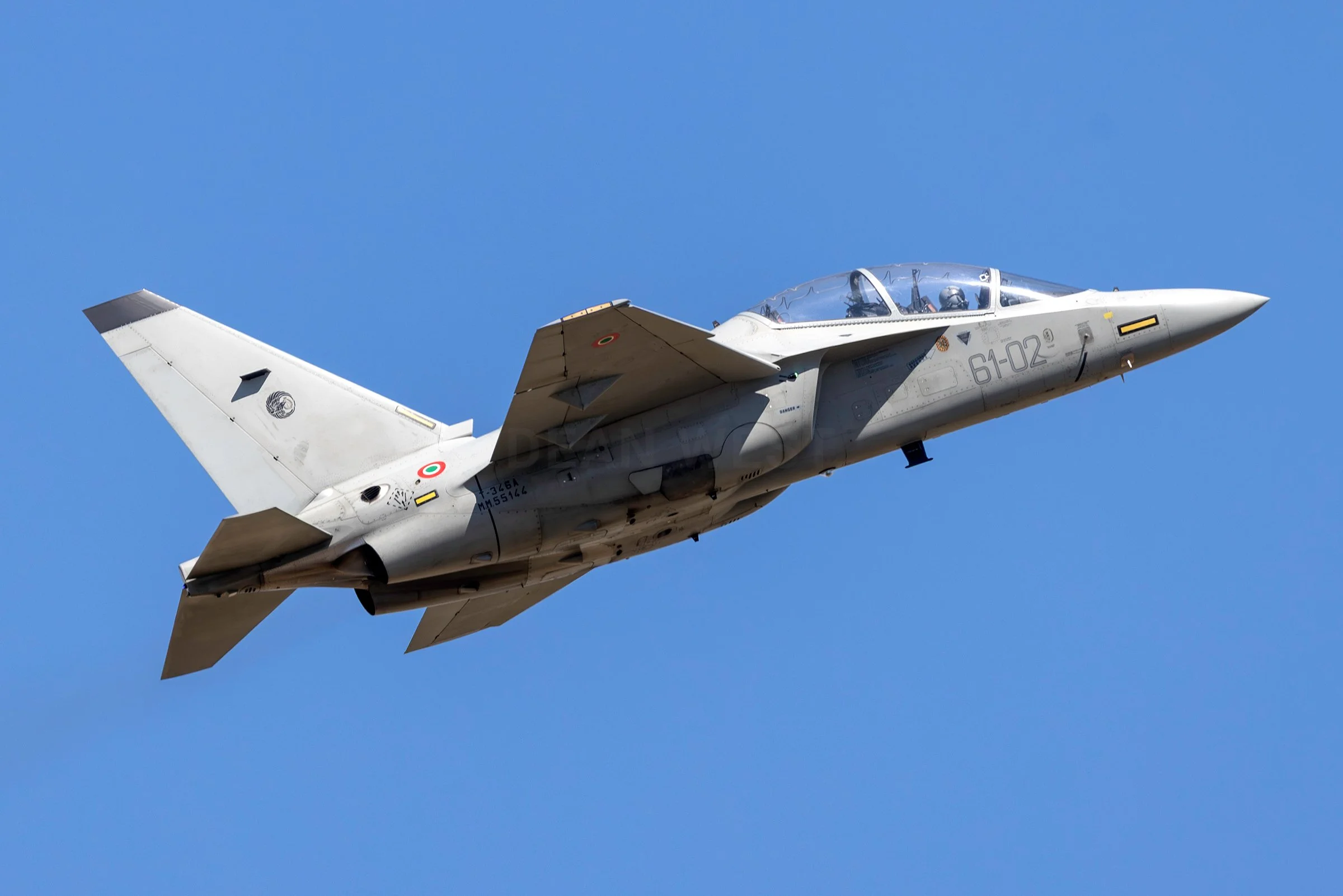
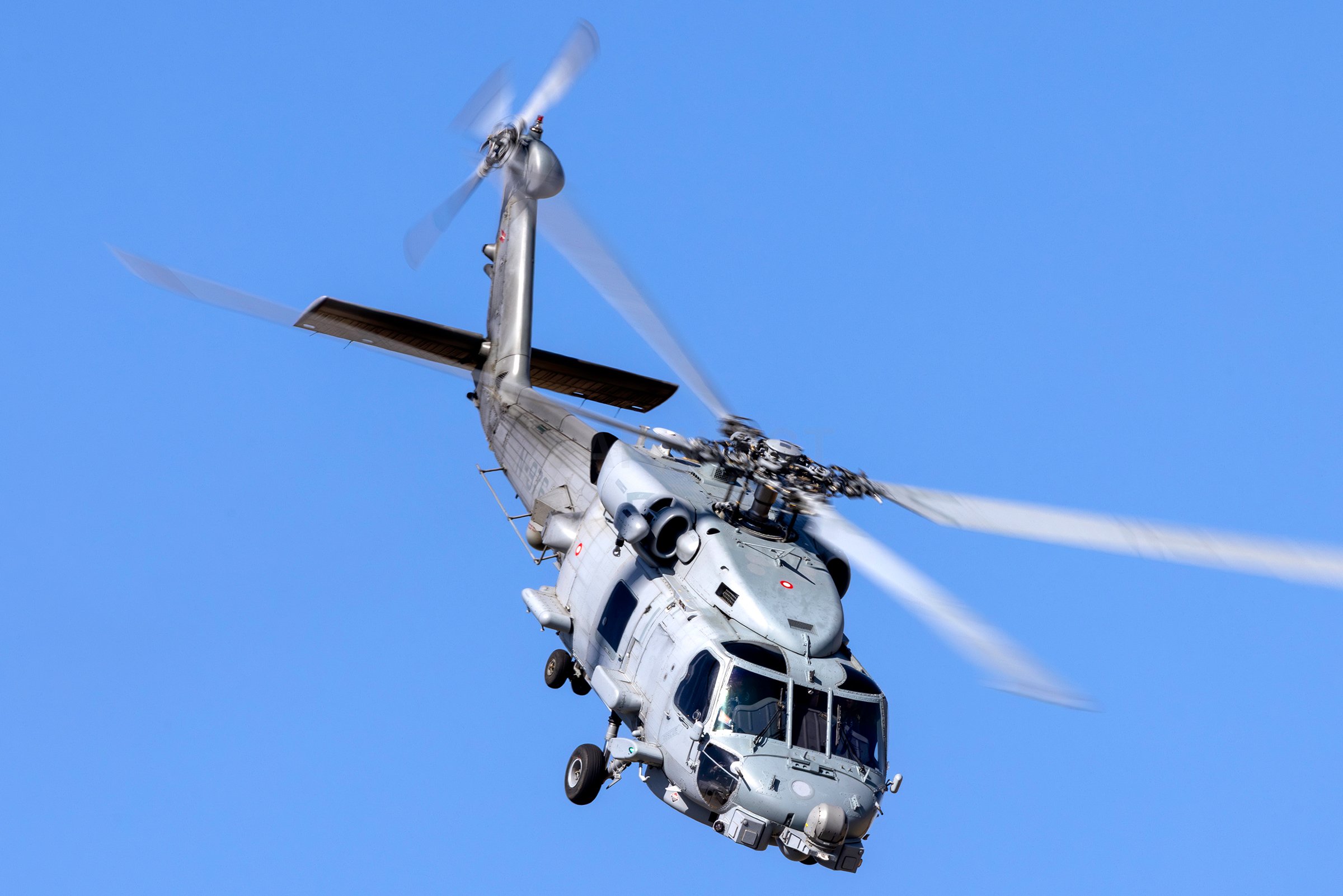
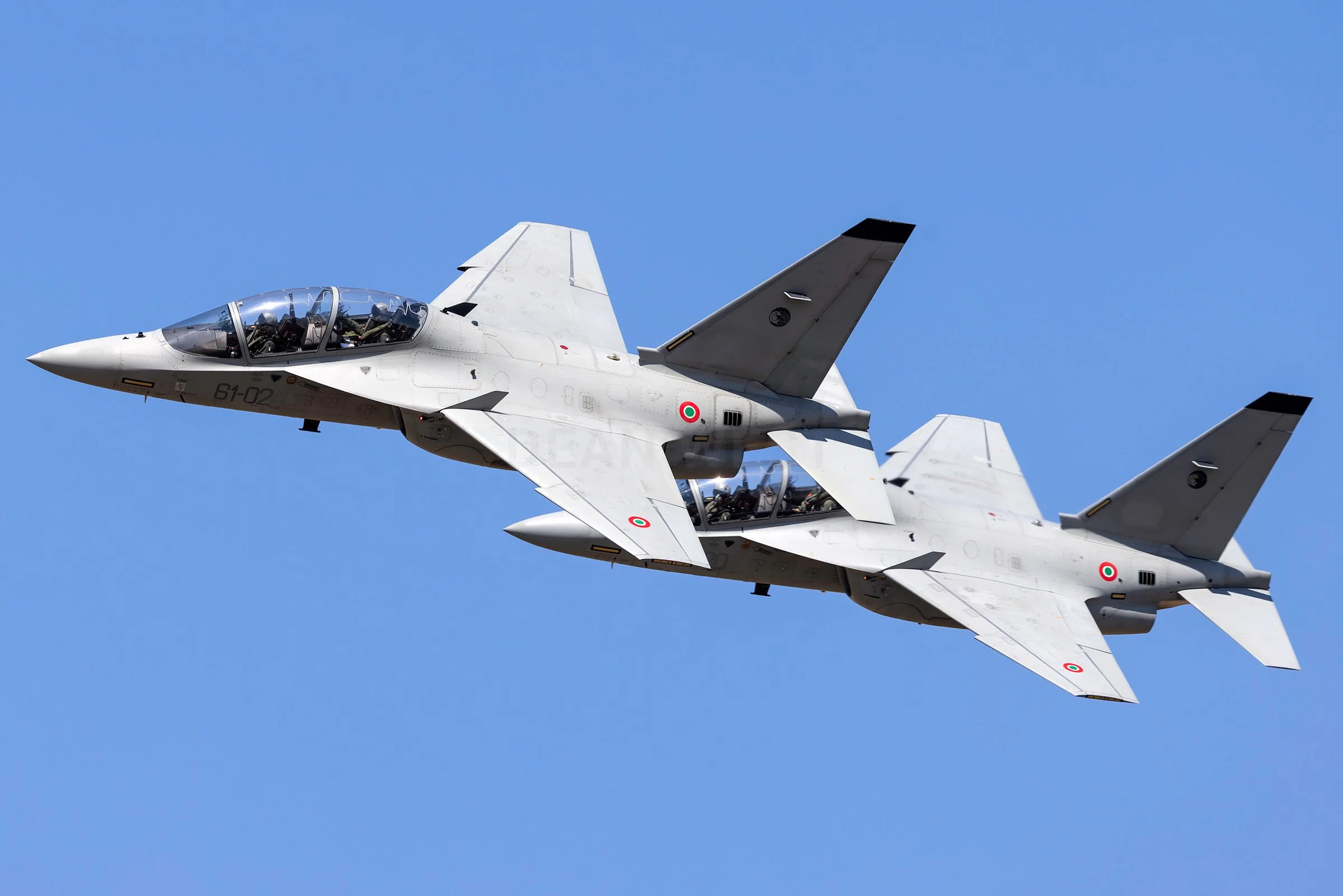
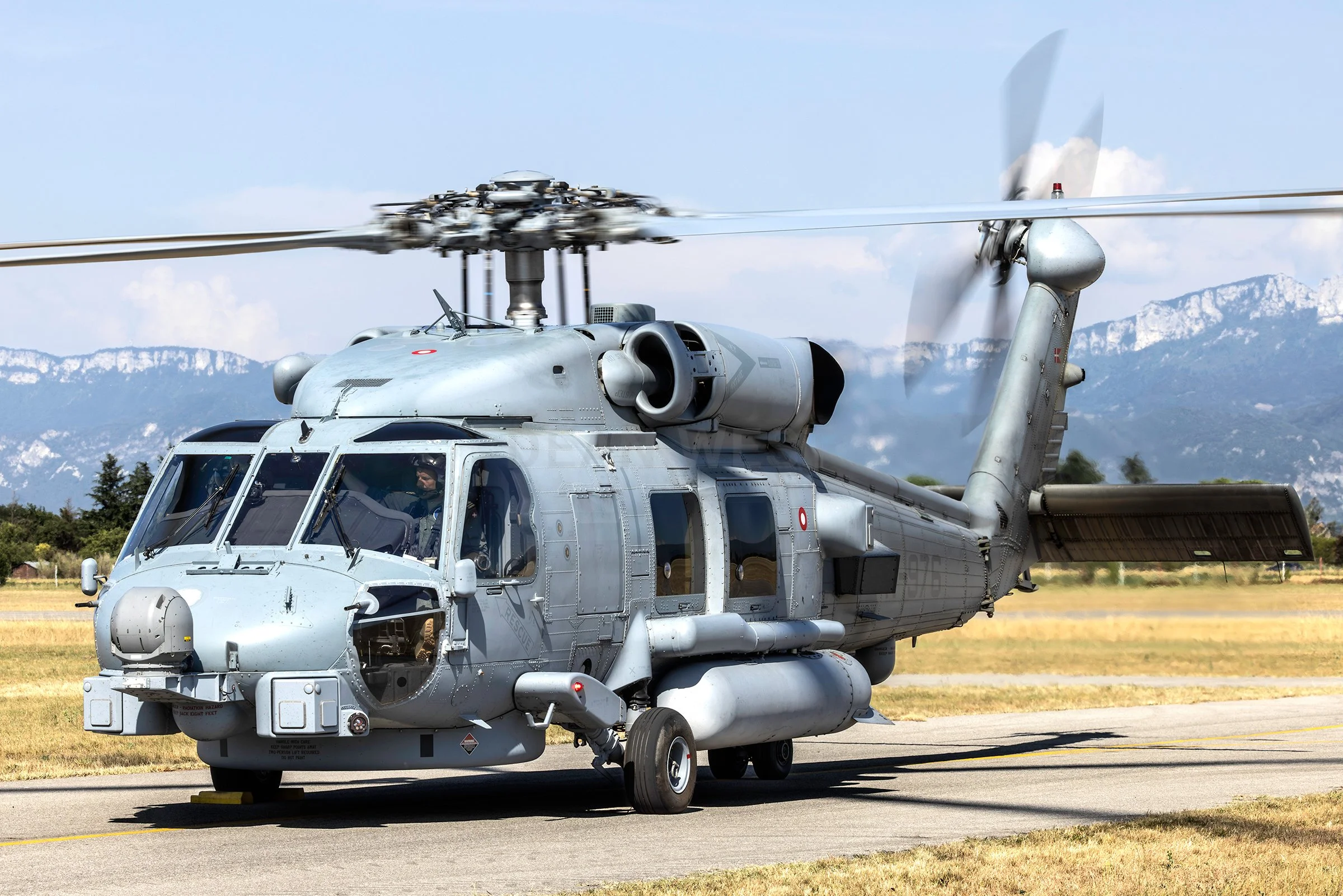
The Italian Air Force threw some serious weight behind the event, dispatching the T-346A Master and the C-27J Spartan from the Reparto Sperimentale di Volo. This marked thr Master’s premier display performance on French soil, while the Spartan made a welcome, rare appearance away from the typical top-tier military mega-shows. The Royal Danish Air Force also made a redeeming showing with an MH-60R Seahawk solo display, finally delivering after their late-notice withdrawal from the 2024 event. The airframe had been m deployed in the region for the best part of ten days, operating in the rugged terrain of the French Alps.
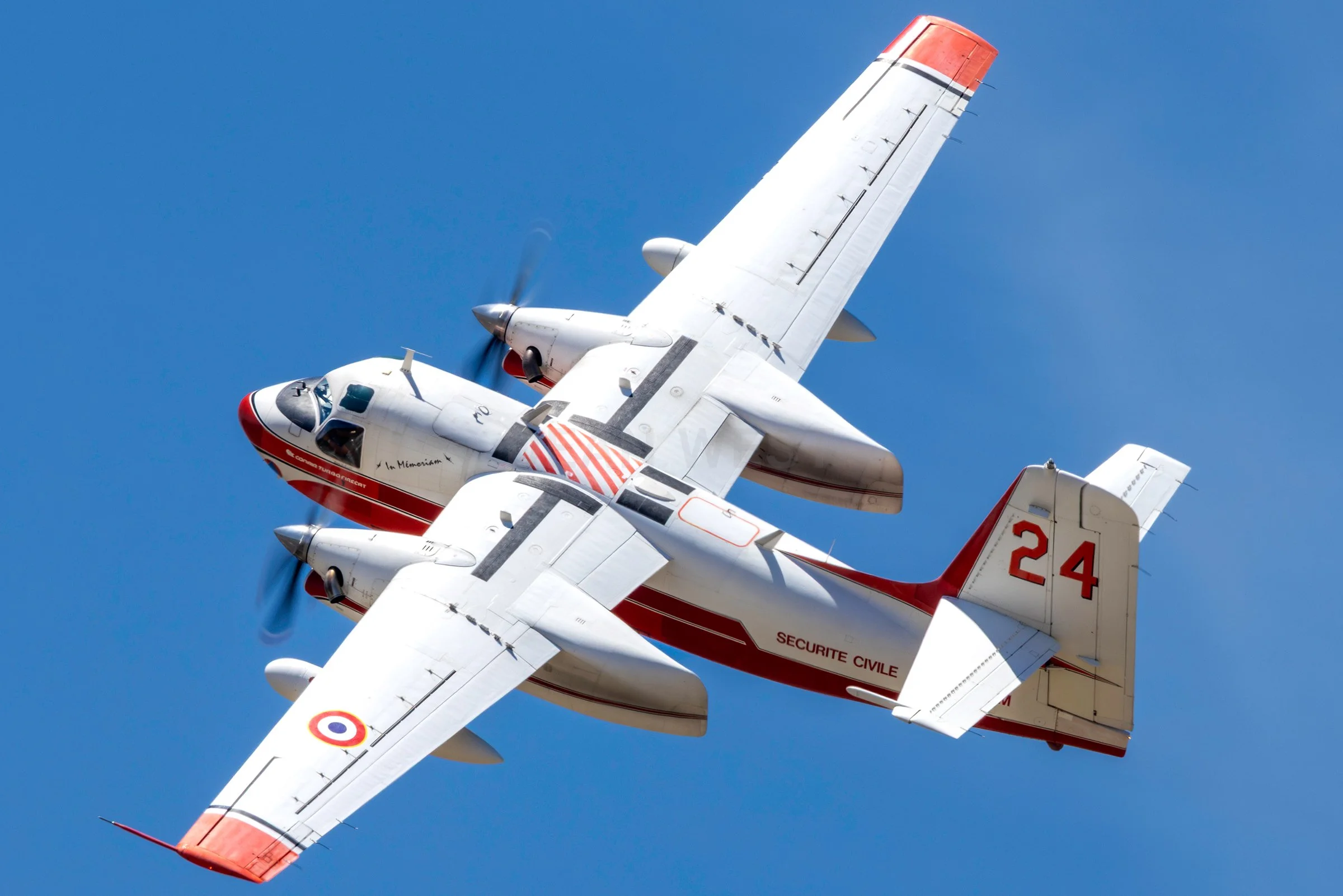
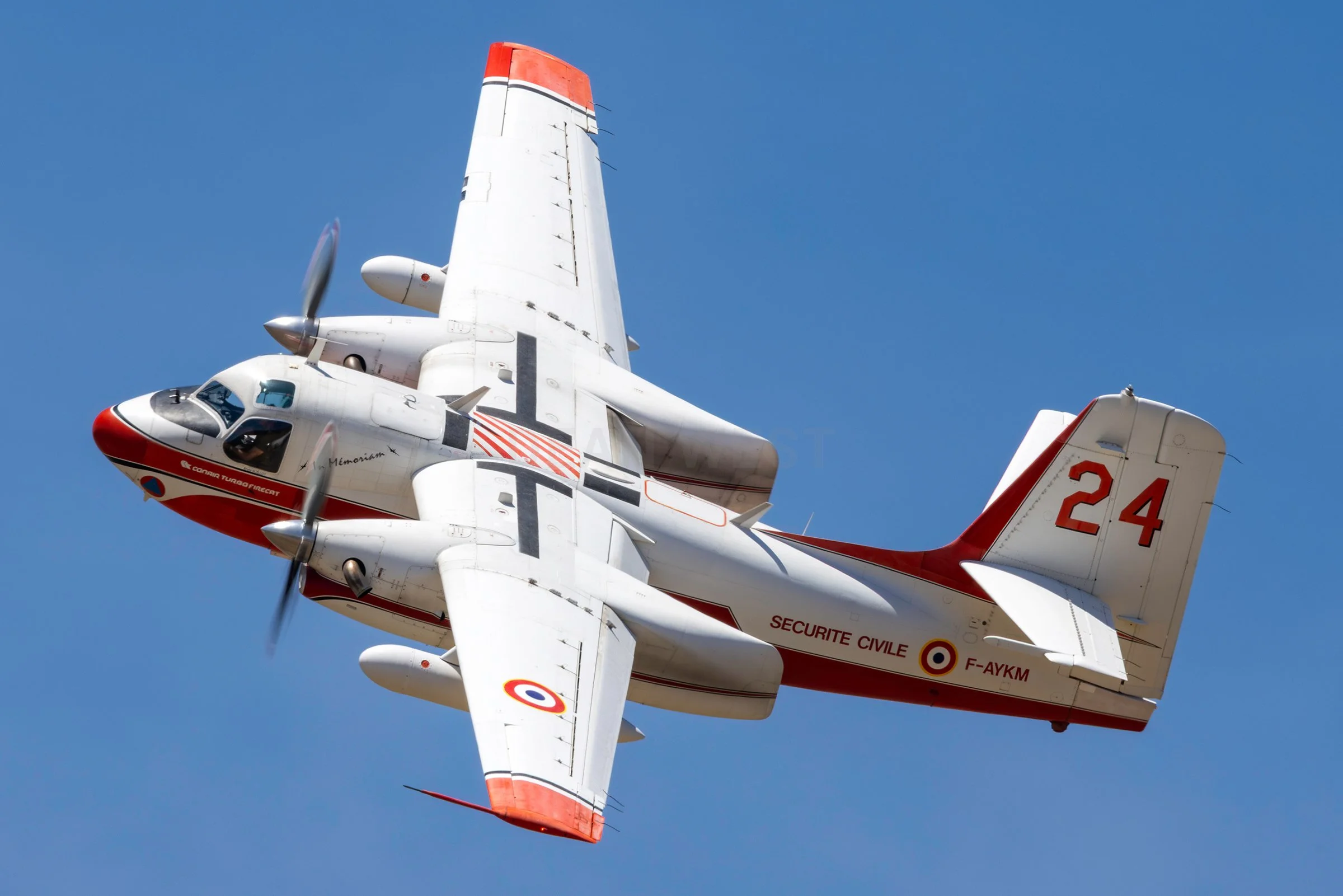
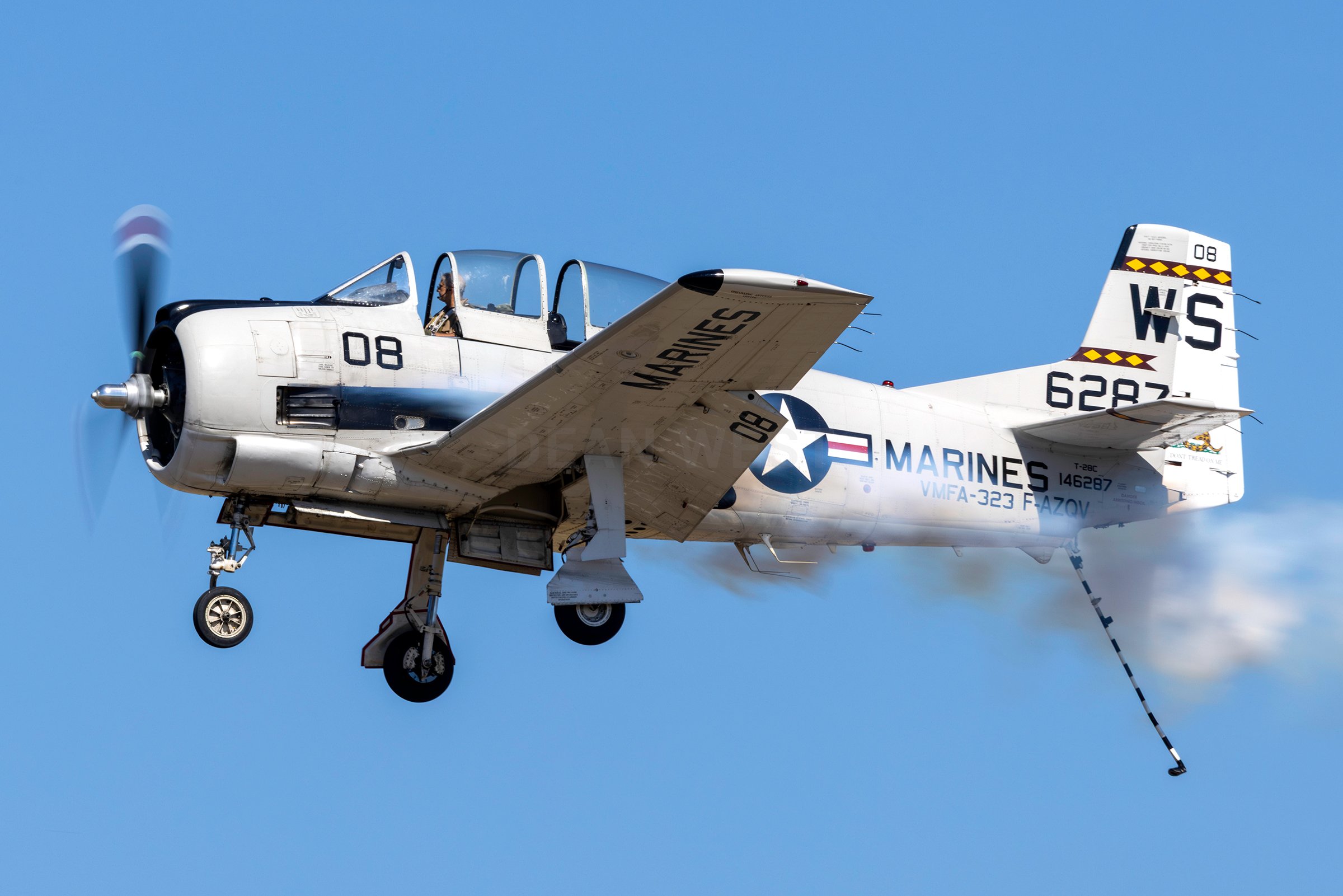
Away from the frontline military types, the flying program relied heavily on civilian-operated classic types and aerobatic displays to maintain the tempo. Of these, the local favorite was the S-2FT Turbo Firecat from the nearby Musée Européen de l'Aviation de Chasse at Montélimar. The fire bomber is being flown with increasing verve on the European circuit, and its routine, complete with a simulated water drop, is fast becoming a must-see.
Unfortunately, the lead-up to the weekend was plagued by a cascade of cancellations. The Italian EF2000 pulled out due to the pilot’s baby arriving ahead of schedule, while both the An-2 and the OV-10 Bronco suffered landing accidents in the week leading up to the event. To add insult to injury, the French Navy's Rafale M vanished from the lineup, and the French Army's own Cougar ultimately failed to materialise in the flying display.
Predictably, the internet pitchforks came out, and social media quickly devolved into a toxic landscape of complaints. To a point, this backlash was unfair; experienced enthusiasts know that military participation is always at the absolute mercy of serviceability, weather, and operational tasking.
However, where the organisers genuinely earned their criticism was with over-optimistic social media comms. Publicly hyping up participation from the UK, Poland, the USA, and Serbia on official social channels sets an implicit promise. When none of these nations even made it onto the final participation list, despite the website being updated right up to the wire, it crosses the line from logistical bad luck into a manufactured hype-train. For enthusiasts spending hard-earned money on travel based on those official teasers, the ultimate lack of delivery left a distinctly sour taste.
For a completely free gate, Aerotorshow remains a fantastic concept. Yet, weighed down by a brutal string of dropouts and self-inflicted communication errors, the 2026 event ultimately felt a bit underwhelming. If future iterations can manage expectations better and lean hard into their undeniable strength, providing a rare look at French military rotary assets you simply cannot see anywhere else, it will remain a vital fixture on the enthusiast calendar.