Europe’s Classic Jets Soar Once More
If there is a single year that defines the modern classic jet scene in Europe, it is 2015.
The season was already set to mark the end of an era. In March, the Vulcan to the Sky Trust announced that Avro Vulcan XH558 would make its final display appearances that summer. Having become one of the biggest attractions on the European airshow circuit, the loss of Britain's last flying Vulcan would leave a void that no other aircraft could realistically fill.
Then, on 22nd August, everything changed.
The crash of Hawker Hunter T7 G-BXFI/WV372 during the Shoreham Airshow became the UK's deadliest airshow accident for more than six decades, claiming the lives of 11 people on the ground. The tragedy dominated national headlines and placed every aspect of civilian display flying under intense scrutiny. Public attention focused not just on the actions of the pilot, but on whether existing regulations governing airshows and historic aircraft operations remained fit for purpose.
The safety lessons that emerged from Shoreham quite rightly centred on protecting spectators and people on the ground. However, the resulting regulatory and economic impacts would also reshape the classic jet community. Insurance premiums rose sharply, display regulations tightened and operating restrictions increased. The Hunter fleet was grounded immediately following the accident, while additional limitations were introduced for certain higher-powered jet types. Privately-owned swept-wing aircraft were no longer permitted to perform aerobatic displays over land in the UK, and overseas operators faced a significantly tougher approval process before bringing aircraft to British events.
Yet Shoreham did not create the decline of the classic jet scene; it accelerated one that had already begun.
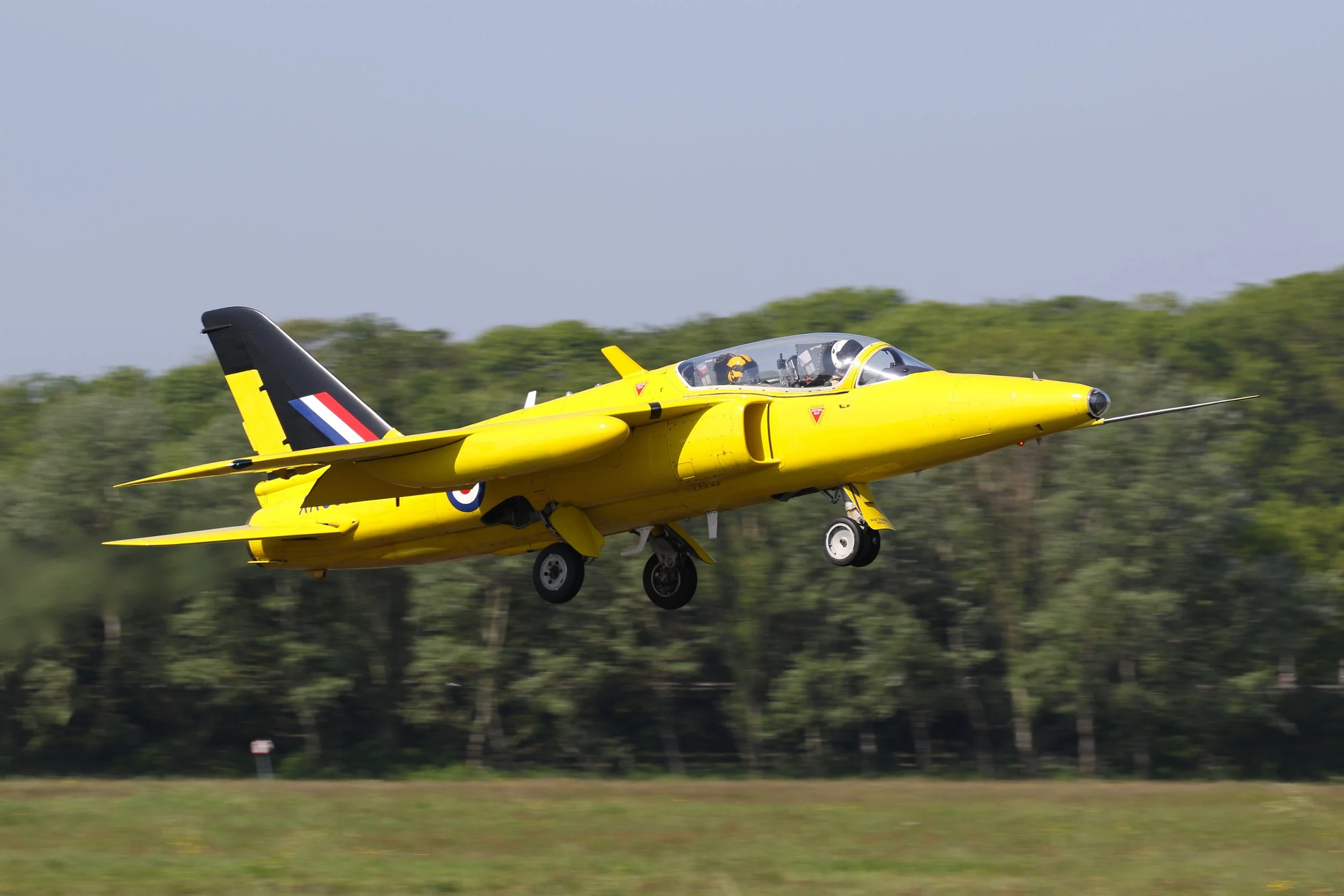
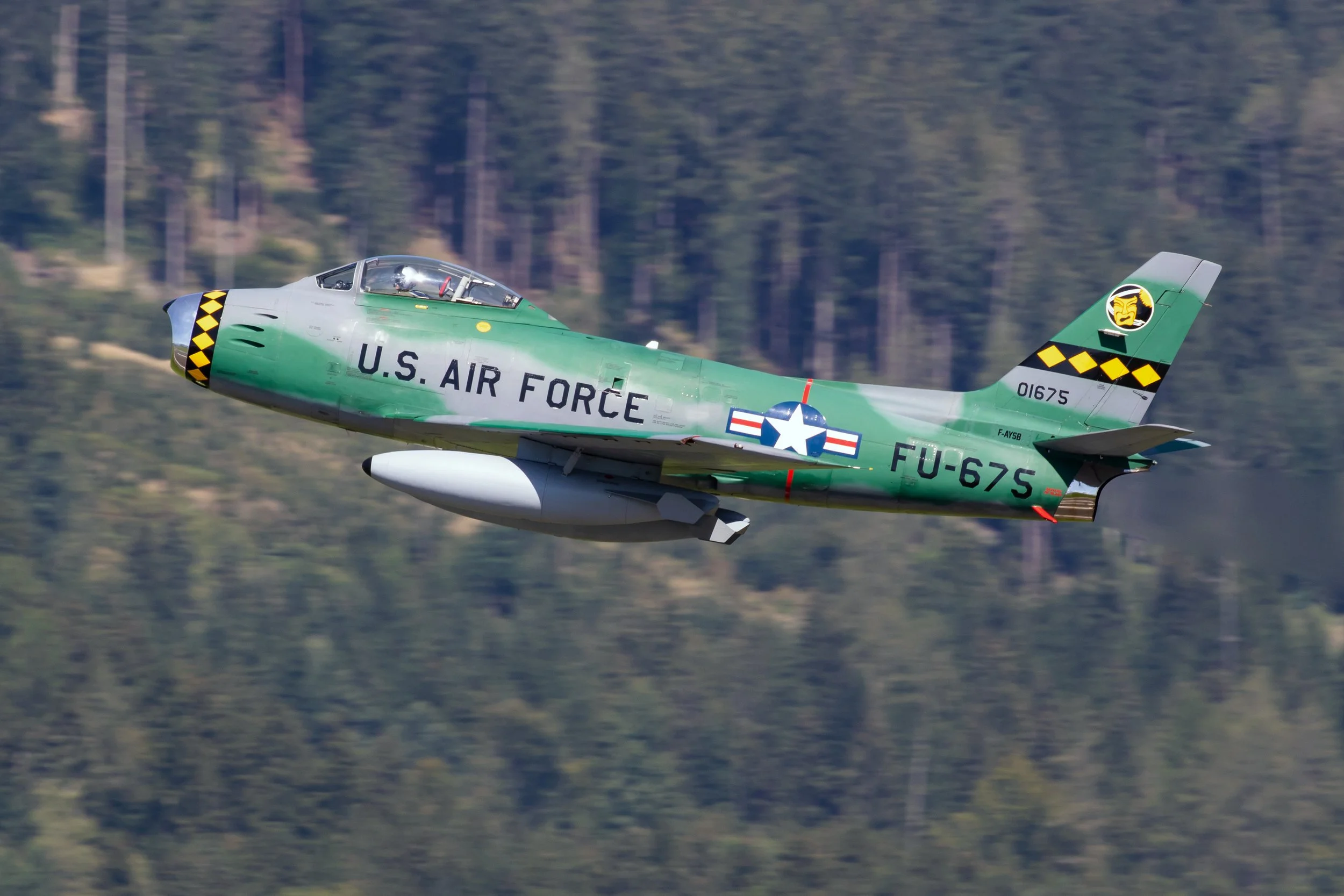
The years leading up to 2015 had seen a gradual reduction in the number of airworthy classic jets based in Britain. Aircraft such as Hunter FGA9 G-ETPS and Hunter Mk58 Miss Demeanour had departed overseas, driven in part by growing demand for ex-military jets in the adversary support market. Duxford lost the ever-popular Golden Apple F-86A Sabre to an American owner, while the Midair Squadron's Hunter pair and Canberra ceased flying at the end of 2014 after less than two seasons on the display circuit.
Against that backdrop, the retirement of XH558 and the aftermath of Shoreham felt like a definitive end to a period in which large formation displays of privately-owned military jets, such as Team Viper's four-ship Strikemaster and Hunter formations, were still possible. By the close of 2015, many enthusiasts feared that the best days of Europe's classic jet movement were behind it.
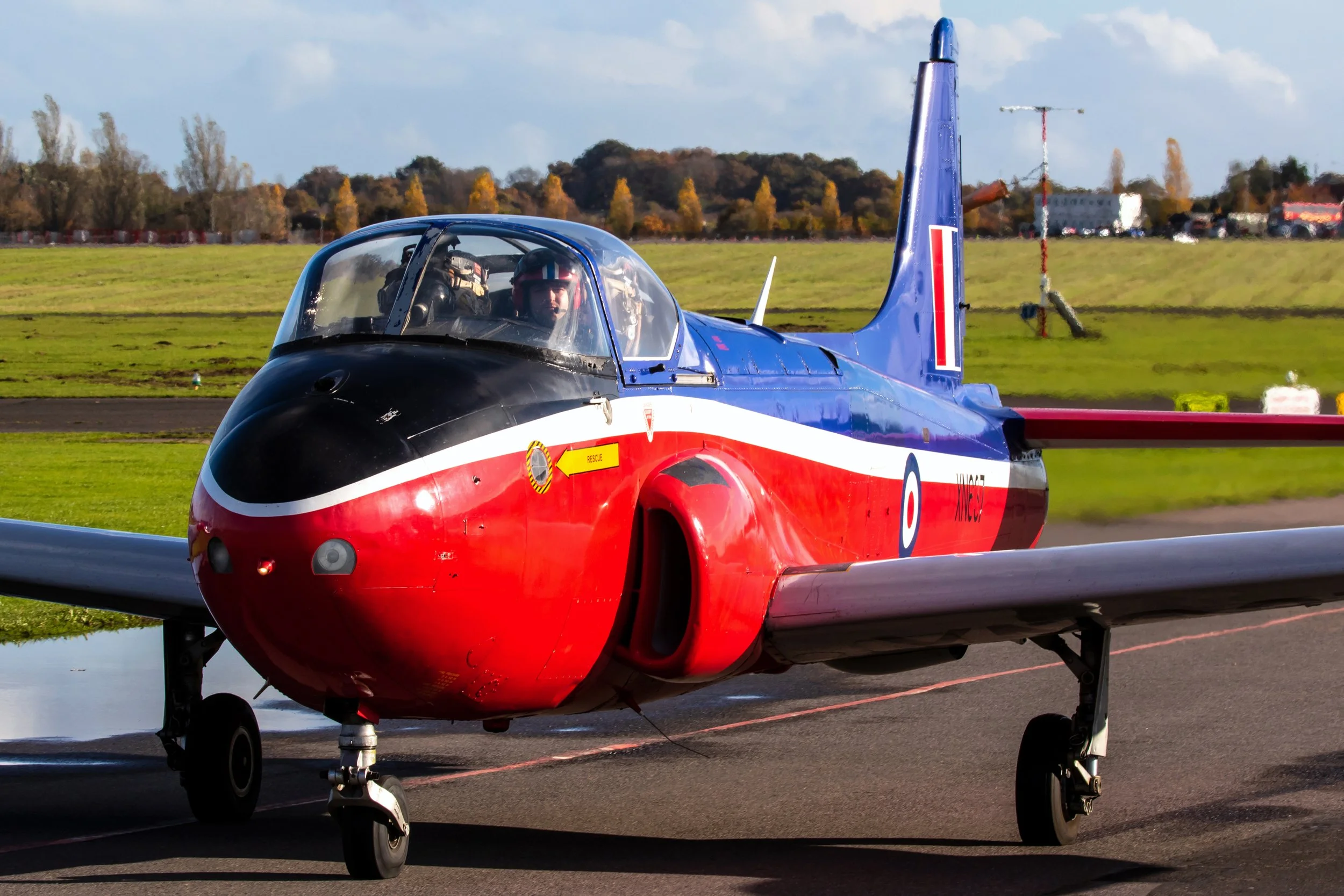
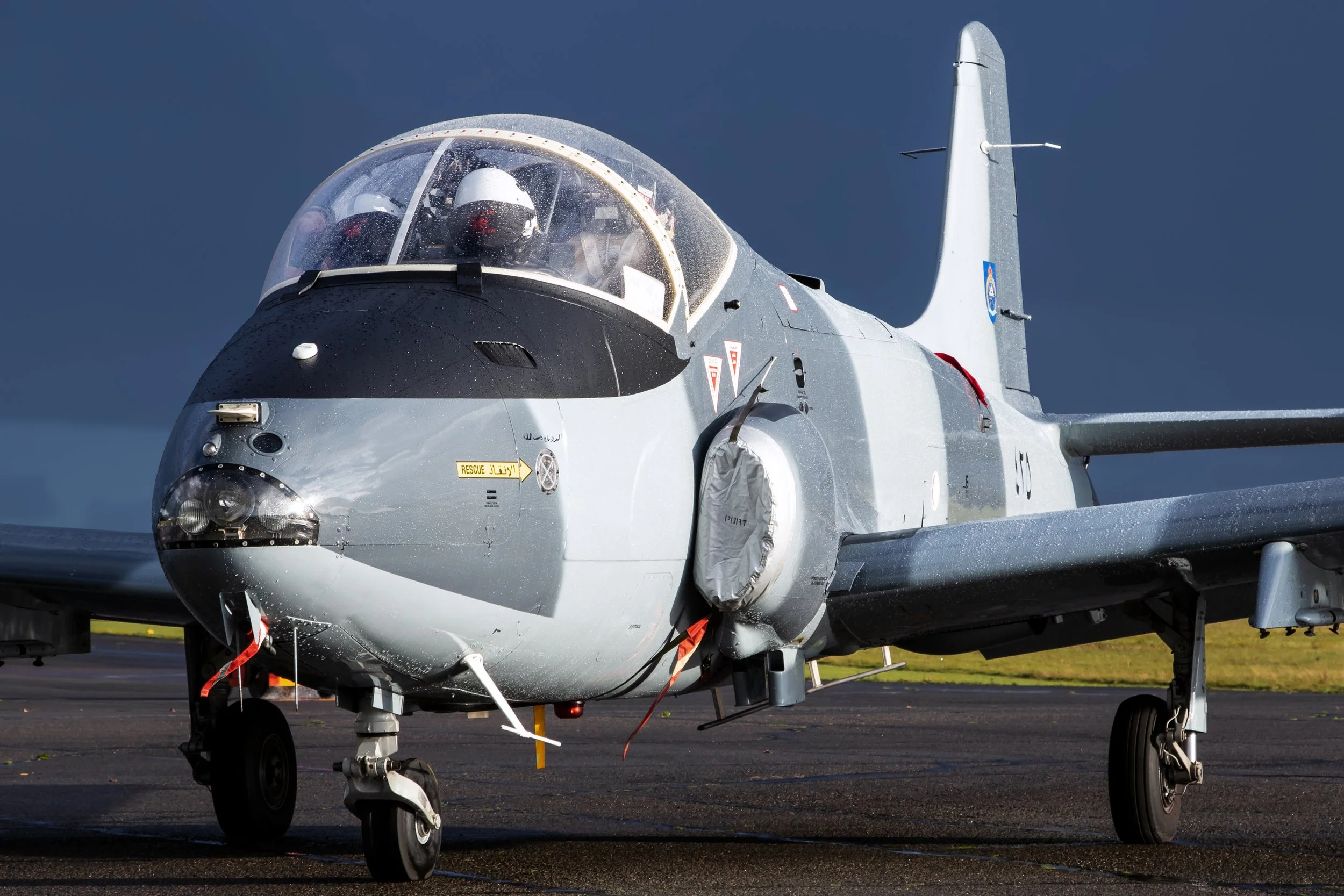
A decade later, those fears look increasingly misplaced. Far from disappearing, Europe's classic jet scene is experiencing something of a renaissance. The UK has its first privately operated Hawk T1, operating out of Blackpool in the hands of L-39 Aviation, which is shortly expected to return a second L-39 to the air alongside their ex-Hungarian Air Force L-39 G-SHMB. The Sea Harrier FA2 and Harrier T8 at St Athan appear to be edging closer to flight, with both aircraft regularly noted taxiing around the South Wales airfield. If reports from those close to the project are accurate, paperwork may be the primary obstacle to their return to the air. Jet Provosts and Strikemasters are enjoying something of a revival. Strikemaster Mk82 G-MXPH, in its Singapore Air Defence Command colours, has recently returned to the skies after a lengthy period on the ground, whileJet Provost T5A G-BWEB has returned to the UK having spent a number of years in France. Two further JPs returned to flight after short spells grounded, namely T5A G-BWGF and T52 G-PROV - an encouraging development for enthusiasts of the BAC trainer family.
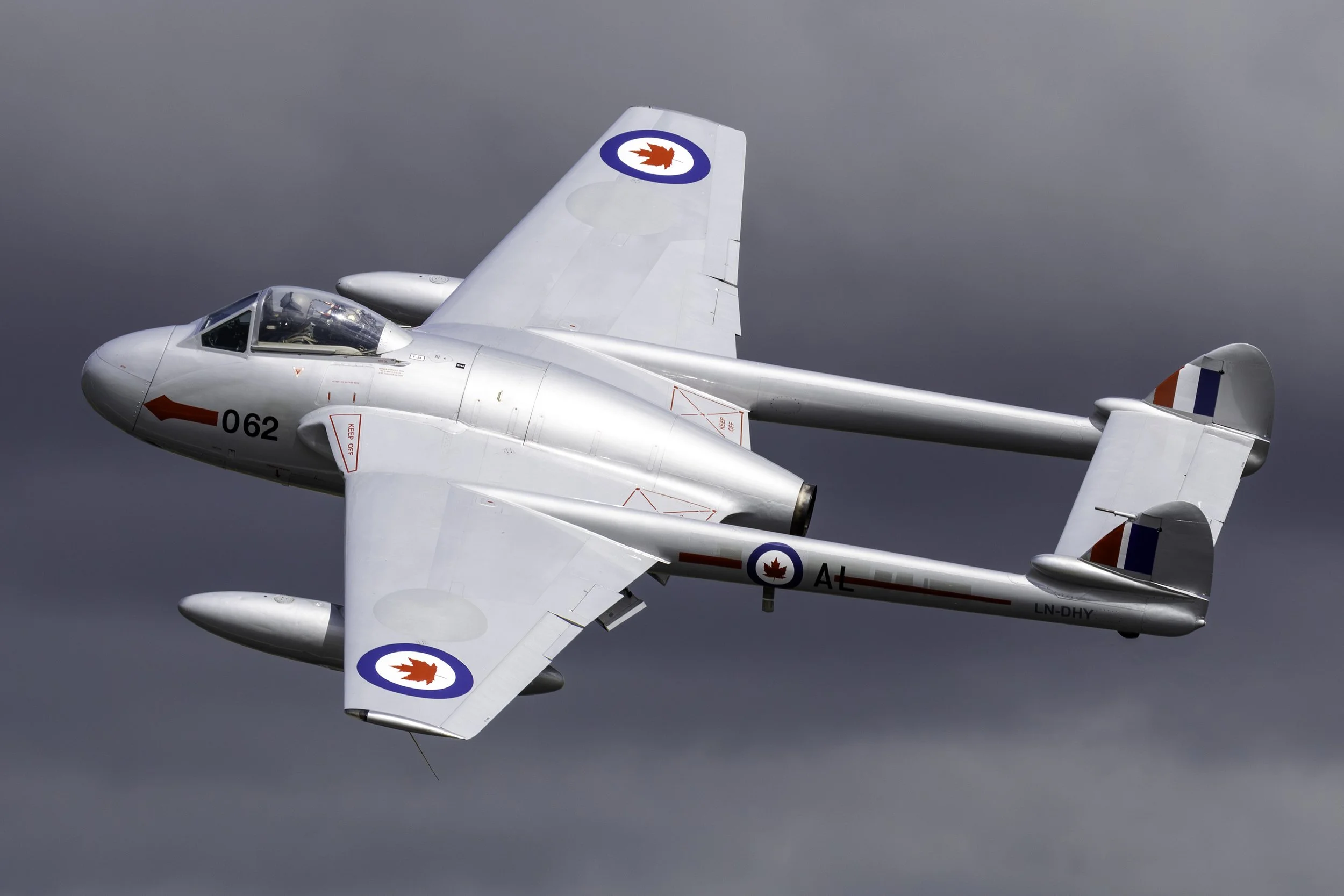
That’s all on top of the JPs and Strikemasters already flying, alongside the Vampire T-11 G-VTII and the handful of Gnats that are still quietly flying. Should Hunter T7 G-BVGH, which is currently being restored to flying condition, return to the air, the UK will once again find itself in a remarkably healthy position for classic jets.
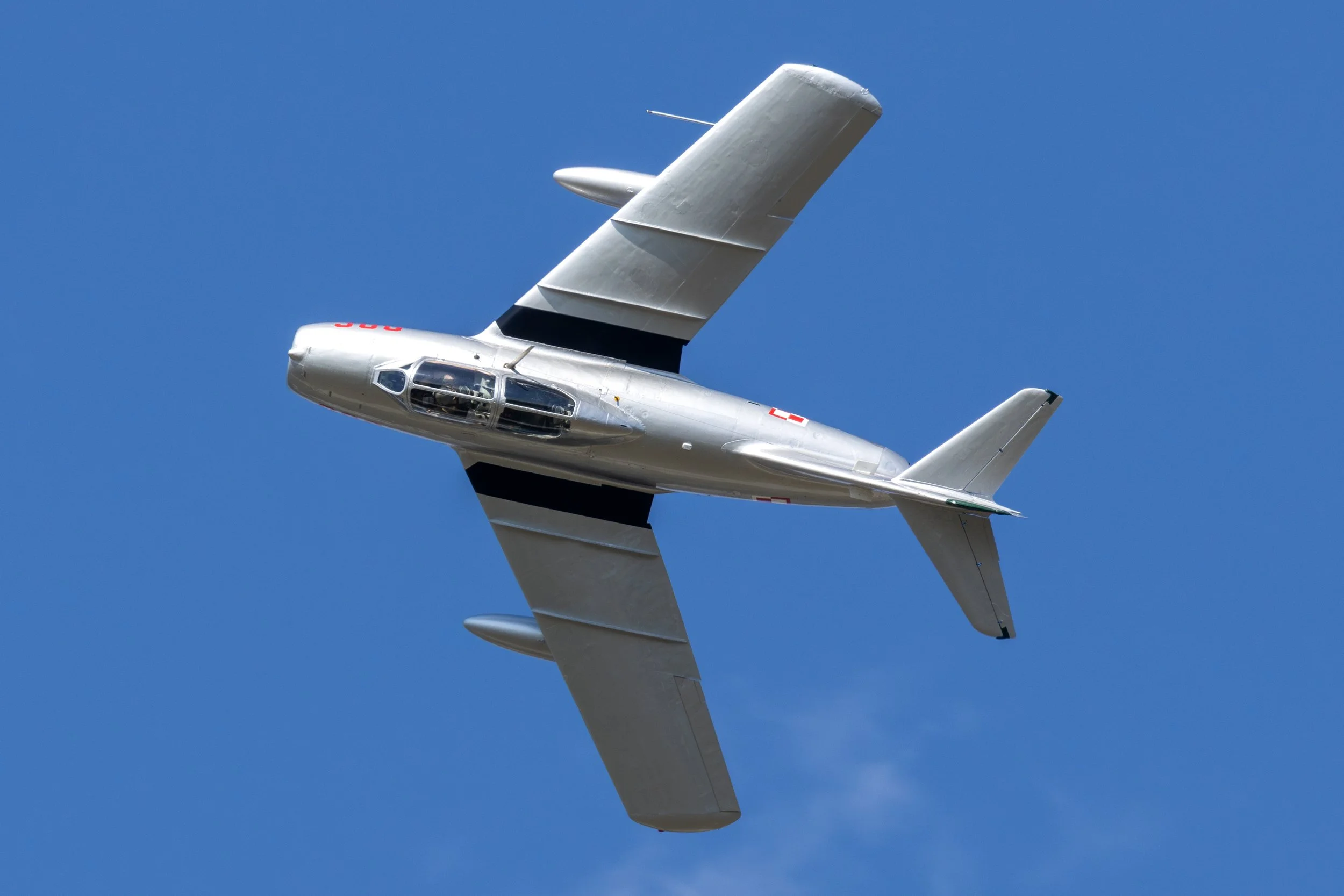
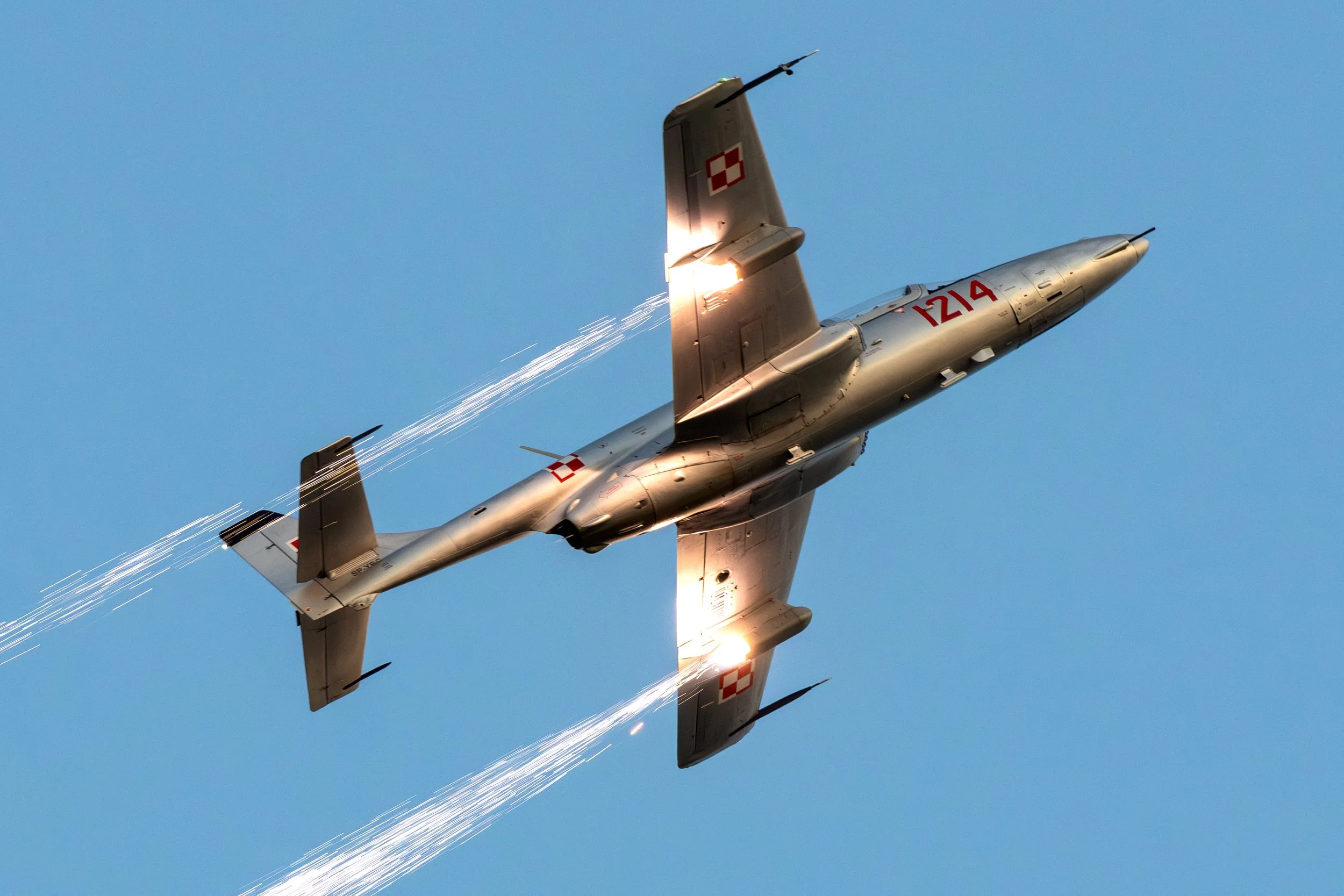
The rest of Europe is booming too, with Sweden, Poland and France in particular seeing huge classic jet activity. Poland has two key organisations operating classic jets. FUBAR Aviation currently flies two Lim-2s and a Lim-5, the latter only being restored to flight in early 2026, with a MiG-21 that has recently joined their hangar for restoration to airworthiness. The Red-White Wings Foundation operates a fleet of TS-11 Iskras, which have regularly been displaying at shows across Eastern Europe as a three-ship. Somewhat under the radar, L-39ZO LX-SJW is often noted flying local sorties from Mielec in its stunning East German Air Force colours, while L-39C N39CV wears a grey civilian Dark Star Demo Team scheme. If that’s not enough, Lim-2 N104CJ, formerly operated by the Norwegian Air Force Historical Squadron, found a new home in Poland in 2025, now under the care of the Babimost Region Aviation Association which is working to get the jet back in the air.
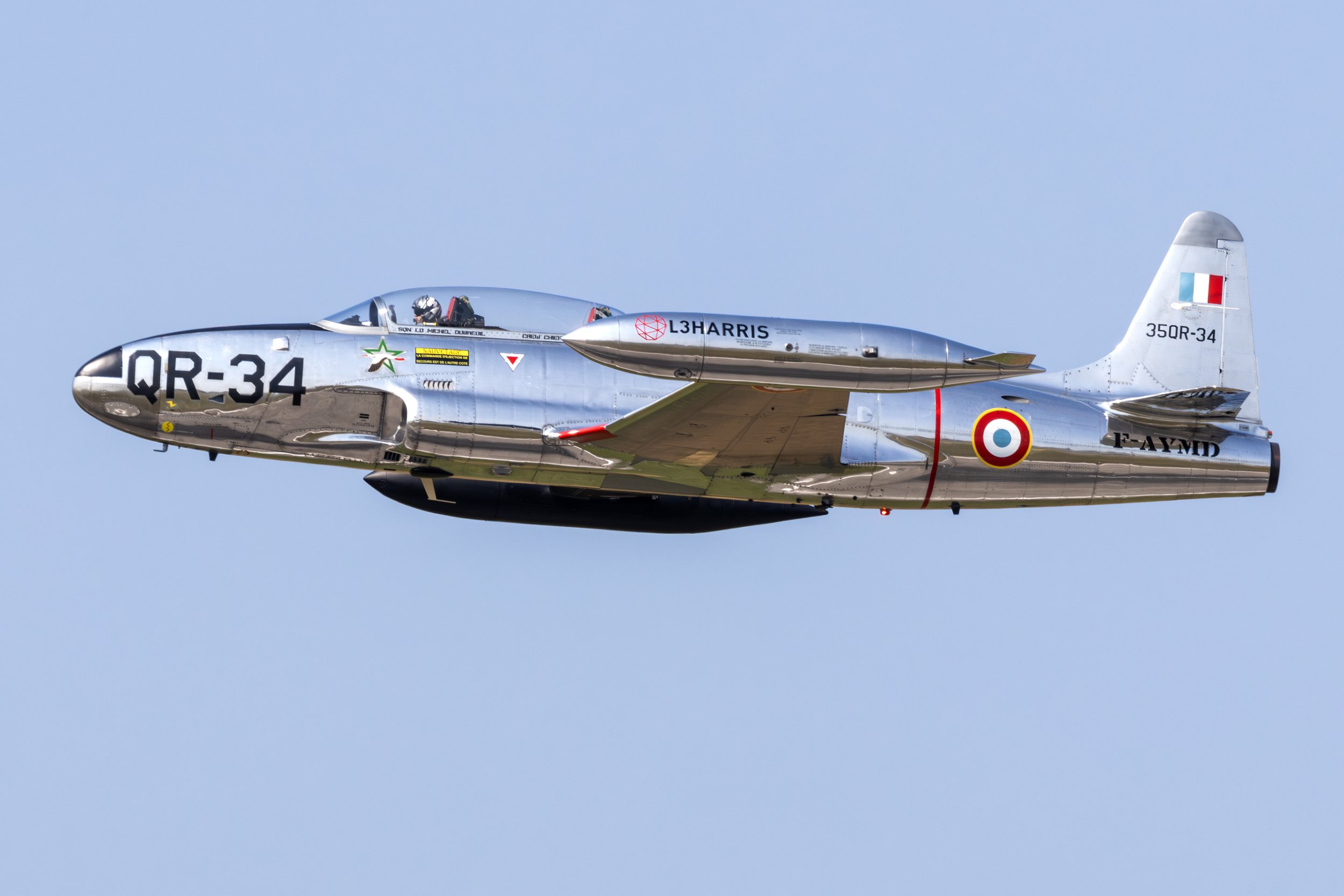
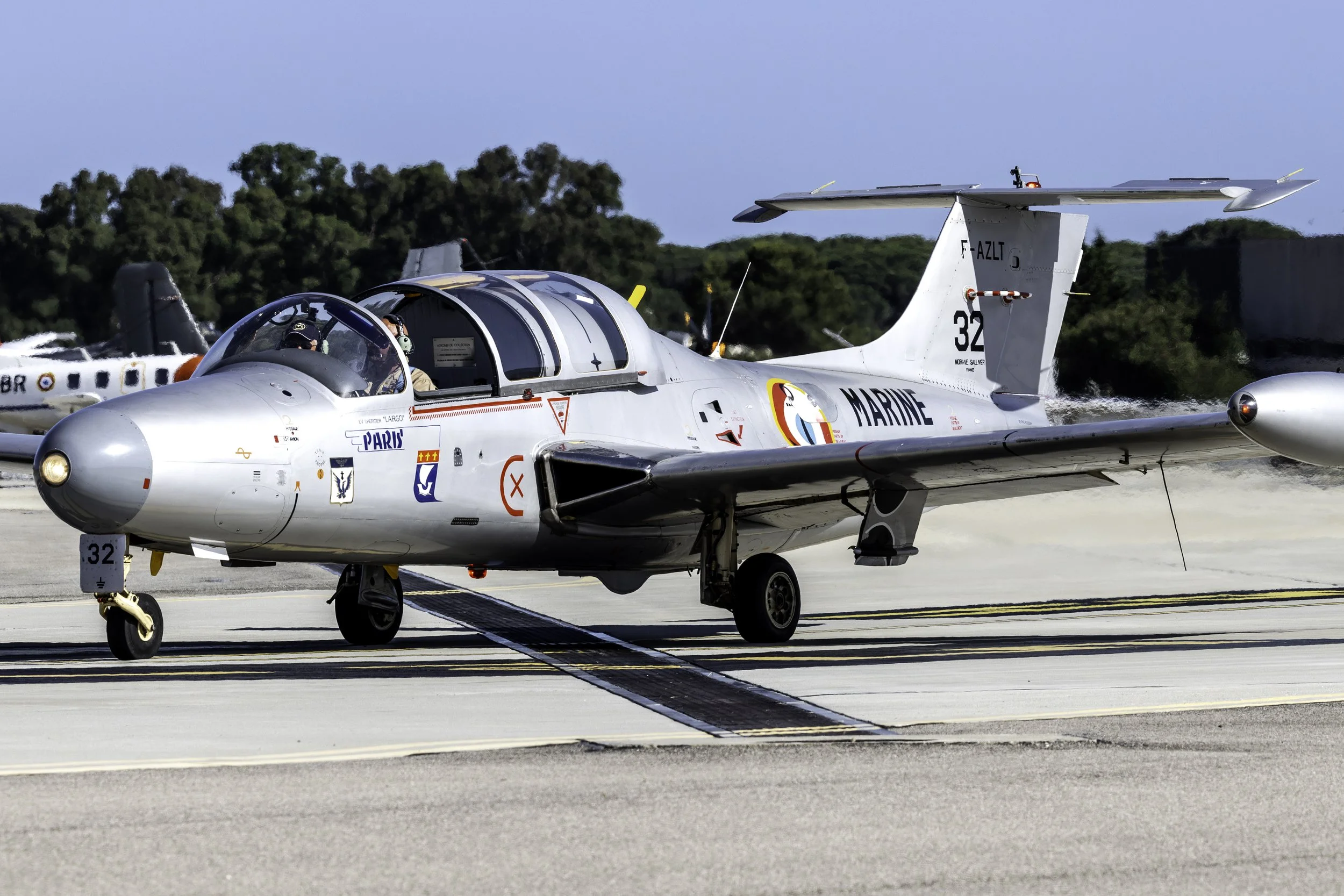
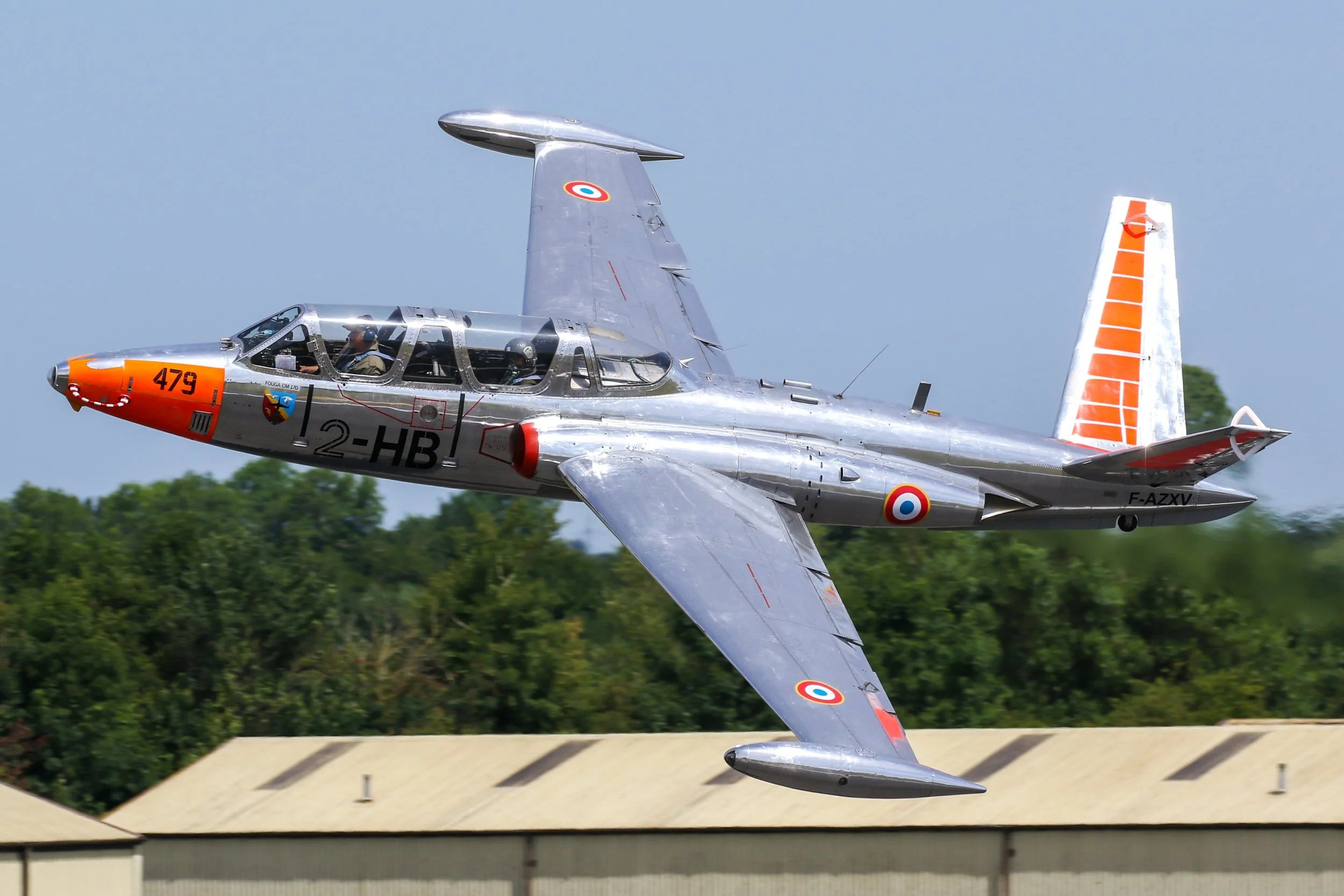
France too has a fantastic classic jet scene, starring the incredibly overlooked CT-133A Silver Star of Top Gun Voltige in a rather stunning bare metal French Air Force scheme. CL-13B Sabre is another French-based star, supporting shows throughout Europe. The jet has recently been acquired by Red Bull following the grounding of its Alpha Jet As, so while the Sabre will still be flown by Frederic Akary, it’s yet to be seen whether the jet will relocate to the Hangar 7 base at Salzburg. France’s volume of airworthy Fouga Magisters certainly seems to fly under the radar. Patrouille Tranchant fly four of the jets, while at least five other Magisters are operated in ex-military schemes. Let’s not forget the beautiful CM175 Zéphyr, operated by Zéphyr 28 association, which often displays alongside a fantastic selection of contemporary and classic fixed wing Aeronavale types, including. the Armor Aéro Passion operated MS760 Paris. On the topic of the Fouga family, it’s fantastic to see there are also examples of the Magister still flying in Belgium, Germany and Finland.
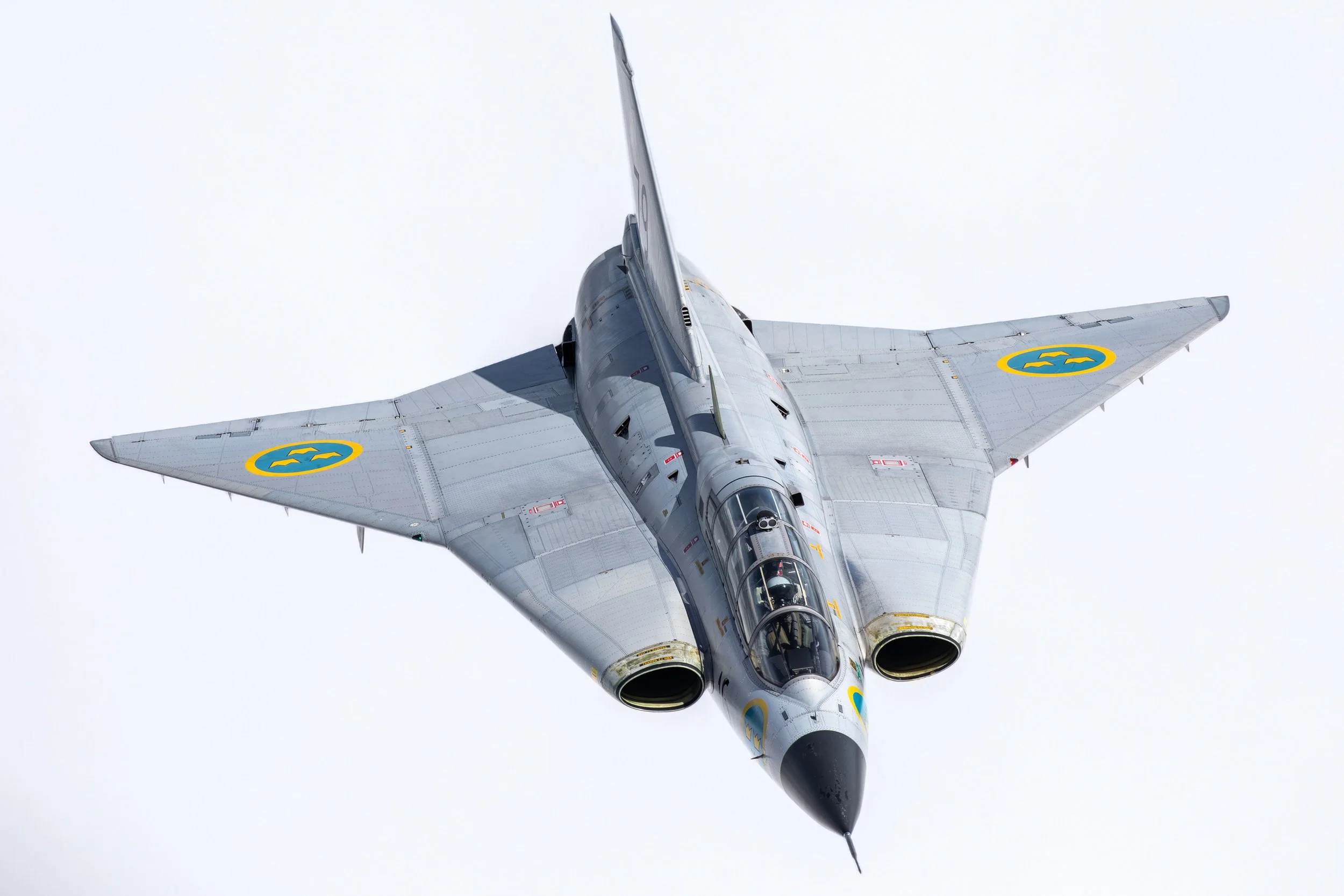
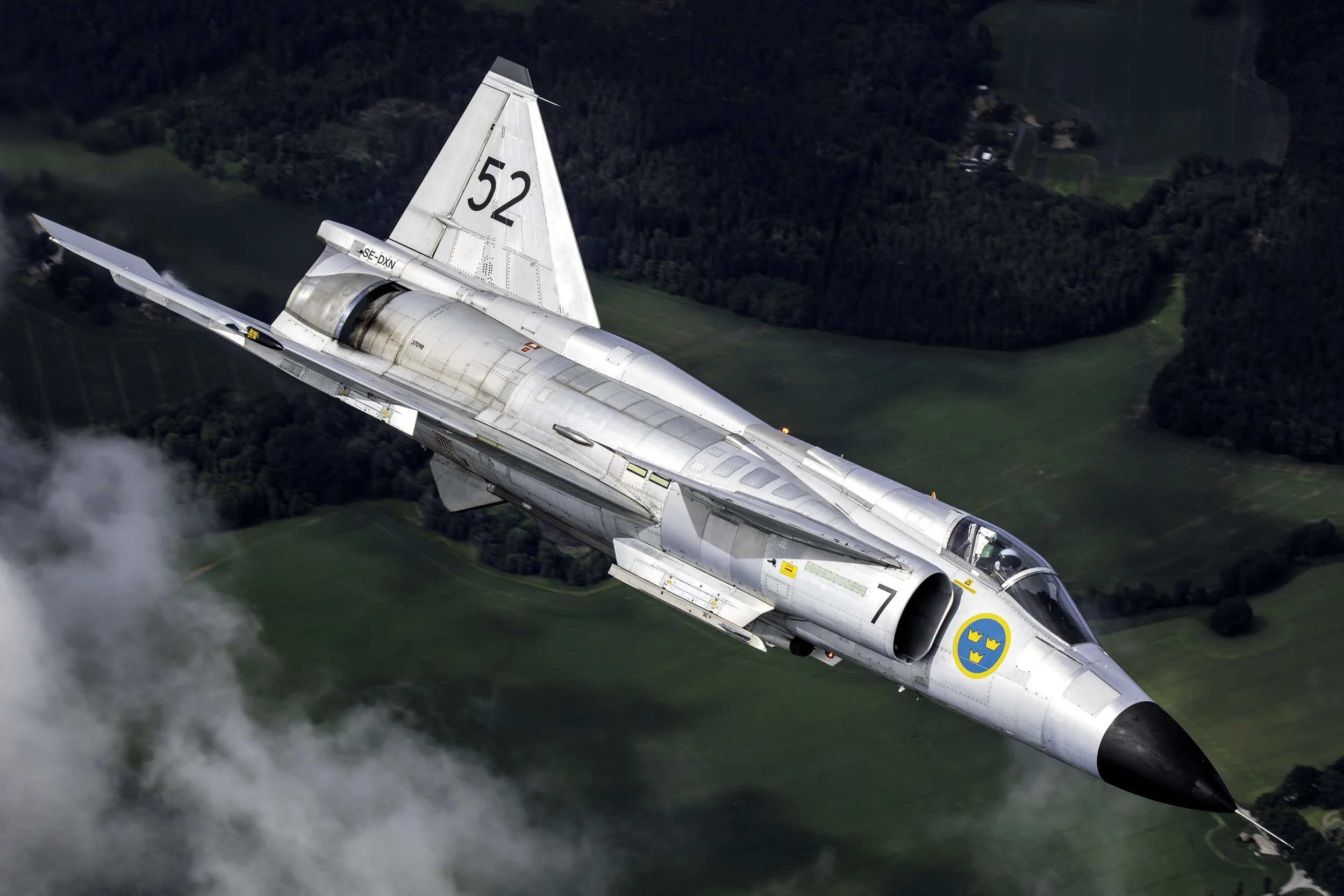
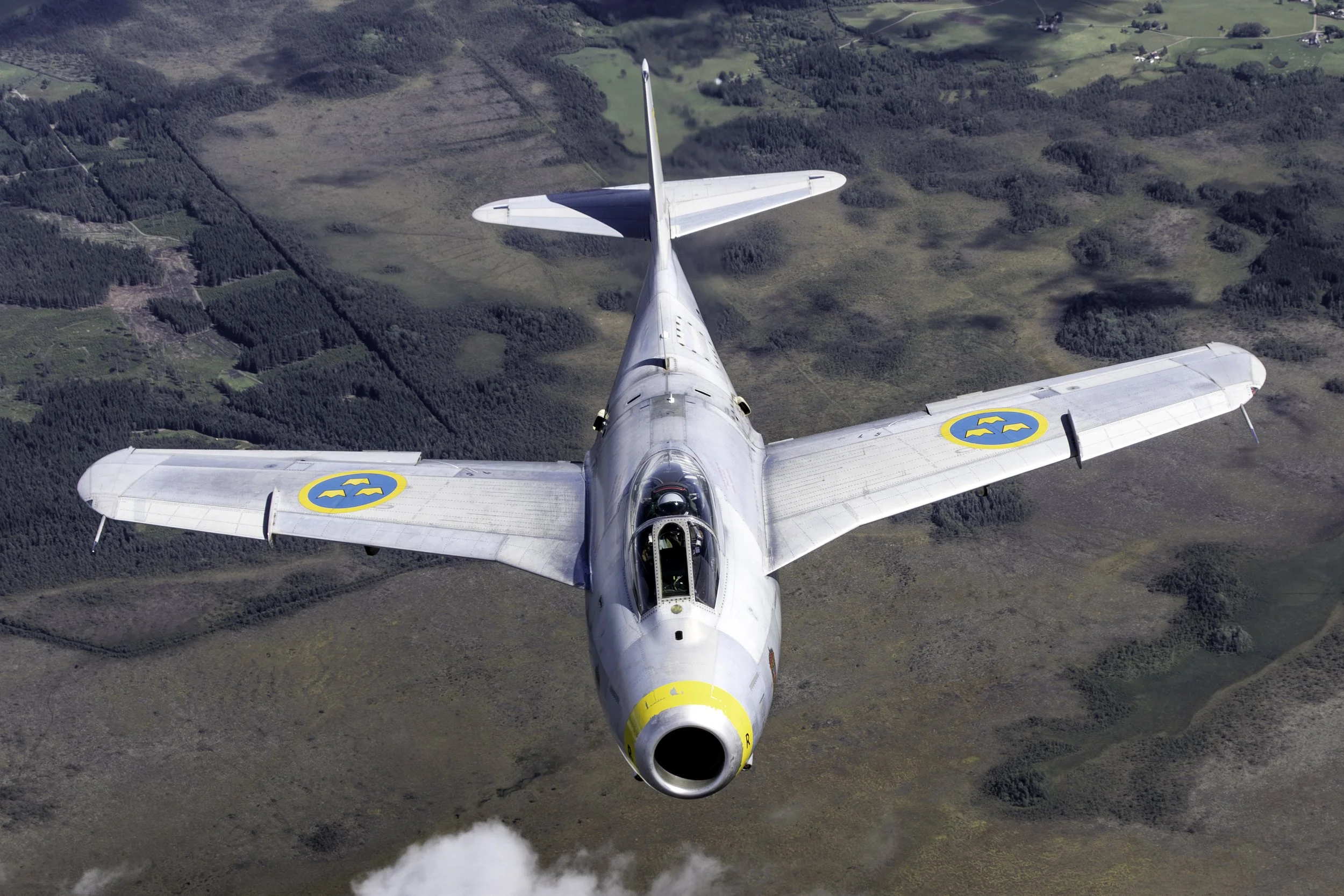
The Swedish Air Force Historic Flight has been the star of the European airshow scene for a couple of decades now. Their fleet appears to be going through a period of change in the year that the Air Force celebrates its centenary. Their J34 Hunter has been going through a restoration to flight, although it sadly won’t make the 100th anniversary event at Linköping, while a number of SK60s have joined the flight after retirement from Flygvapnet service.
It’s not clear how many SK60s will eventually be flying with the SwAFHF, but the original intention was that four jets were going to be made airworthy alongside the bare-metal SK60 already in their fleet. This would bolster an already impressive hangar which includes three flying J32 Lansens, a pair of Drakens, and a pair of Viggens. However, it is believed that the twin-seat SK37 Viggen has very few hours left on the airframe and may cease flying after the 2026 season, while the Drakens are facing pilot availability issues. Hopefully, the future of these iconic types is safe for years to come.
The Norwegian Air Force Historical Squadron’s Vampire pair have been strong supporters of the European show scene post-Shoreham, being one of the few foreign operators that have held UK display authorisations. Their efforts must be noted, with the Vampires often sporting non-RNoAF markings in support of anniversaries of other operators, such as the Royal Air Force in 2018, the Italian Air Force in 2023 and the Royal Canadian Air Force in 2024. It was recently noted that the Squadron’s CT-133 Silver Star was flying pre-season alongside the Red Bull fleet. Could this be another acquisition to replace the grounded Alpha Jets?
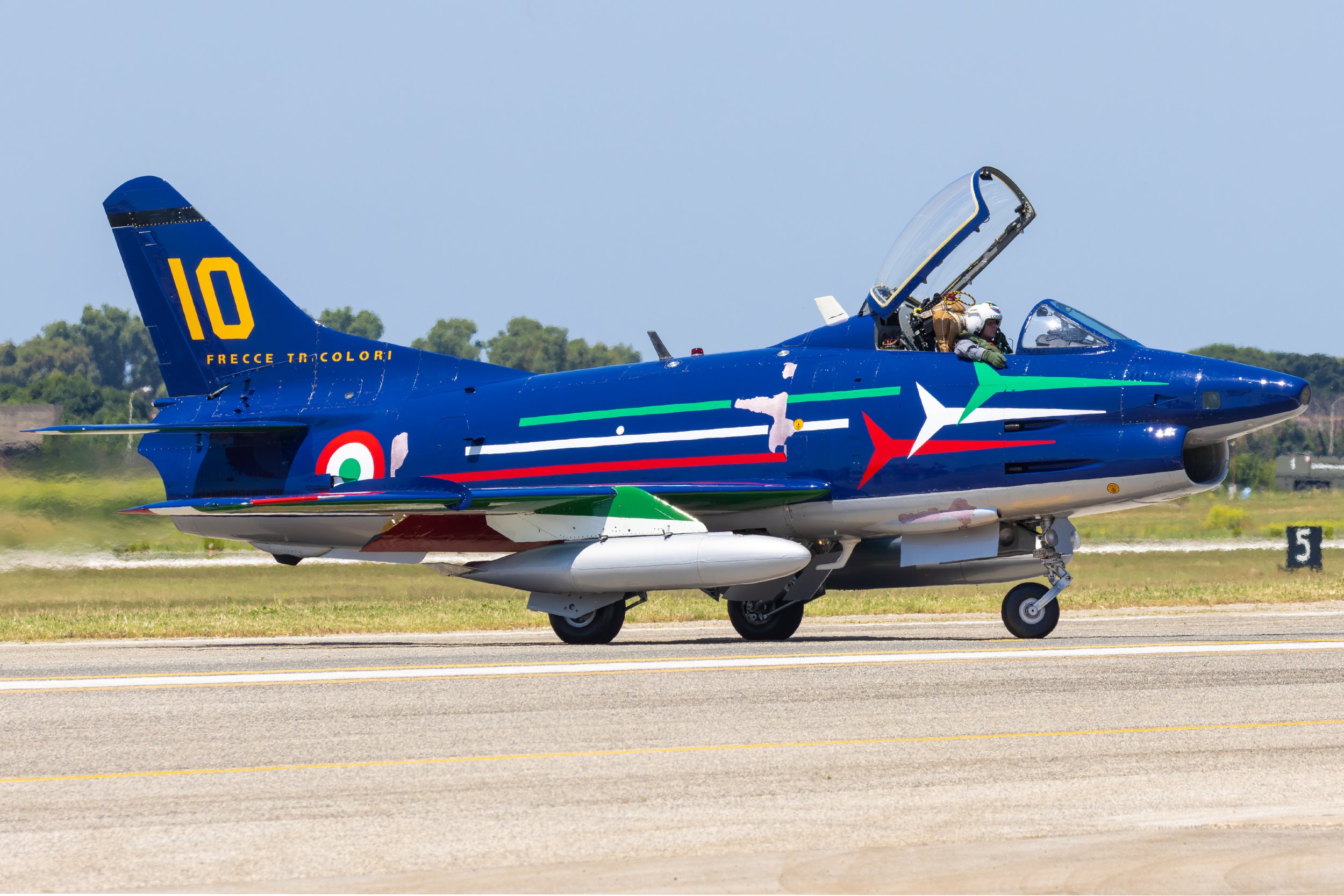
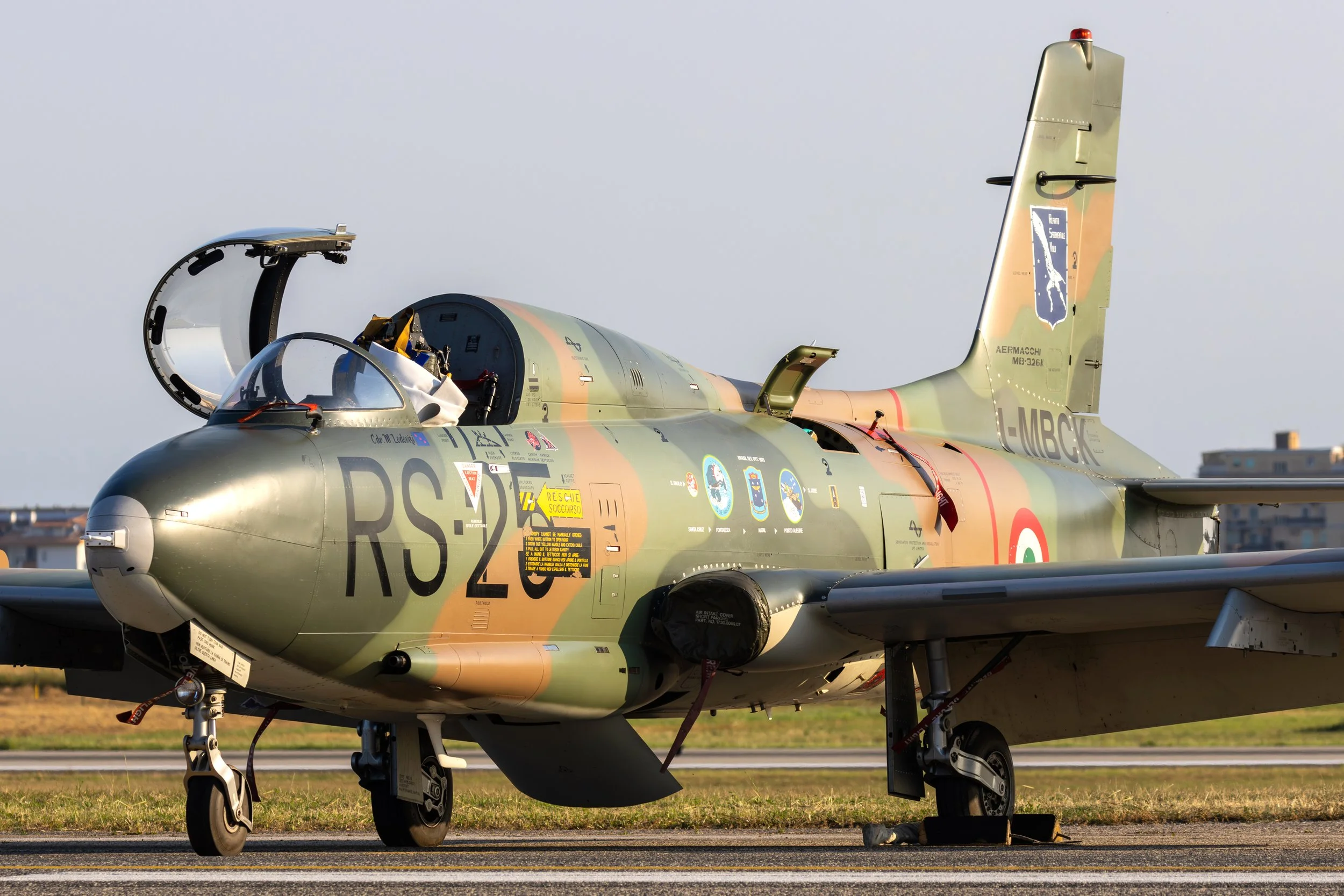
Let’s not forget the really unusual gems in Europe. No fewer than two Super Saetas are flying, one in Germany and one in Spain, providing some wonderful diversity to a once again flourishing scene. On top of that we have two stunning MB326s in Italy, alongside the G-91 that was restored in time for the Italian Air Force’s 2023 centenary. The future of those jets seems uncertain, though, with the trio having been noted for sale.
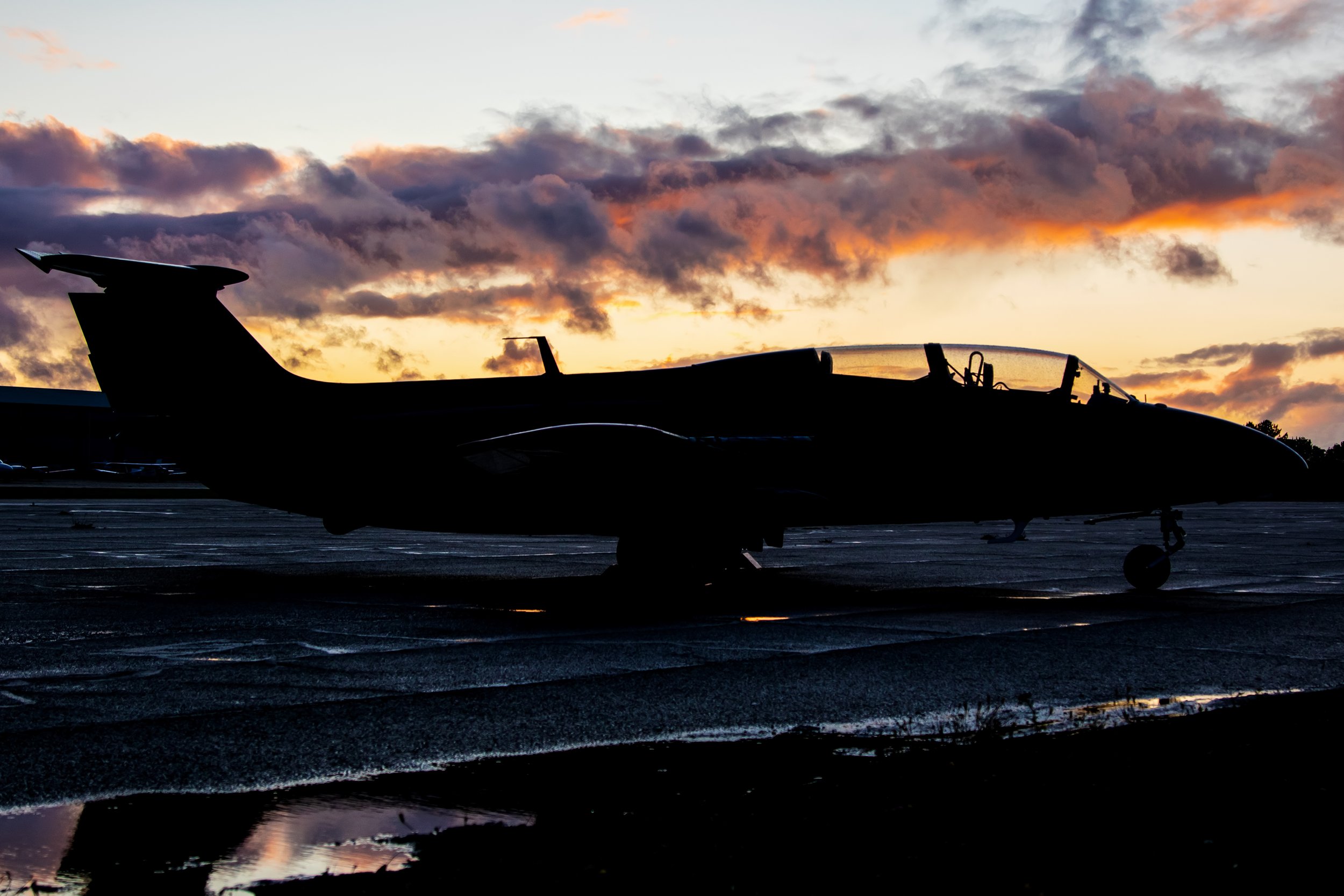
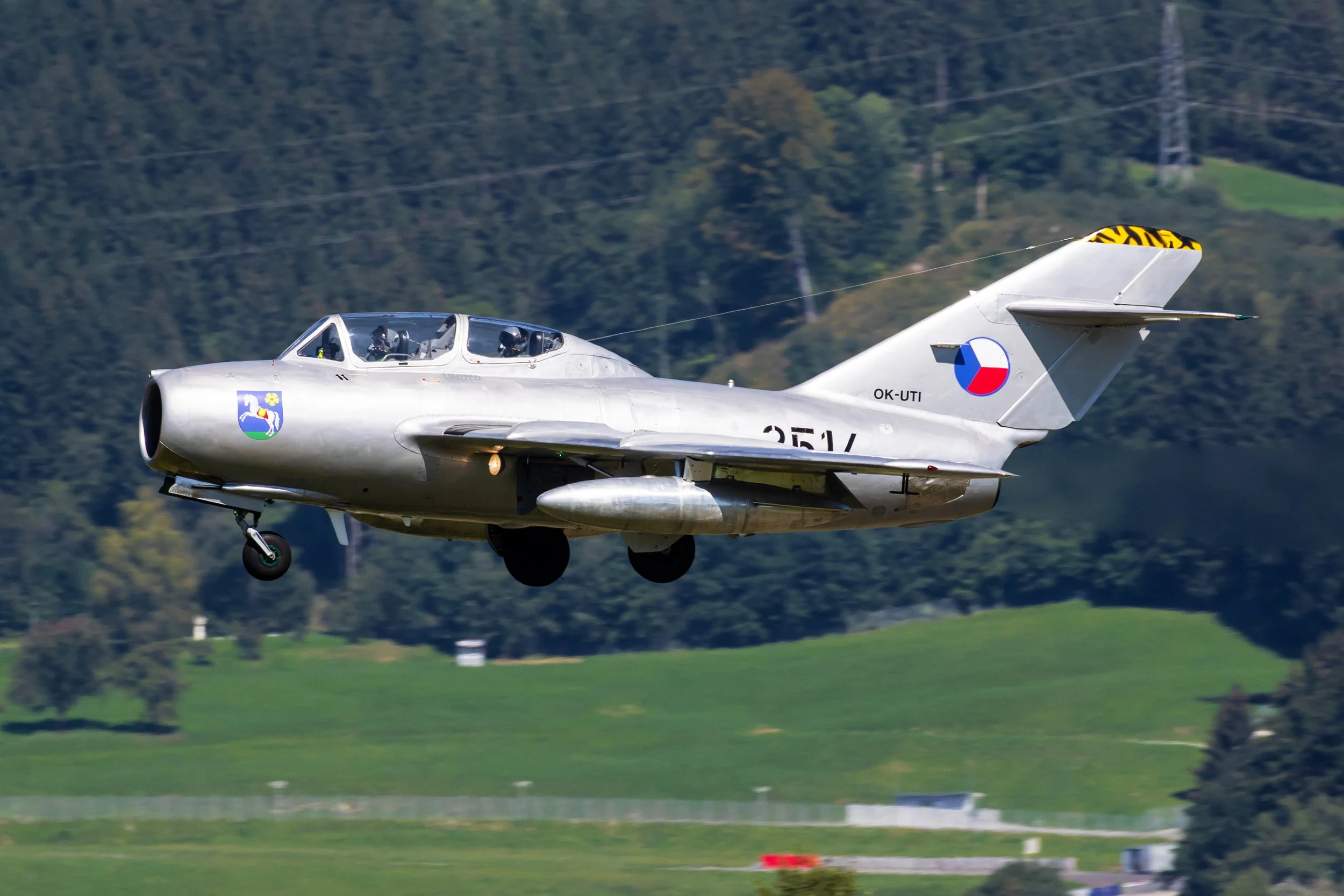
The other Eastern European nations shouldn’t be overlooked when it comes to classic jets. The more established Baltic Bees and Galeb Team often display throughout Europe in their respective L-39s and L-29s, but it’s the former Czechoslovakian nations that have some stars that leave their home countries far too infrequently. Slovakia is home to a pair of L-29 Delfins - OM-SLK is worth looking up in its beautiful Czechoslovak Air Force colours, including large high-vis roundels. Czechia too has a small, but varied fleet of classic jets, including a MiG-15UTI from Czech Flying Legends, while Blue Sky Service’s L-29 and L-39ZO continue to fly in Slovak and East German Air Force schemes respectively.
Looking back, it is remarkable how different the landscape feels to the one many feared would emerge in the aftermath of Shoreham. While the golden age of large Hunter formations and headline-grabbing displays from Vulcan XH558 has undoubtedly passed, the classic jet movement has shown extraordinary resilience. New projects continue to emerge, long-grounded aircraft are returning to flight and operators across Europe are investing considerable time, money and expertise to keep these historic machines airborne. The scene may be smaller, more regulated and perhaps a little less visible than it once was, but in 2026 the evidence is clear: classic jets in Europe are not merely surviving, they are thriving.