RAF Rivet Joint: Why Old School Is Cool
What’s the most interesting aircraft in the Royal Air Force’s current inventory? If you say anything other than the Rivet Joint, you’re wrong.
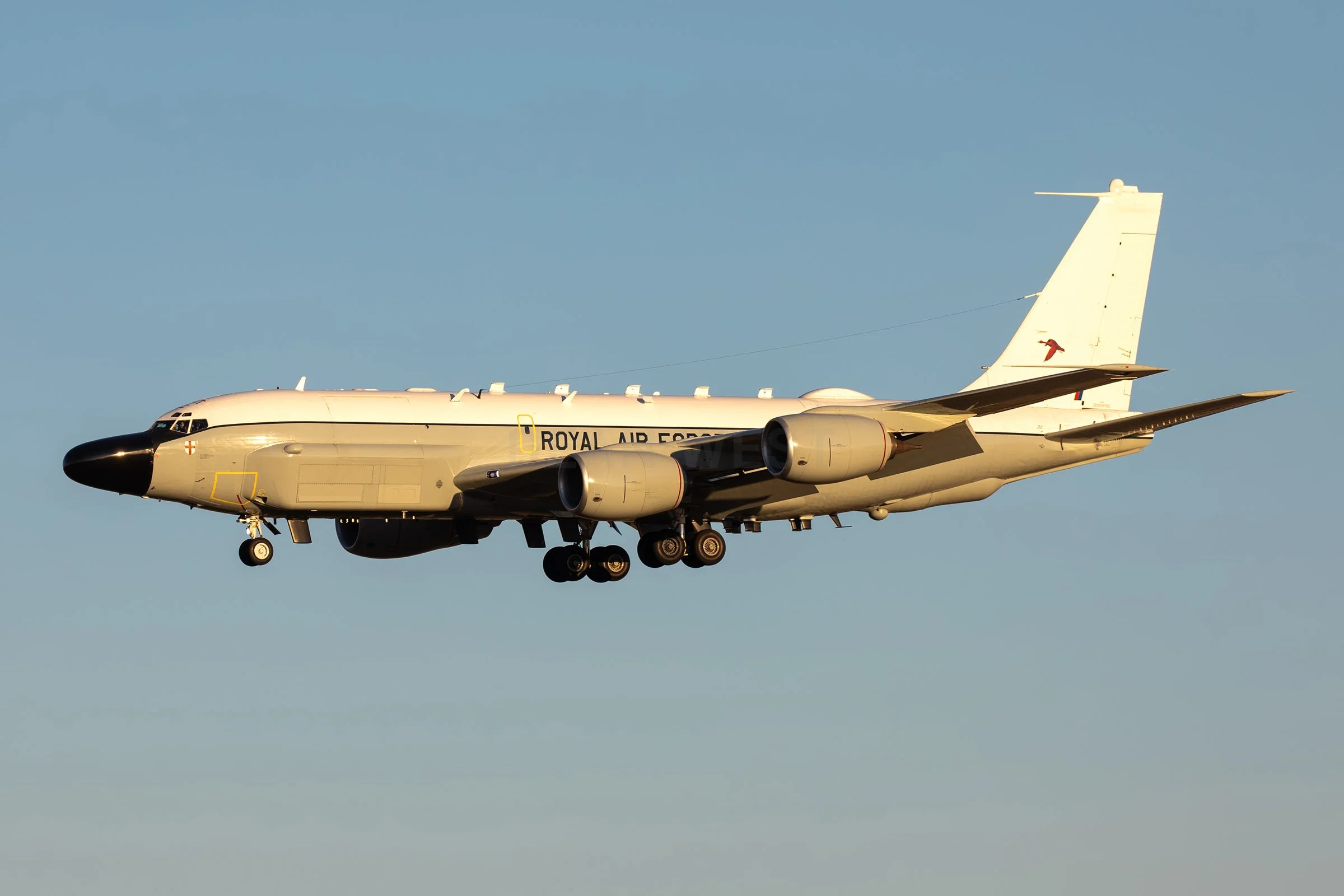
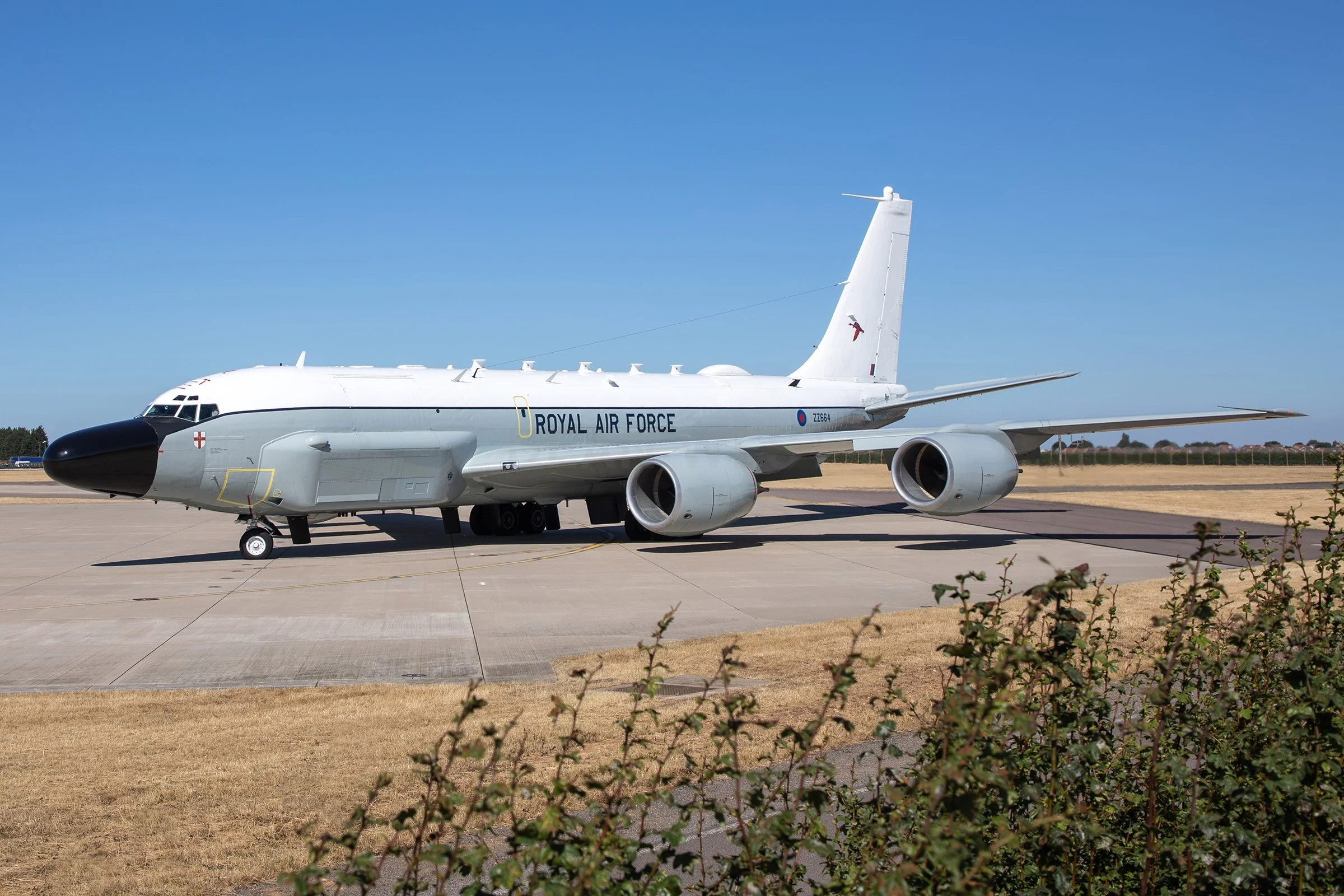
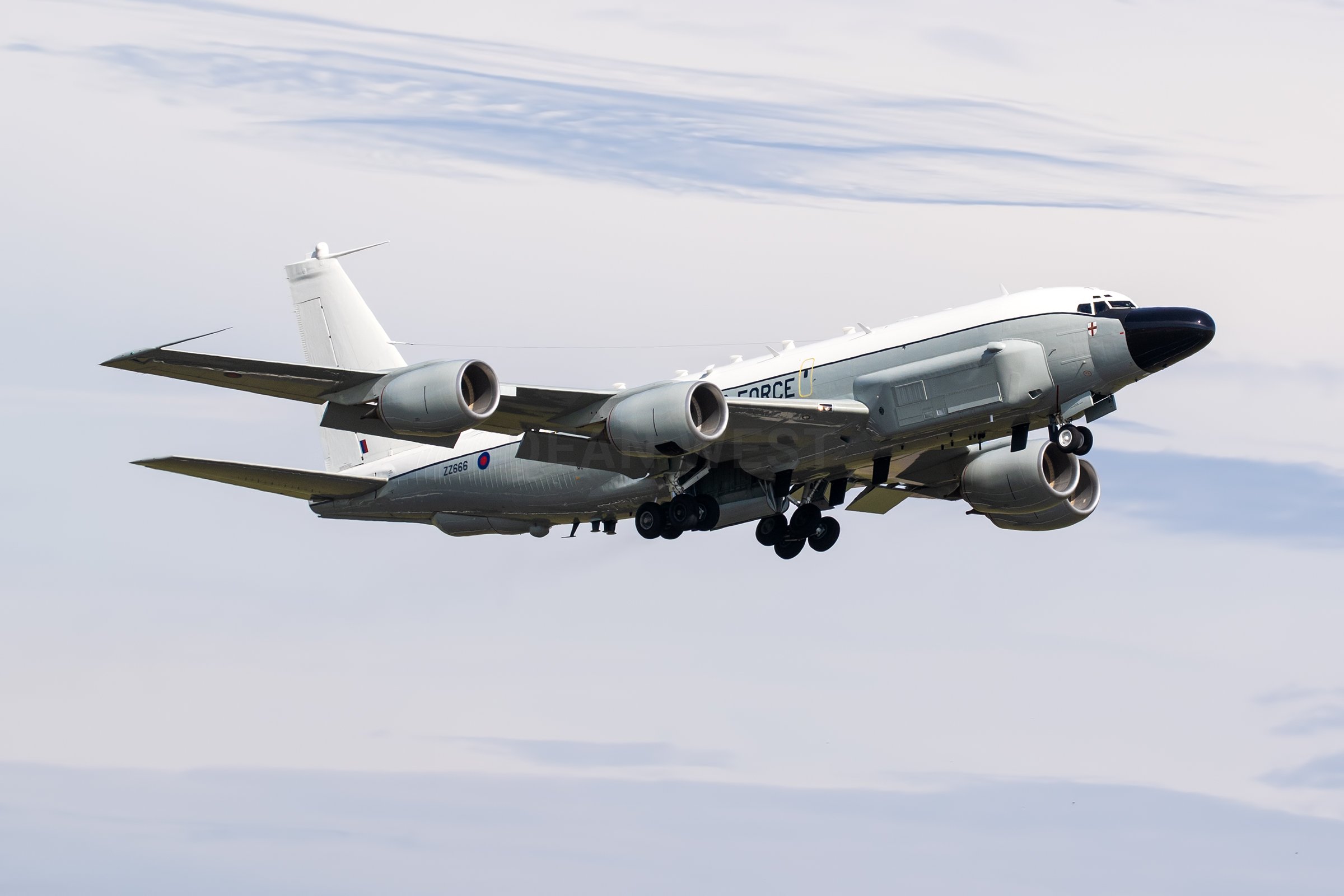
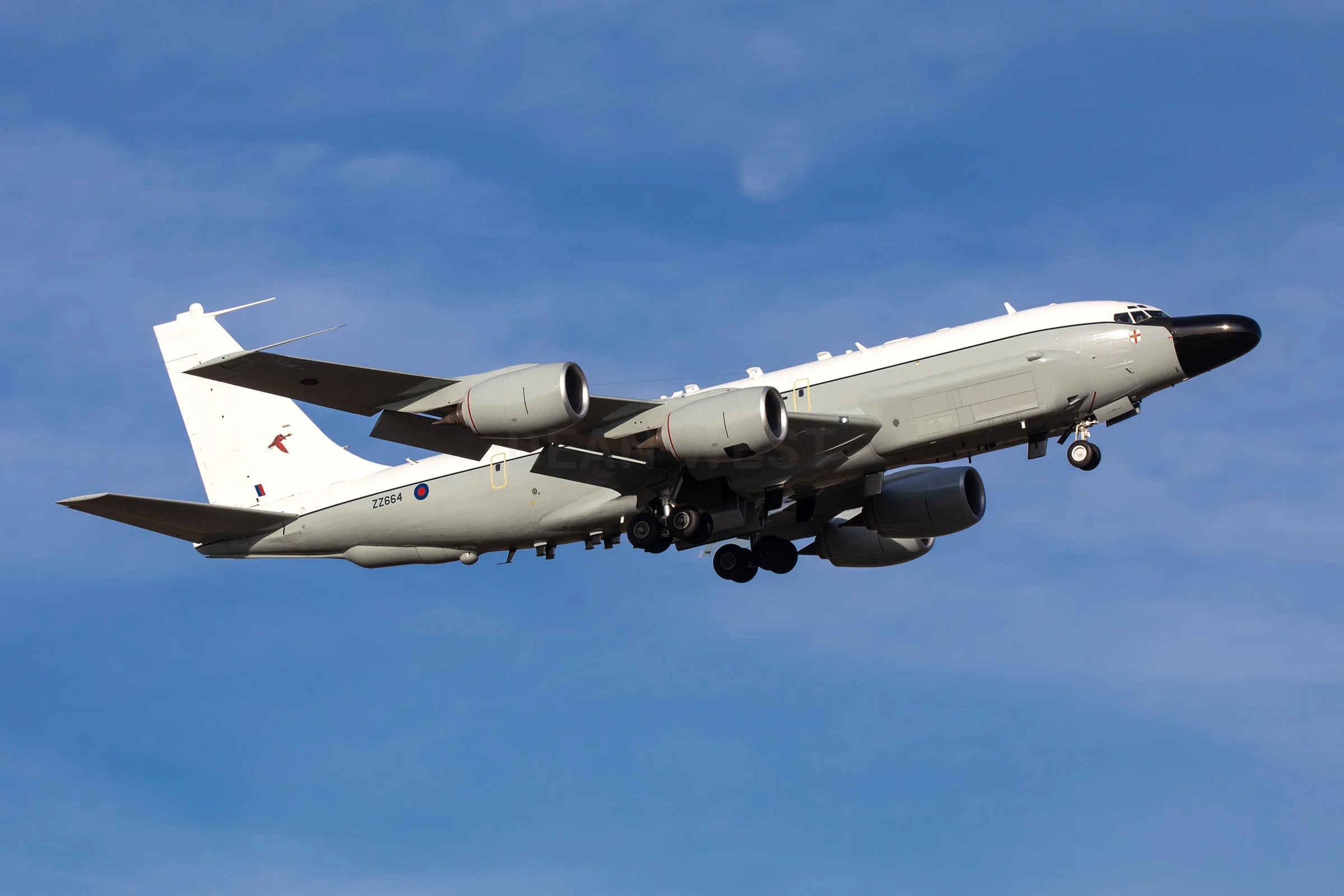
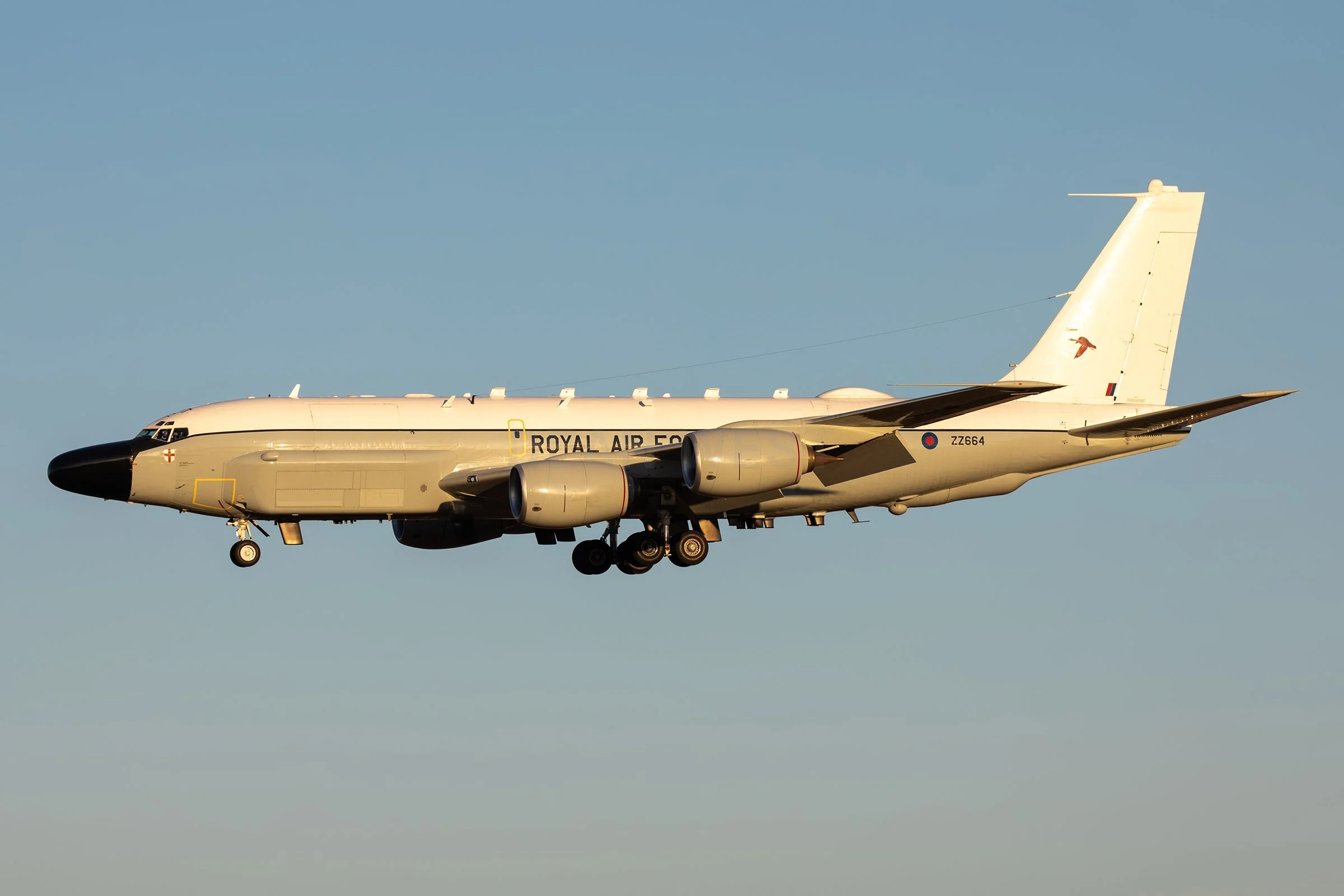
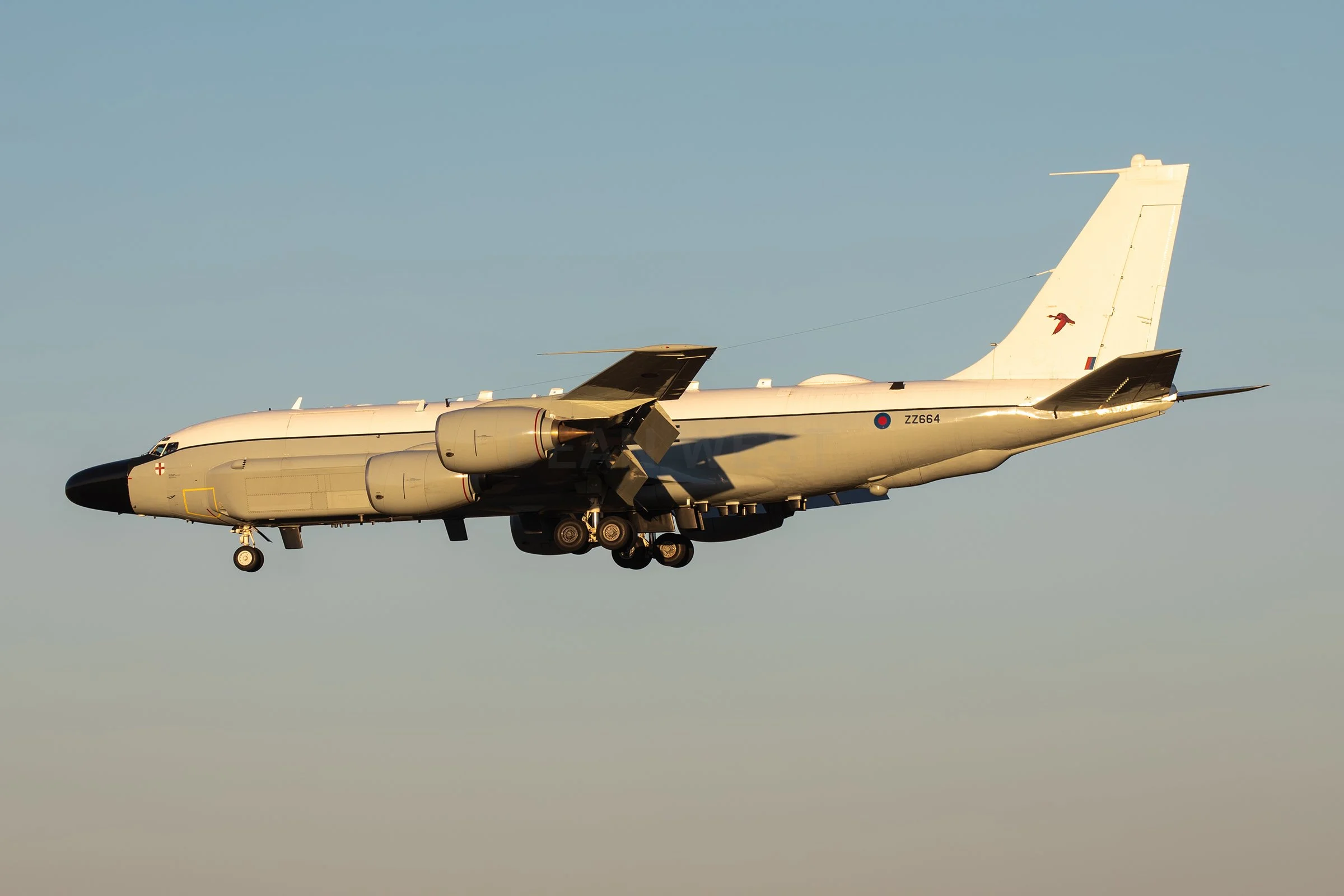
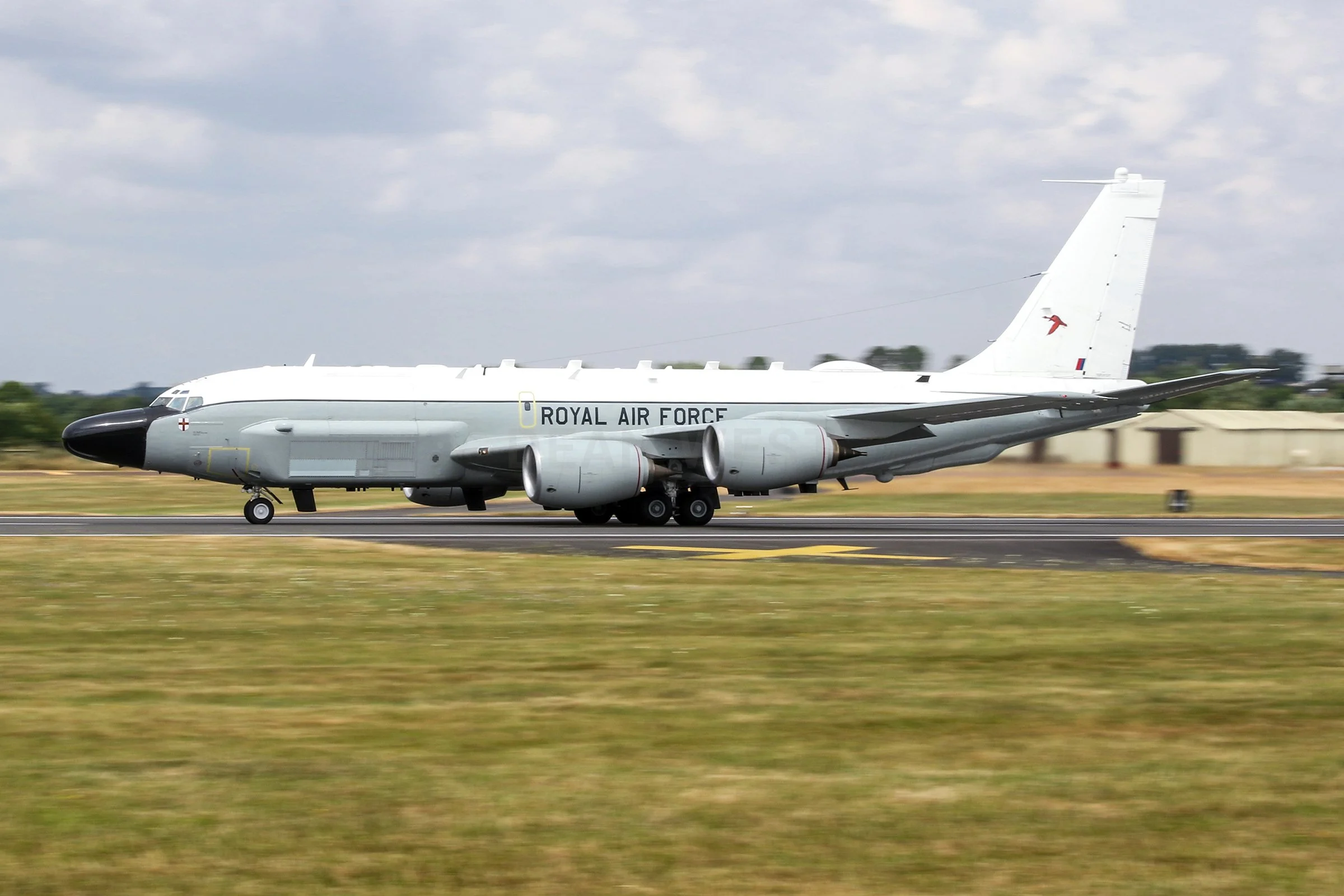
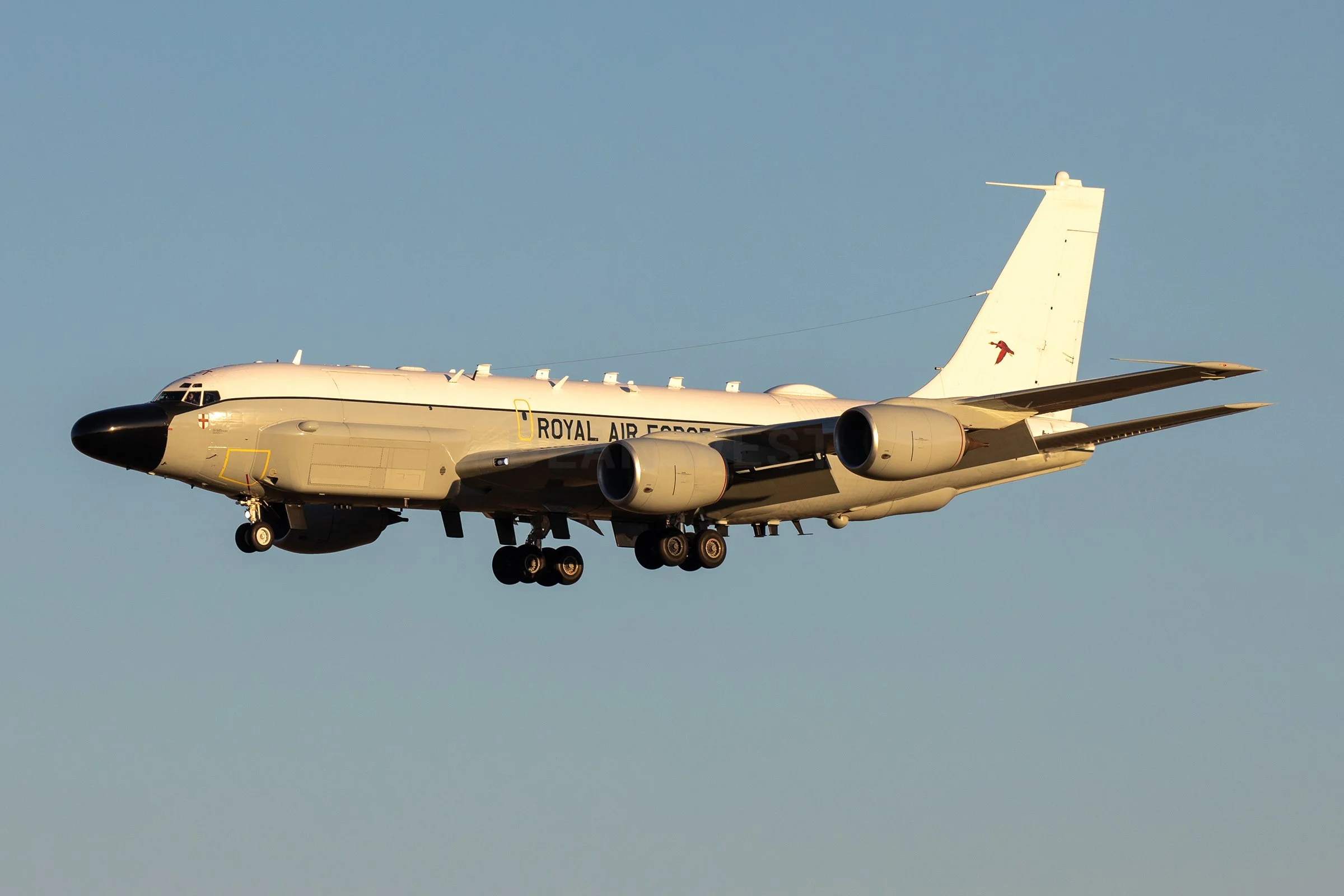
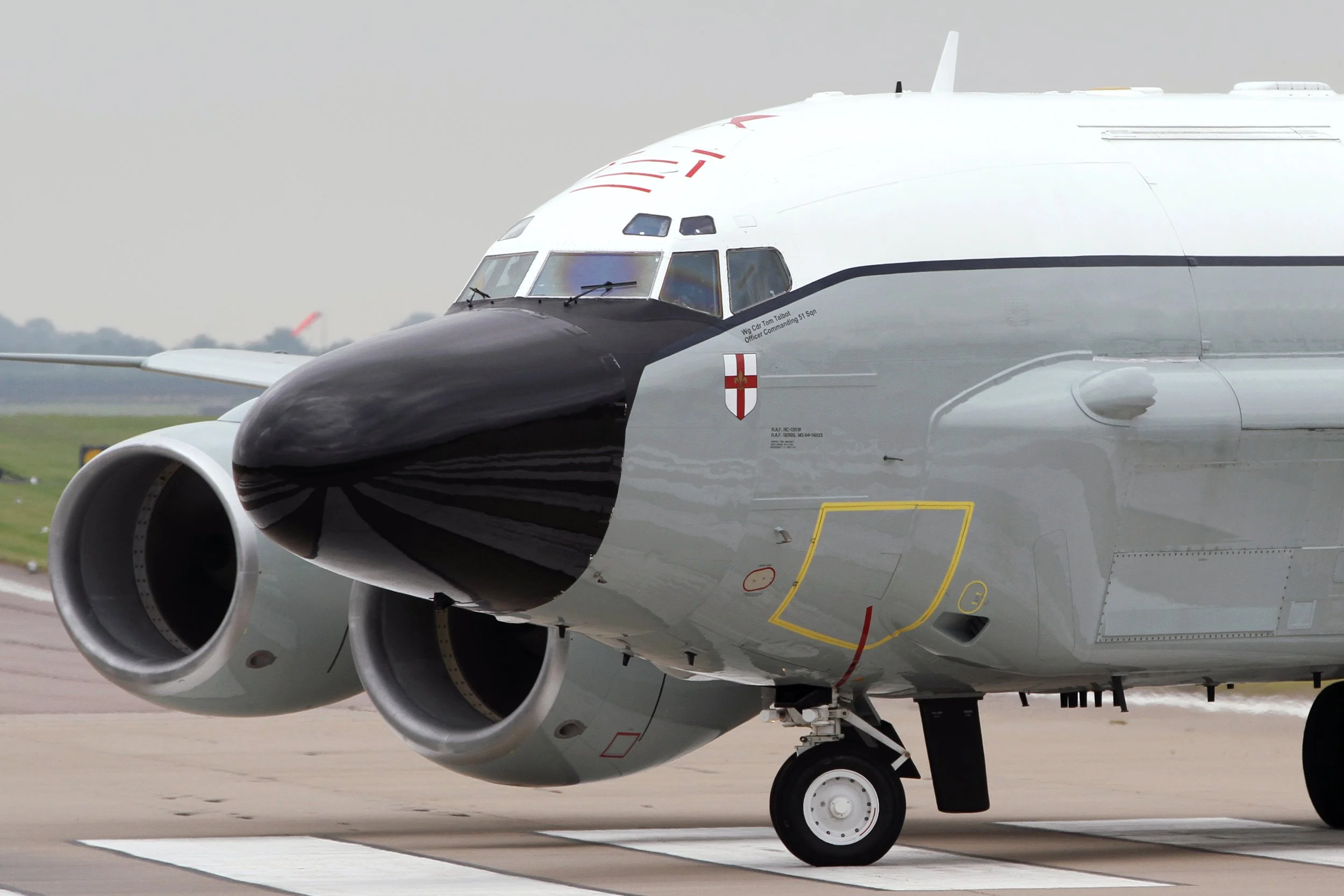
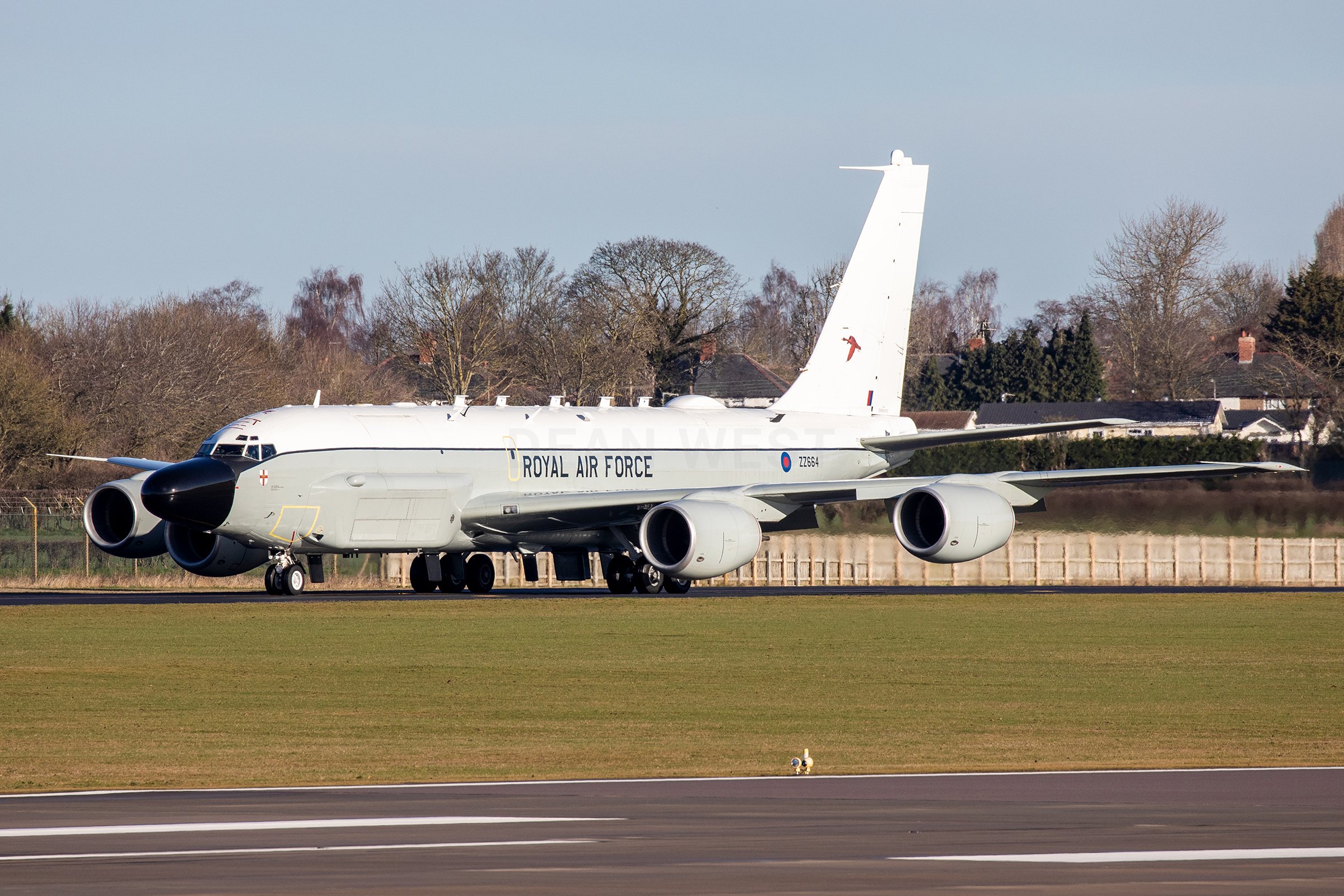
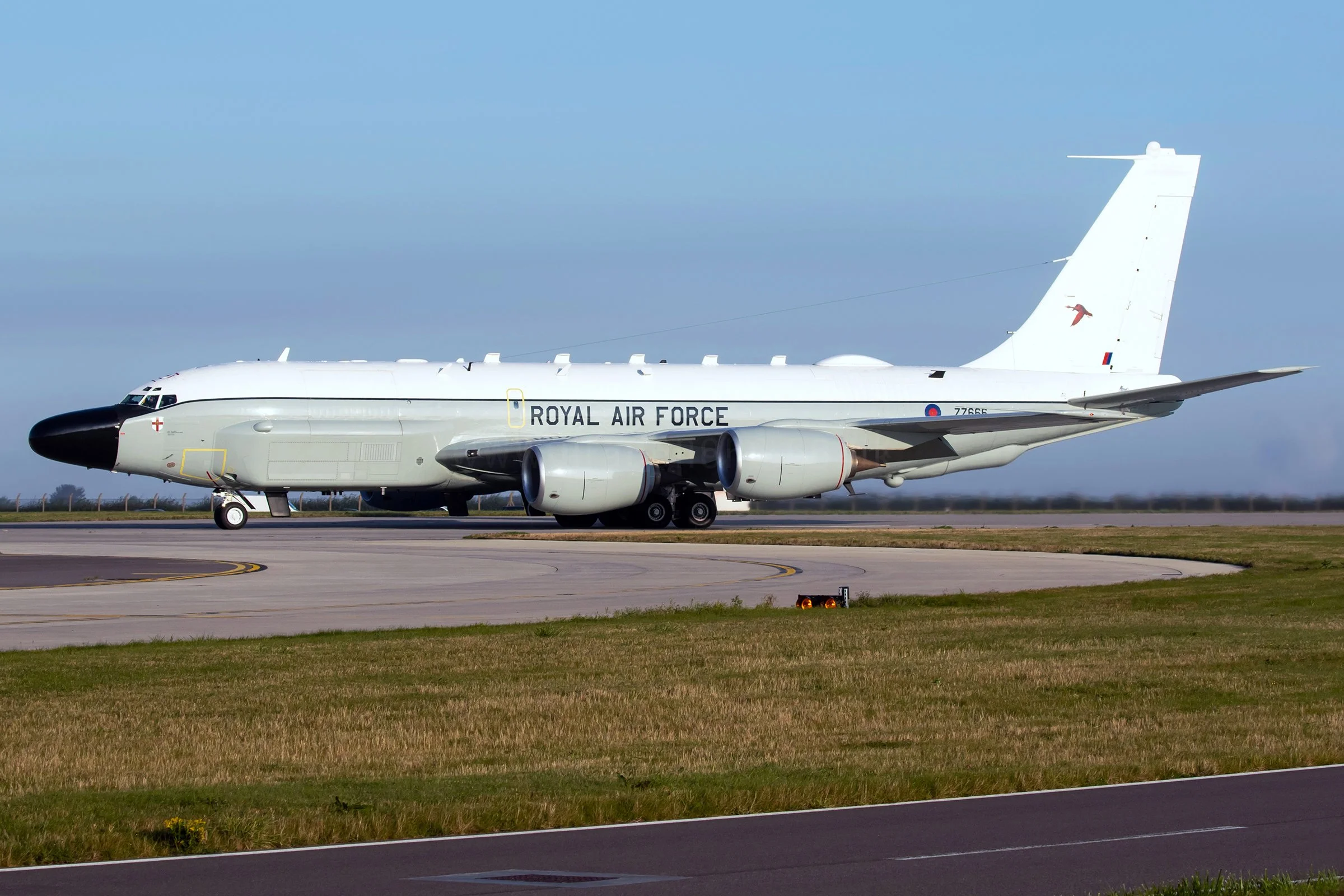
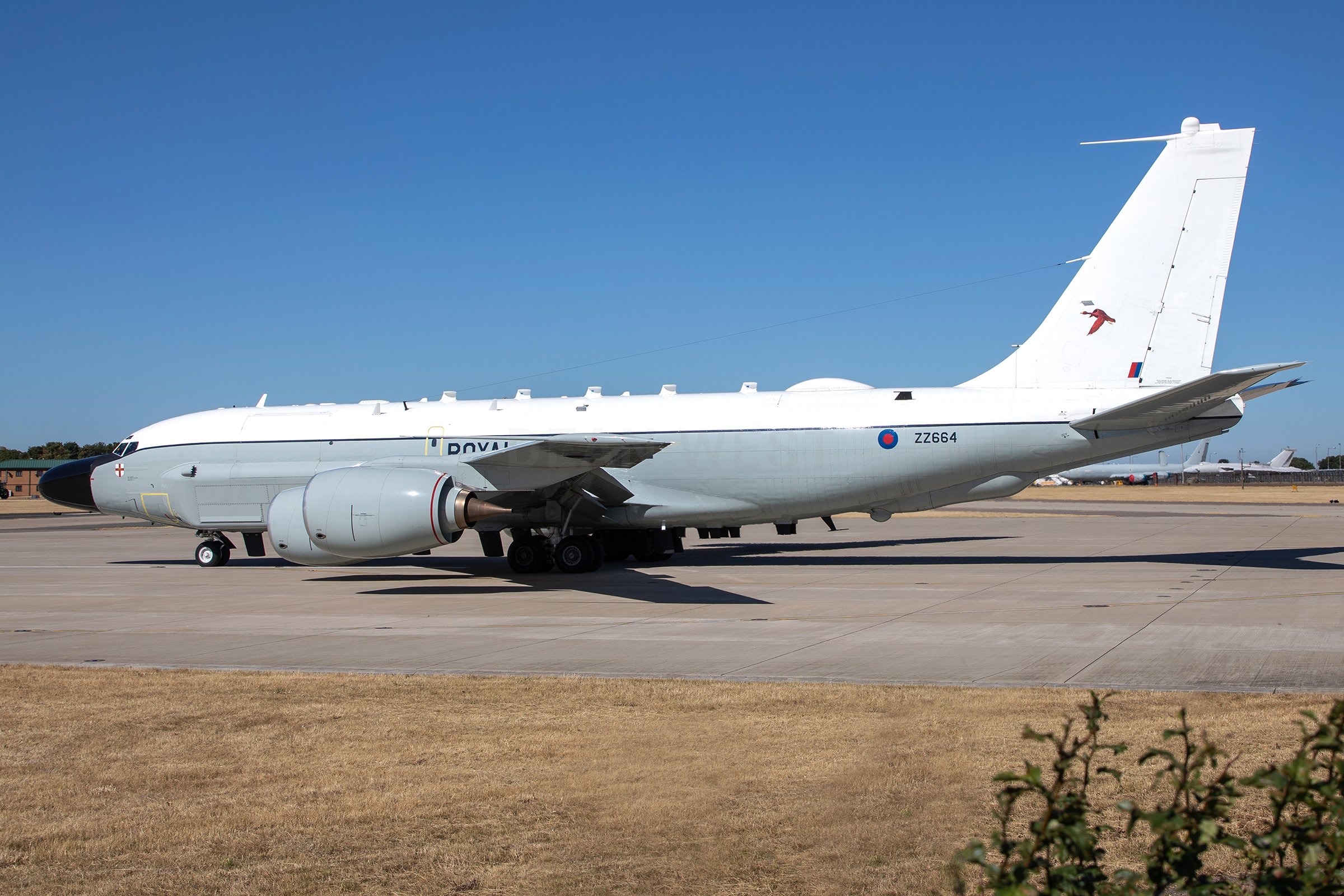
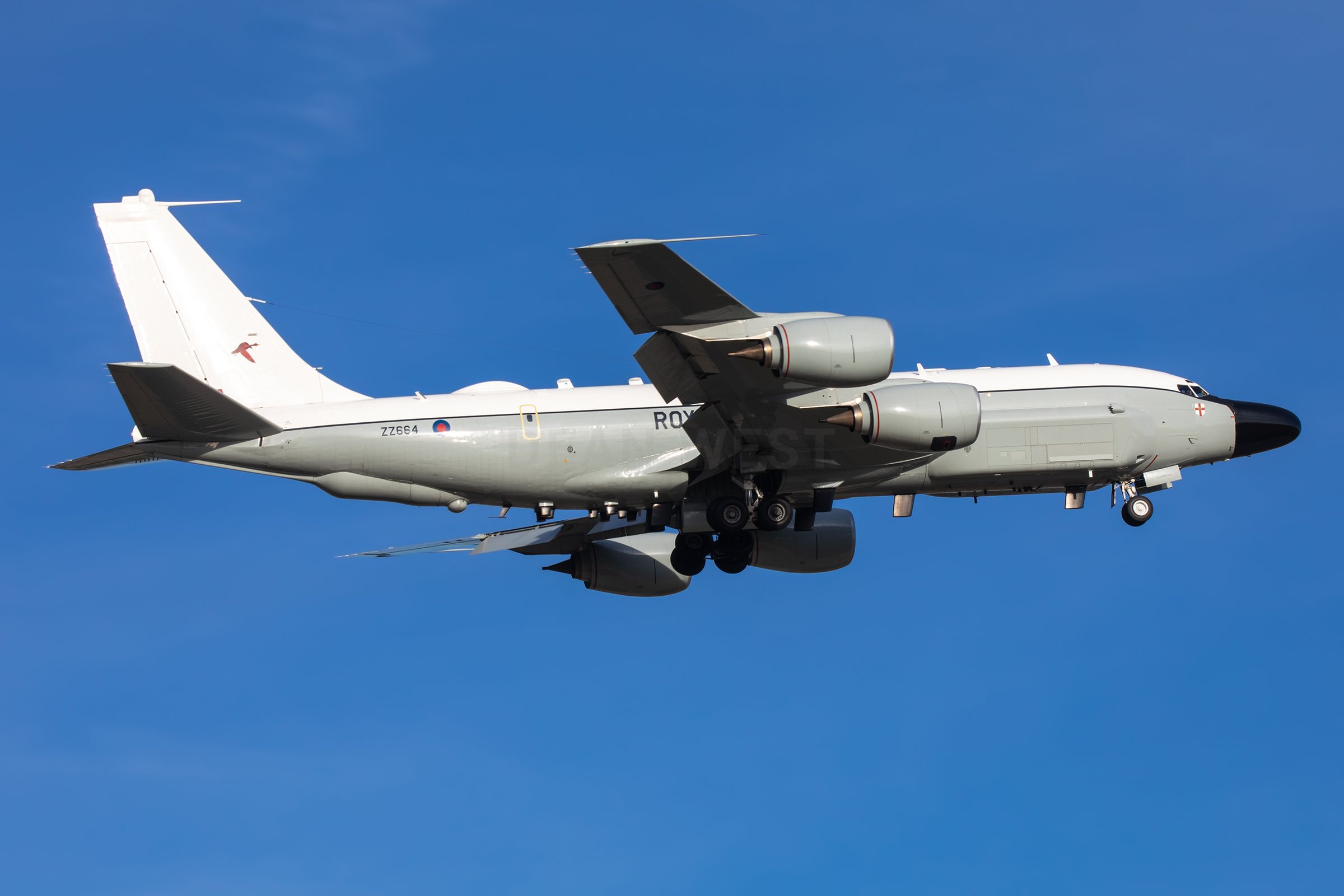
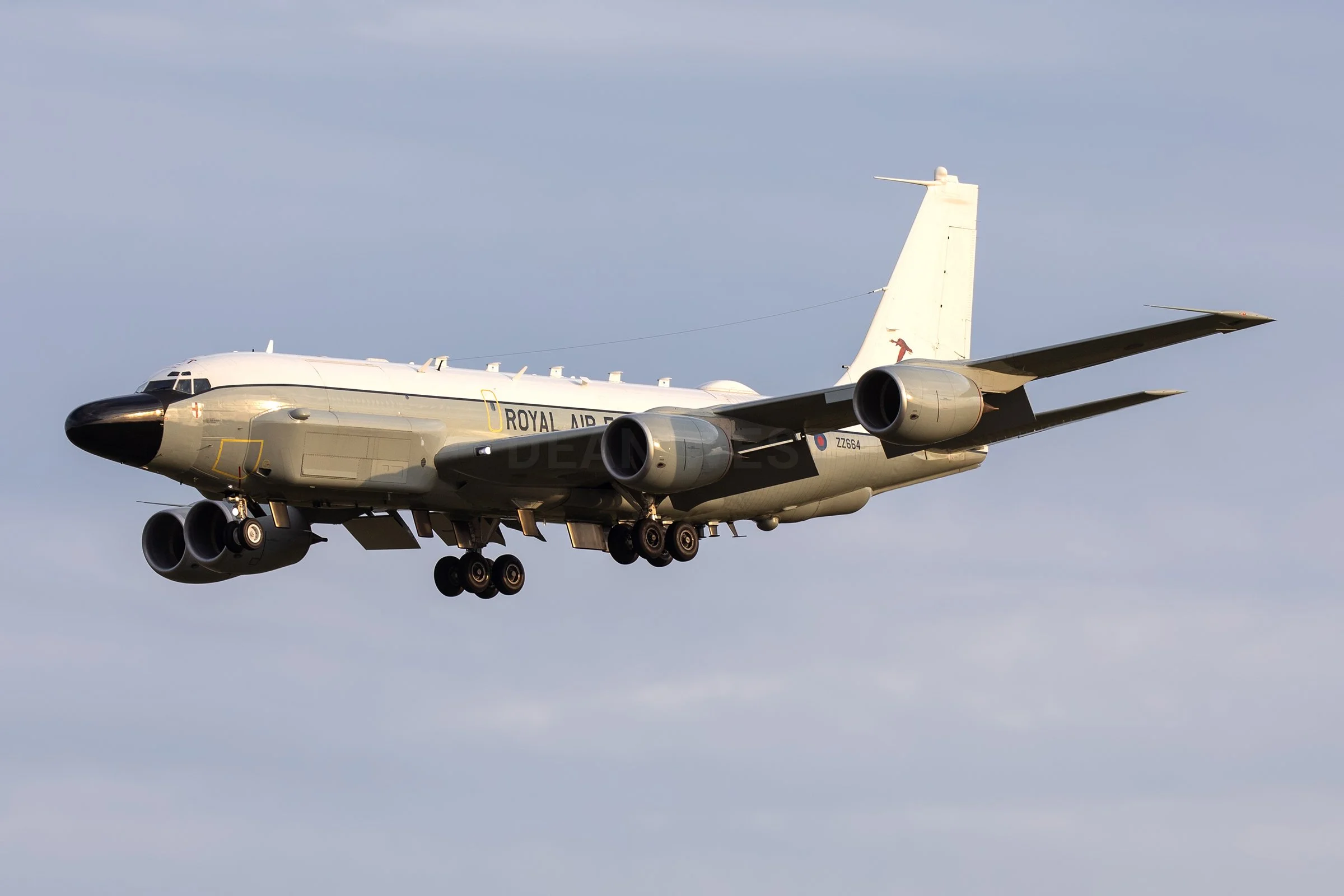
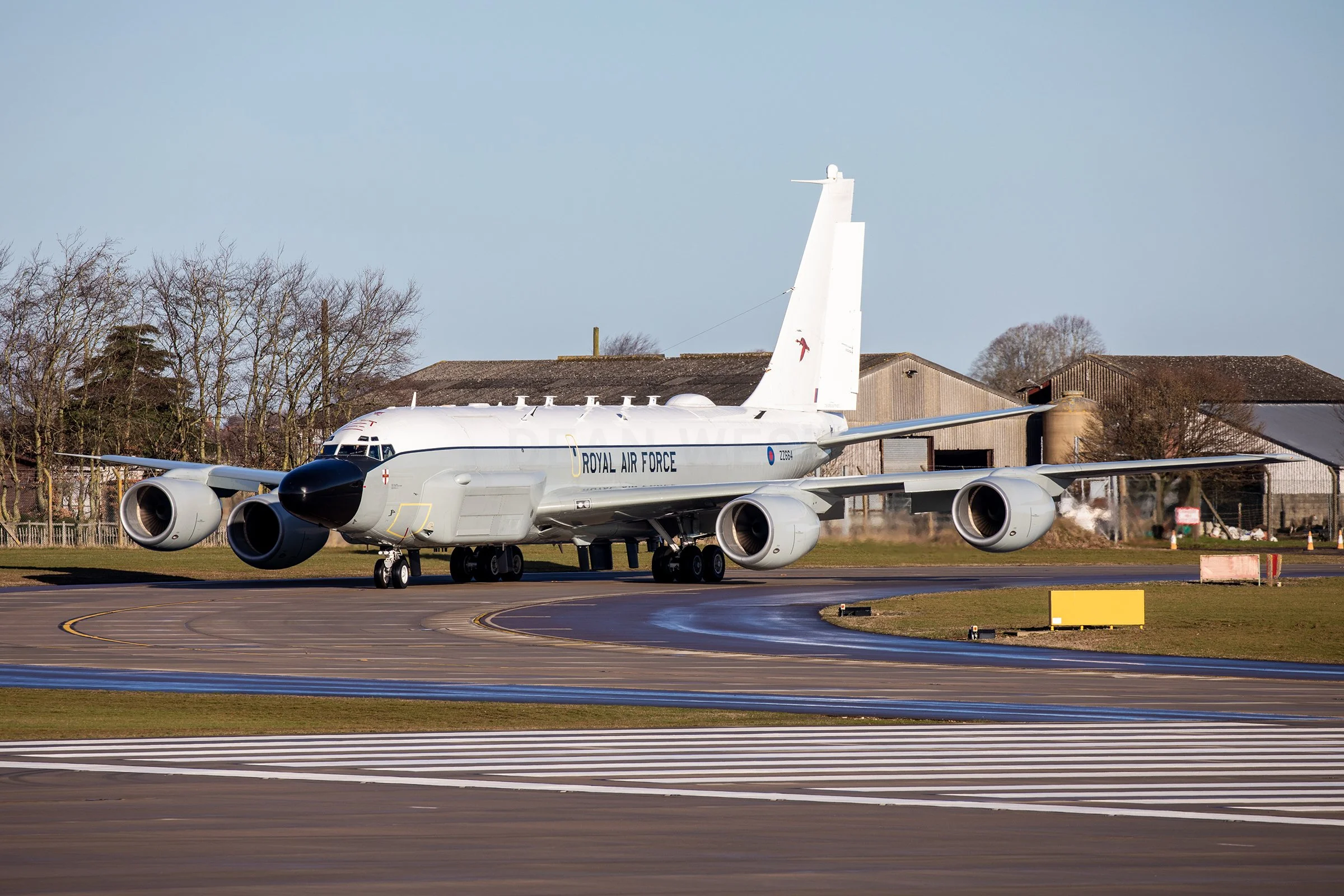
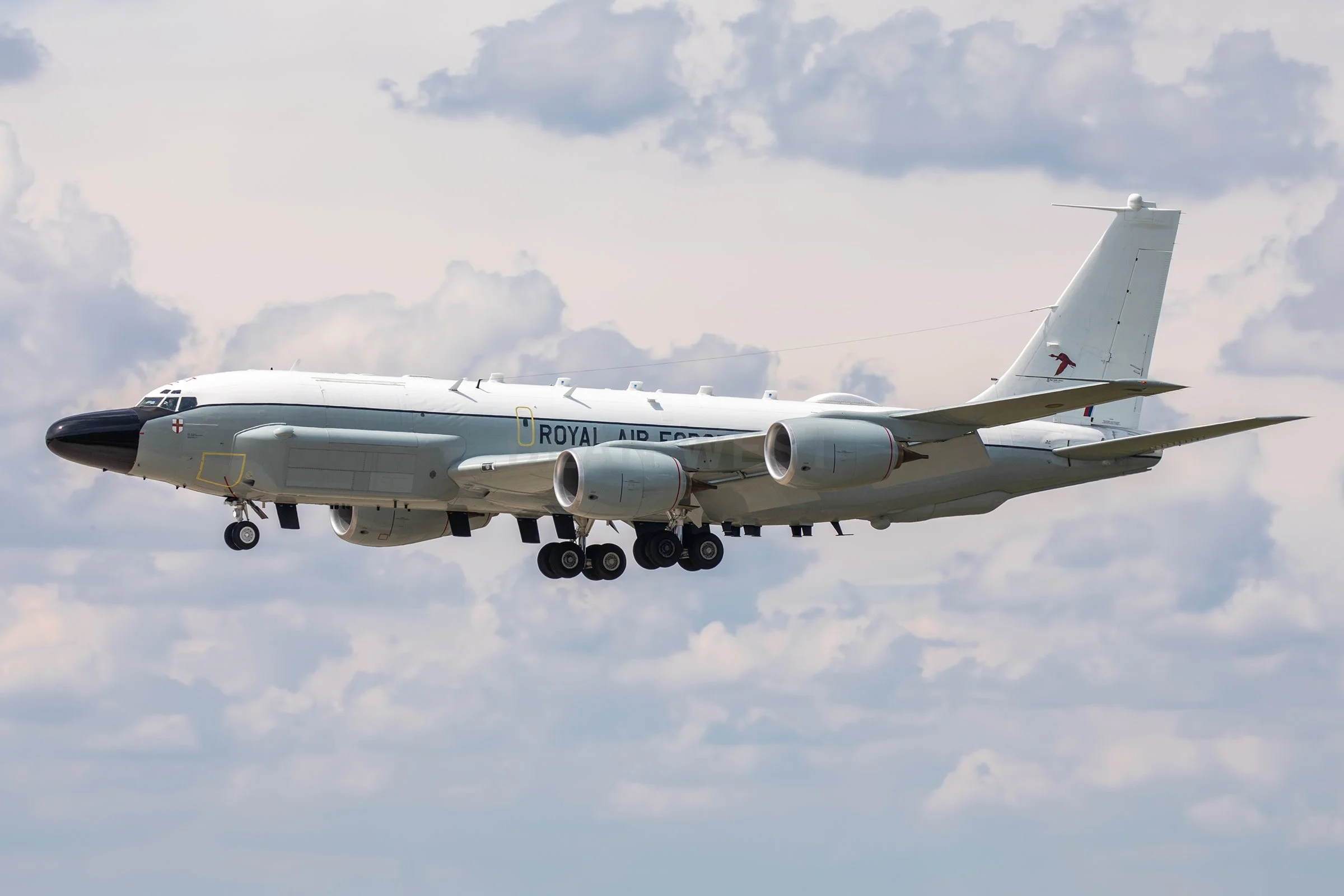
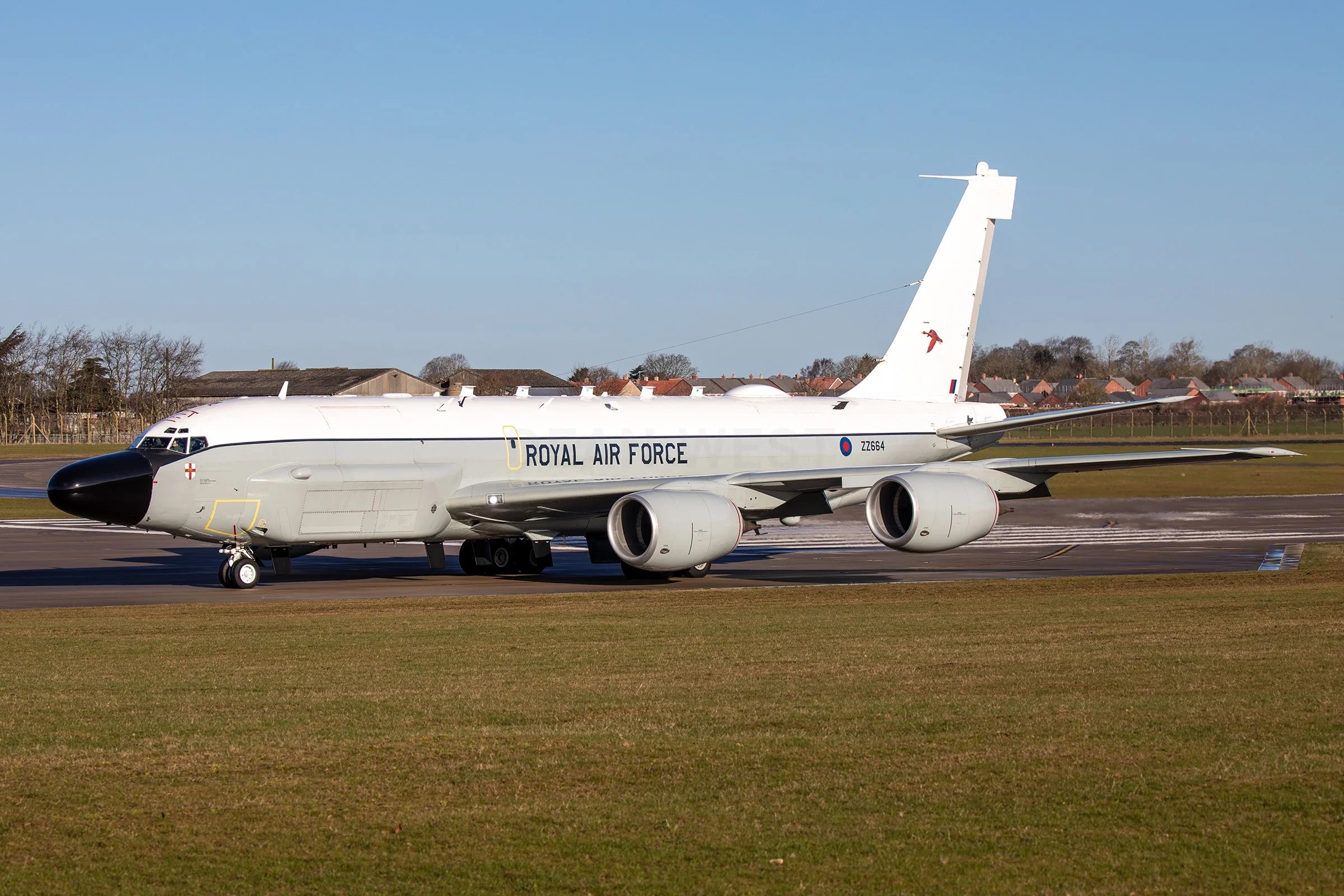
Under Project Airseeker, the RAF acquired three KC‑135Rs which were converted by L‑3 Communications in Texas to RC‑135W Rivwt Joint standard, replacing the Nimrod R1s that bowed out in 2011. The first aircraft, ZZ664, touched down at RAF Waddington on 12 November 2013, with ZZ665 and ZZ666 following in September 2015 and June 2017.
Even the serials have a story. Add up the digits from all three aircraft (6+6+4+6+6+5+6+6+6) and you get 51 — the number of the Squadron that operates them. The Nimrod R1s also mirrored this pattern with XW664, XW665 and XW666.
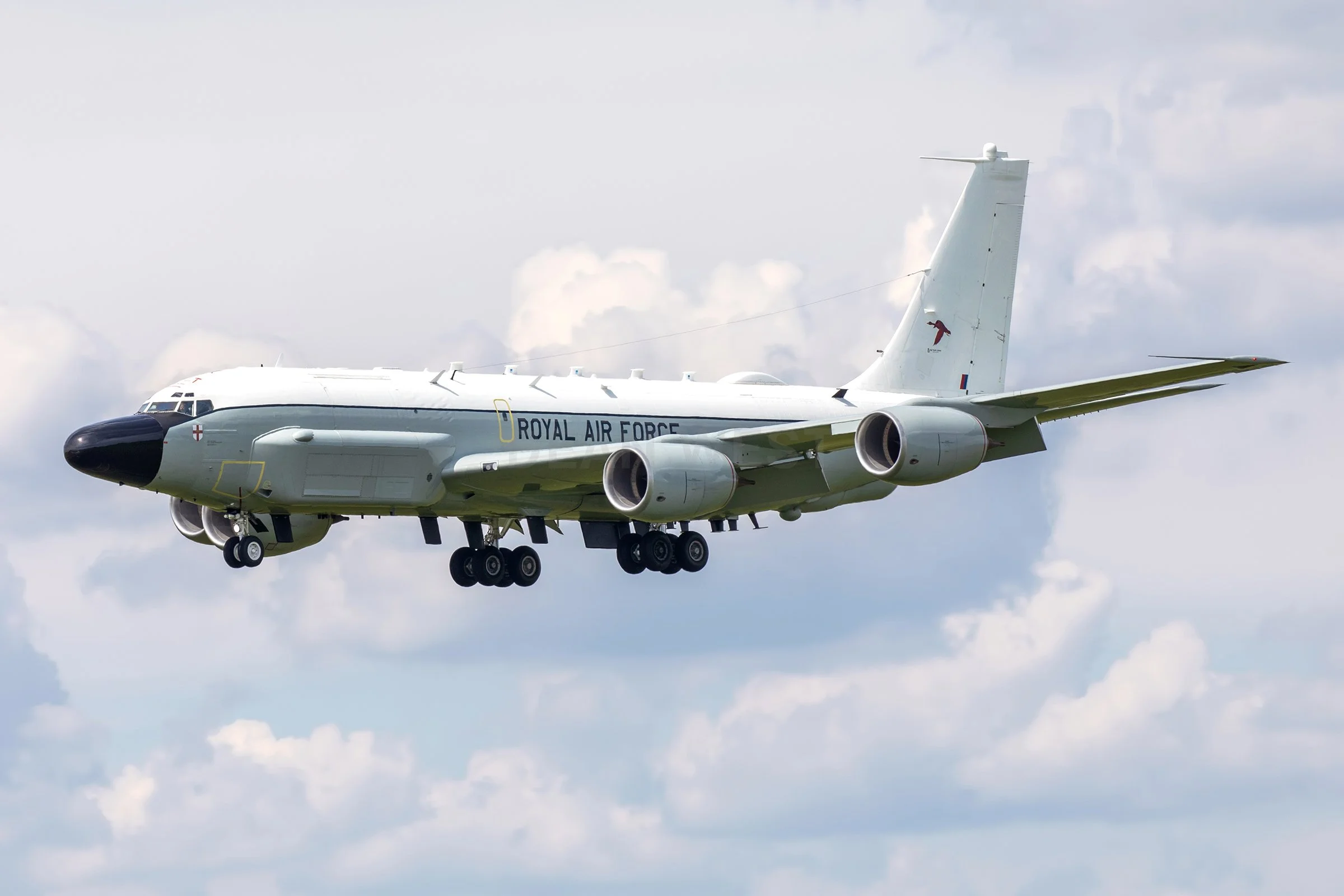
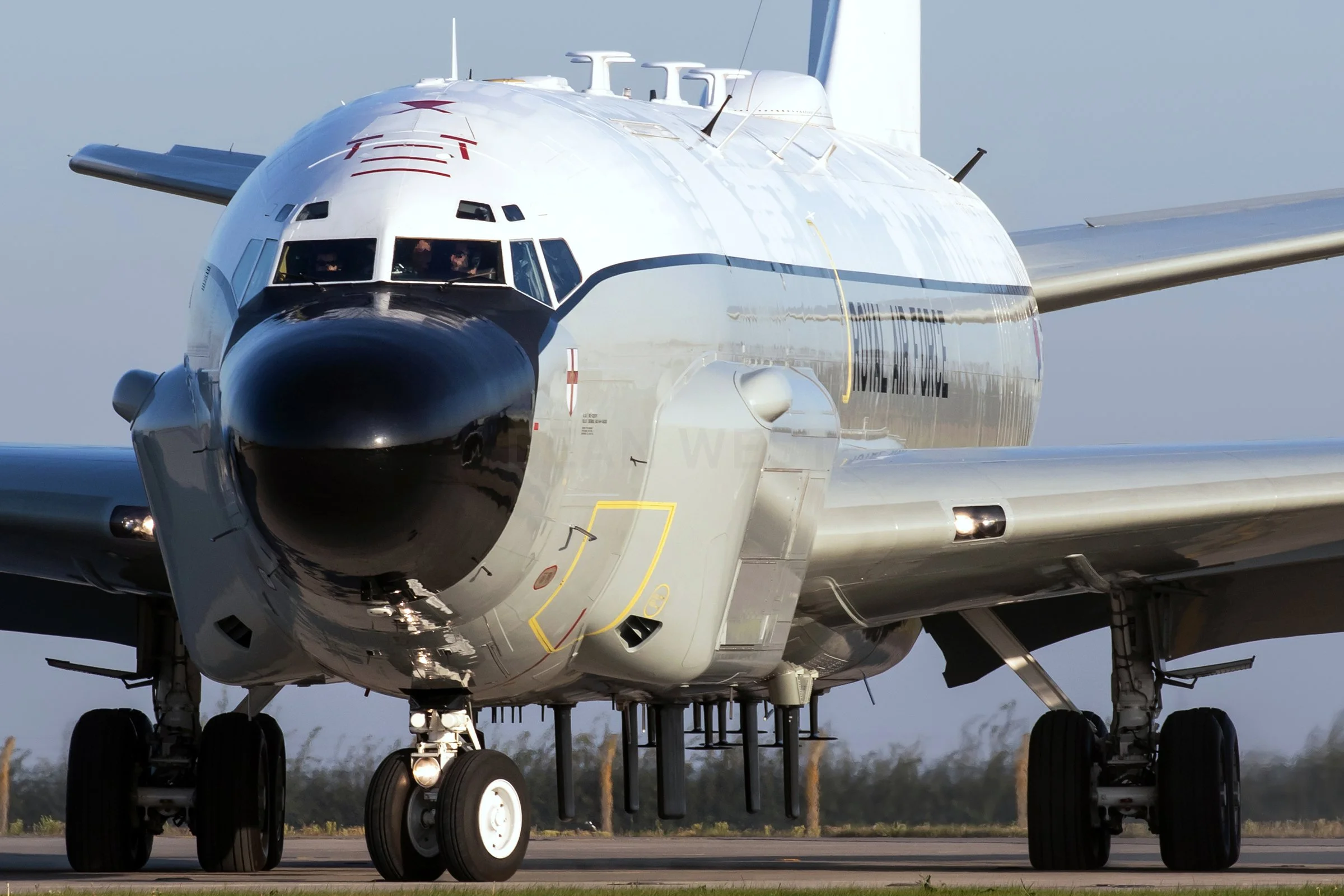
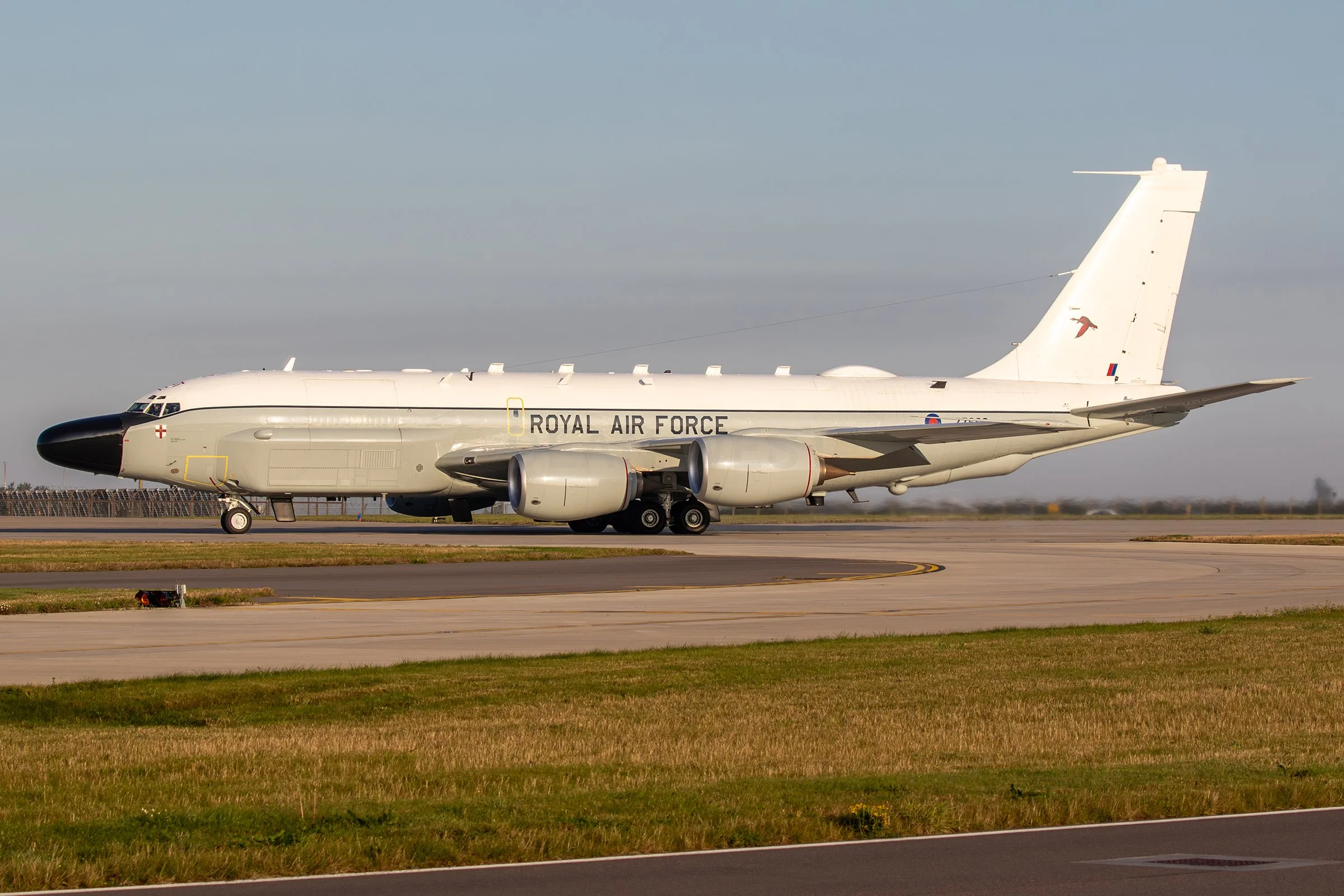
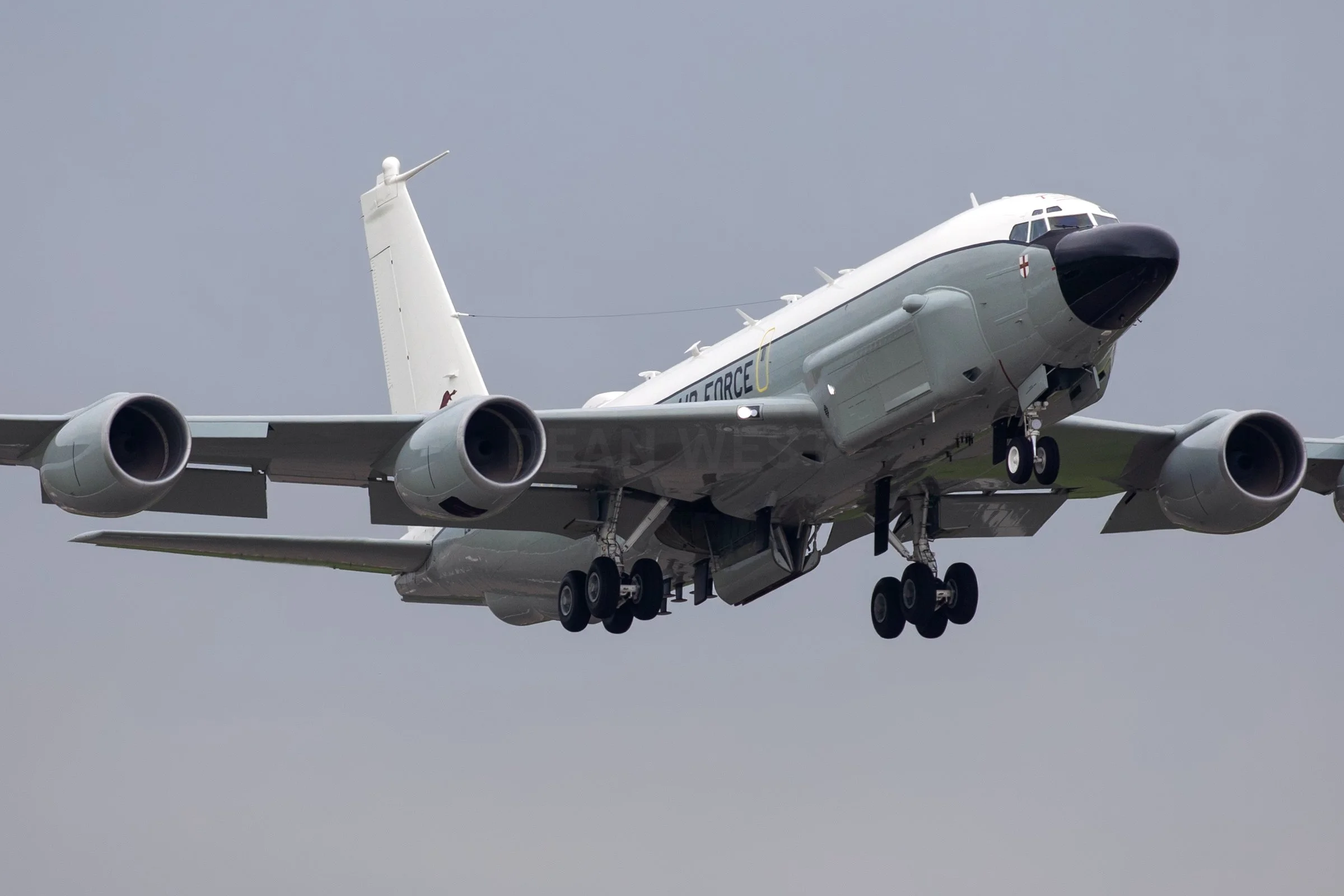
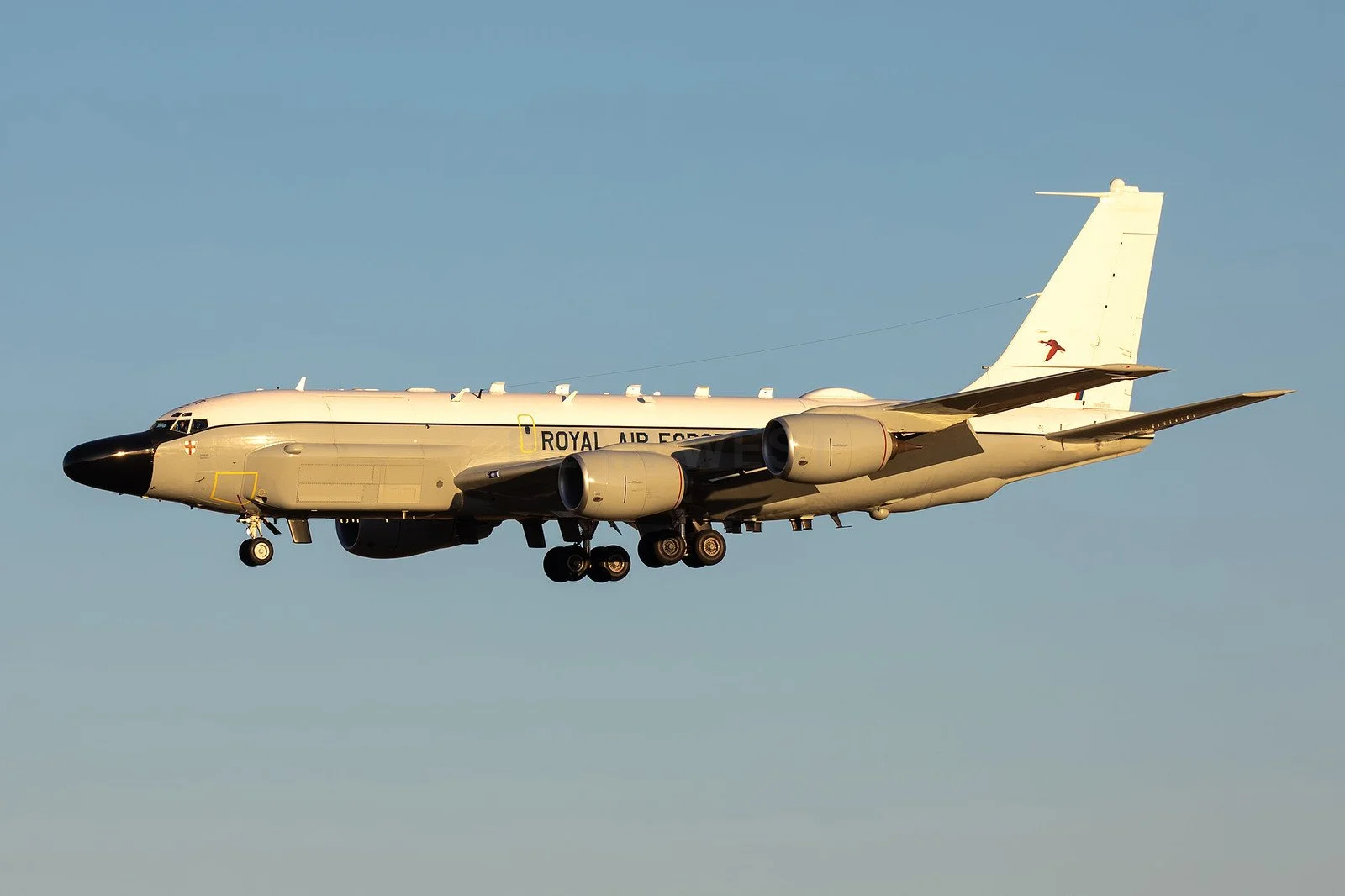
So why are the Rivet Joints so compelling? Because they stand out in a world where modern military aircraft have gradually shed their character in favour of capability. Think of how the charismatic TriStars and VC10s gave way to the competent-but-bland Voyagers, or how little colour the Poseidon MRA1 wears. The RC‑135s buck that trend entirely, proudly retaining the iconic white‑top scheme worn by their USAF counterparts since the 1970s. Painting them in a bespoke RAF scheme would have cost around £3m — money wisely saved, and a win‑win for photographers who get something far more interesting to shoot.
Then there’s the age factor. These jets are old, and that’s part of the charm. They’re the oldest aircraft in the RAF inventory, originally delivered to the USAF as tankers in 1964. Their early‑2010s conversion work reset them to zero‑hour status, but it doesn’t change the fact that these are retro, four‑engined heavies still doing frontline work.
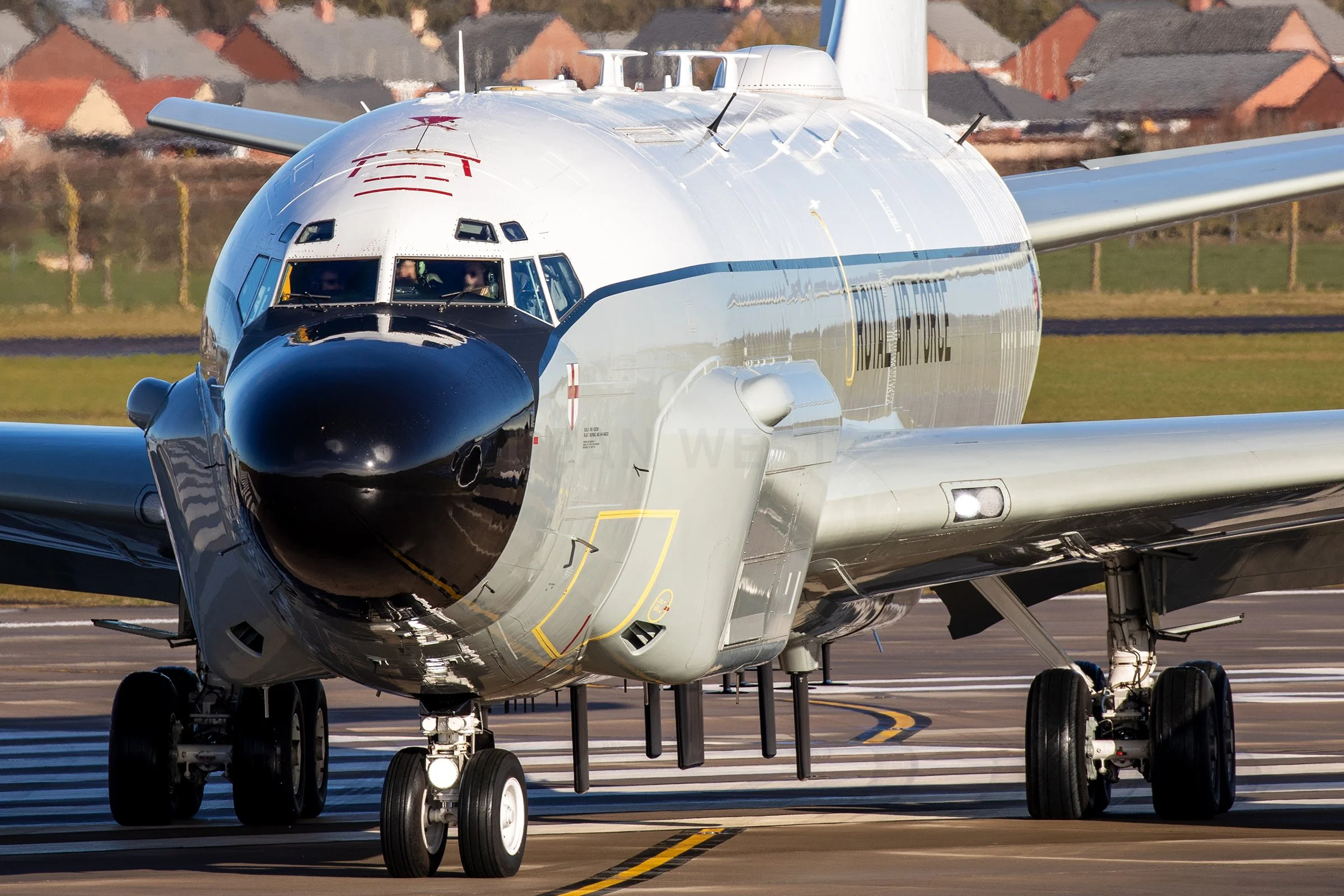
Their mission only adds to the mystique. The RC‑135W uses advanced sensors to intercept and analyse signals across the electromagnetic spectrum, feeding intelligence to ground units in real time. Often crewed by a mix of UK and US personnel, 51 Squadron’s aircraft are routinely spotted operating in geopolitical flashpoints along the Russian border — the Baltic States, the Black Sea, and beyond.
Catching one on the move is another challenge entirely. One jet is almost always in Texas undergoing continuous upgrades, leaving just two in the UK — and only one typically flies on any given day. As an aside, these continuous upgrades can change the aircraft’s appearance too; the most noticeable recent addition was the “saddlebag” antennas on the top and rear fuselage, first seen on ZZ666 in early summer 2023.
Operationally, a Waddington sortie tends to bookend the day. A Rivet Joint usually departs between 8–9am, meets a Mildenhall tanker en route, then heads east to its area of interest before returning between 5–8pm. The aircraft has excellent endurance, but Waddington’s runway isn’t long enough for a full‑fuel departure, making tanker support essential. If the Mildenhall tanker — often callsign LAGER51 — goes unserviceable, the Rivet Joint can still fly, but the mission will be shorter and typically sees the jet home by mid‑afternoon.
For photographers, those timings can be a blessing or a curse. In summer, you can catch the departure and return with enough daylight for a whole day at Coningsby or Cranwell in between. In winter, though, the jet can depart and arrive in darkness — a painful twist of fate on the rare days when the winter light is perfect. But then again, where’s the fun in military aviation if it’s too easy?