Korean Phantom Farewell
Picture this: you book a once‑in‑a‑lifetime spotting trip to the Republic of Korea to chase Phantoms and F‑5s in the twilight of their careers, only to land in Seoul and learn that a KF‑16 Fighting Falcon has crashed — and every fast jet in the Republic of Korea Air Force inventory is grounded.
Fortunately, the pilot ejected safely, so we didn’t feel too guilty when our first reaction was panic that the trip might be a write‑off. With the jets grounded, the opening days were spent at the RoKAF base at Seongnam, as well as the US air bases at Osan and Camp Humphreys. The unexpected highlight from those early outings was catching one of the last remaining Korean HS748s.
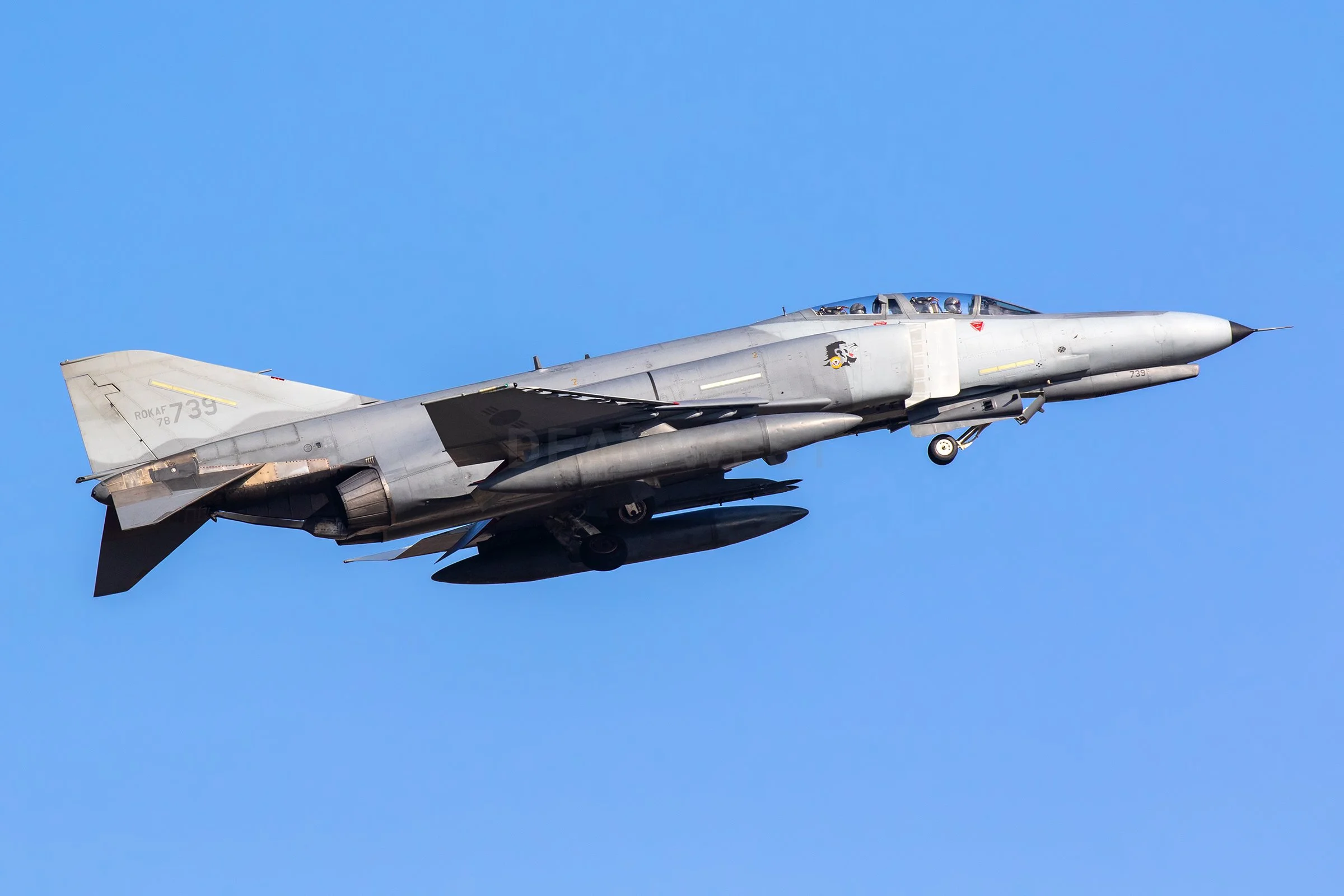
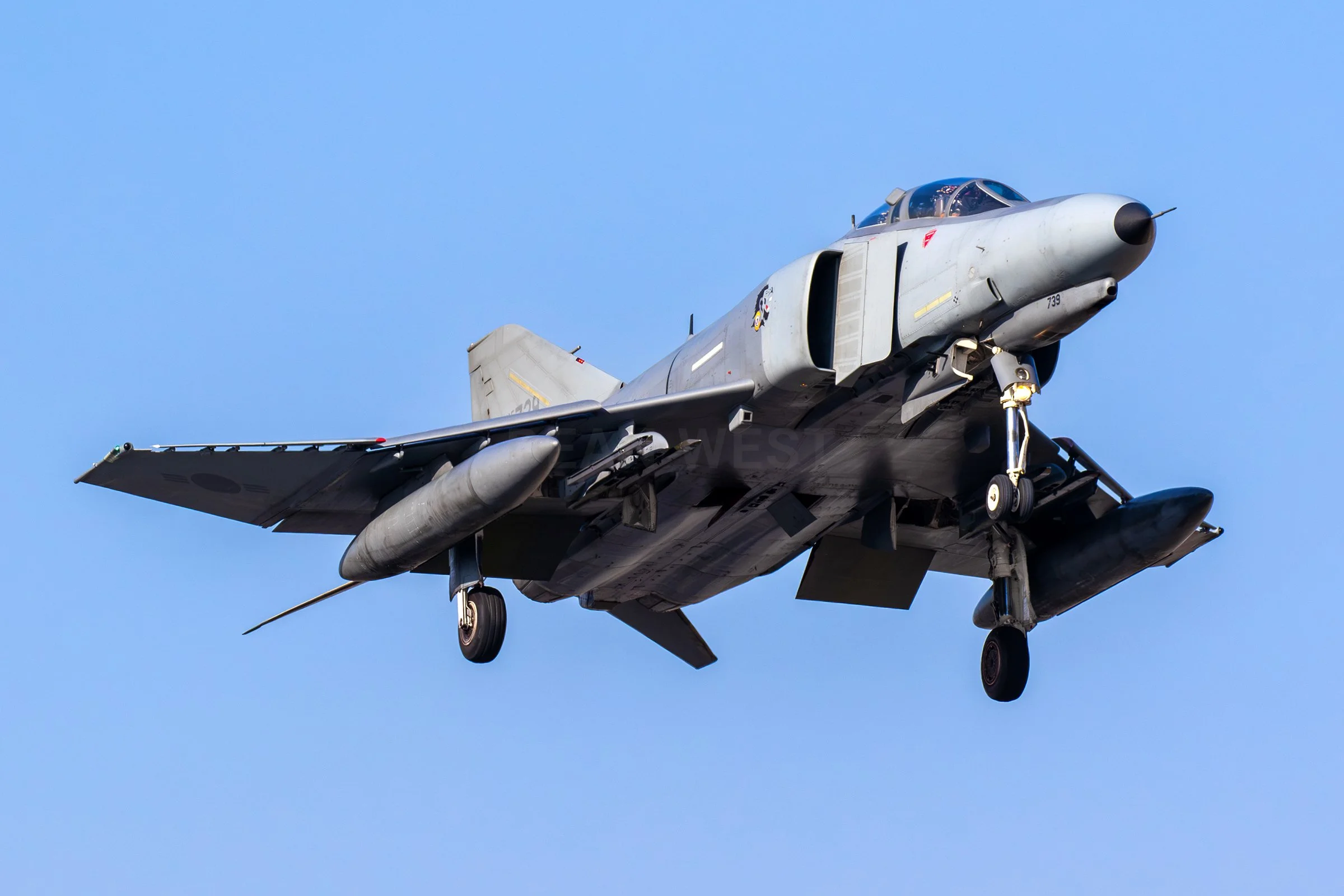
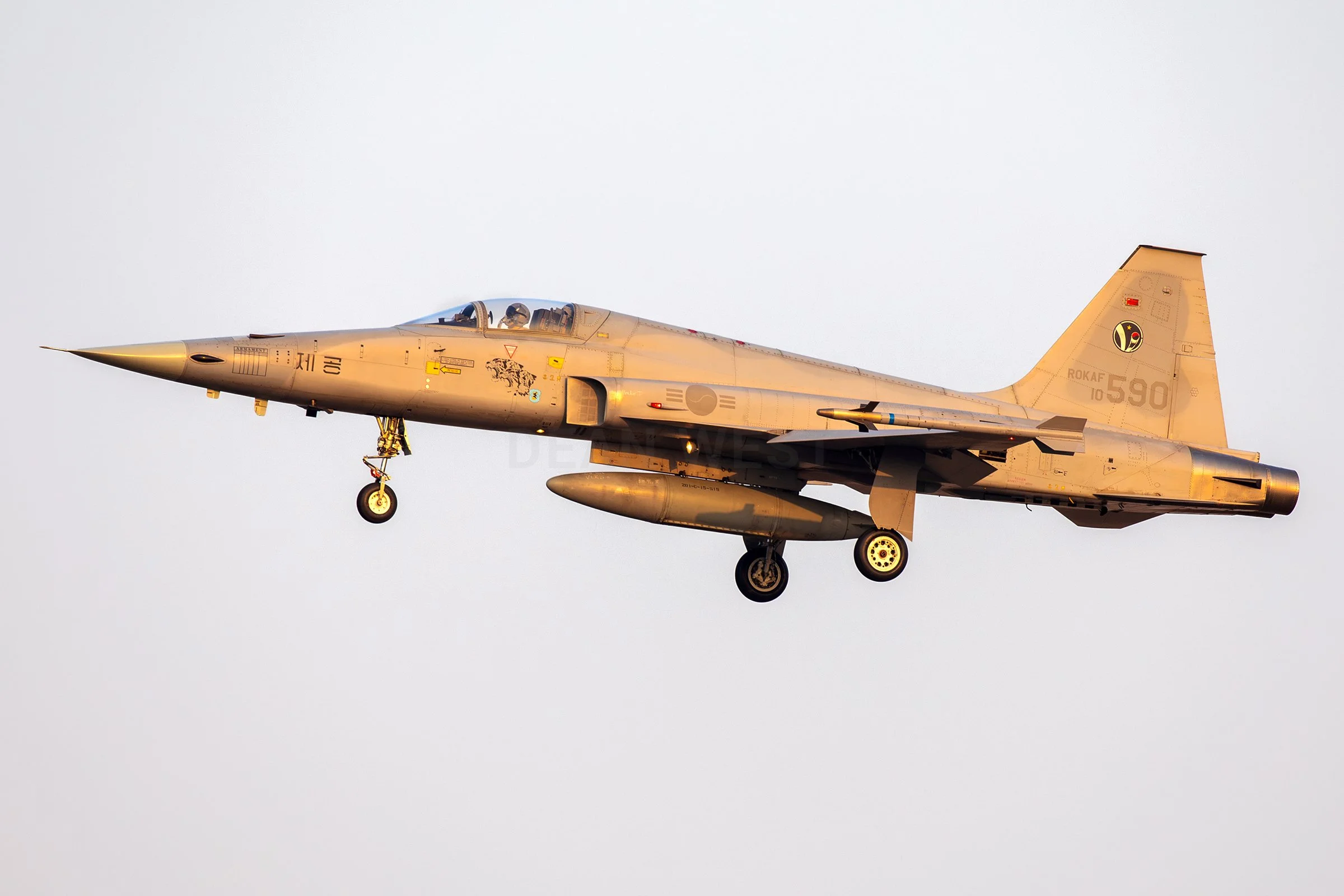
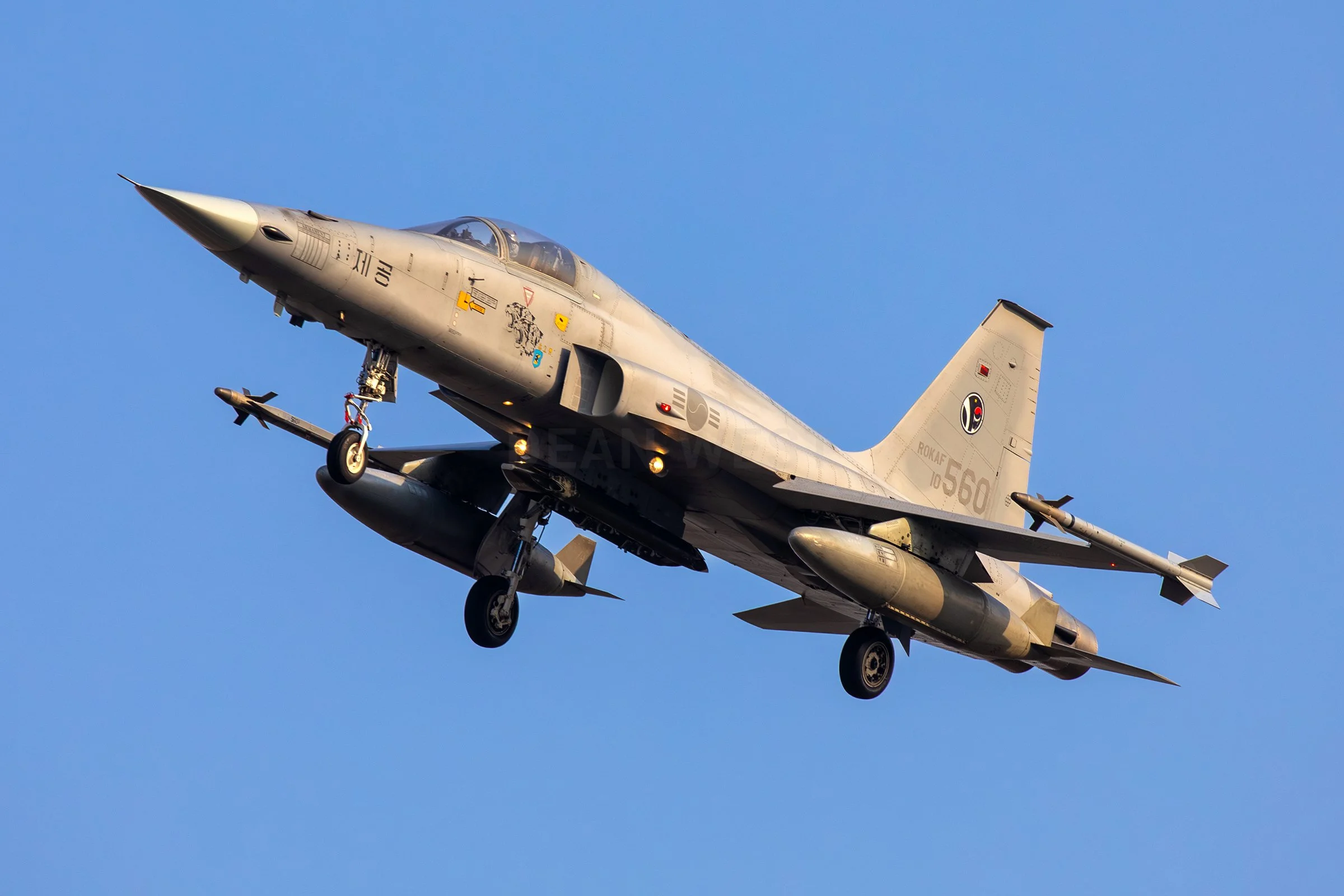
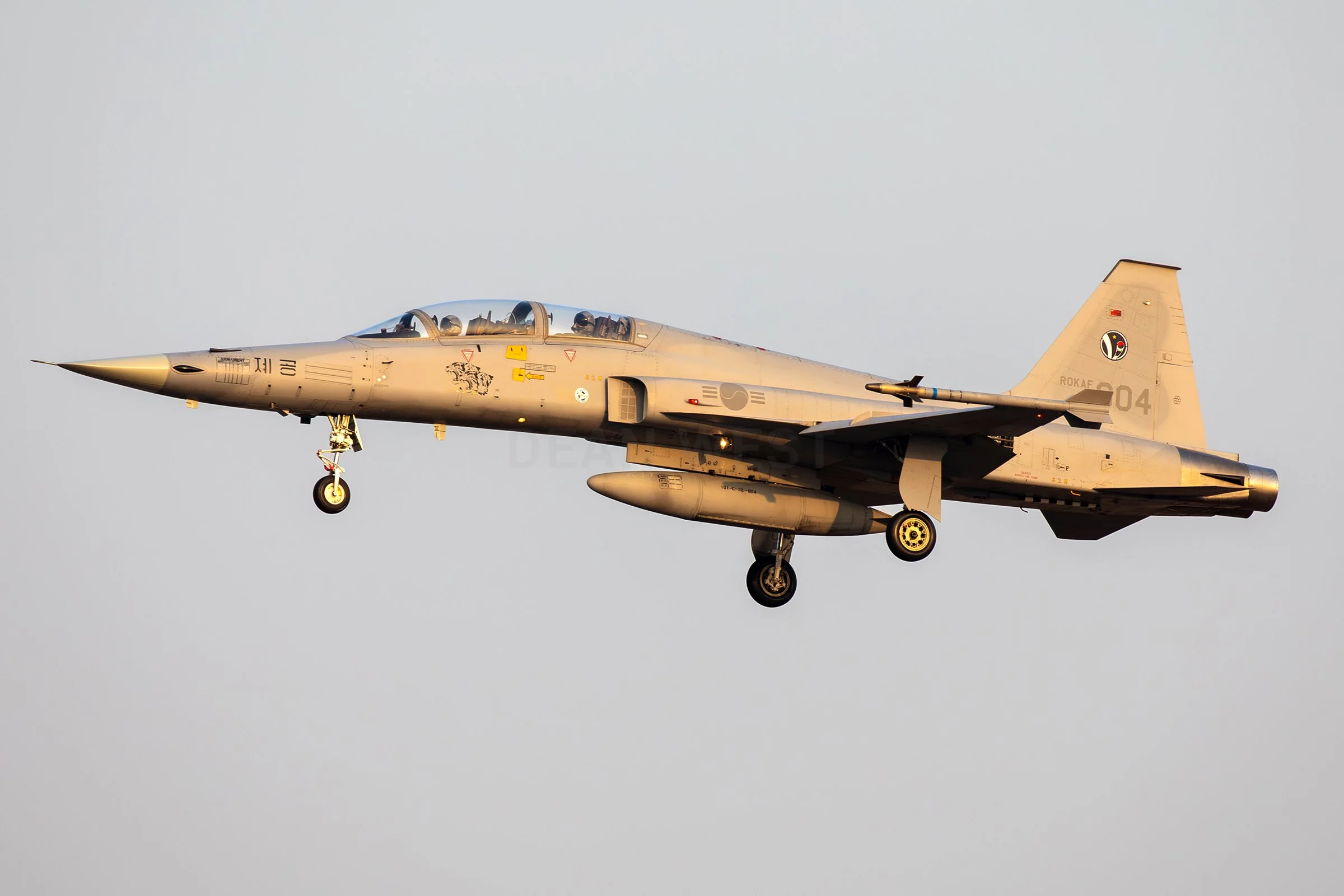
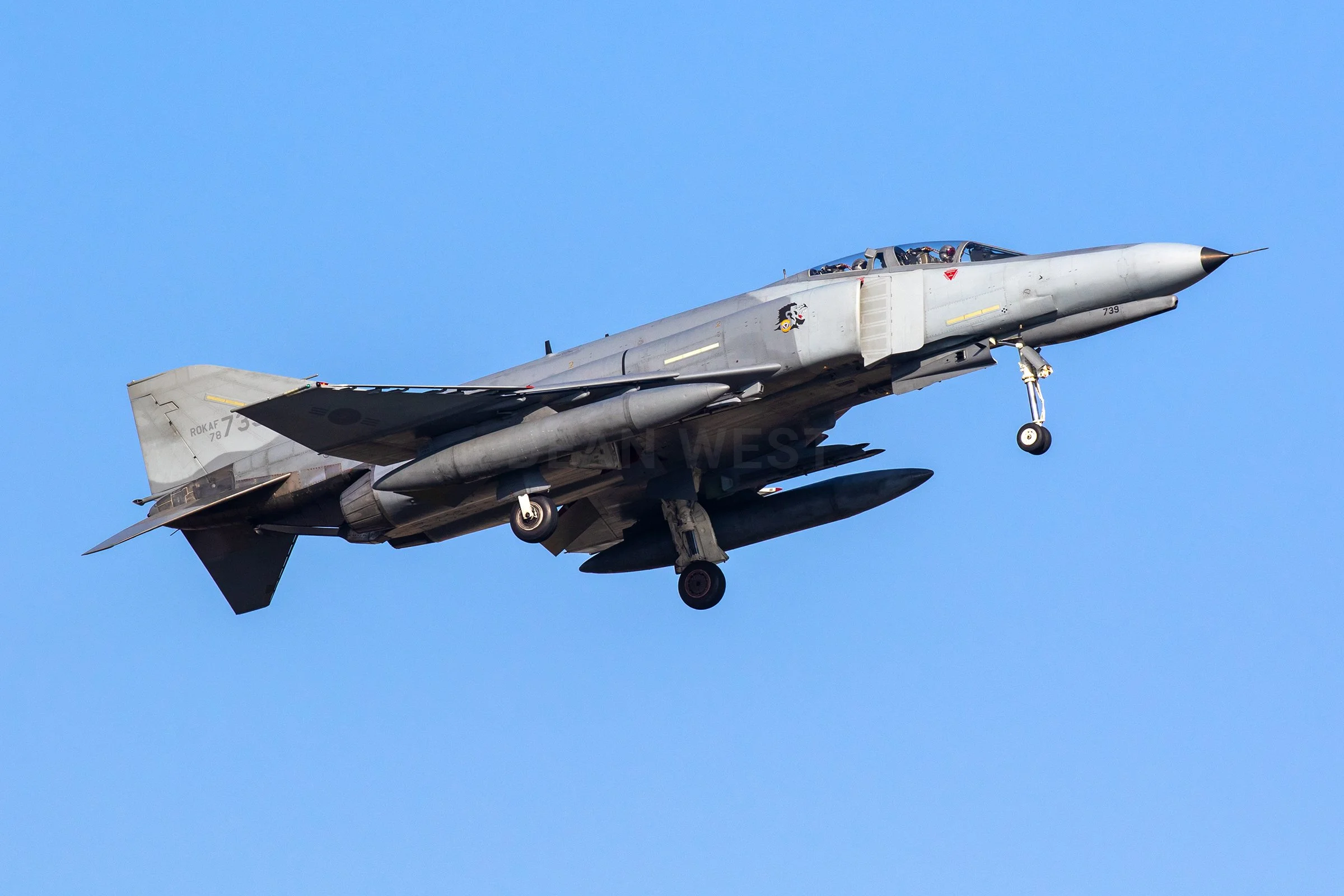
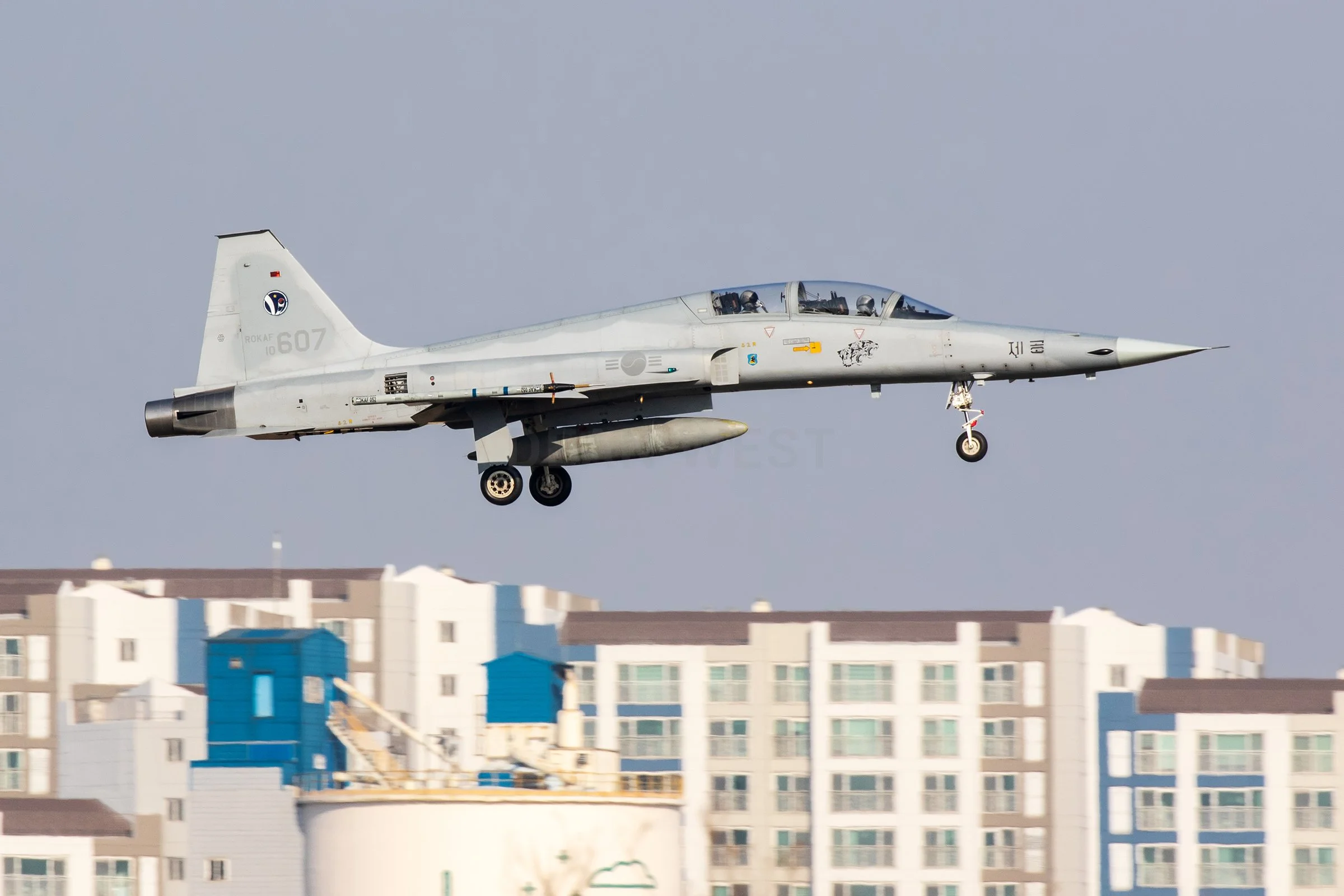
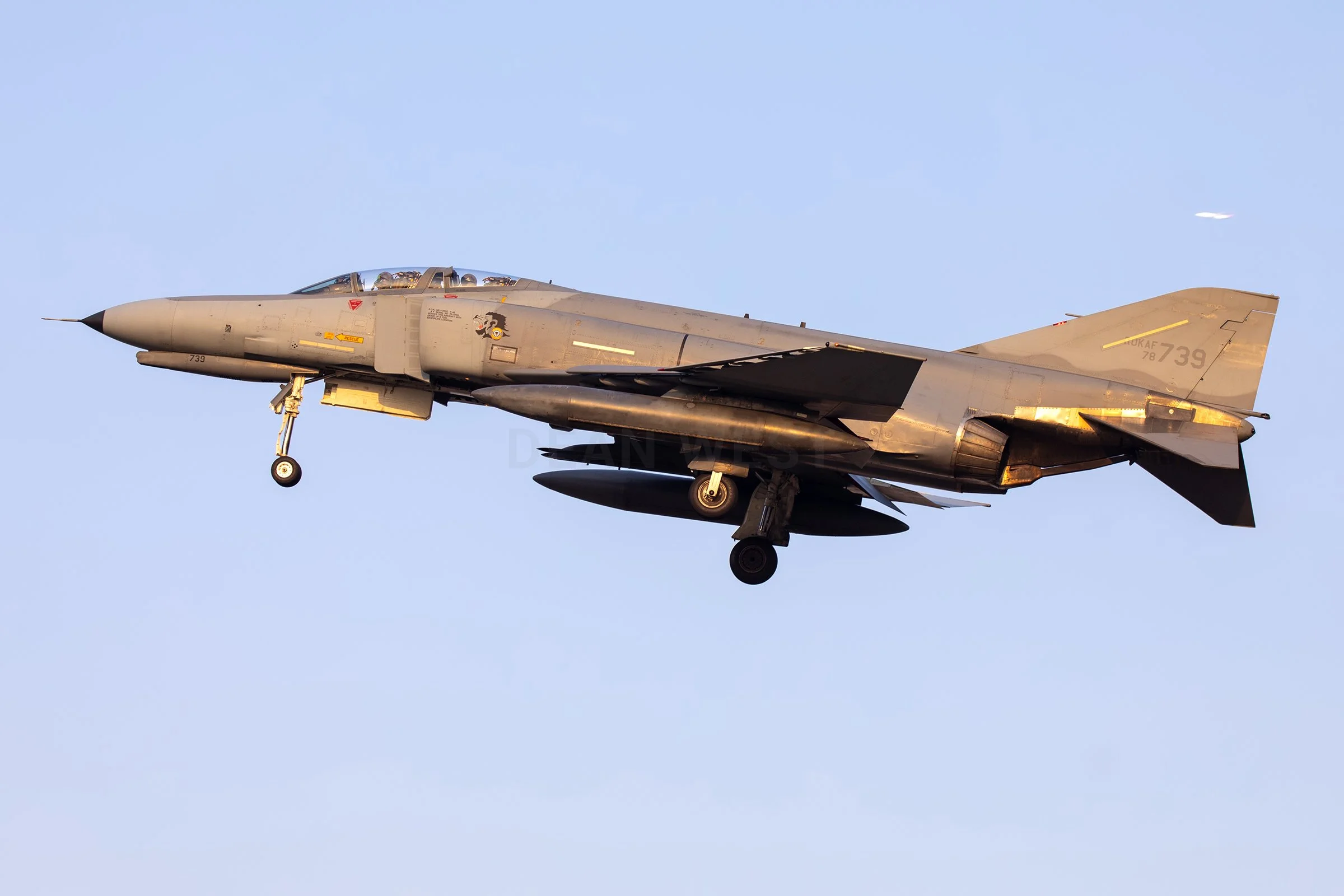
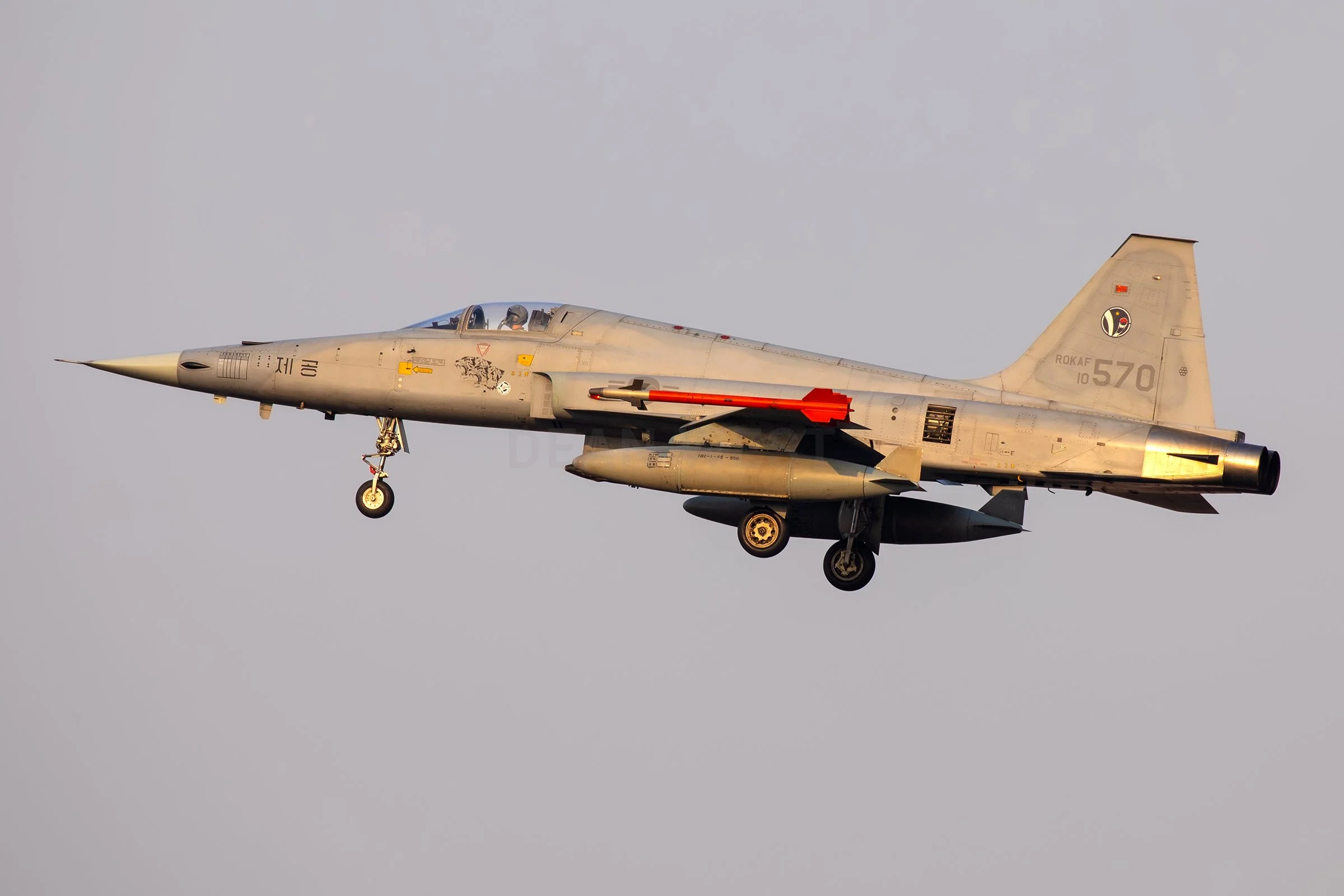
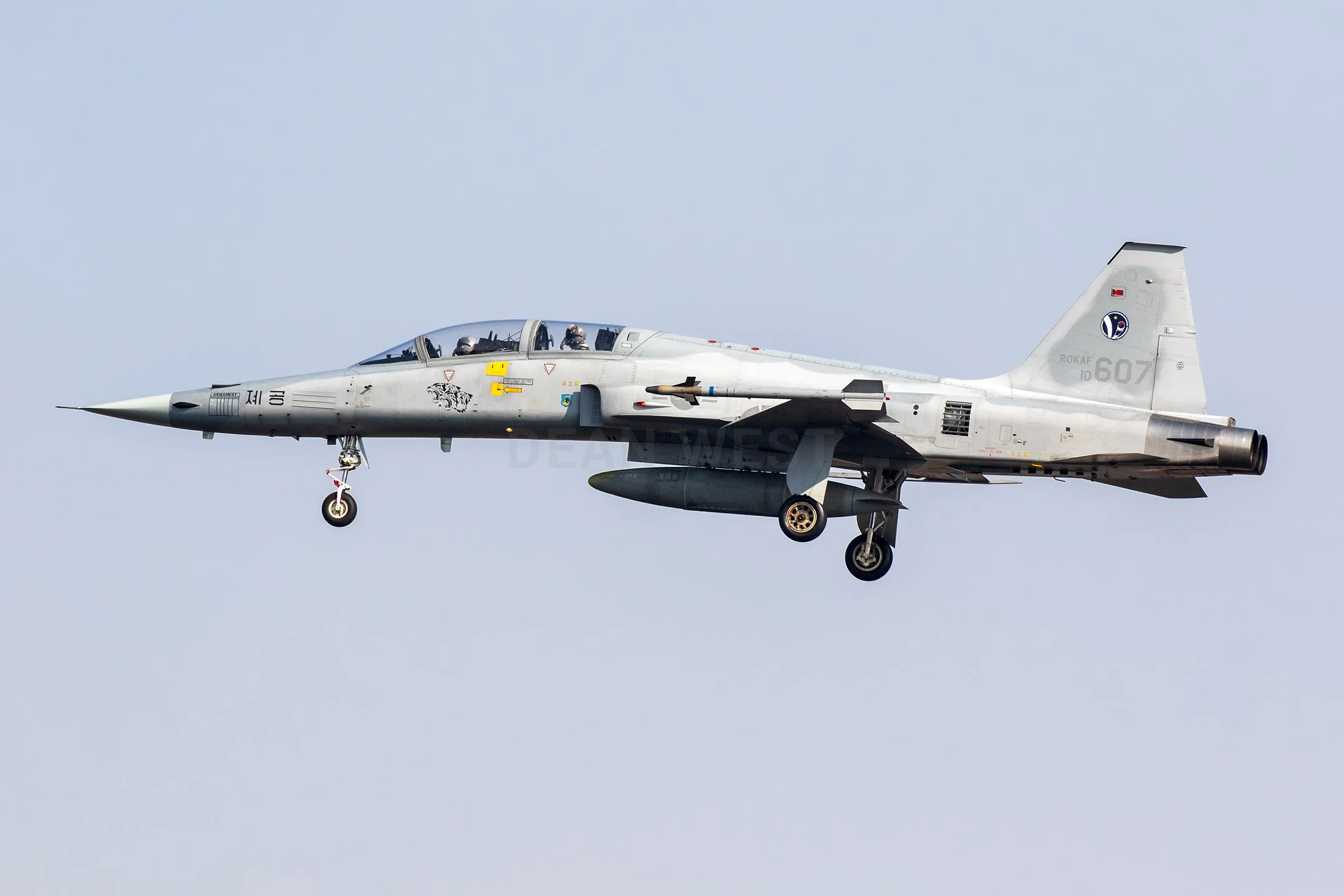
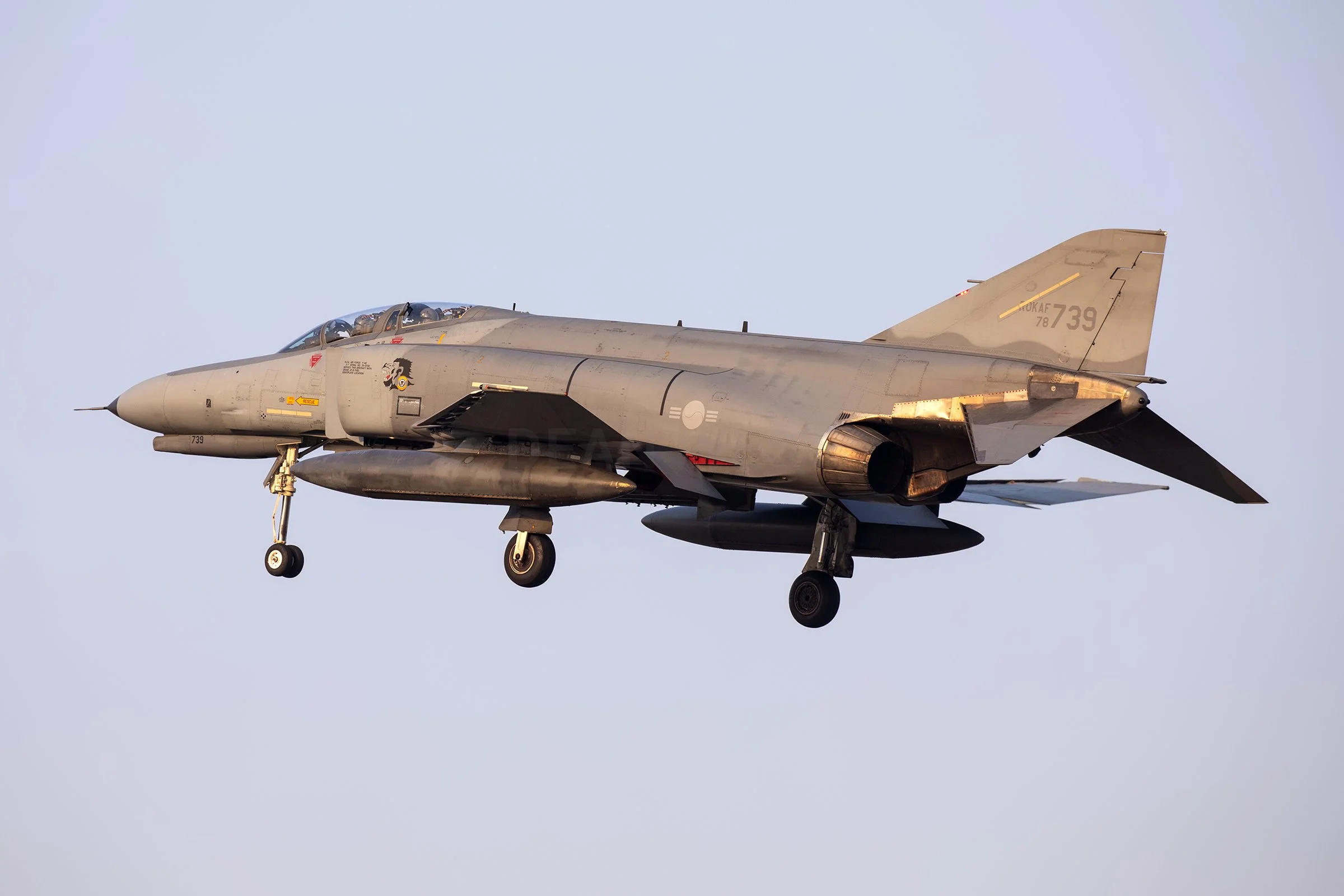
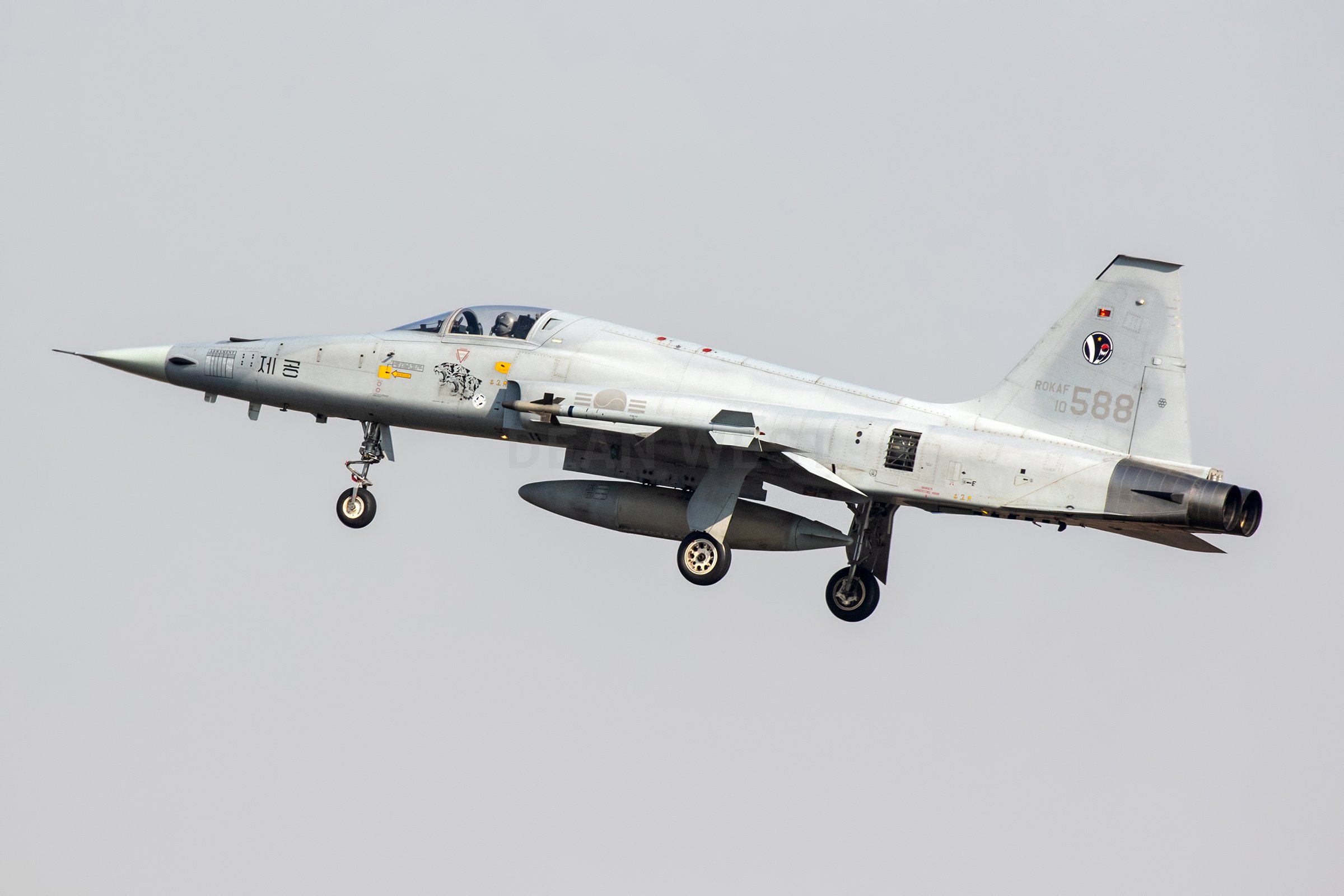
After a fantastic day at Seongnam, rumours began circulating among local spotters that the grounding had been lifted. We arrived at Suwon the next morning armed with patience — and needed every bit of it. No flying took place until late afternoon, but when the F‑5s finally roared into life it was a mix of single‑ and twin‑seat Tigers that could be photographed on the approach. Just as we were losing hope of any Phantom activity, a particularly loud departure to the north caught our attention. It was unmistakably not an F‑5. To our delight, it turned out to be a lone Phantom, which obligingly bashed the Suwon circuit after returning from its sortie.
With clear winter skies the following day, a return visit to the base was essential. A southerly wind offered a fresh set of photographic opportunities, and we were treated to more F‑5 action along with another appearance from the same F‑4 airframe that had flown the previous afternoon.
Despite the early curveball, the trip proved to be perfectly timed. The Phantom was retired from RoKAF service just 18 months later, in June 2024. Only three nations now operate the F‑4: Greece, Turkey, and Iran.