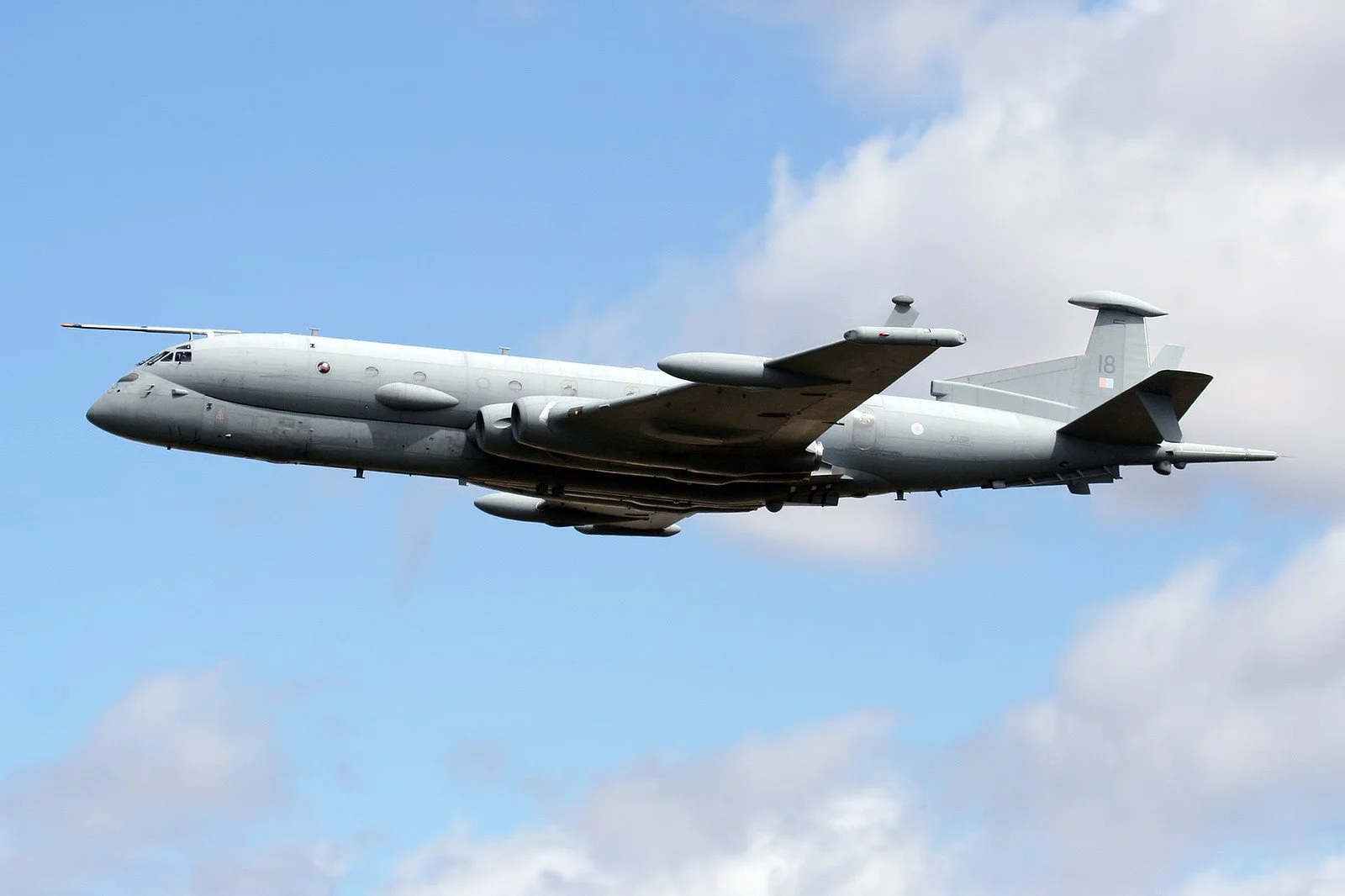
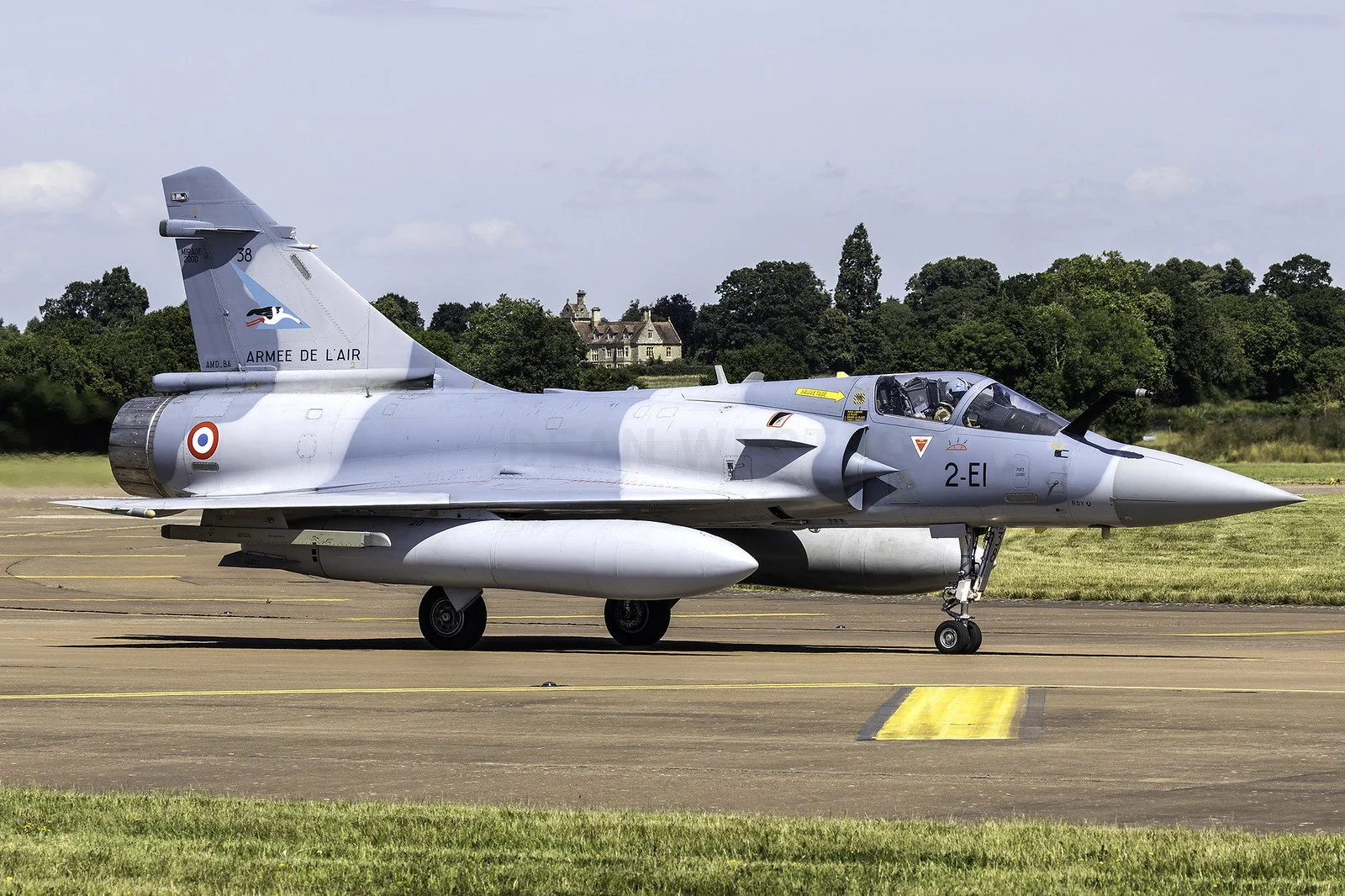
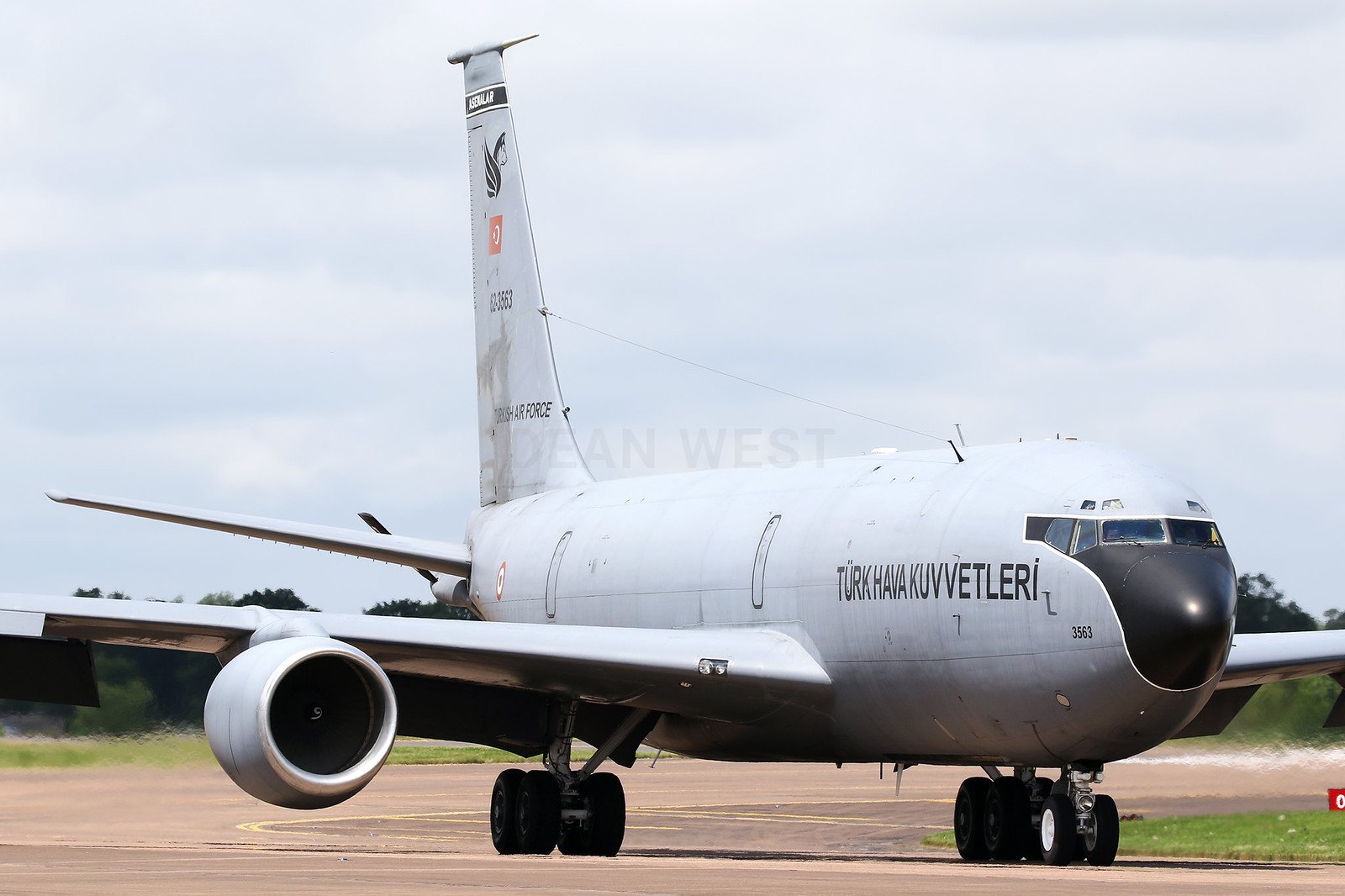
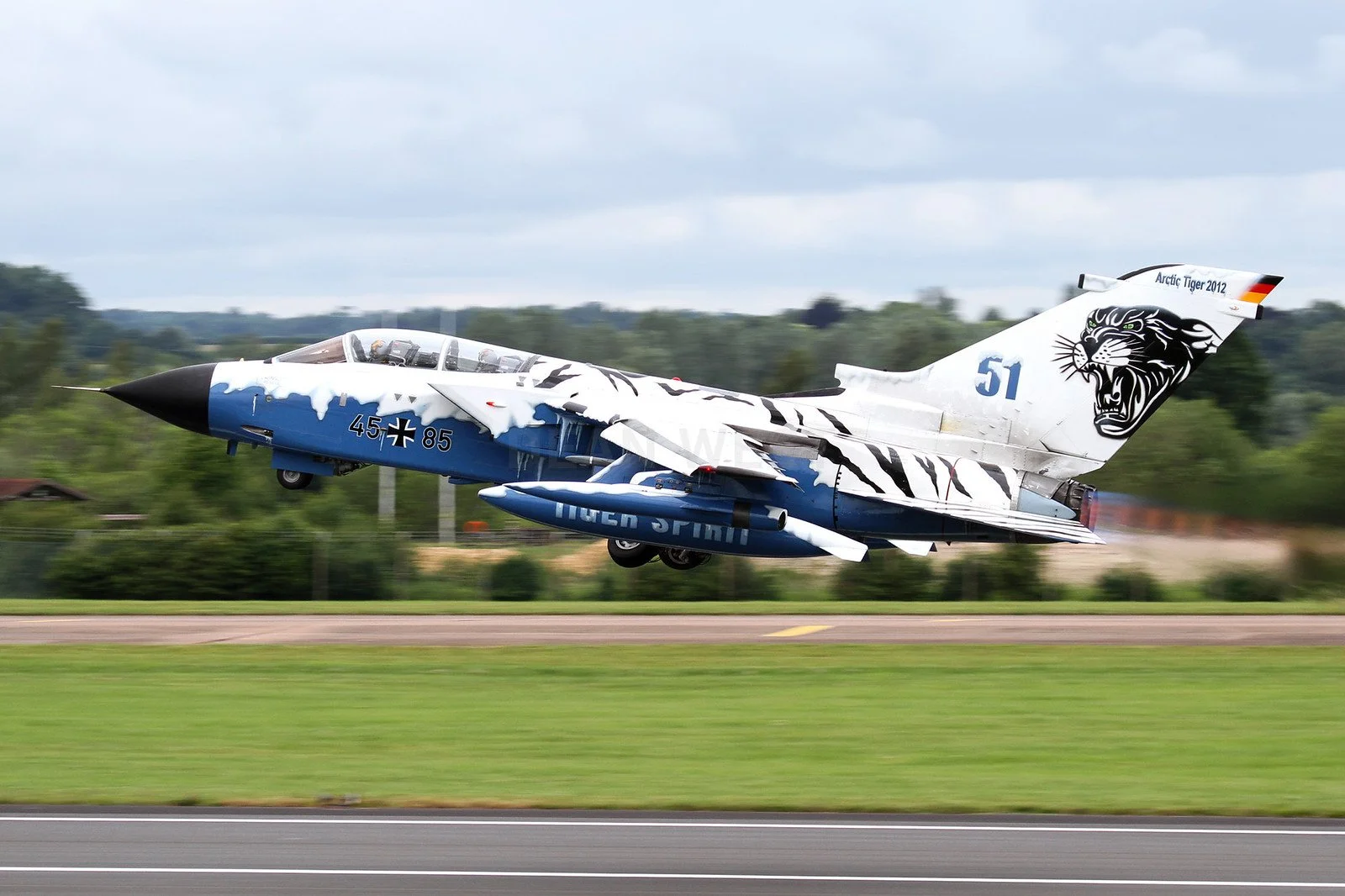
A Summer Without RIAT: What’s Lost in 2026
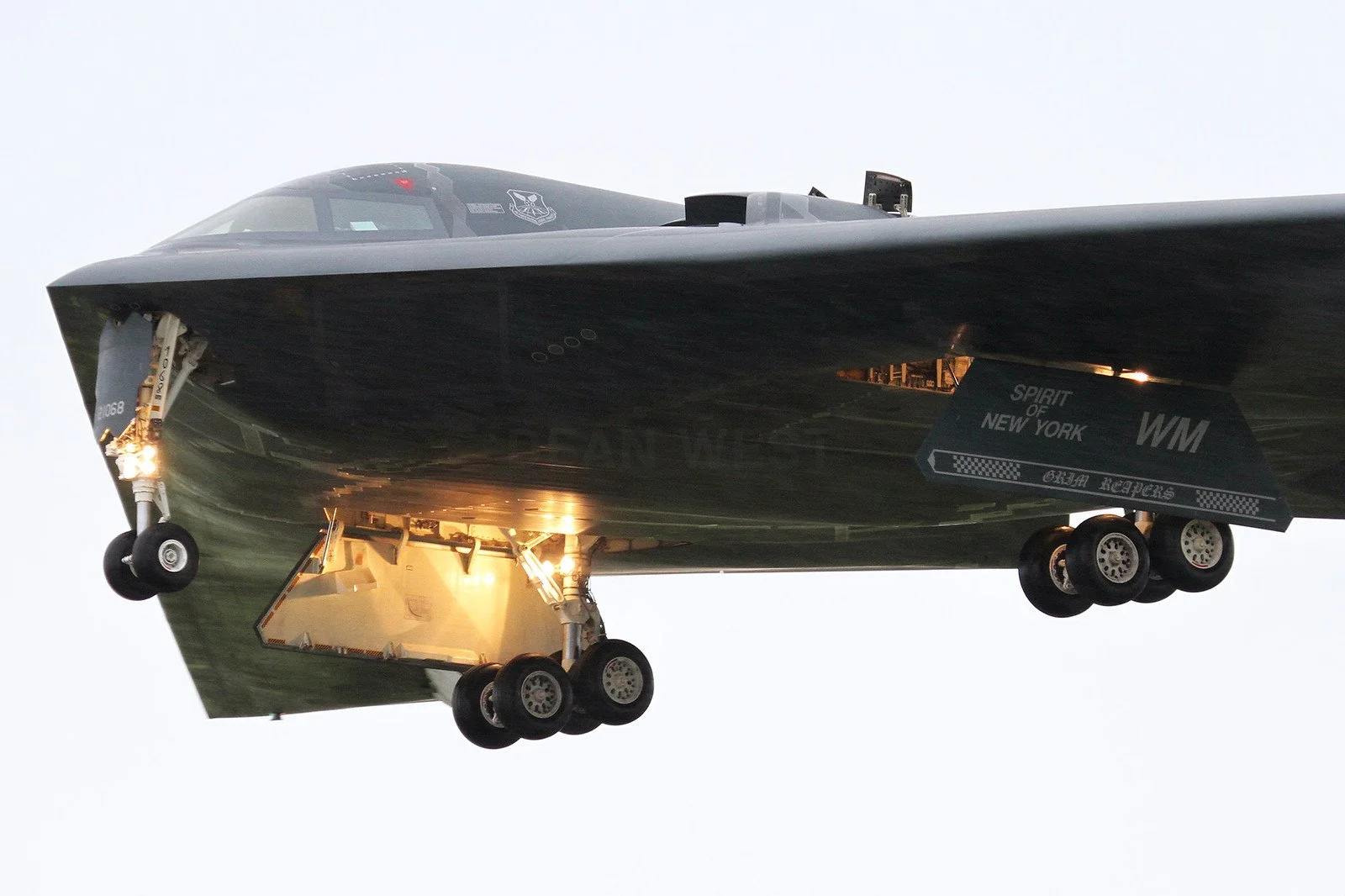
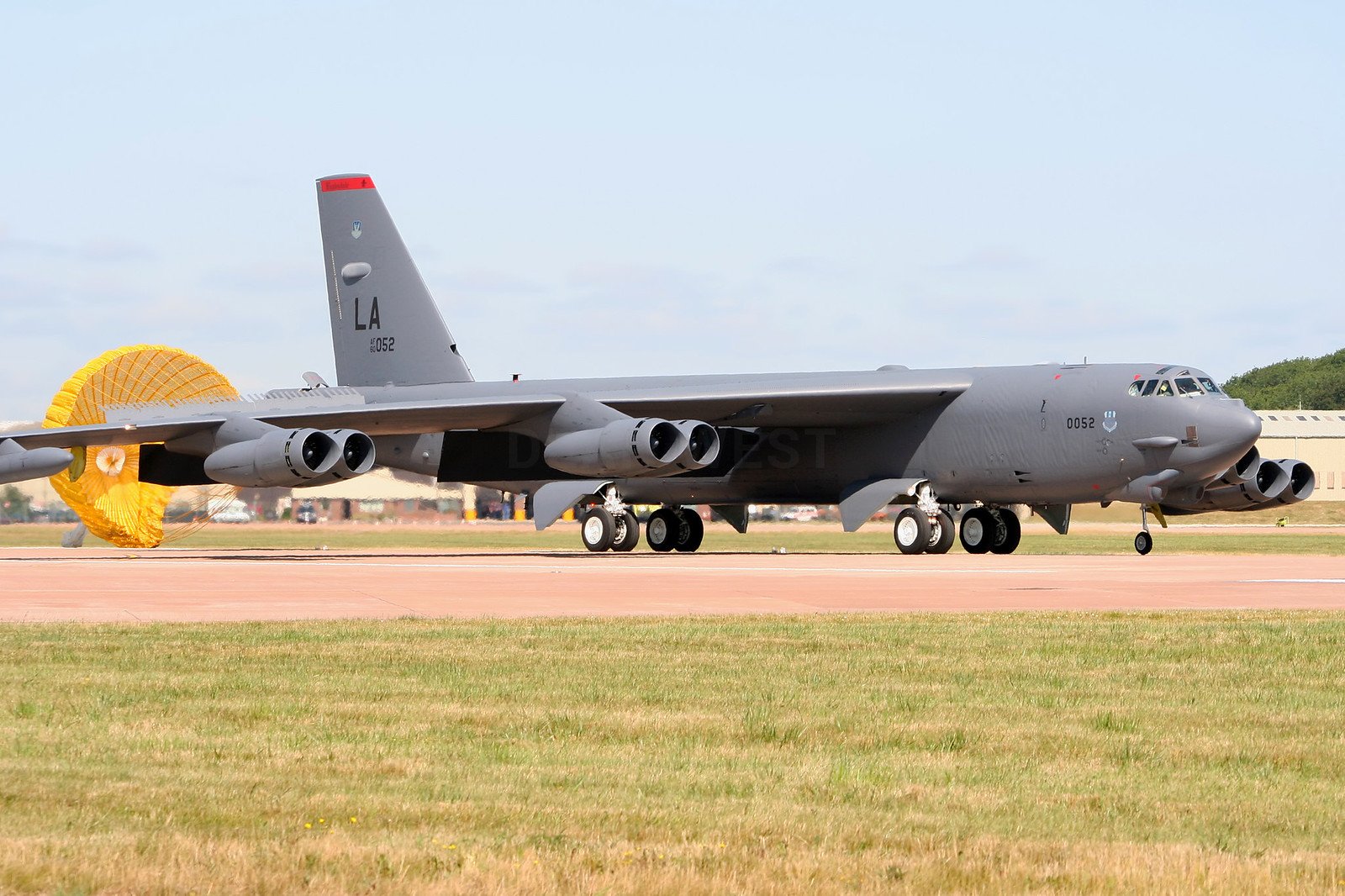
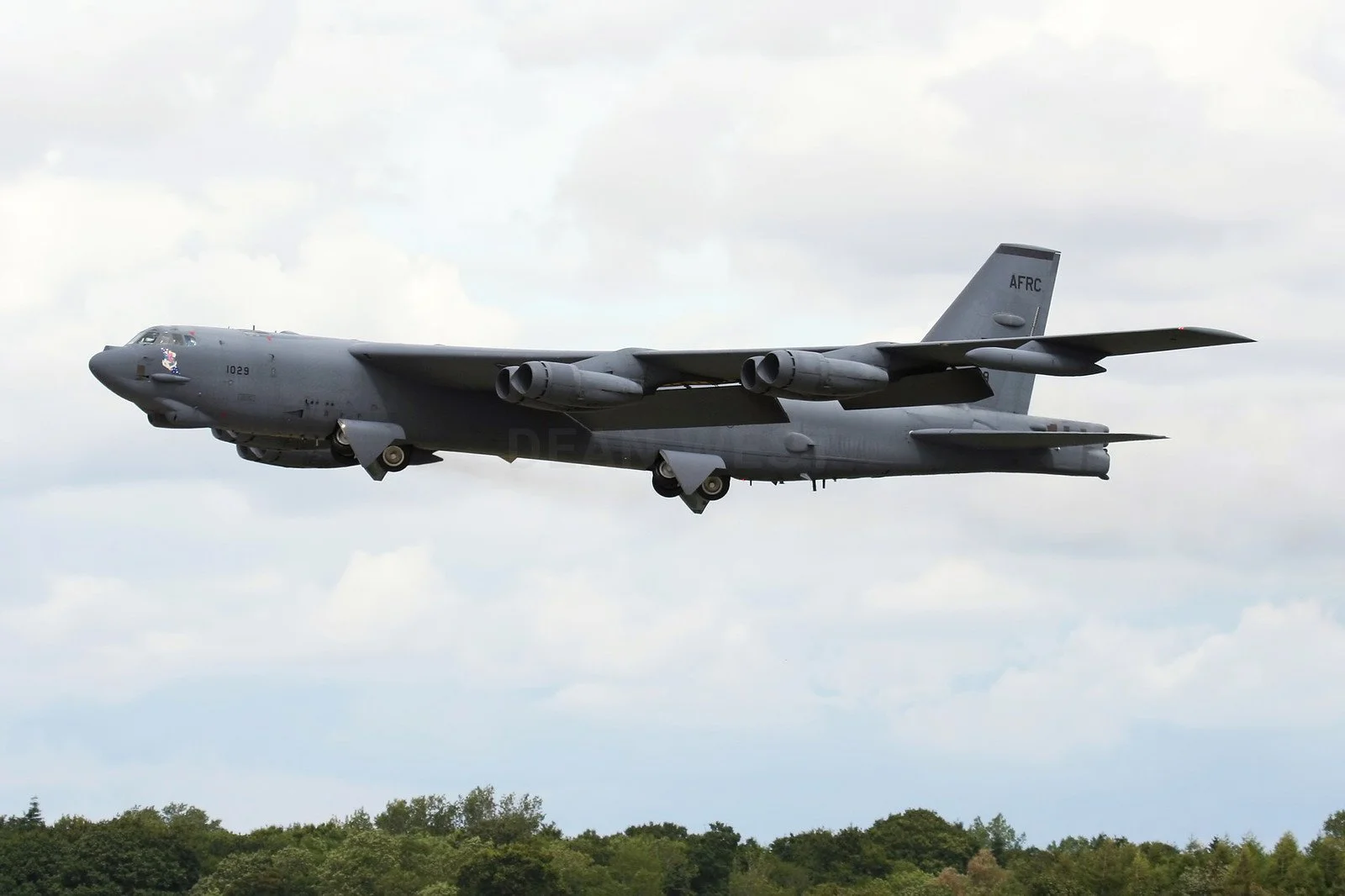
Friday 22nd May delivered the news that enthusiasts had been dreading — the cancellation of the Royal International Air Tattoo 2026 as a result of Fairford’s continued use as a forward operating base for USAF bombers striking Iran. Despite a ceasefire being announced on 8th April, 15 B-1B Lancers and eight B-52H Stratofortresses have remained deployed to the Gloucestershire base, flying local sorties while waiting for the dust to fully settle in Iran.
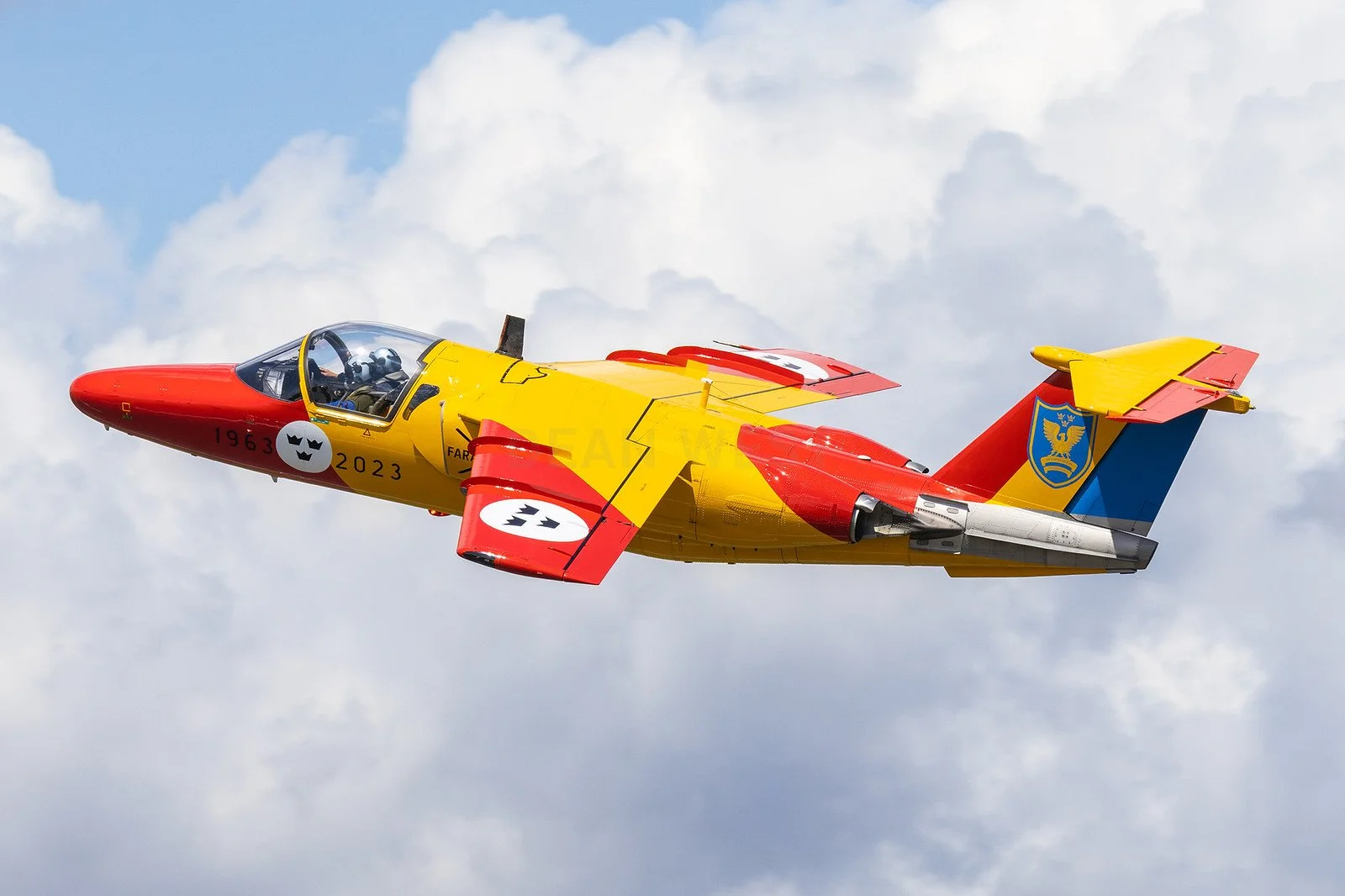
Well established as the world’s premier military airshow, the loss has created a huge hole in the international airshow calendar that will be difficult to fill. Without any Radom or Air Power-sized events, it’ll be down to Belgian Air Force Days, the Danish Air Show and the Swedish Air Force’s 100th Anniversary to deliver Europe’s biggest events, although they’ll certainly lack the scale and diversity of RIAT. Oshkosh will no doubt be an alternative for some who would have attended the Air Tattoo, but it will be a minority who can afford to drop £3k on a week-long trip to Wisconsin.
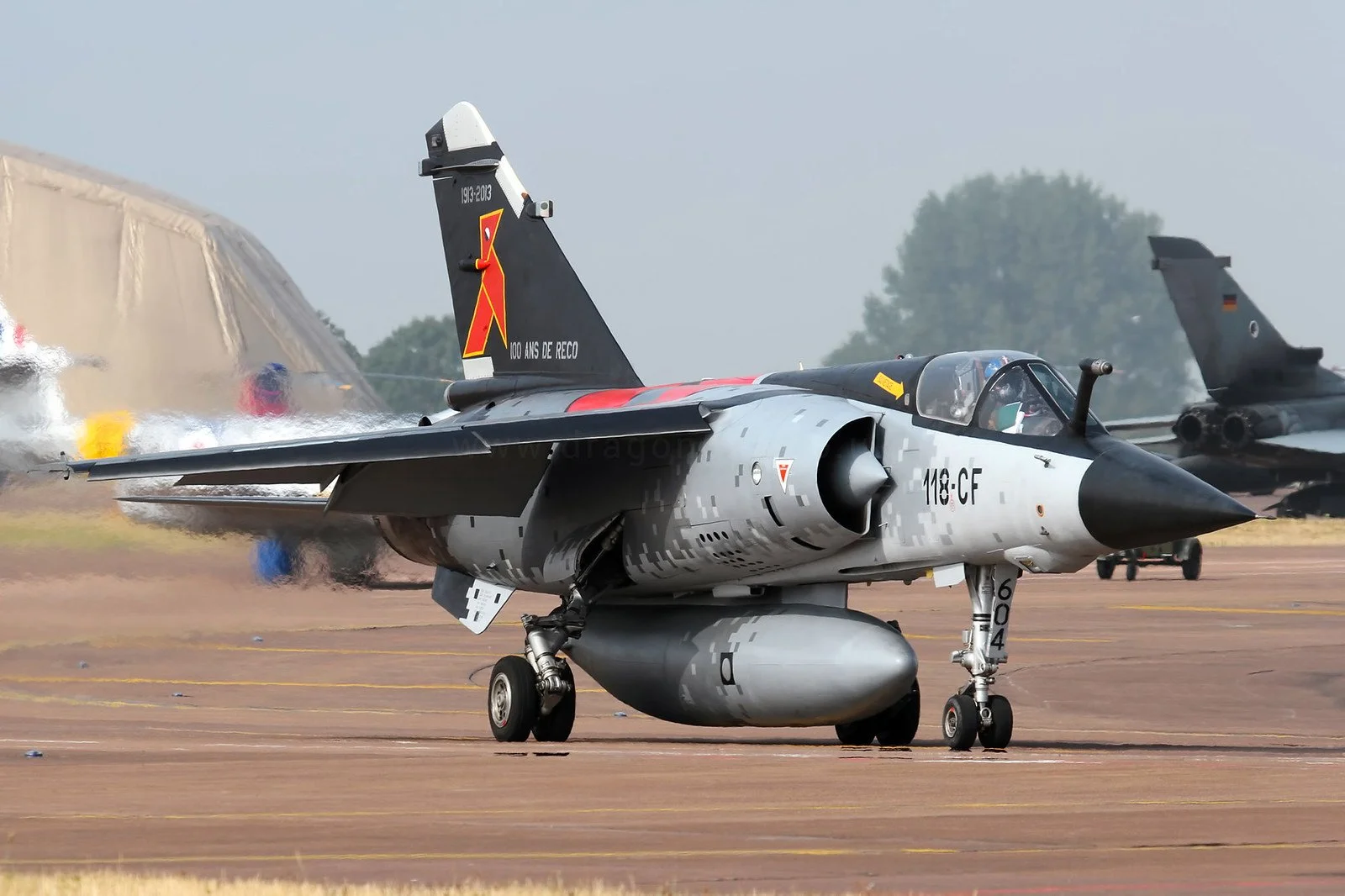
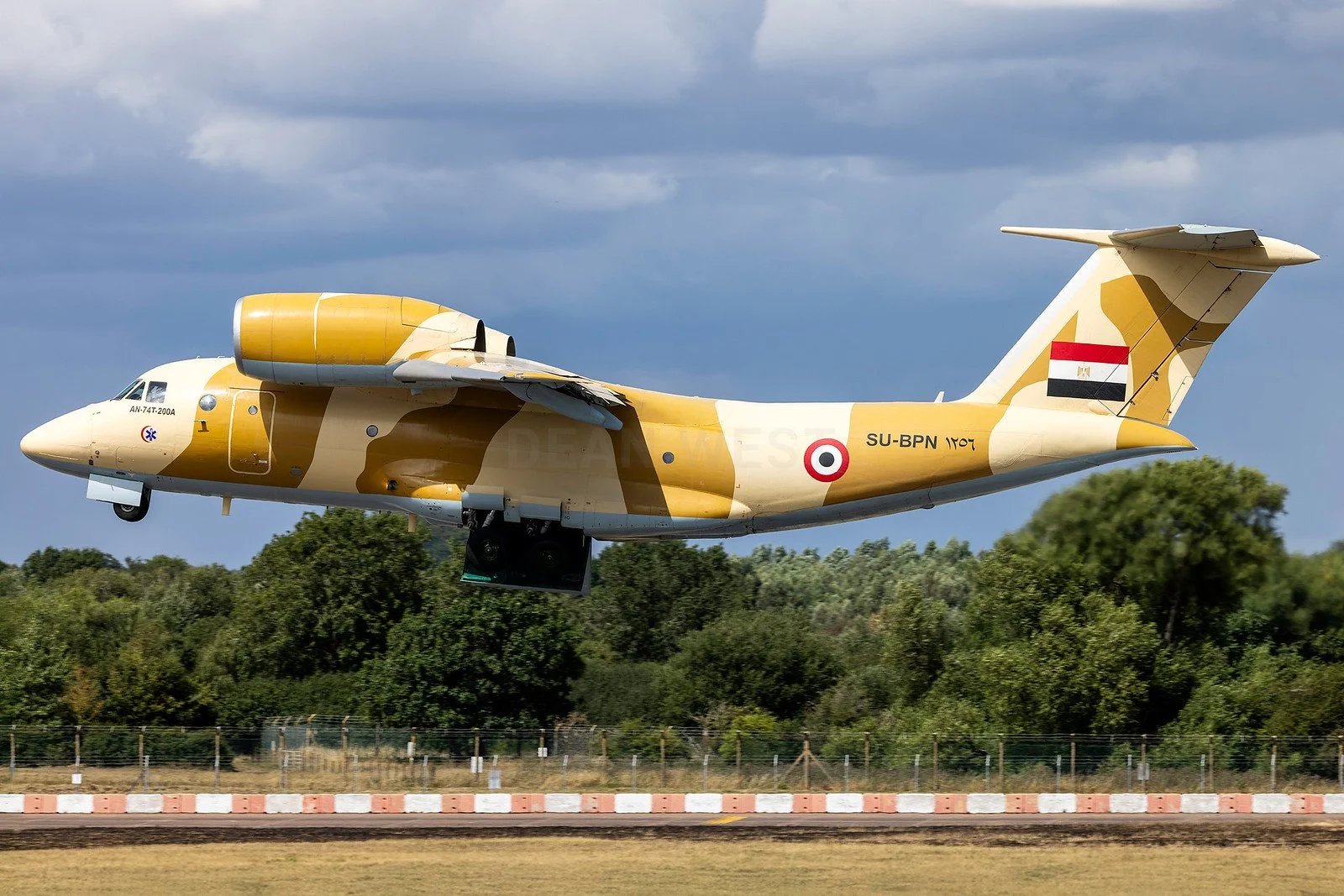
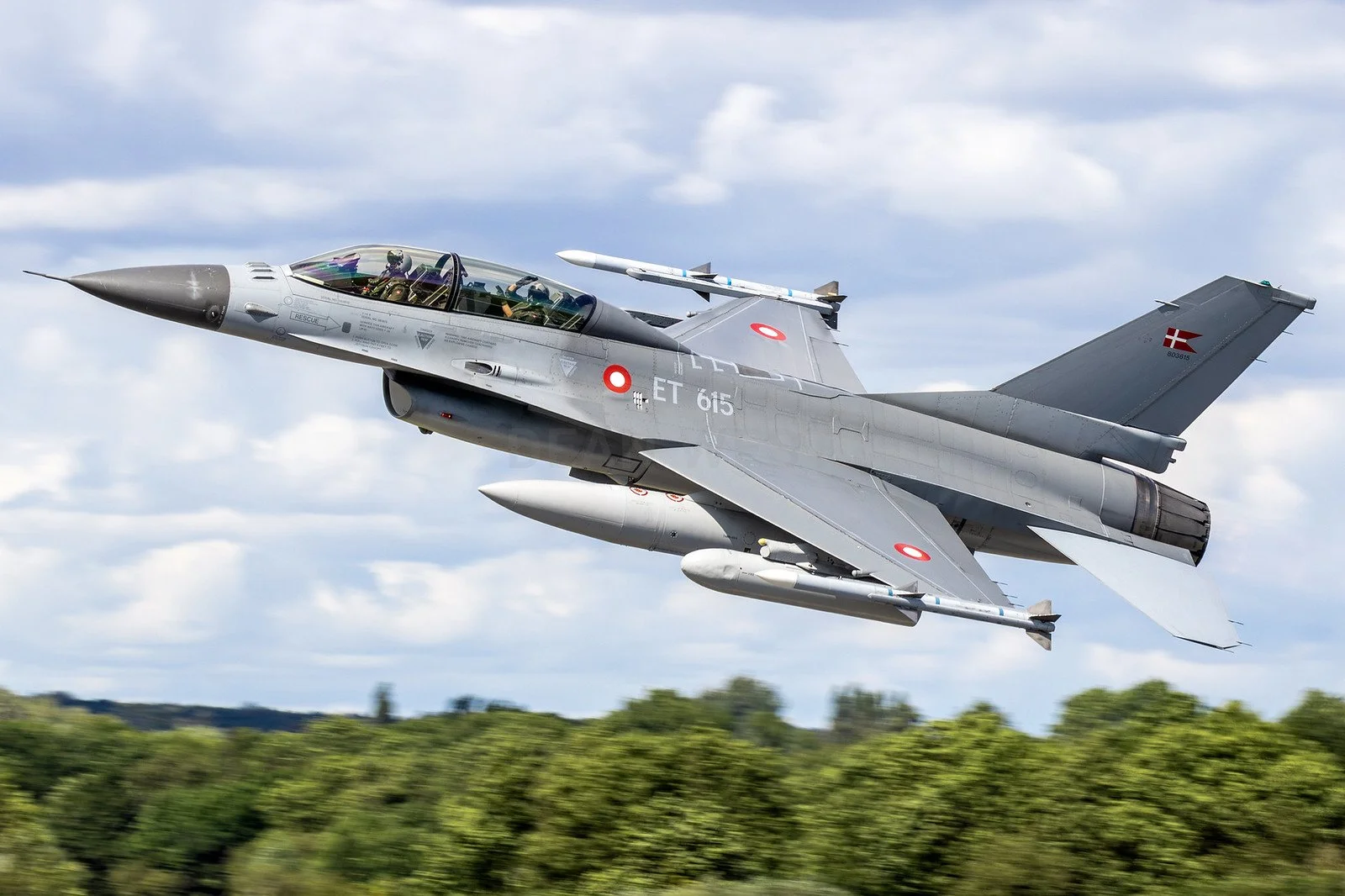
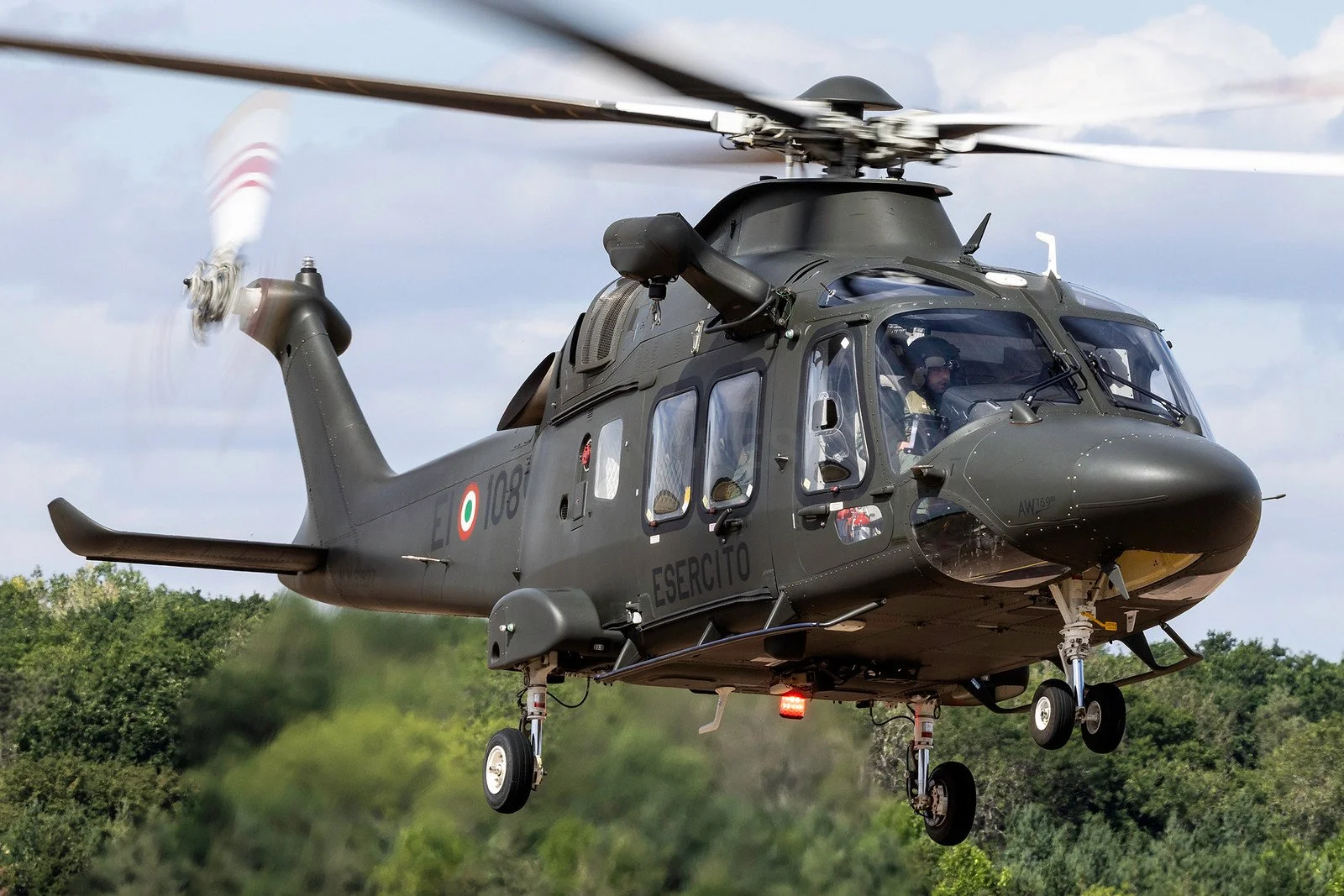
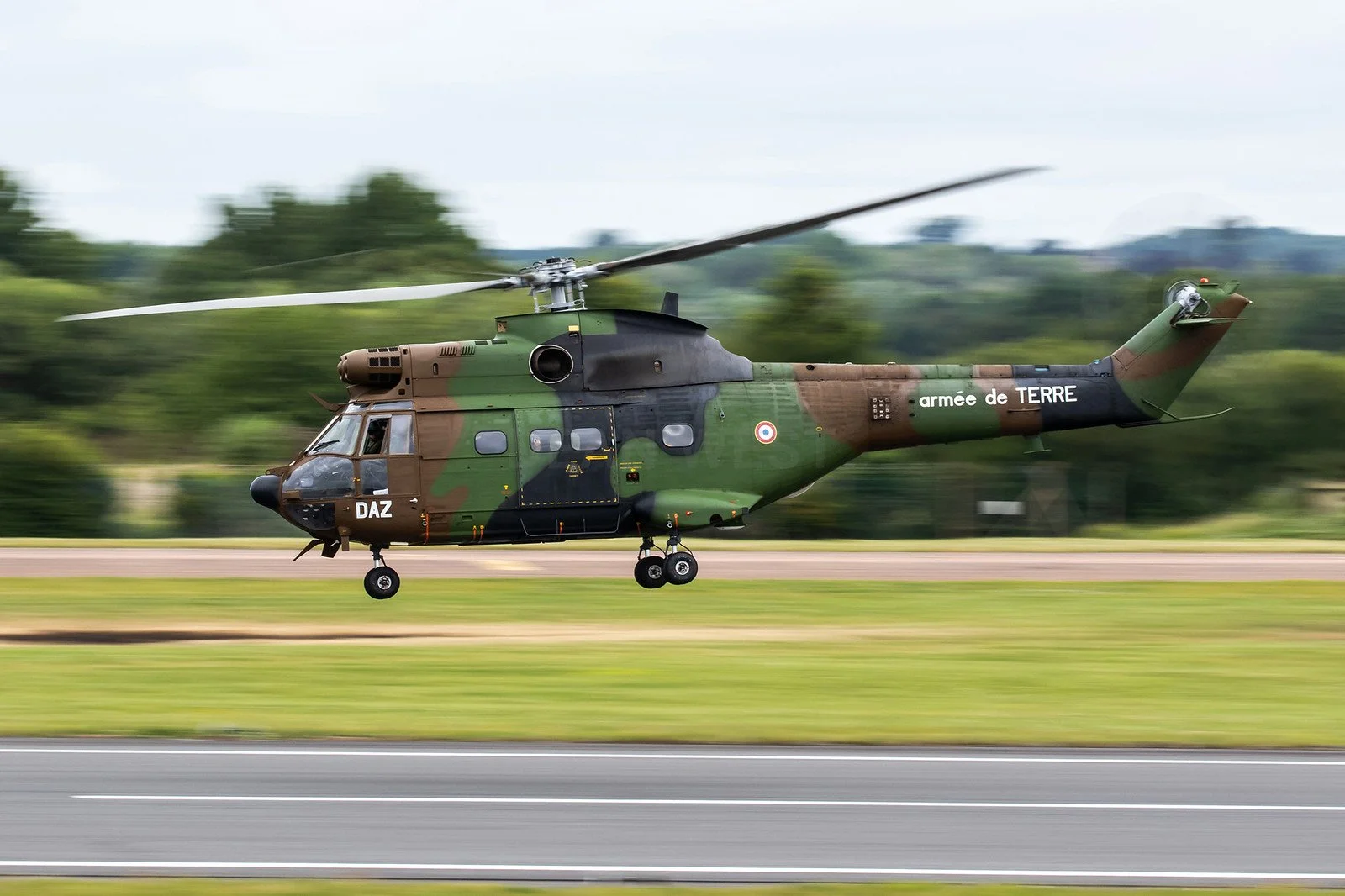
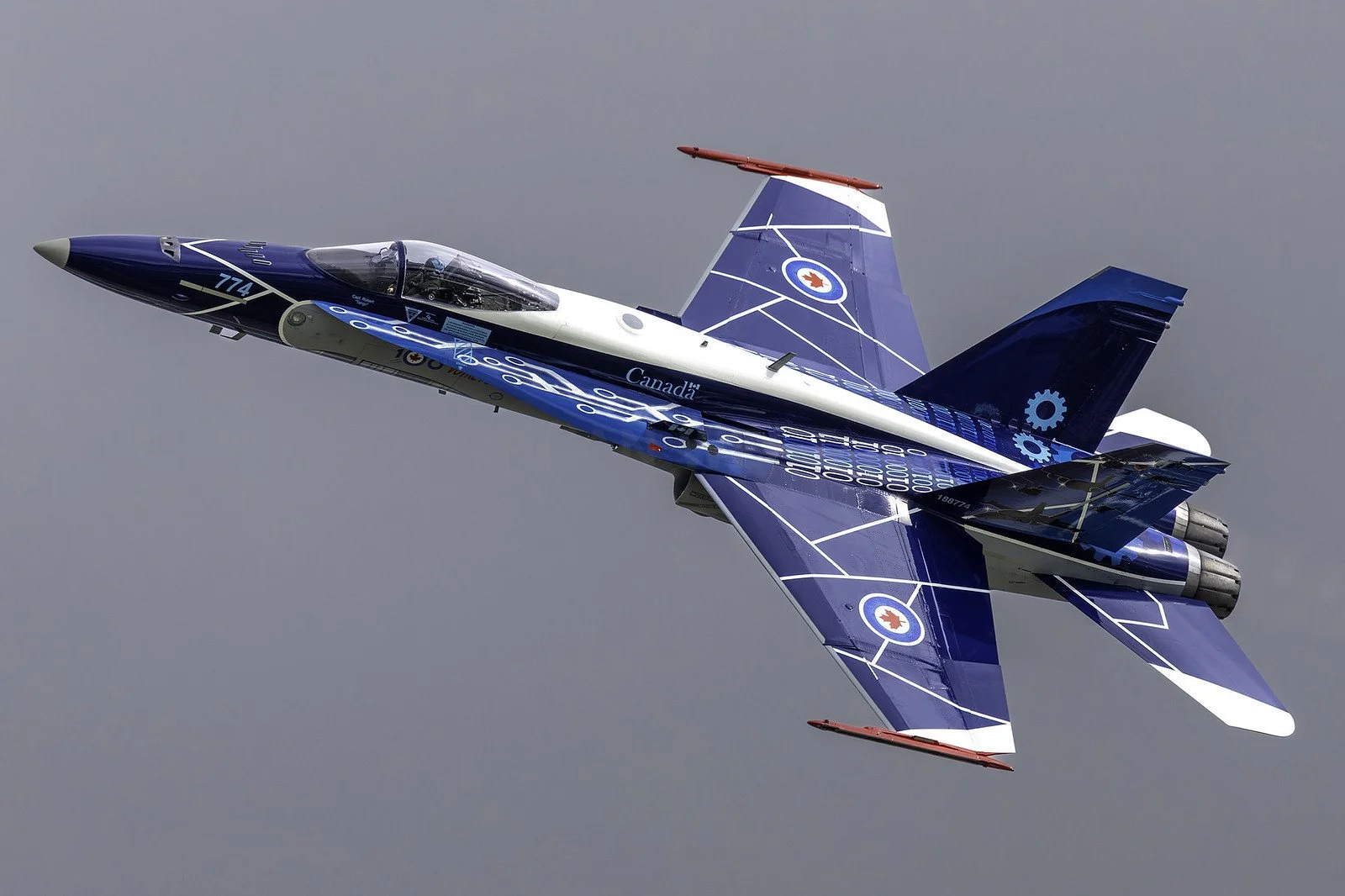
With the participants confirmed for the ‘26 event, it’s hard to say how many we’ll see back for future shows. Will the Italian Army AH-129 Mangusta and German Navy Sea Lynx Mk88 be in service come next year’s show? Given the gap since their last participation, could we realistically expect to see the Turkish Stars or Wings of Storm back on the 2027 participation list? Or will the more obscure, rare gems, like the German Air Force A321, Qatar Emiri Air Force AW139 or Italian Army Chinook have any chance of being lured back?
While RIAT’s absence might present opportunities for other shows, it’s probably too late to see any significant uplift for events like Cosford or Duxford. Many air arms are limited to one overseas show per year, and RIAT usually takes that slot. In its absence, there’s theoretically more opportunity — but with short lead times and existing commitments, securing those assets will be a challenge. Shows like Cosford may well try, but they’ll be competing for aircraft that have already committed elsewhere.
The absence of the Air Tattoo also highlights just how far the UK military airshow scene has declined. While Leuchars, Yeovilton and Waddington have been off the calendar for some time, 2026 feels like the first year their absence will really be felt. There are still plenty of family-orientated and classic-focused shows, but the lack of a large-scale, military-focused event with strong static displays and enthusiast access is a major loss. Away from airshows, the lack of major multinational exercises further amplifies the gap. If there were a large-scale exercise planned, think Su-30MKIs at Coningsby in 2015 or Air Defender 23 in Germany, many enthusiasts would happily redirect their time and money towards that.
Of the shows that are happening this year, it’s worth noting that even with spotter-orientated access, they rarely match the enthusiast-focused opportunities offered at Fairford. The Air Tattoo provides six full days on base, with access to Park & View areas at each end of the airfield, plus the crowd-centre grandstand for FRIAT members. Fairford’s 09/27 runway orientation also puts the sun on your back for the majority of the day. Putting aside whatever rare assets may appear at Aalborg or Linköping, photographers will be battling south-facing crowdlines and very limited numbers of spotter tickets.
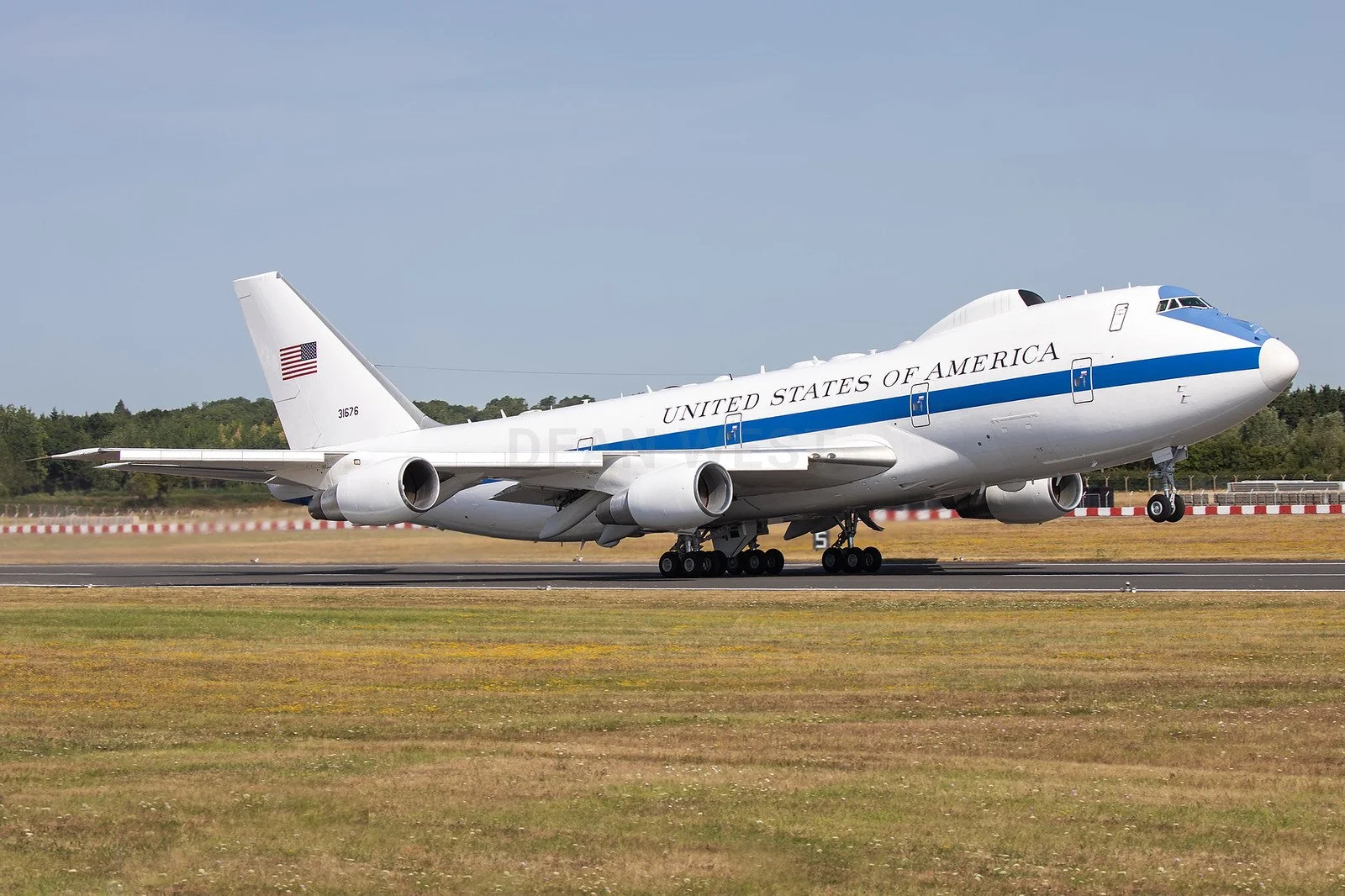
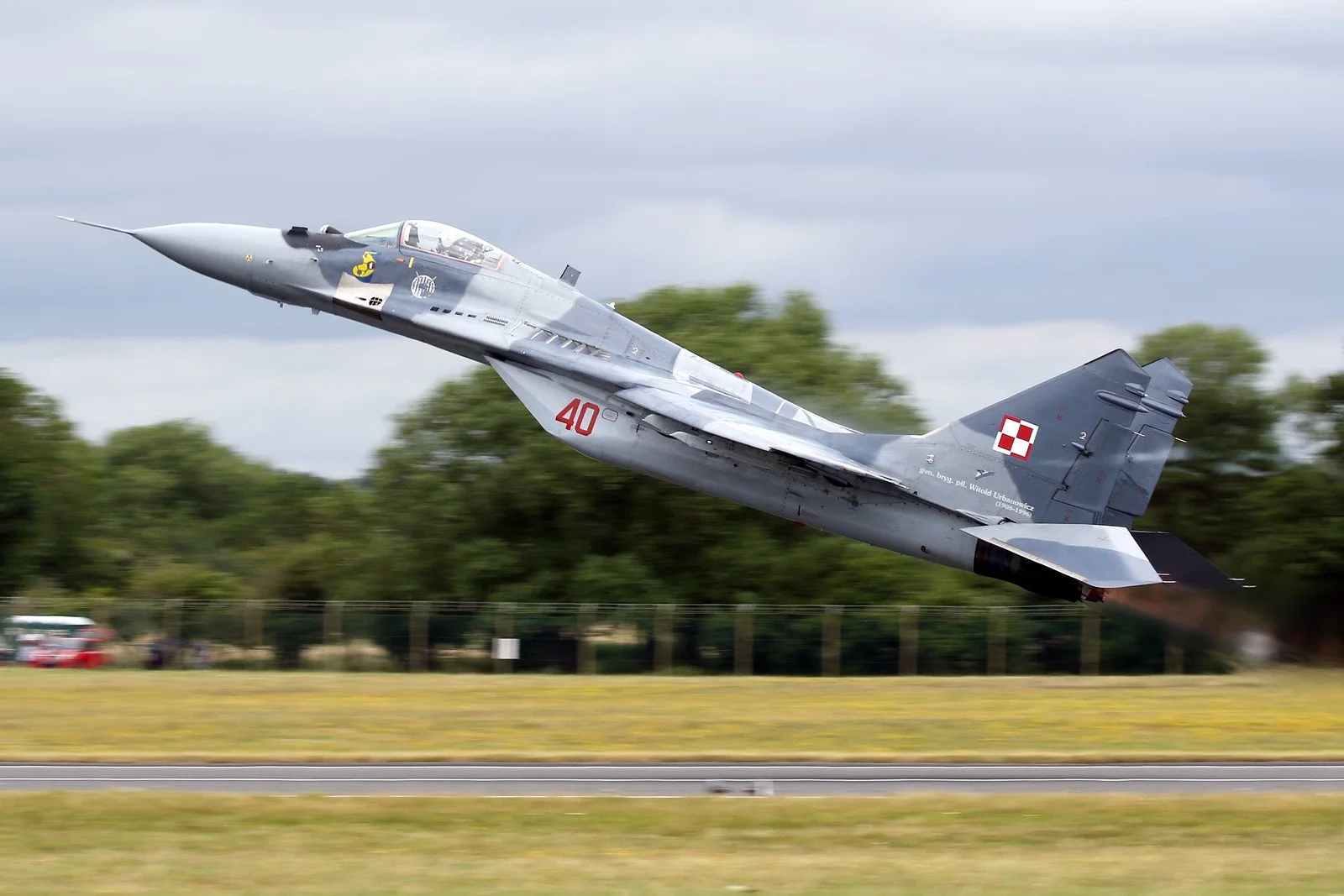
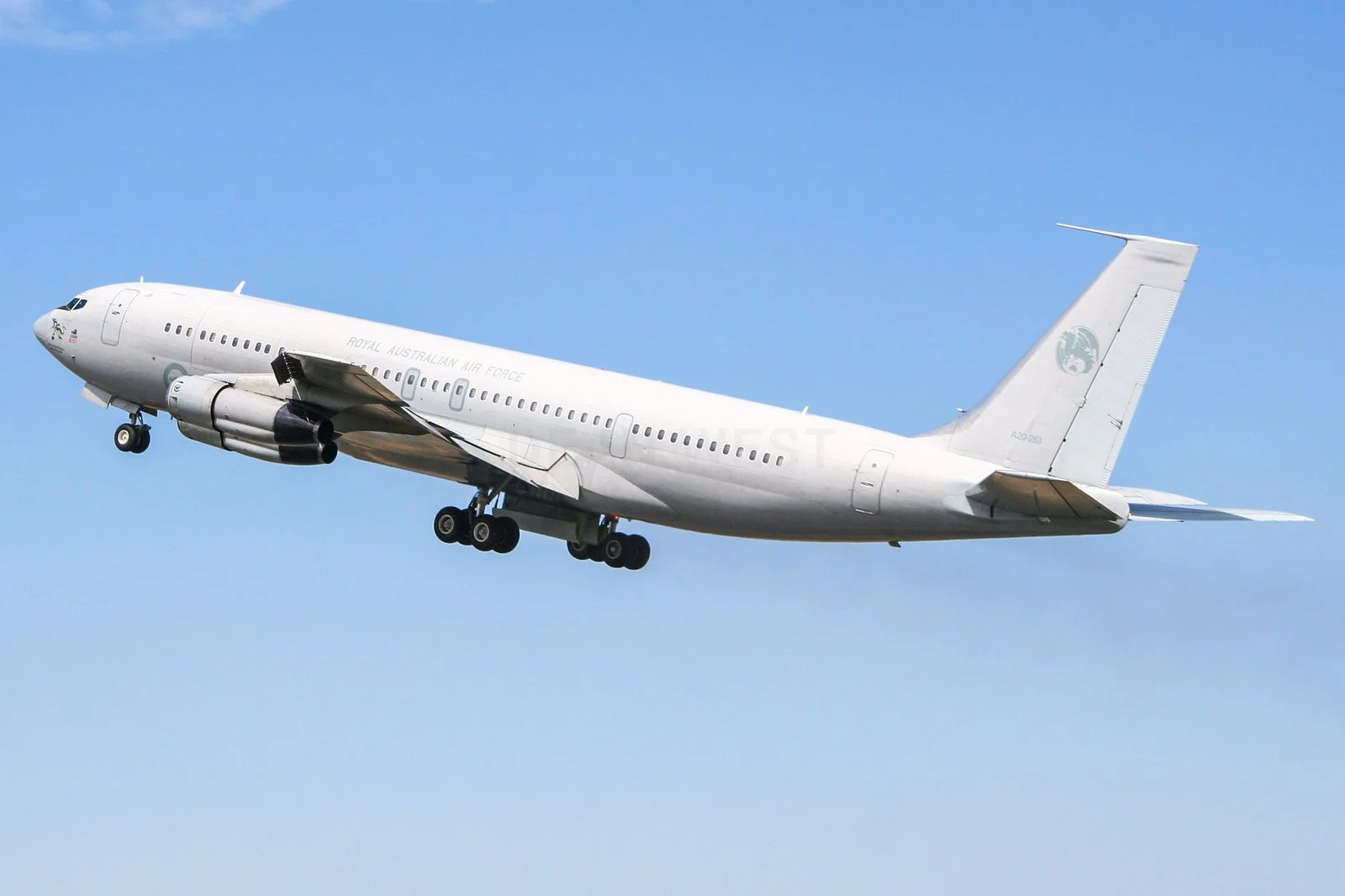
RIAT is also about the people. It’s where I see a huge number of familiar faces each year - something that will be missing with that annual meeting point gone. Arriving at Park & View on a Wednesday morning is exciting enough from an aviation perspective, but seeing so many familiar faces elevates it into something far more meaningful. Whether it’s catching up with mates you haven’t seen in months, making new friends, or simply nodding to the regular faces you always see but never quite learn the names of. There’s nothing quite like that shared experience - whether it’s everyone in awe watching the E-4B taxi in (still incredible that it made the show), or the collective frustration as follow-me cars clutter shots of Romanian MiG-21s arriving in perfect early evening light.
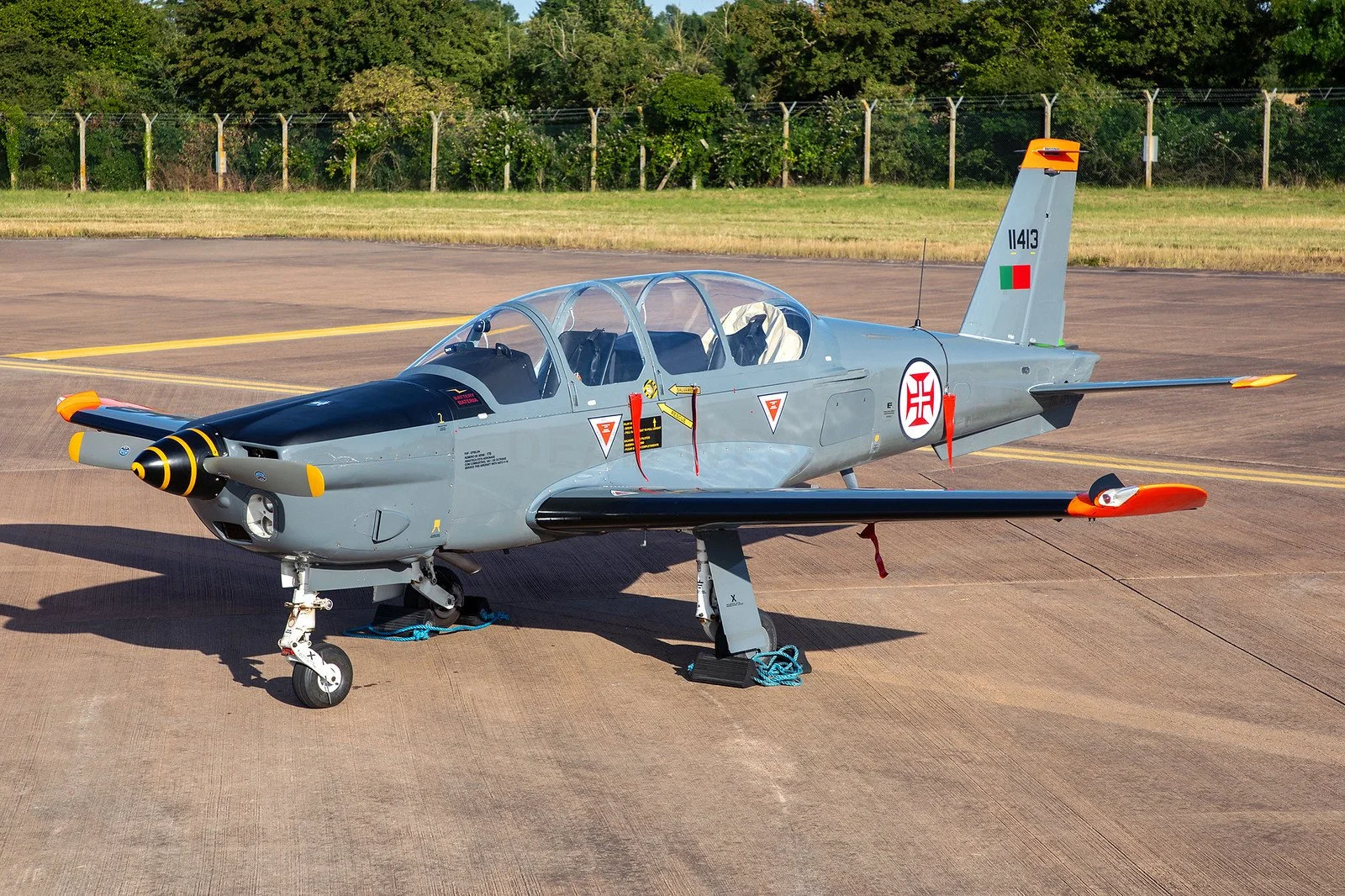
You’d have to hope that the 2026 gap doesn’t create further challenges from a continuity perspective. Will companies involved in showground infrastructure increase costs for 2027 or impose stricter cancellation policies to protect themselves? Could air arms lose confidence in committing, given the risk of further disruption if Fairford remains operational? Look at some of the nations, teams or assets present at the cancelled RIAT 2008 that altered their participation in subsequent years — Chile’s Los Halcones, Brazil’s Esquadrilha da Fumaça, the Asas de Portugal, or the Pakistani Navy who attended with a P-3C Orion. While many factors are at play, it’s fair to ask whether that cancellation played a part in preventing Chile ever returning since or Portugal cooling their interest for the best part of 15 years. Who knows, but it certainly can’t help.
A further loss is the aircrew trading and merchandising, both from a retailer and enthusiast perspective. The Air Tattoo actively encourages participating aircrews to bring merchandise to sell to the public, often set up in specialised retail areas - something rarely managed as well at any other event. Sure, events such as Belgian Air Force Days will have aircrew merchandise, but not to the same scale, nor managed as effectively due to smaller organising teams or a lack of enthusiast-focused experience. Then there’s the broader aviation retail side. Fairford is one of the few places where you get fantastic aviation retailers such as Runway25, The Aviation Bookshop and Aviation Retail Direct trading just metres away from a high-quality static display, creating an aviation-orientated shopping experience unmatched elsewhere.
With the cancellation, these retailers now face the challenge of replacing the revenue usually generated over the RIAT weekend. A long weekend of highly engaged visitors must be vital for these specialist businesses - what sort of challenge will it be to replace that lost income? The Royal Air Force Charitable Trust, the parent charity of the Air Tattoo, will also lose a significant amount of revenue, particularly as they are offering visitors the option to refund their 2026 tickets. Ticket sales and retailer fees not only fund future Air Tattoos but, more importantly, support aviation and STEM initiatives for young people, while also promoting the Royal Air Force. The charity’s visibility will also take a hit - no longer front of mind for the 180,000 visitors across show weekend — which may impact its ability to meet its goals.
Off base, local businesses will also be hard hit. This ranges from campsites such as Kempsford, through to independent shops and restaurants in surrounding villages, all the way up to large hotel chains that have lost tens of thousands of bookings. Many of these businesses generate a significant portion of their annual revenue in that single week in July. For everyone’s sake, we can only hope costs don’t rise sharply in 2027 to offset the losses from 2026.
There will also be a huge number of visitors, from the general public to hardcore enthusiasts, facing financial losses as a result of the cancellation. Tens of thousands will have already spent money on tickets and accommodation, with many international visitors also paying for flights and hire vehicles. For many, it’s a significant amount of money with little chance of recovery, which is a huge shame but clearly not the fault of the RIAT organising team. Sadly, it’s the nature of the hobby — cancellations happen at all levels, whether it’s a single aircraft pulling out or, in extreme cases, an entire event. There’s plenty of precedent for this, such as NAS El Centro 2026 cancelling due to heightened security, RIAT 2008 due to weather, Abingdon 2024 due to administrative errors, and Kecskemét 2023 due to the Ukraine conflict.
Unfortunately, the Air Tattoo organisers have faced some unfair backlash online, with some individuals placing the blame on them. If nothing else, this serves as a timely reminder that nothing can be taken for granted in the military aviation hobby, whether that’s spotting or airshows, so it’s always wise to plan accordingly.
The cancellation of RIAT 2026 is genuinely gutting, but its absence provides a rare moment to take stock. Events like the Air Tattoo aren’t guaranteed and in truth, they never have been. When 2027 rolls around, it’s a reminder to make the most of it. Immerse yourself in the full six-day experience, support the traders, chat to aircrew, and take it all in - because there really is nothing else like it.
RIAT isn’t just another airshow. It’s the benchmark, the meeting point, and, for many, the highlight of the aviation year. Let’s hope it returns in 2027 stronger than ever and that we never take it for granted again.