Unearthing Egypt's Aviation Treasures
There was a time when attending an airshow meant arriving at the gate with little idea of what awaited on the showground. Long before social media announcements, flight tracking apps and detailed online participation lists, enthusiasts could turn up armed with nothing more than a camera, a notebook and a sense of optimism.
In many ways, the El Alamein International Airshow felt exactly like that.
Held from 8-11 September at El Alamein Airport on Egypt's Mediterranean coast, the second iteration of this trade show attracted more than 100 exotic aircraft from across the globe. Yet despite being one of the most anticipated military aviation gatherings of the year, there remained an unusual amount of uncertainty surrounding the participants right up until the opening day.
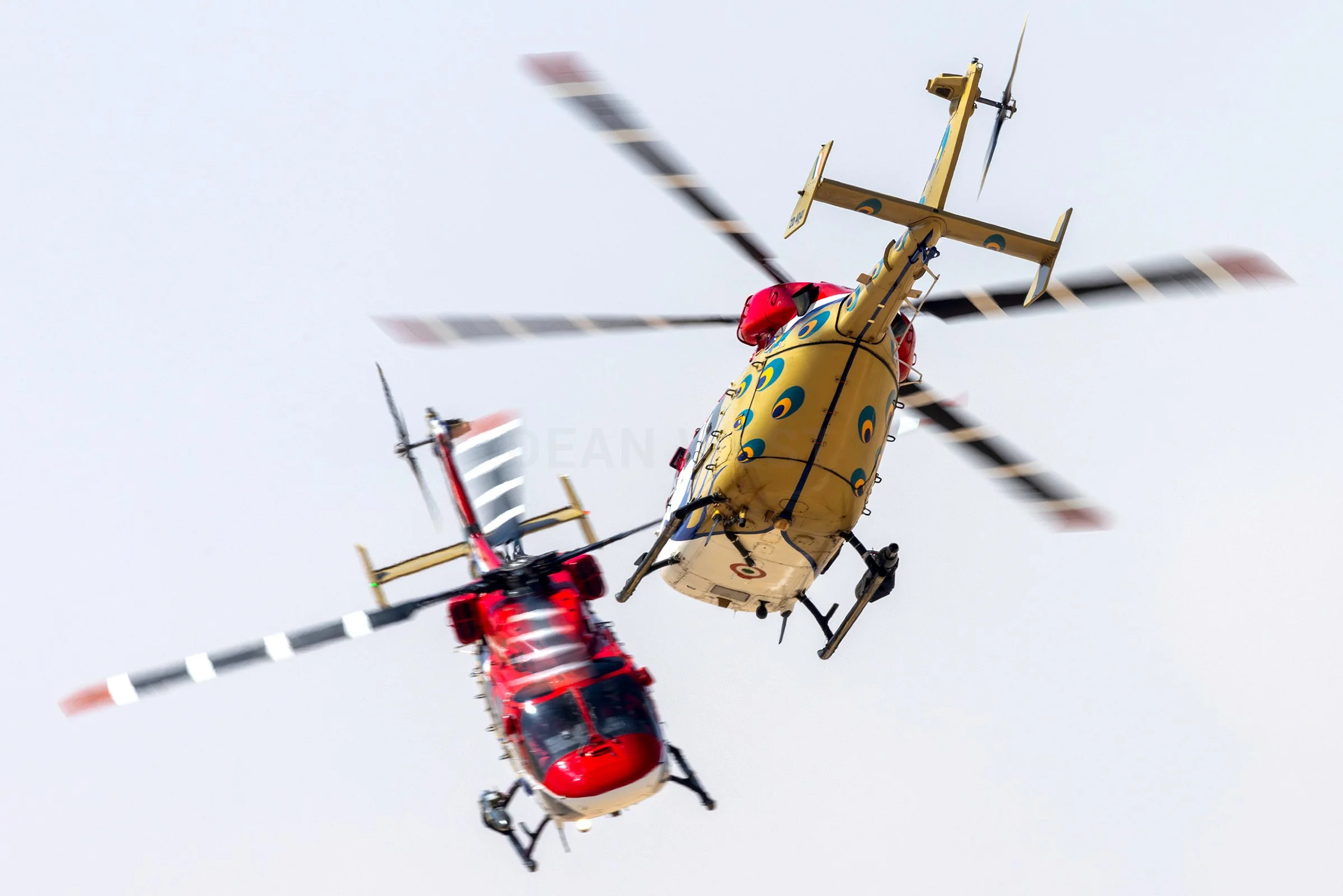
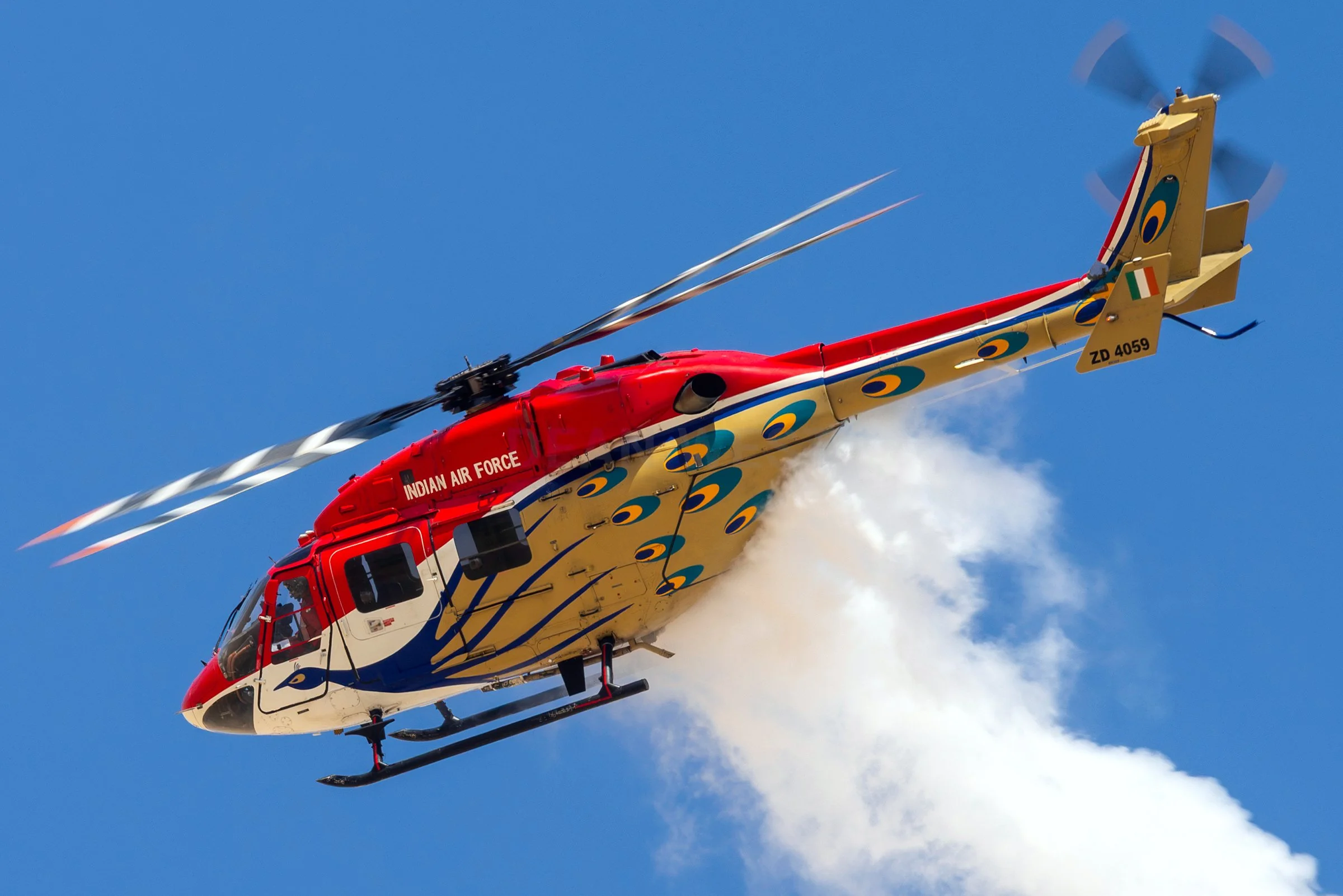
The UAE Air Force's Al Fursan team had been announced, the Indian Air Force Sarang display team was expected and rumours suggested one of the Russian Air Force's aerobatic teams might make the trip, while the French Rafale and Spanish Hornet displays had confirmed their own attendance. Beyond that, much remained speculation.
For enthusiasts, that uncertainty was refreshing.
Walking through the gates on the opening day felt less like attending a modern airshow and more like revisiting the hobby's pre-internet era. The aircraft parked across the static line-up revealed themselves one by one, often producing moments of genuine surprise.
Like many enthusiasts, I'd arrived with a reasonable appreciation of Egypt's frontline assets. Reviewing the inaugural 2024 event, Rafales, F-16s and MiG-29s were all expected to attend for the 2026 show. What quickly became apparent, however, was just how much the Egyptian Air Force had stepped up its support for this event.
Wandering through the static display, every few moments another aircraft came into view that prompted a double take, or more often an expletive of joy.
The static park was packed with the unexpected.
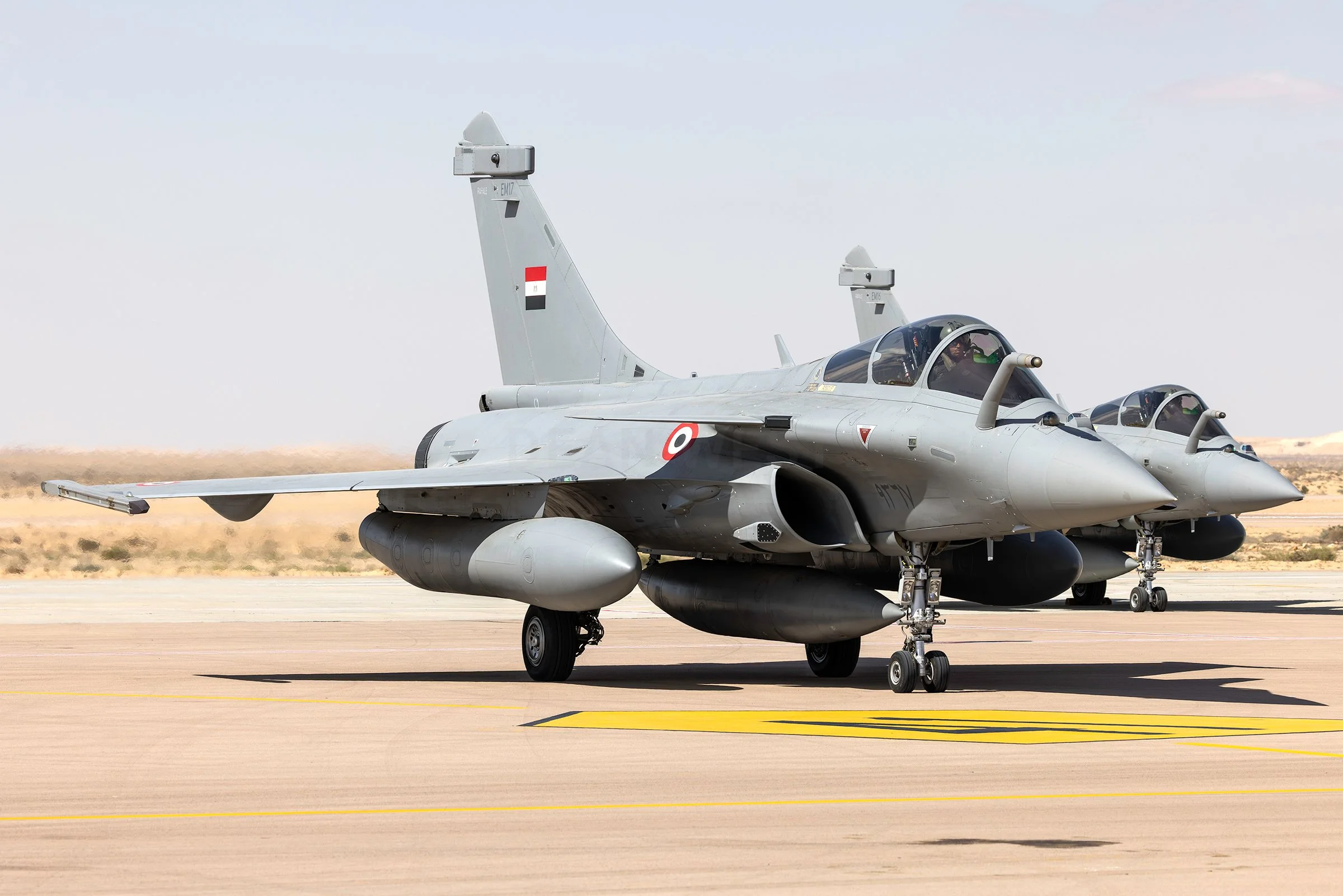
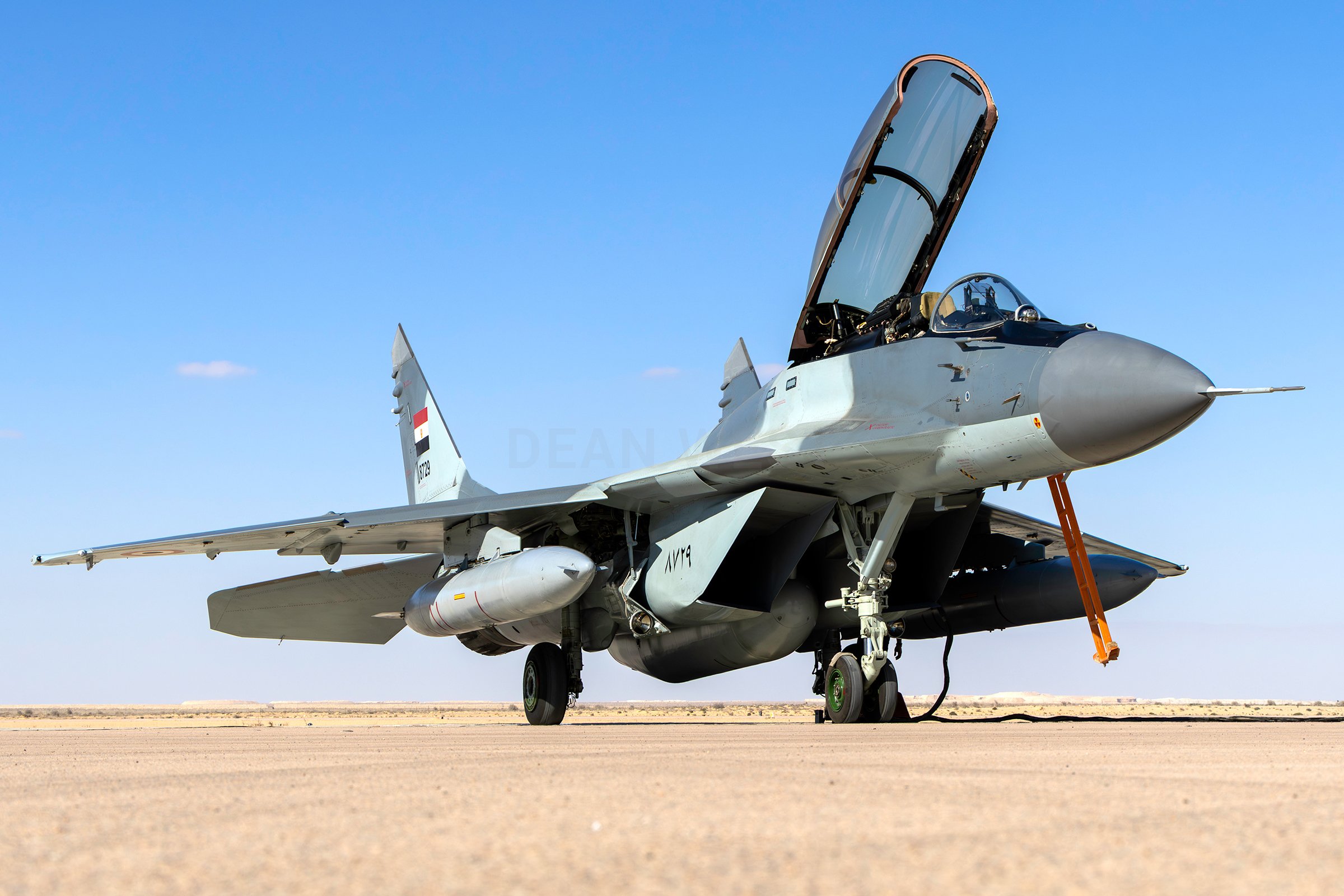
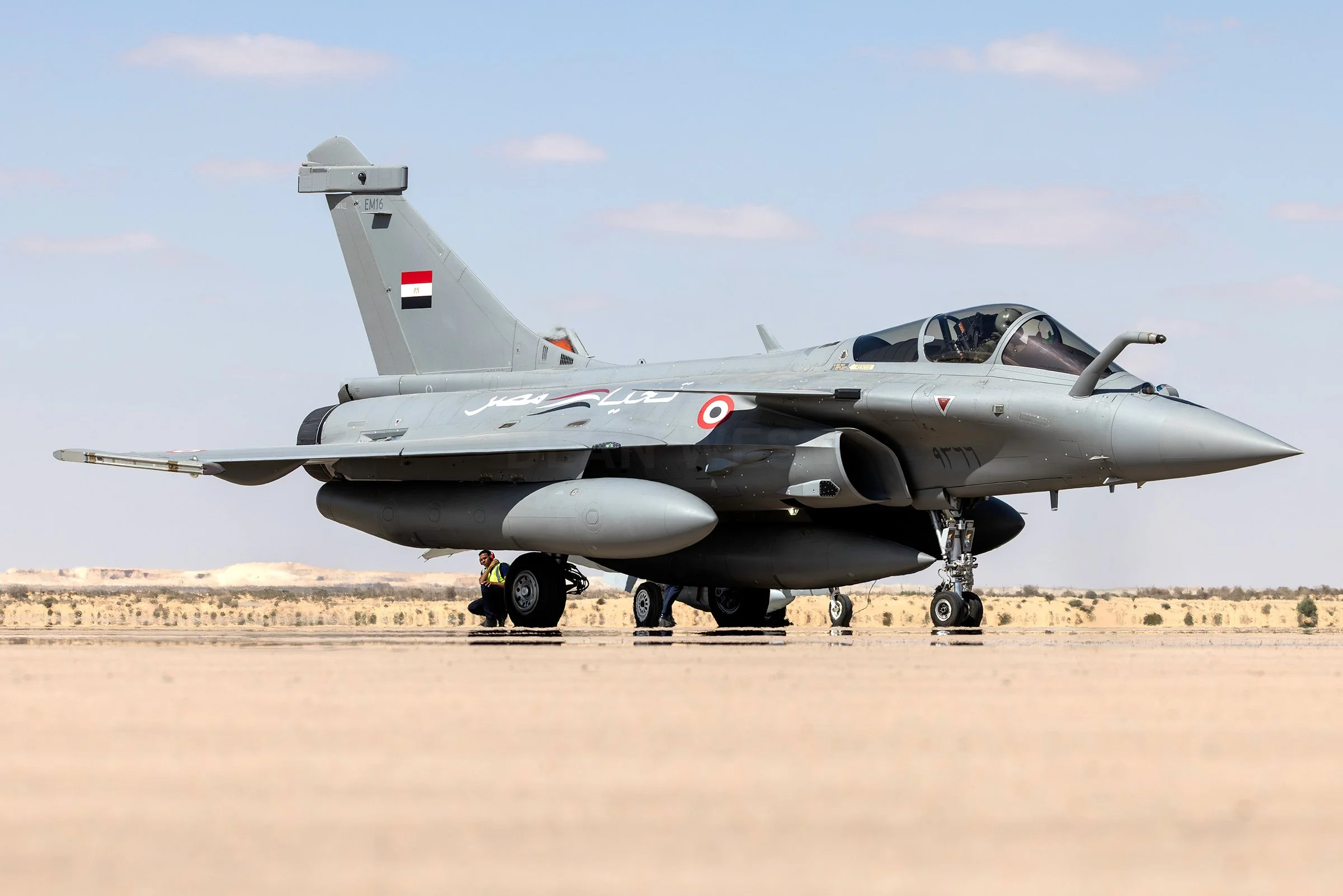
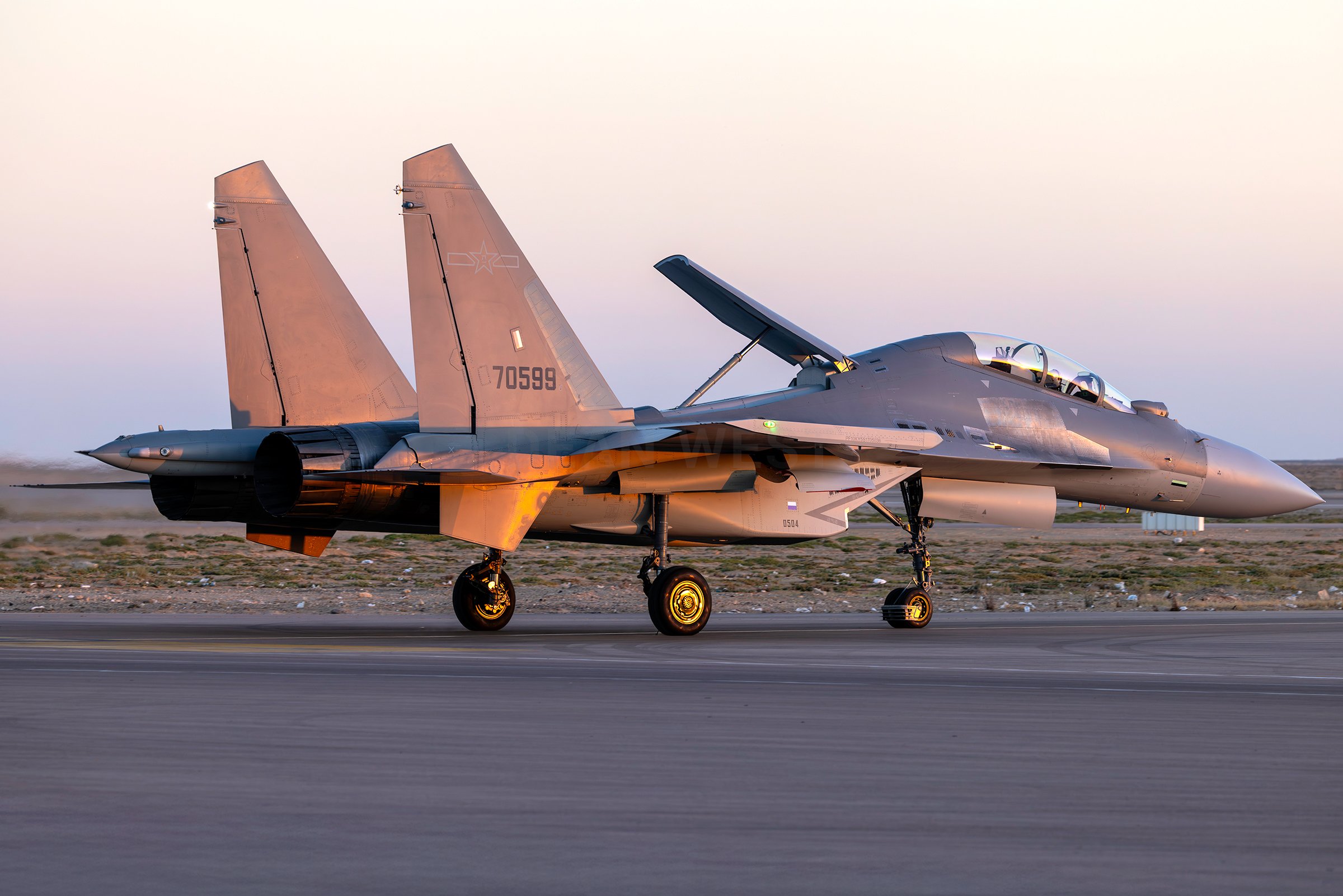
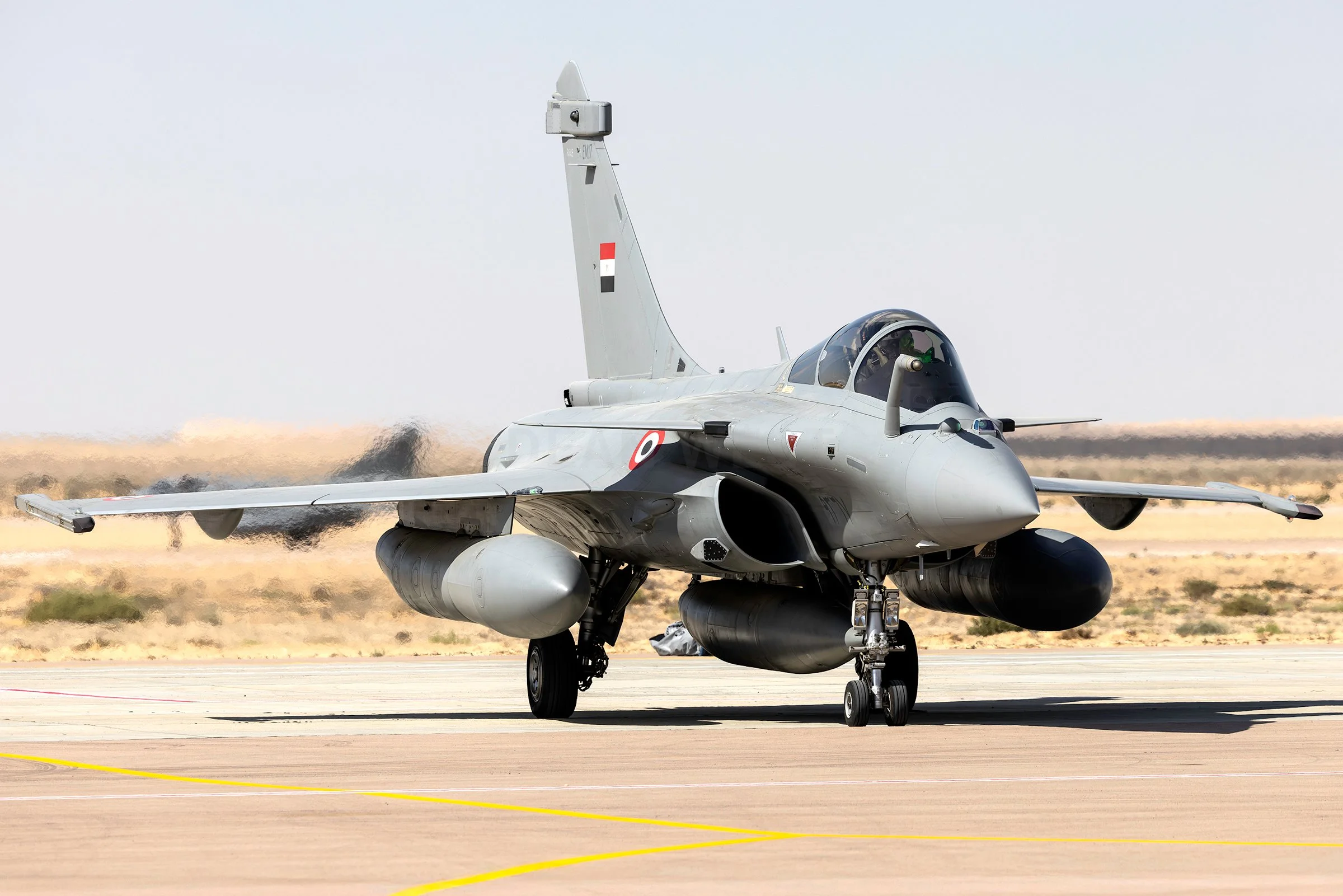
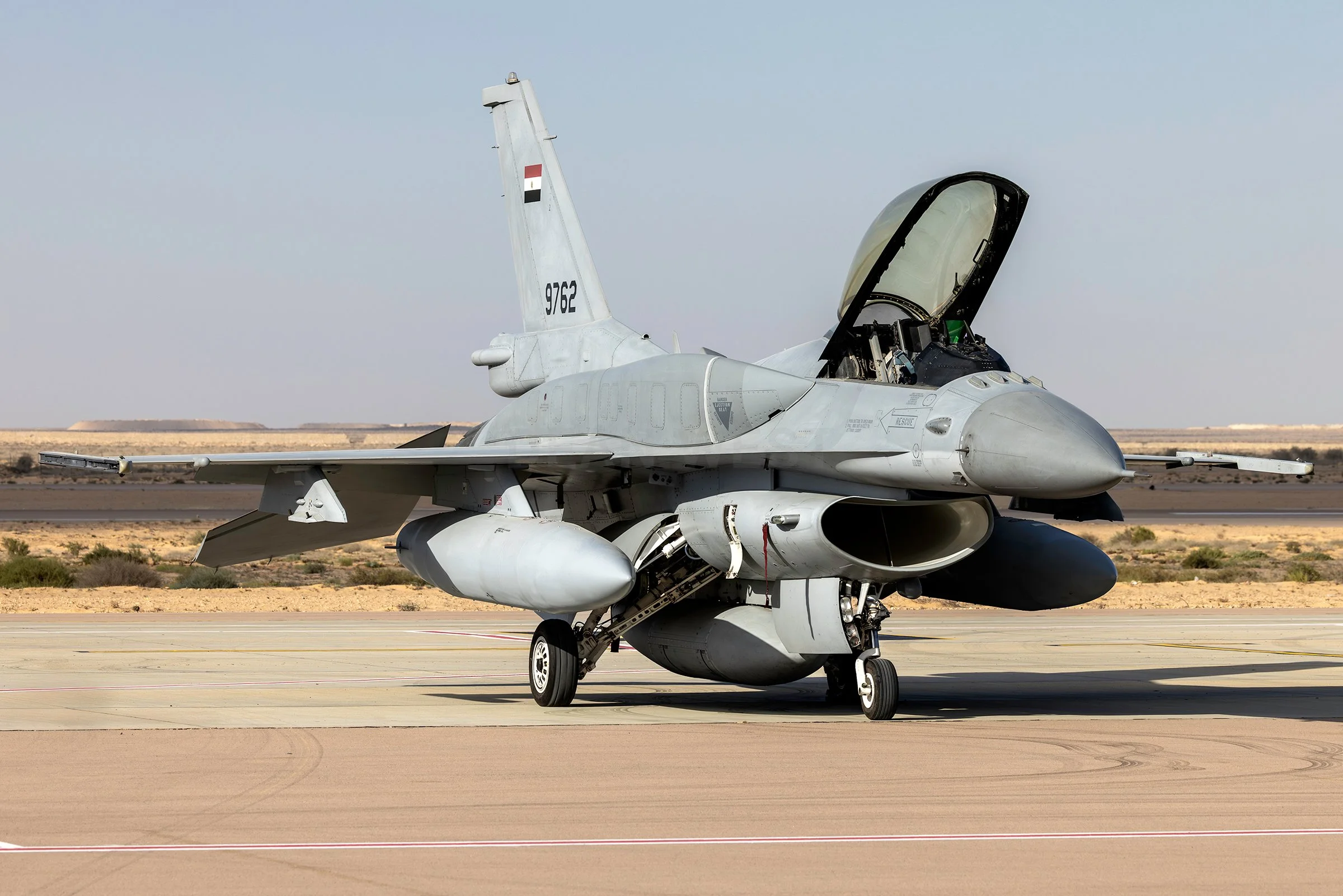
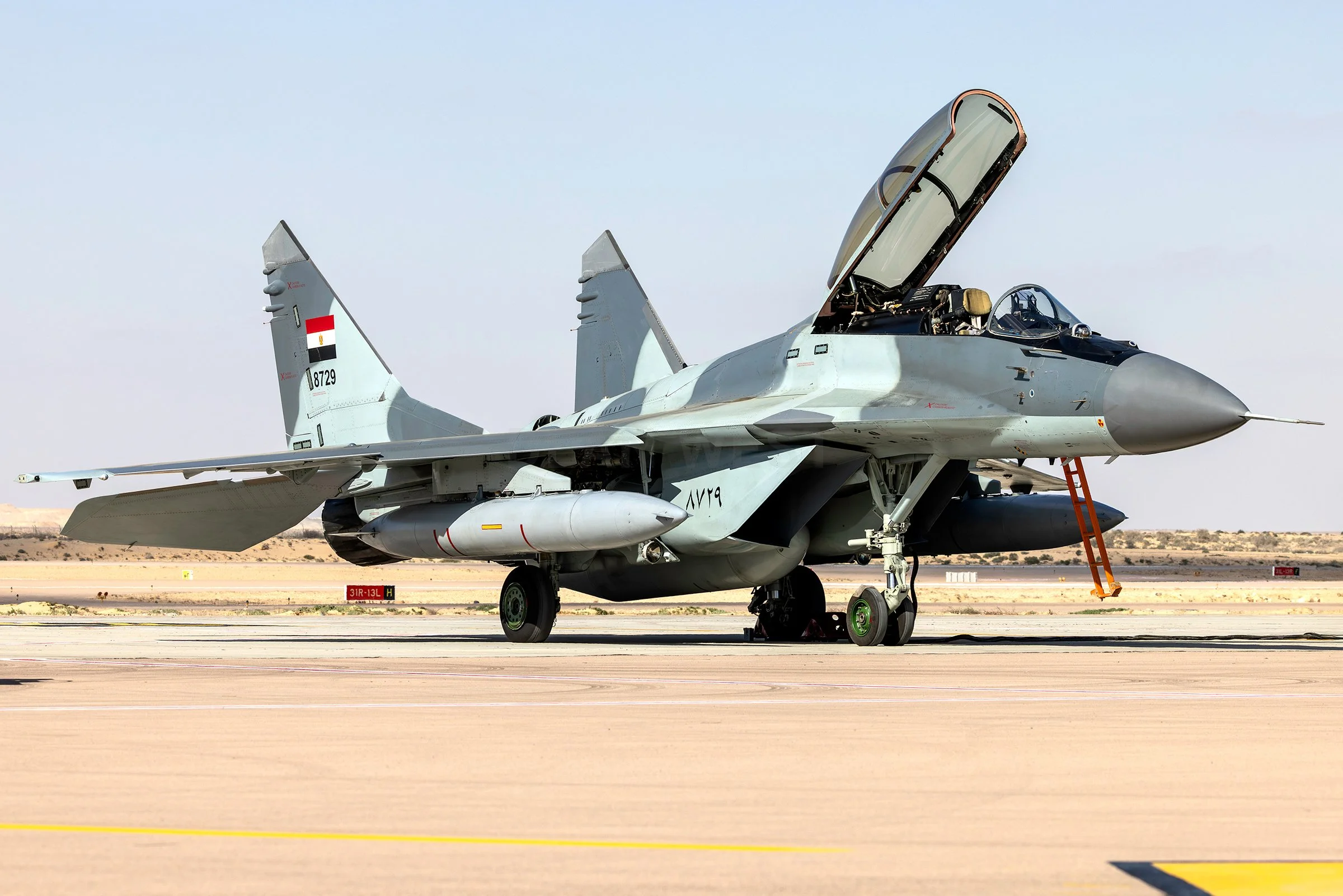
The anticipated fast jets were present, with pairs of Rafale EMs, F-16C Fighting Falcons and MiG-29M2 Fulcrum-Es leading the line in a chocka static display. The twin-stick MiG-29M2s were particularly stunning with their two-tone grey camouflage, while one of the F-16Cs was wearing the high-visibility dayglo orange markings, much to the delight of photographers. These markings are applied to some of the Egyptian Fighting Falcons to help identify them from the jets operated by neighbouring countries.
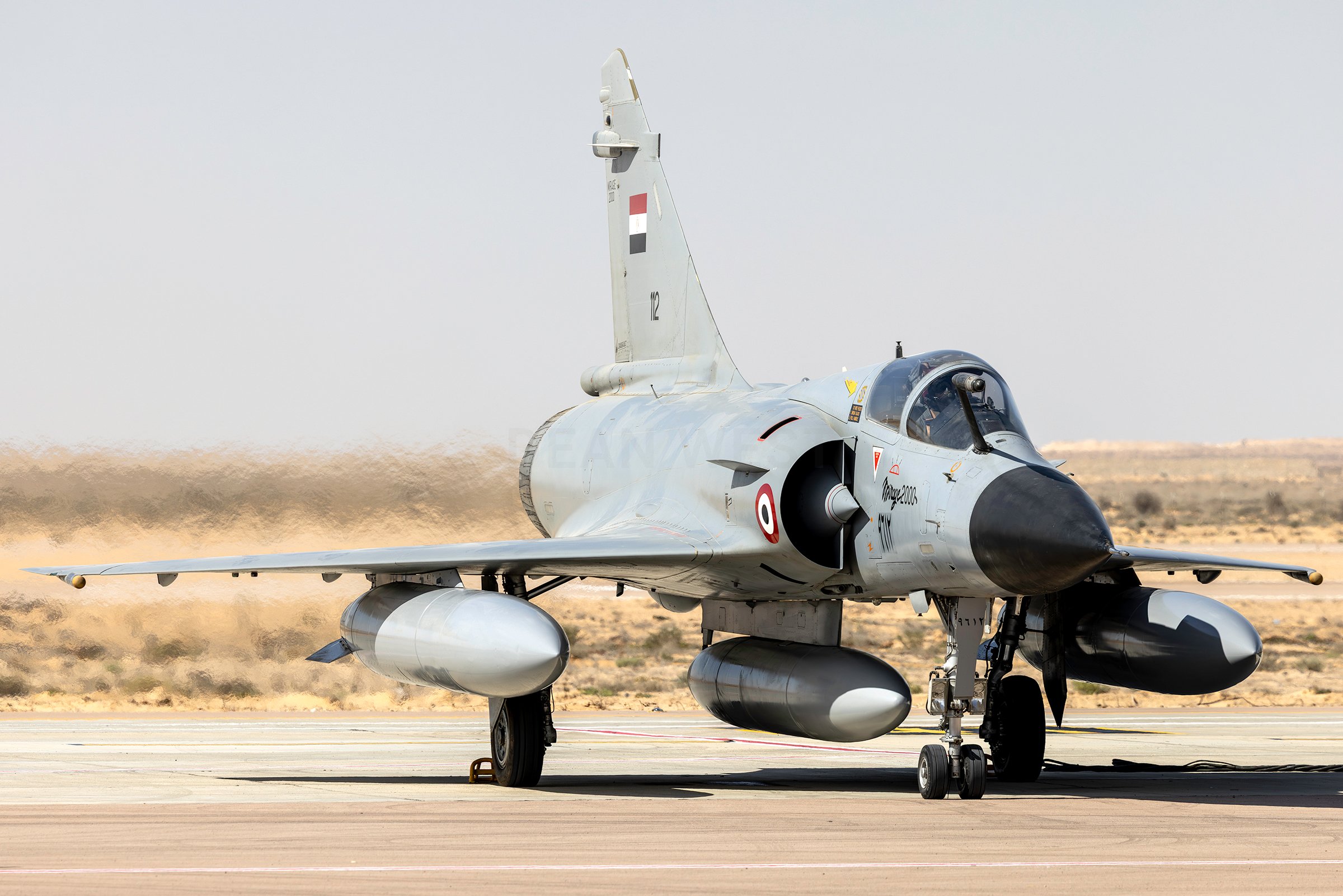
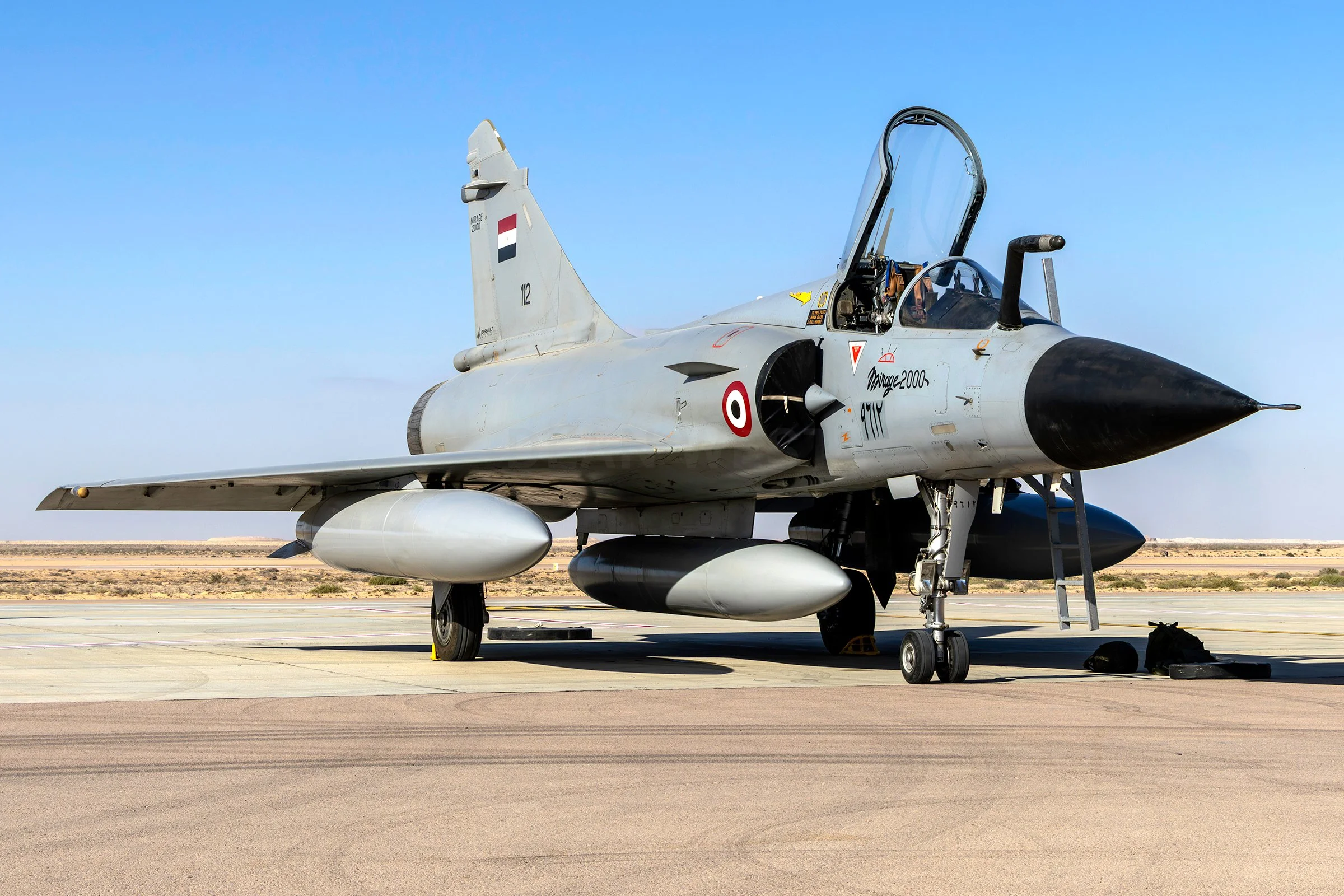
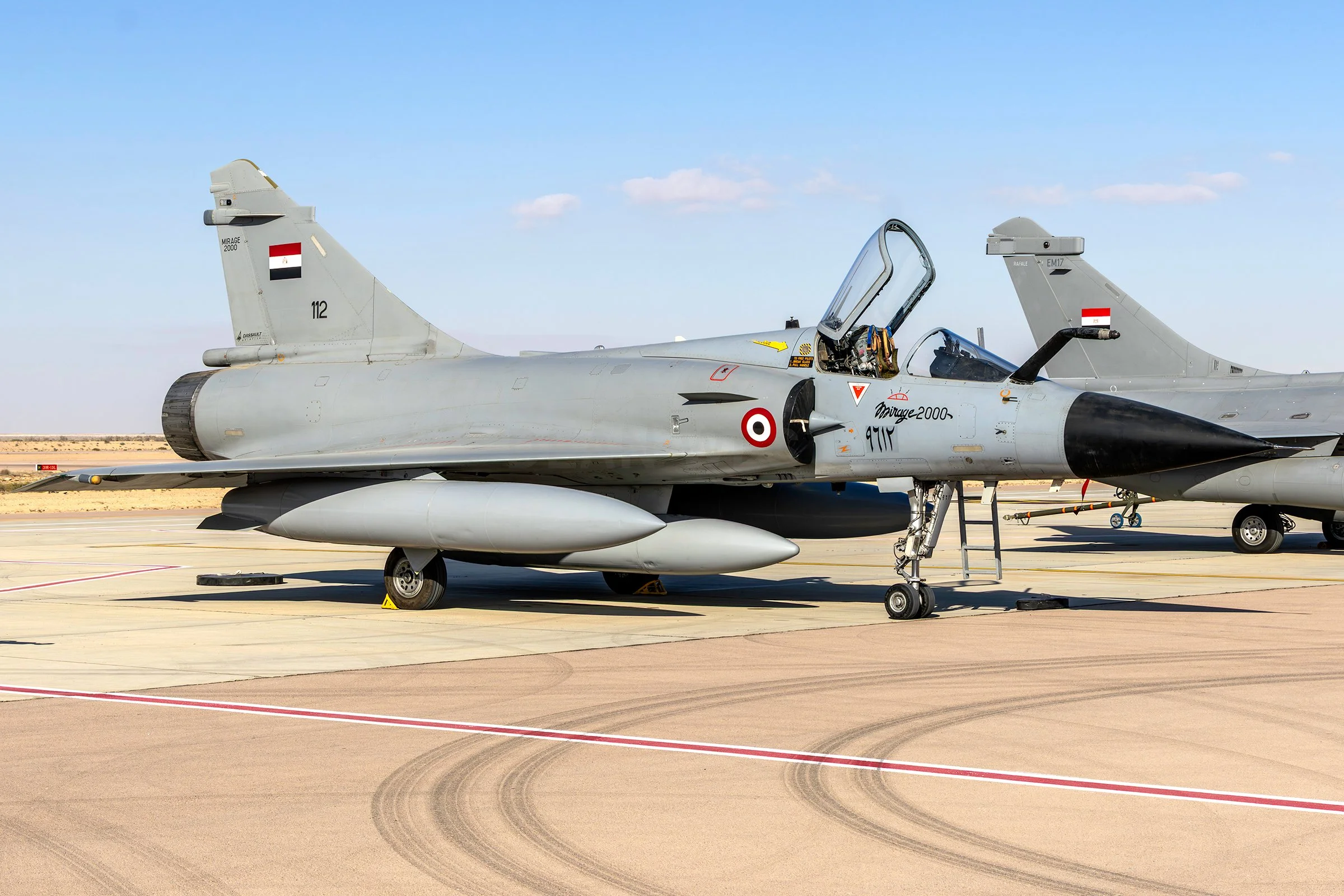
Having only ordered 20 Mirage 2000s back in the early 80s, it was far from guaranteed that the Egyptian Air Force would have the resources to send a jet for the show. However, in a rather uninspiring grey scheme, Mirage 2000EM 9612 was present in the static display, cramped between a SoloTürk-schemed F-16C and a mock-up of a UAE B-250T light attack aircraft. The Egyptian Deux-Milles are some of the oldest flying Mirage 2000s in the world and, with minimal upgrades during their nearly 40-year service lives, it is anticipated that the jets will eventually be replaced by the Rafale.
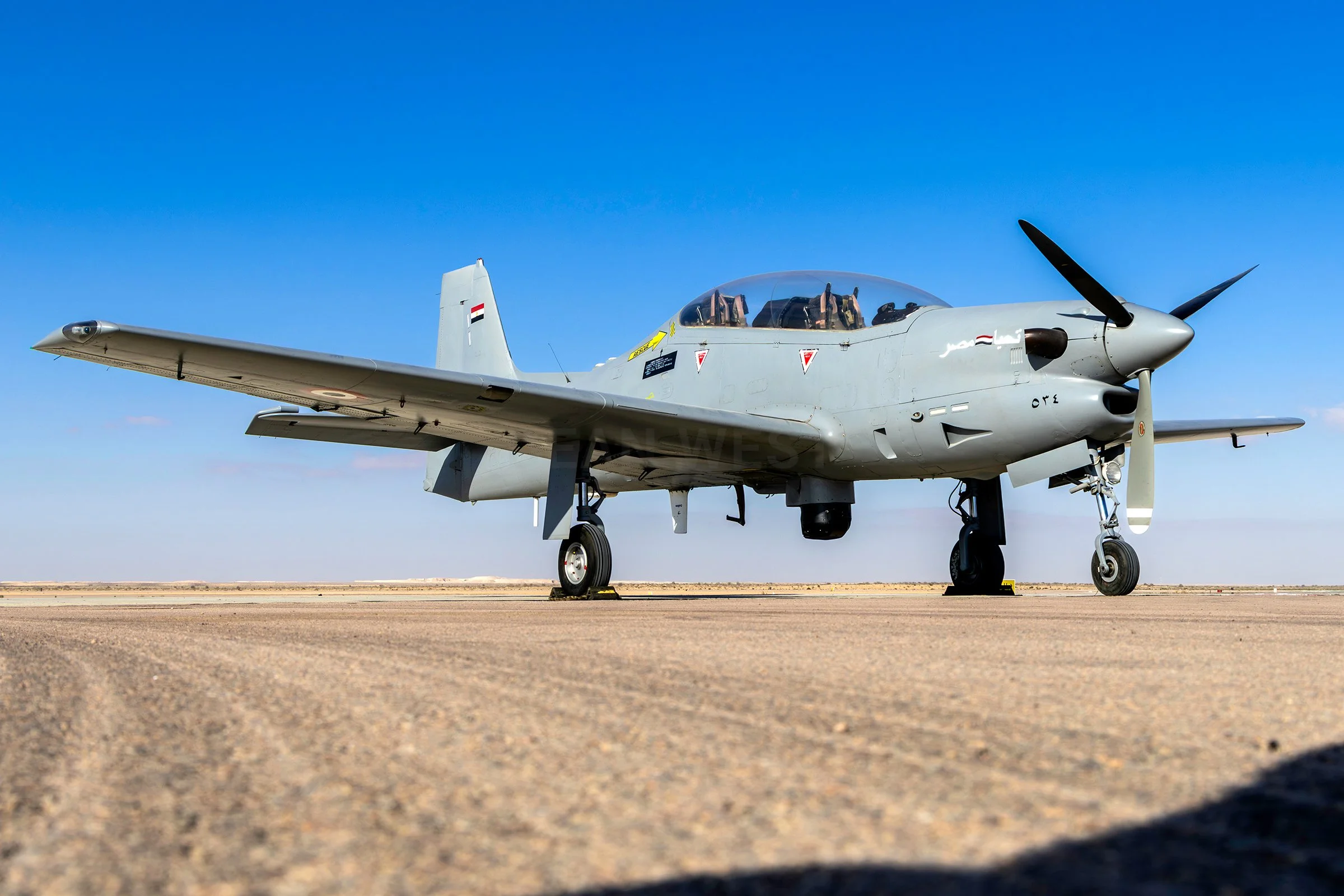
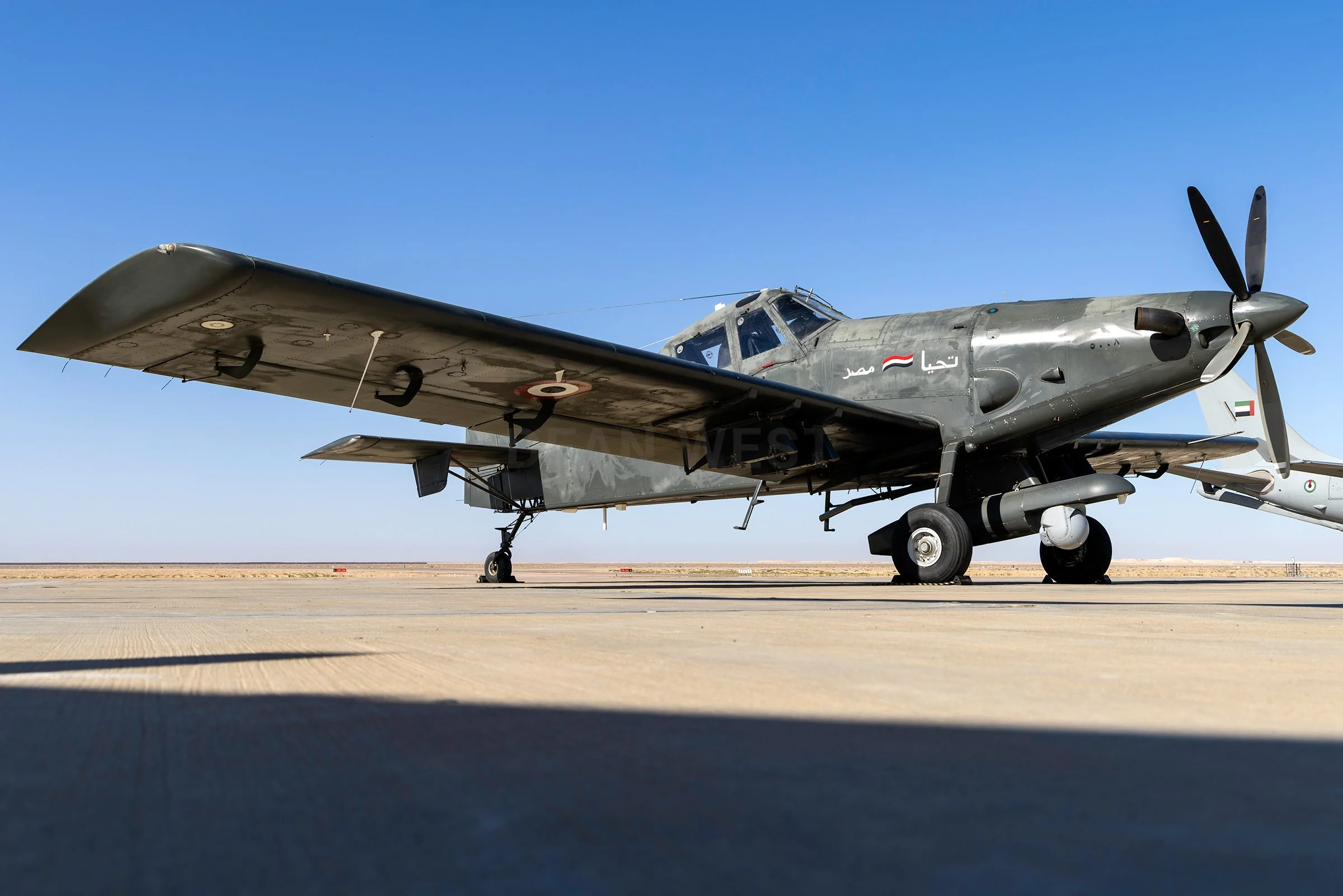
Away from the fast air, there were further fixed-wing stars hidden in the static. A few metres beyond the Mirage 2000 was a personal highlight in the shape of an EMB-312EA, which although originally used in EAF service as a trainer, is now utilised for light attack, observation and AT-802 pilot training. On that note, an Air Tractor was present in the static too, with 5008 being one of 12 AT-802s donated by the UAE sometime around 2015.
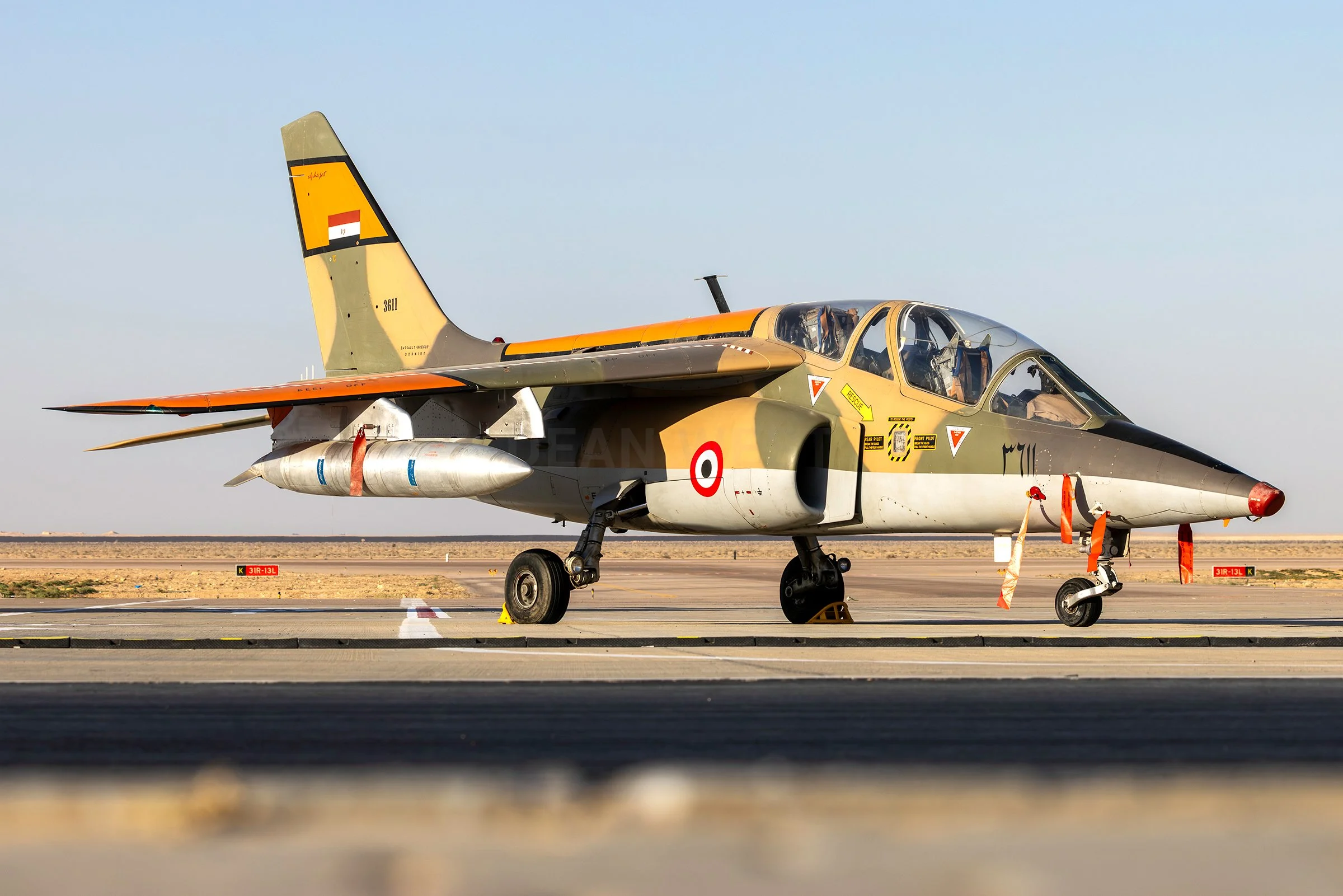
One of the most exciting moments was walking past a static MiG-29 and spotting a little Alpha Jet MS2 sitting there in all its camouflaged glory. Operated in the ground attack training role, the top surfaces of the jet are covered in a stunning green and sand-coloured scheme, complete with the dayglo orange patches also noted on some of the EAF's F-16s. A truly unexpected gem from the event.
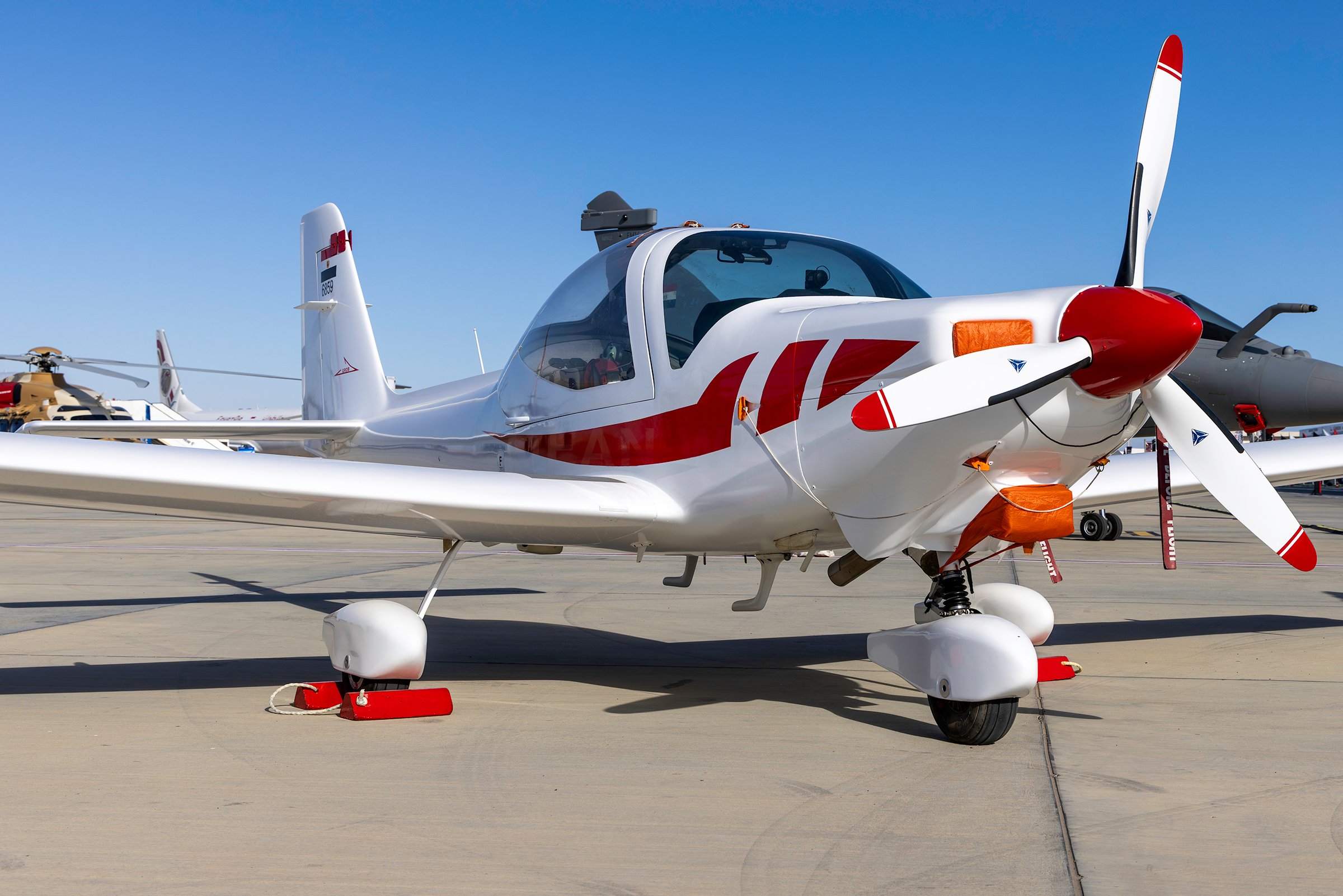
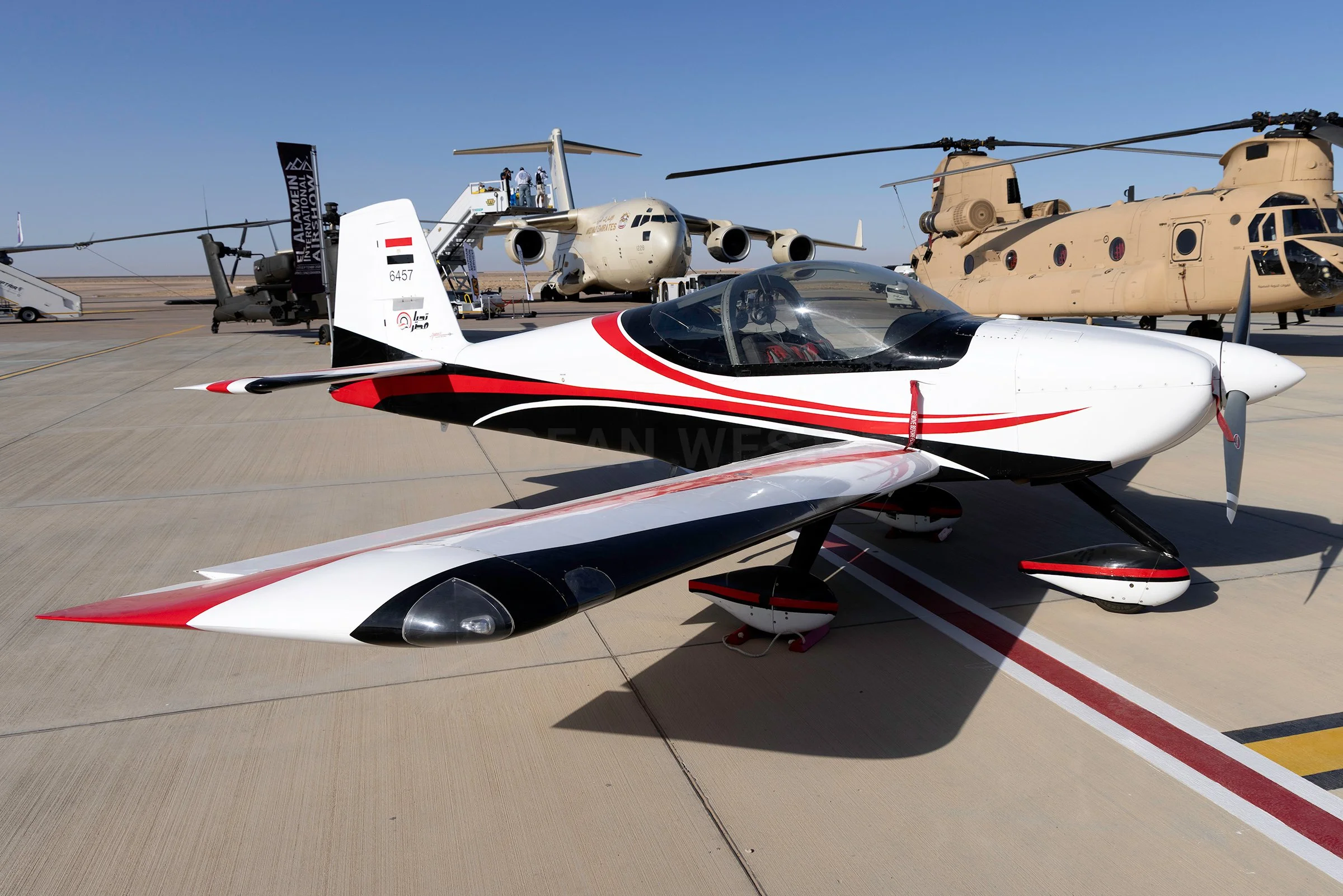
Completing the lighter end of the Egyptian Air Force's fixed-wing line-up were a Van's RV-14A primary trainer alongside a Grob 115EG. Now, these two are nowhere near as exciting as a Rafale or Mirage 2000, but where else are you going to get an opportunity to see these Egyptian Air Force trainers?
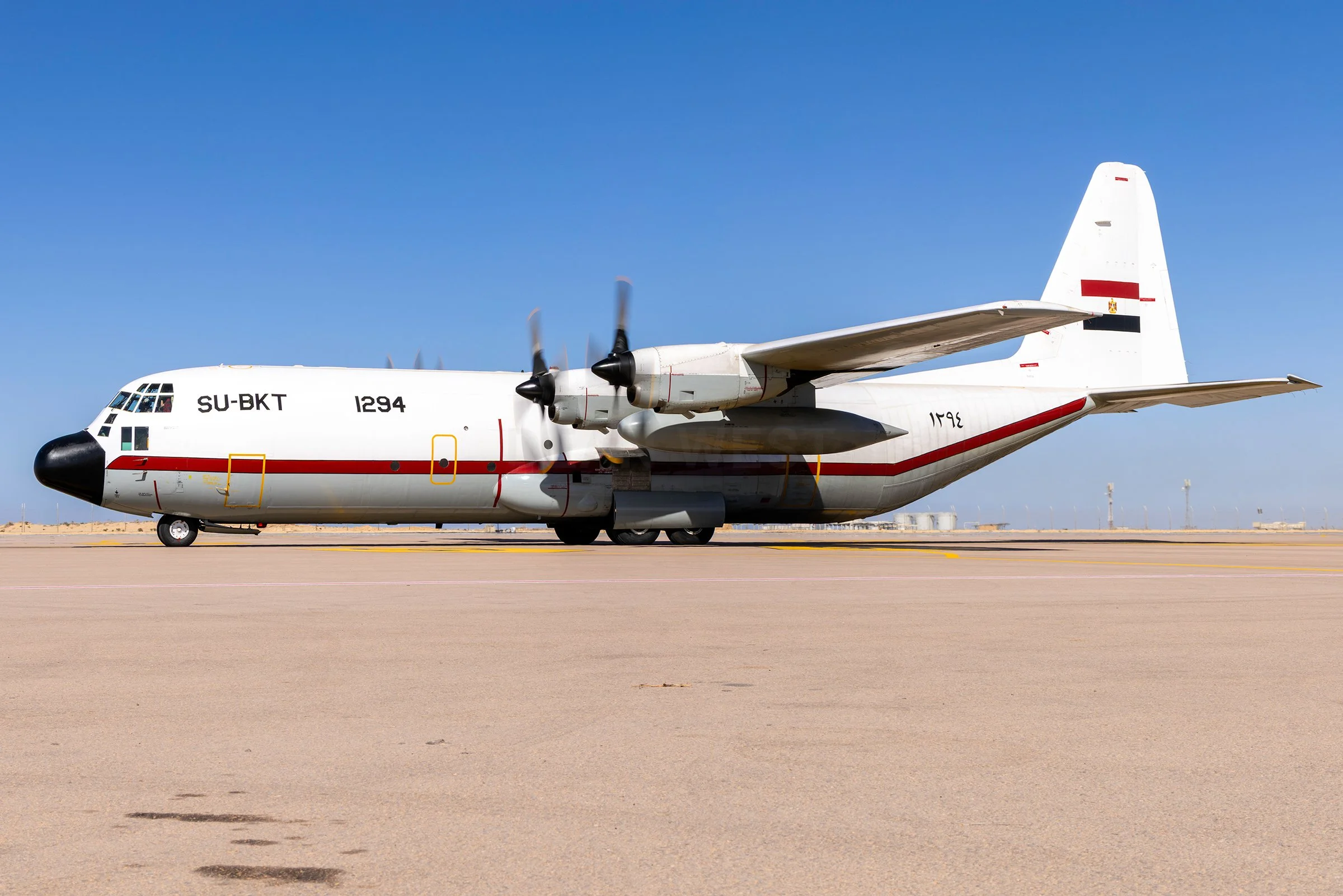
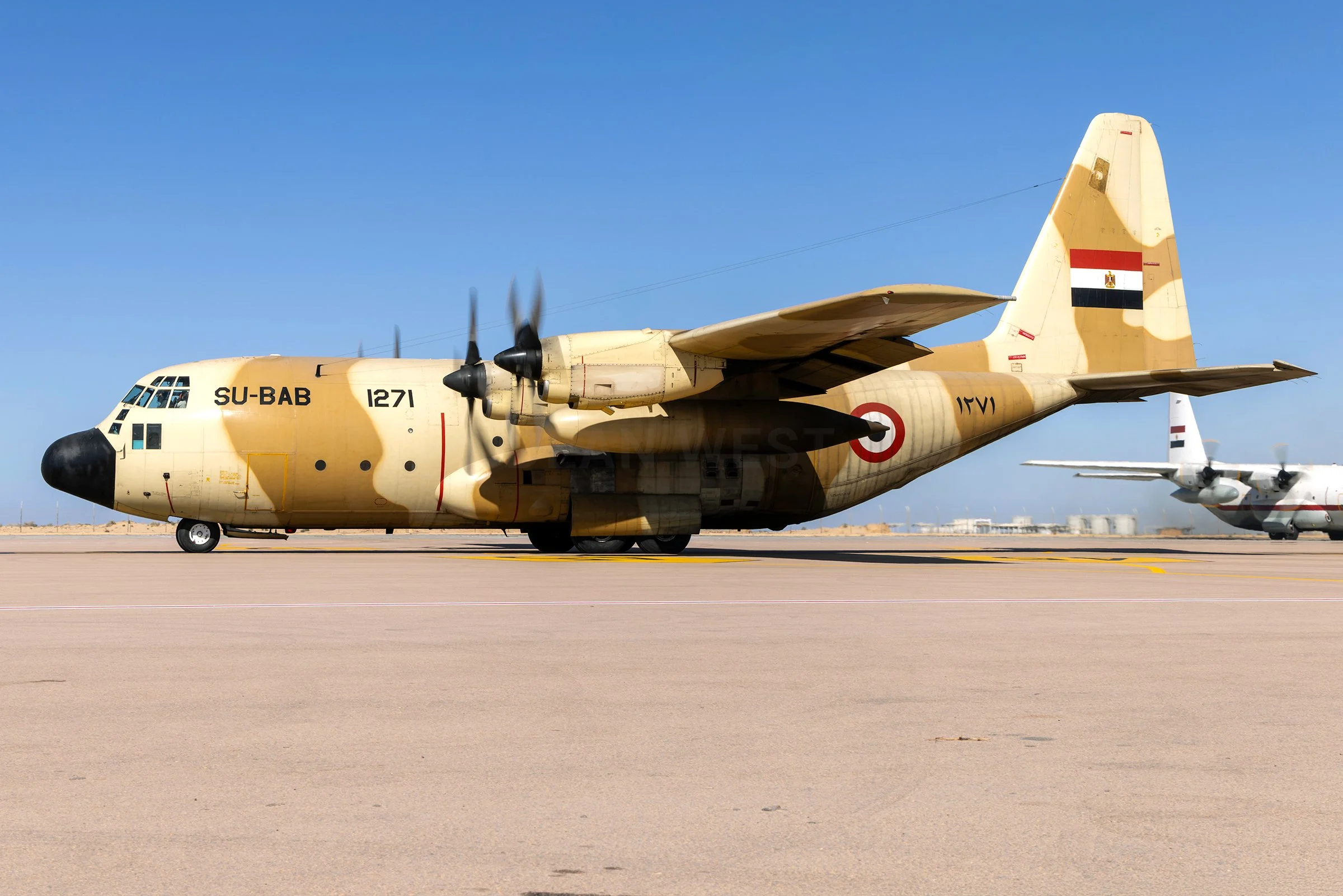
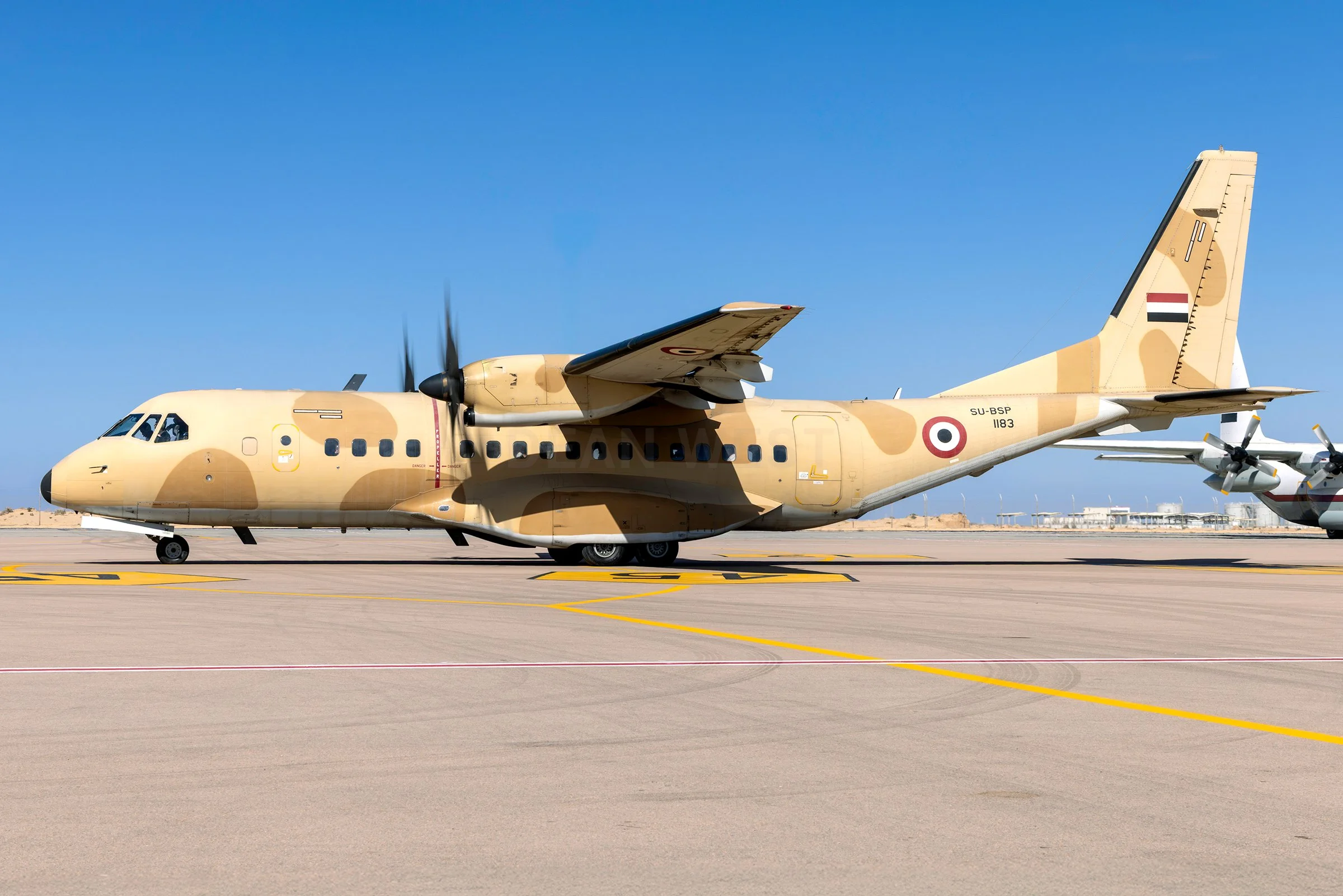
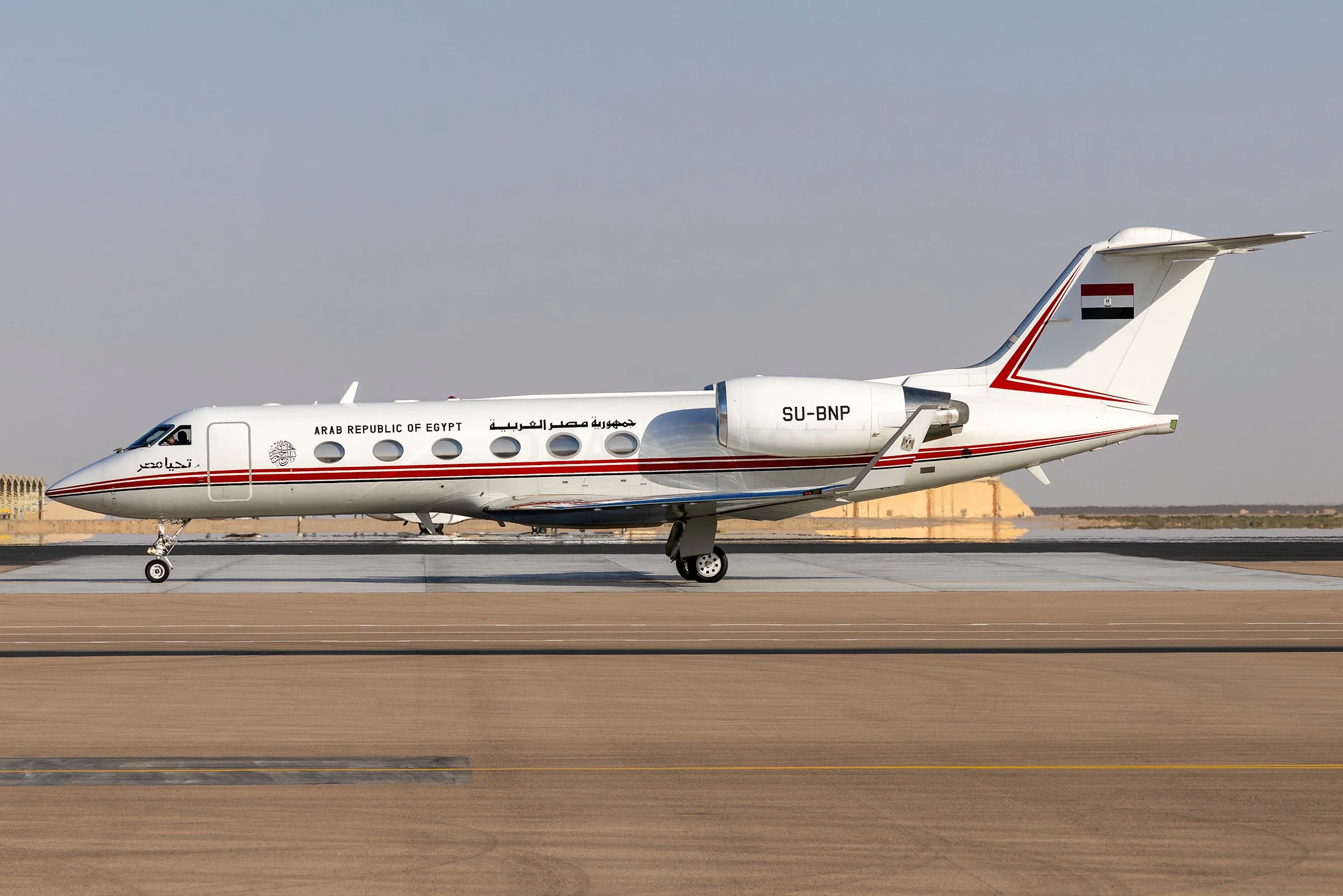
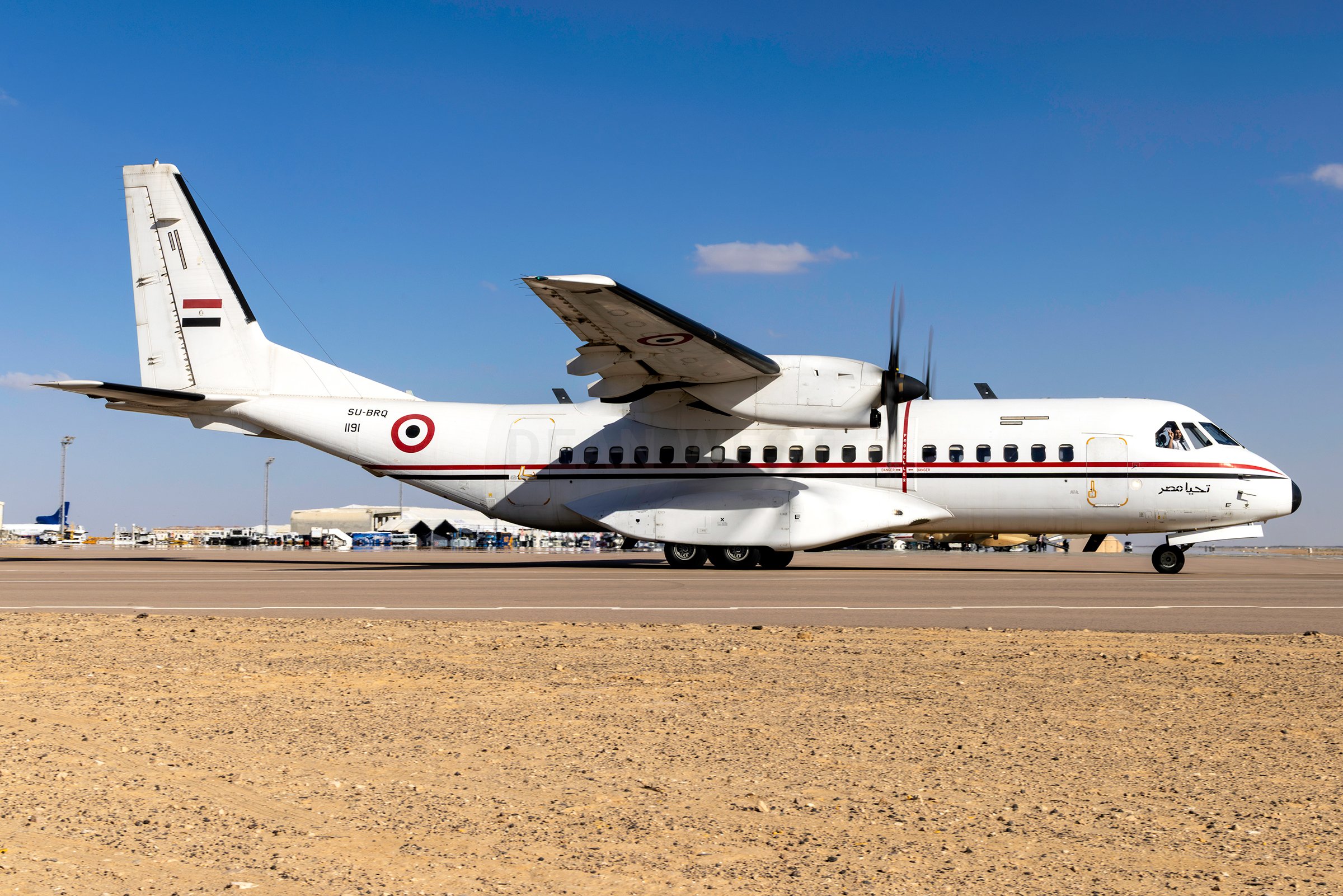
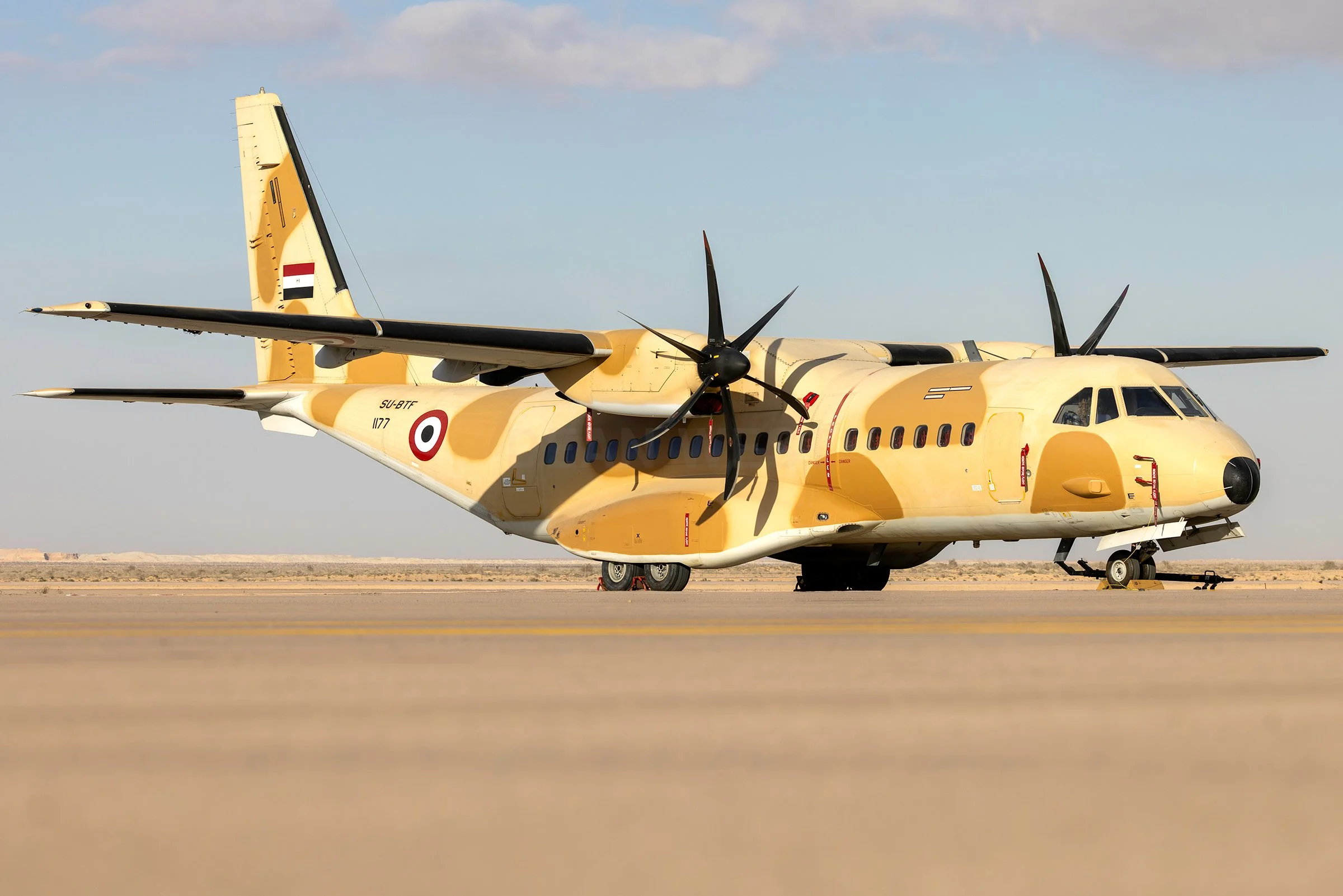
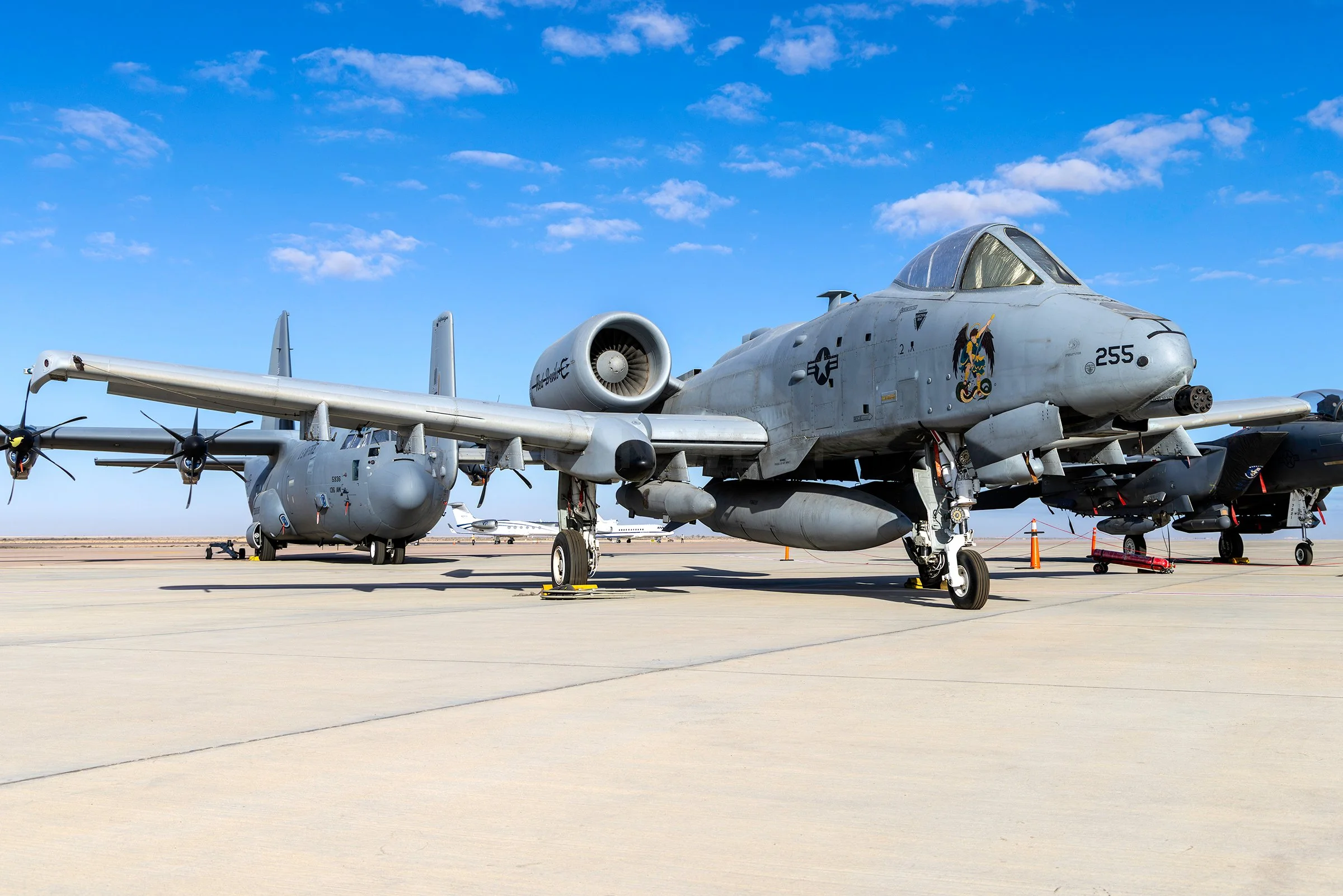
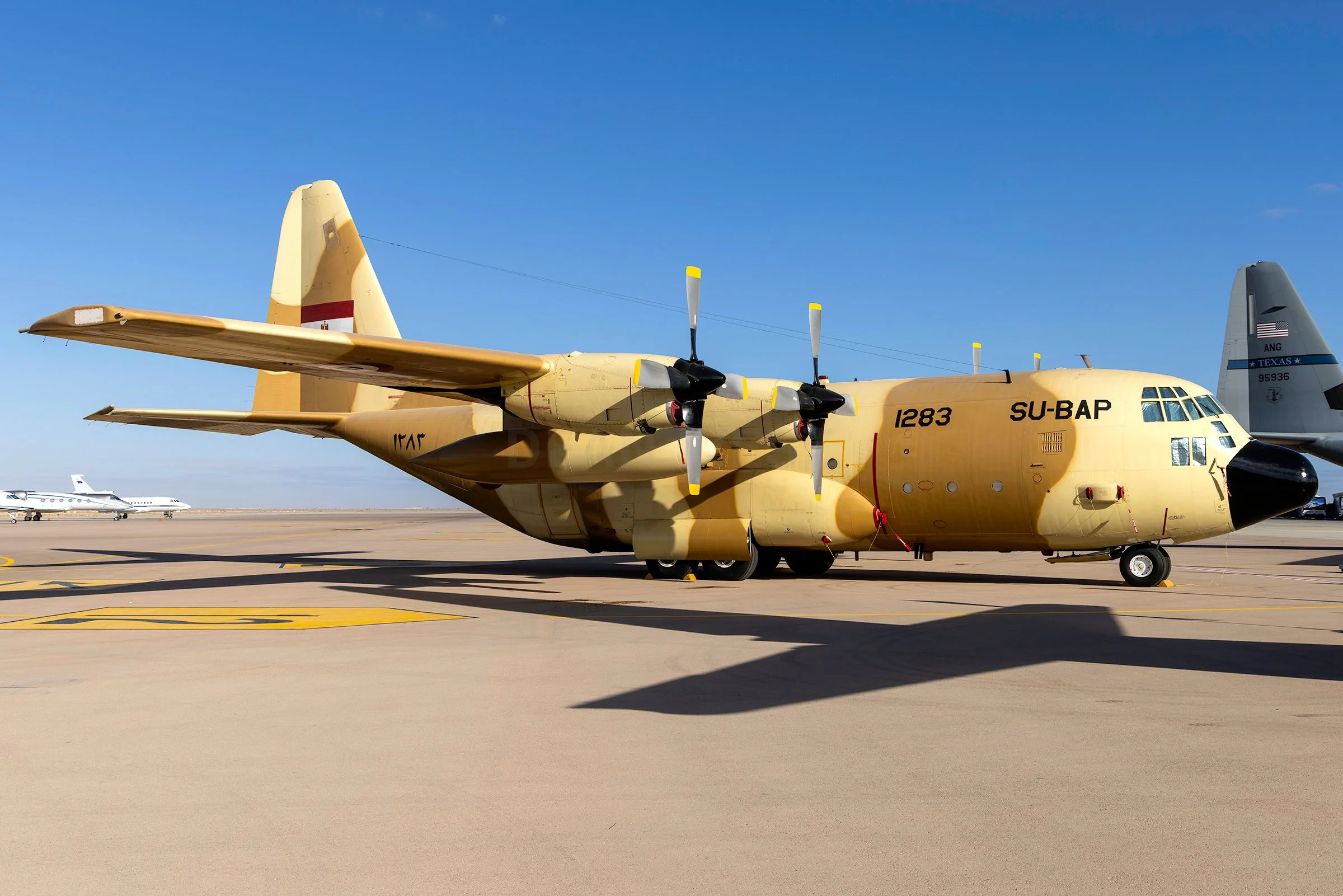
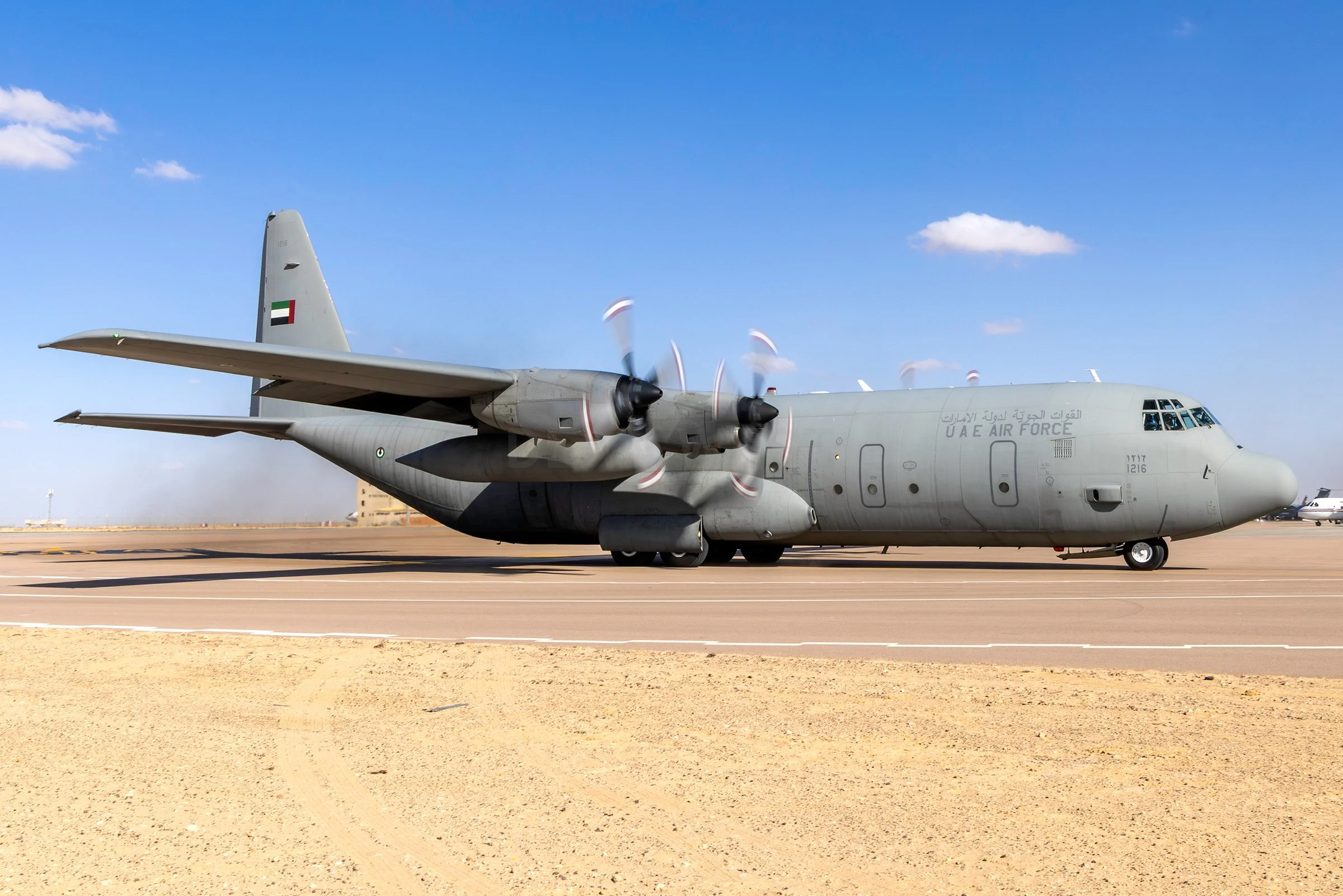
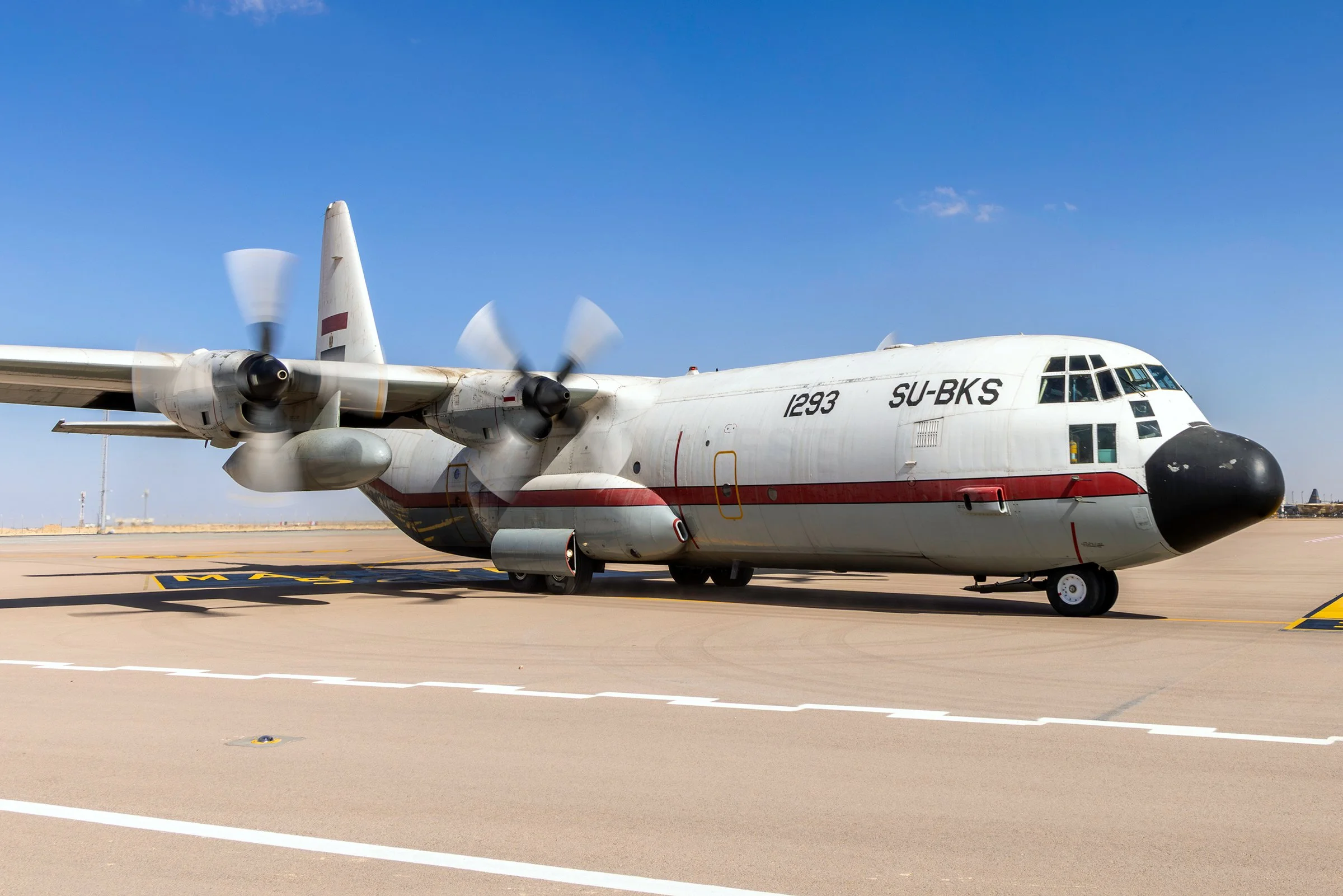
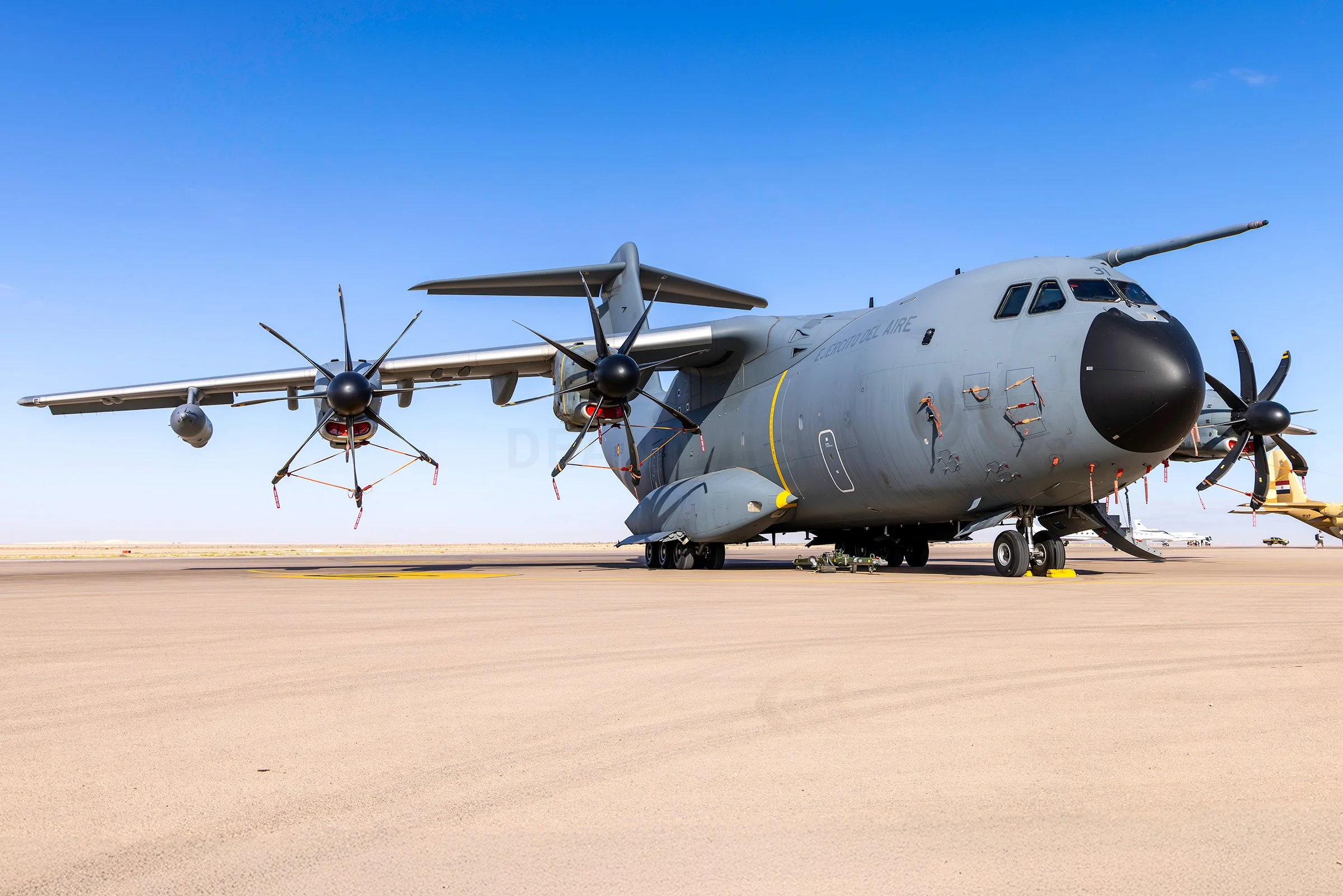
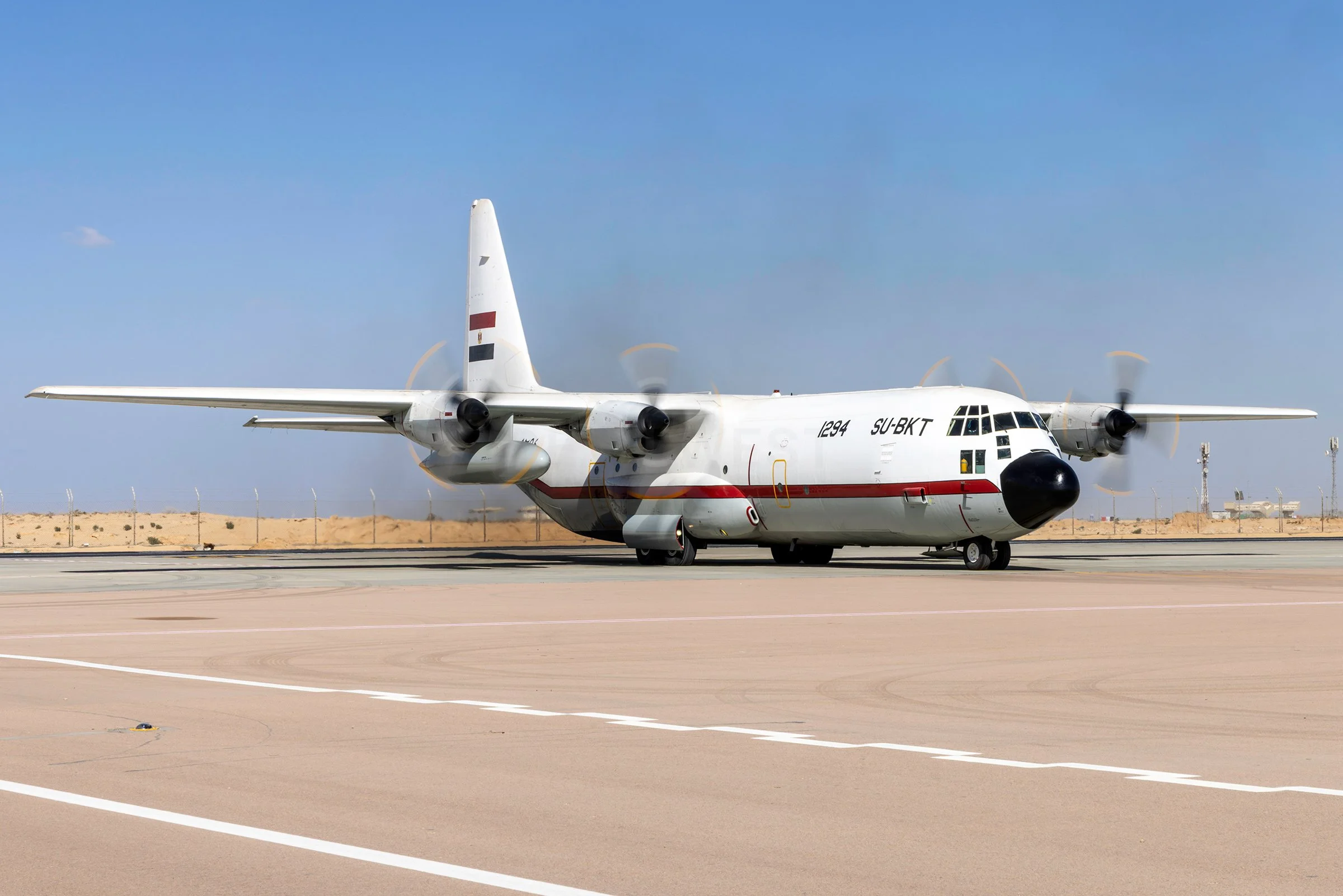
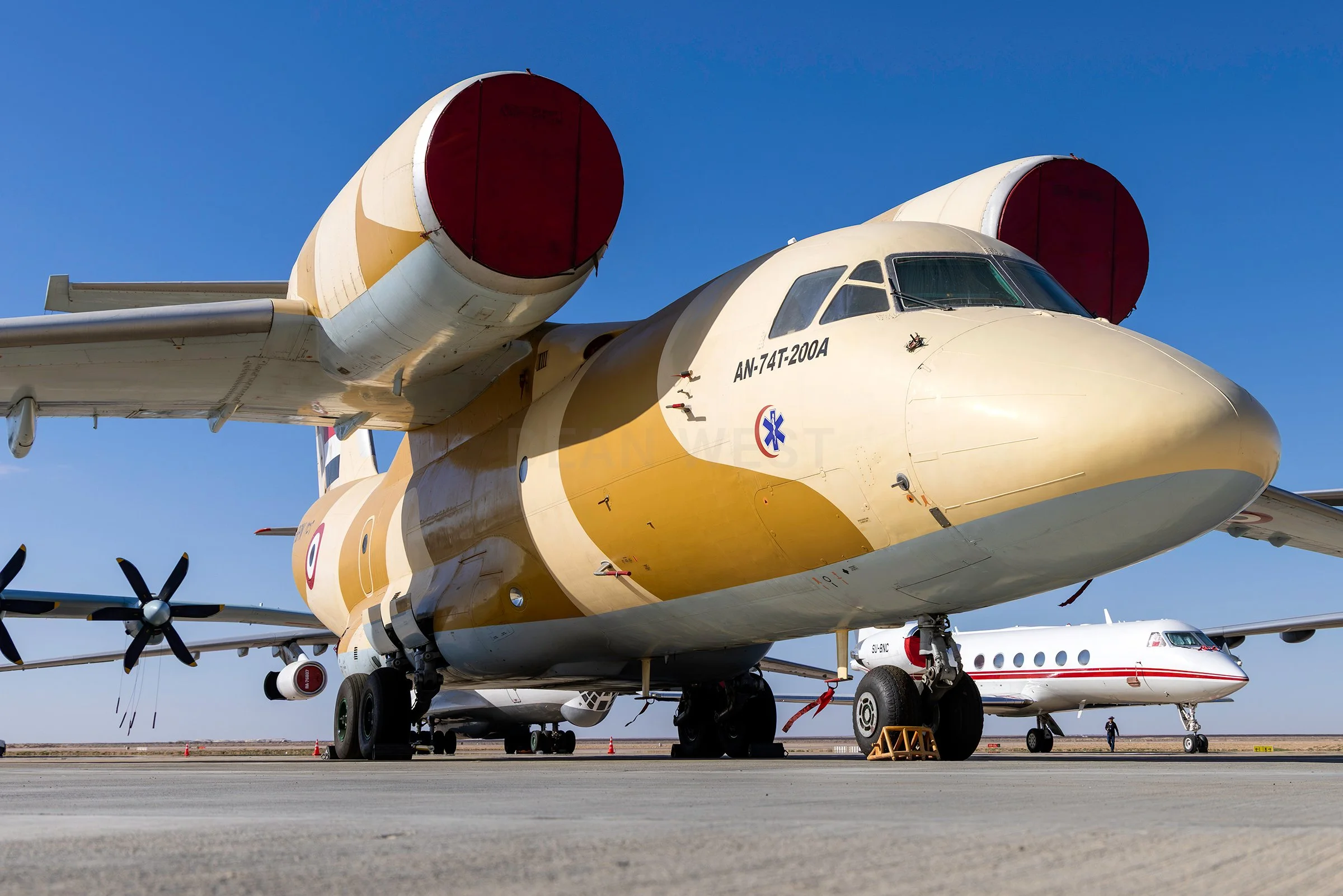
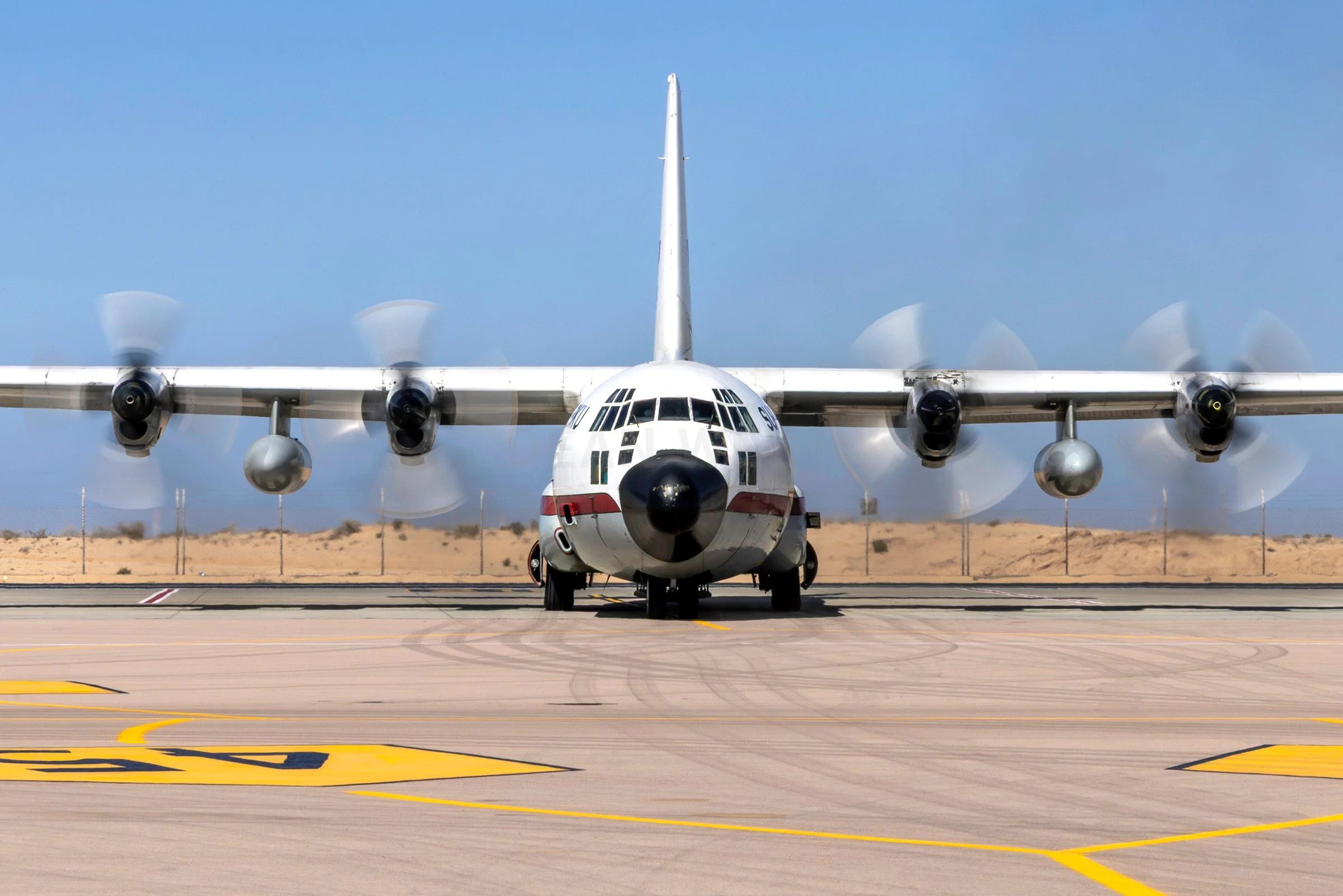
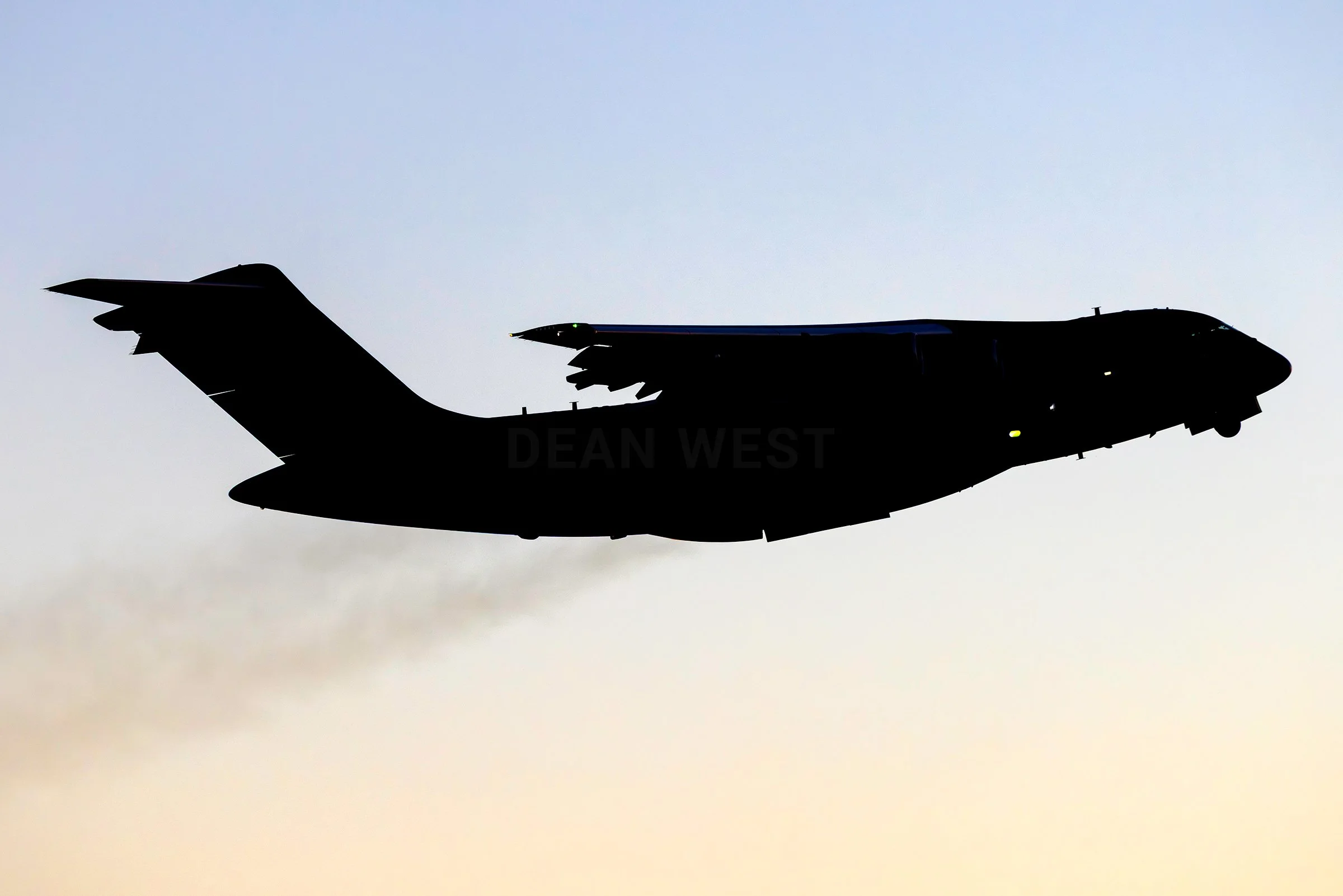
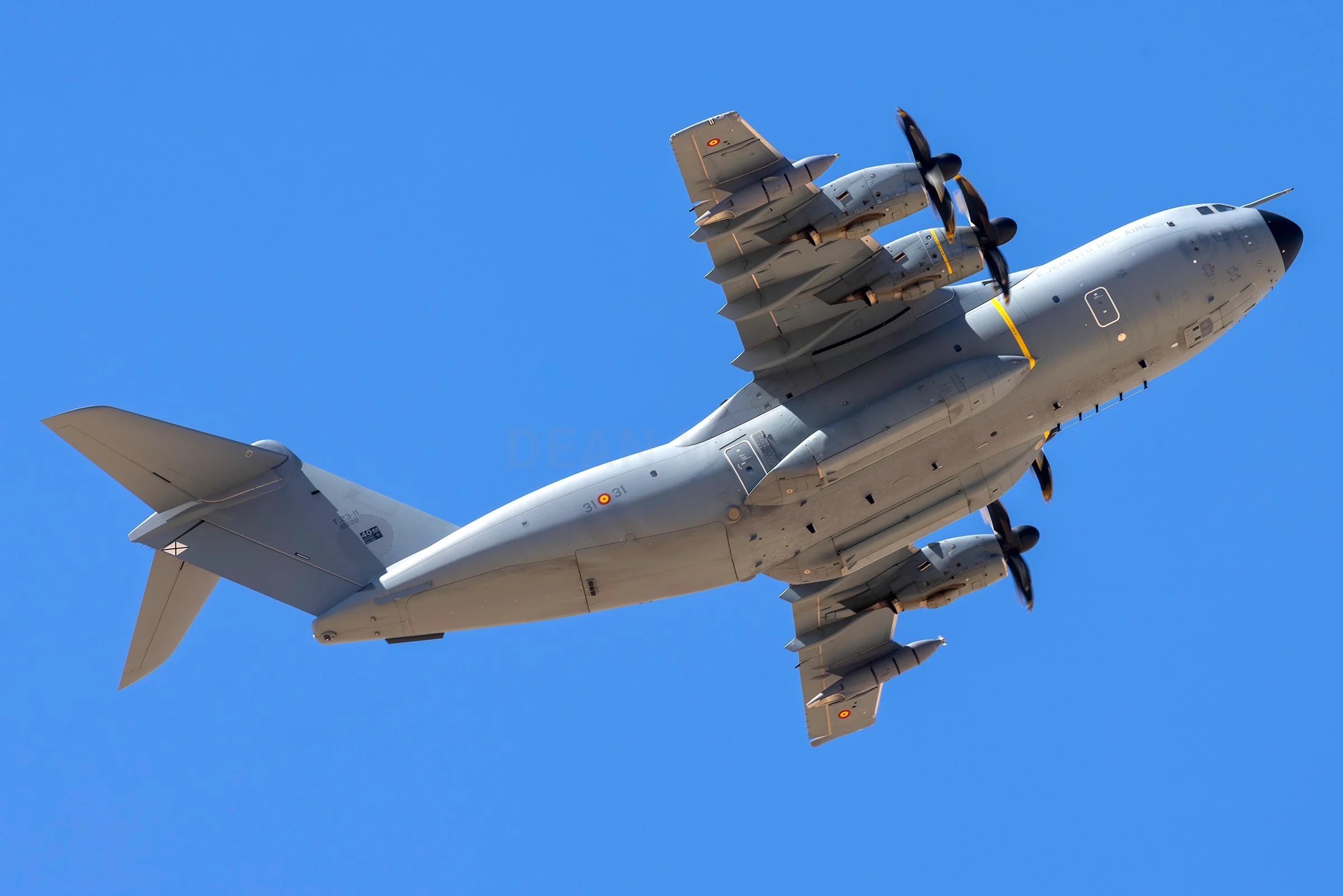
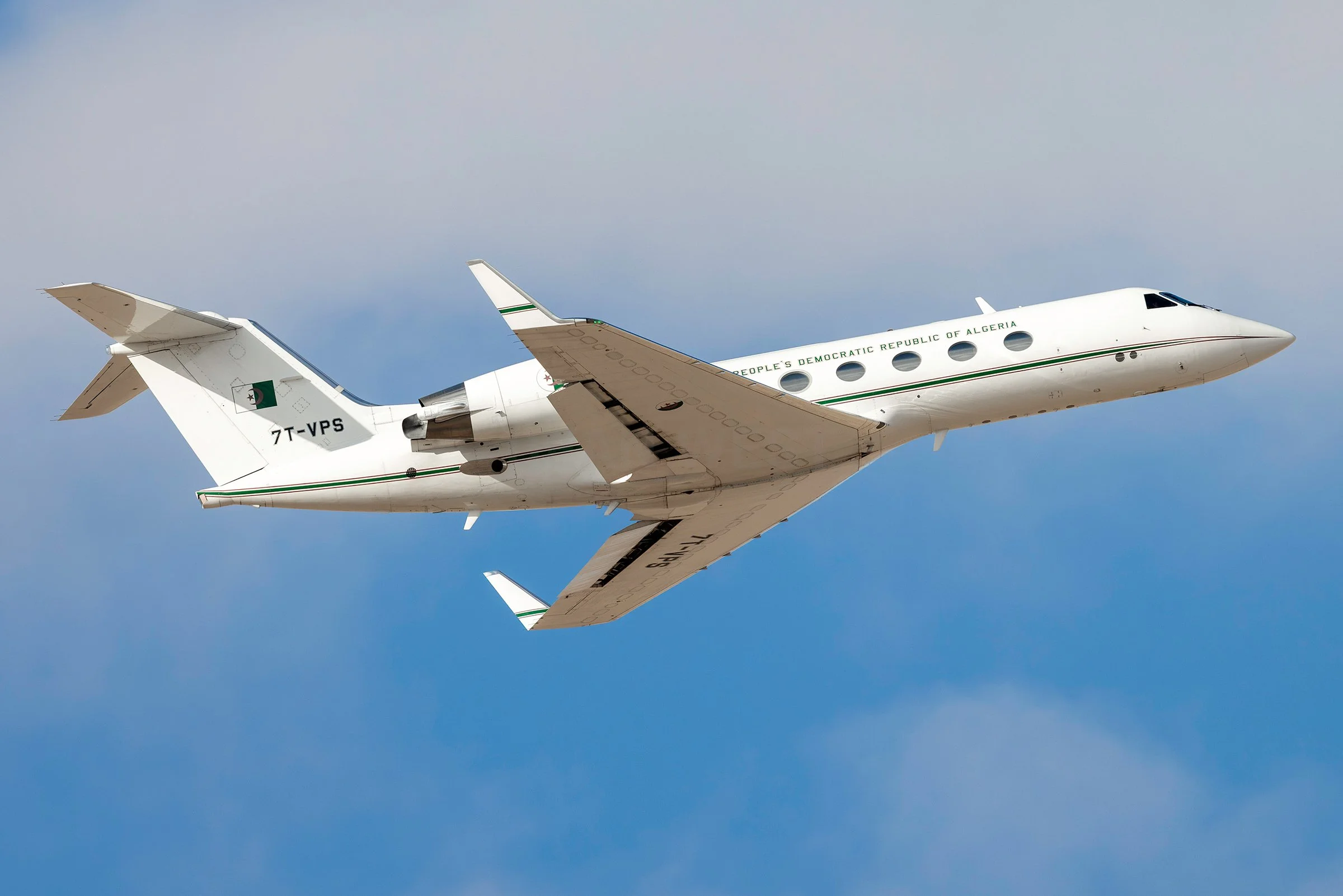
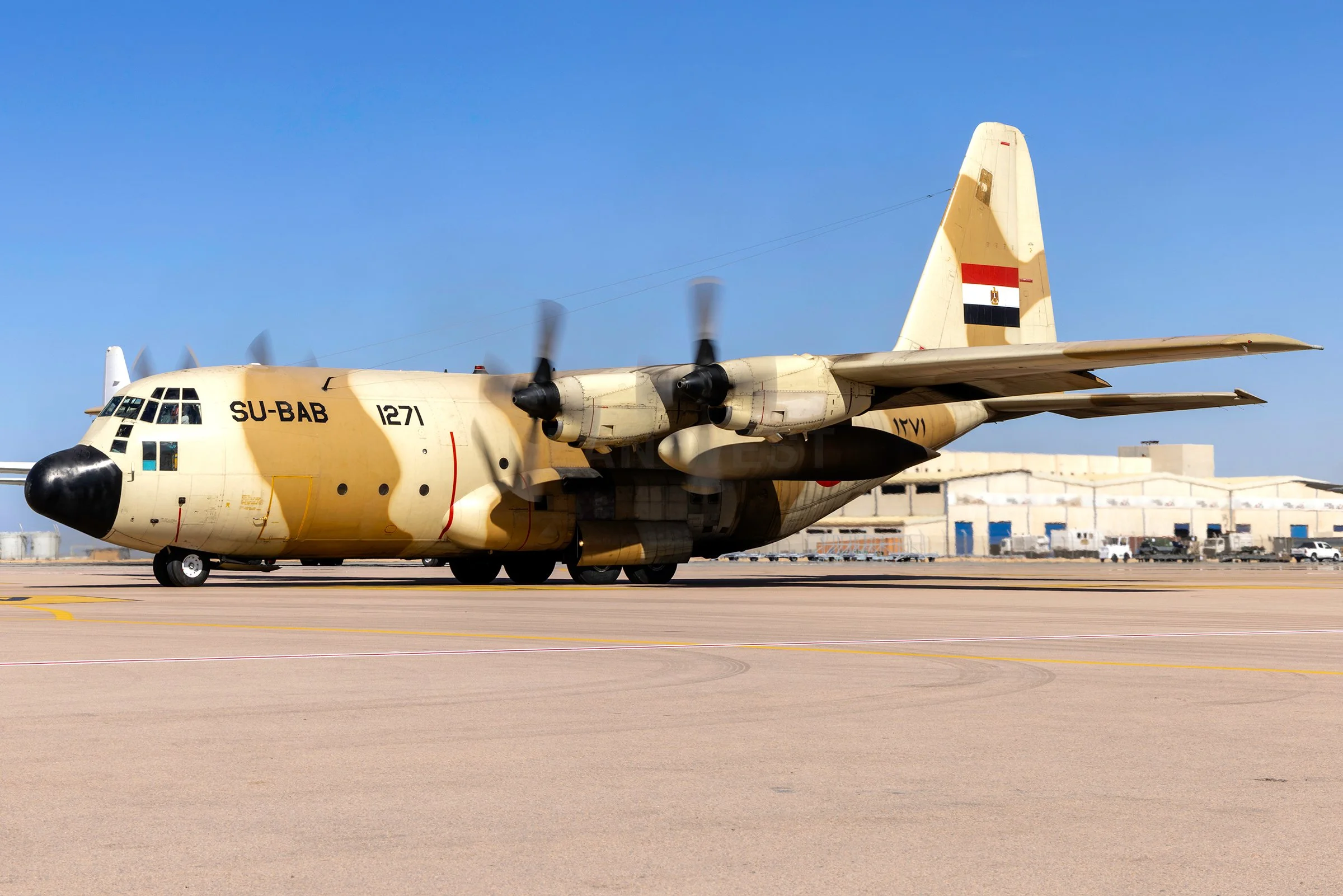
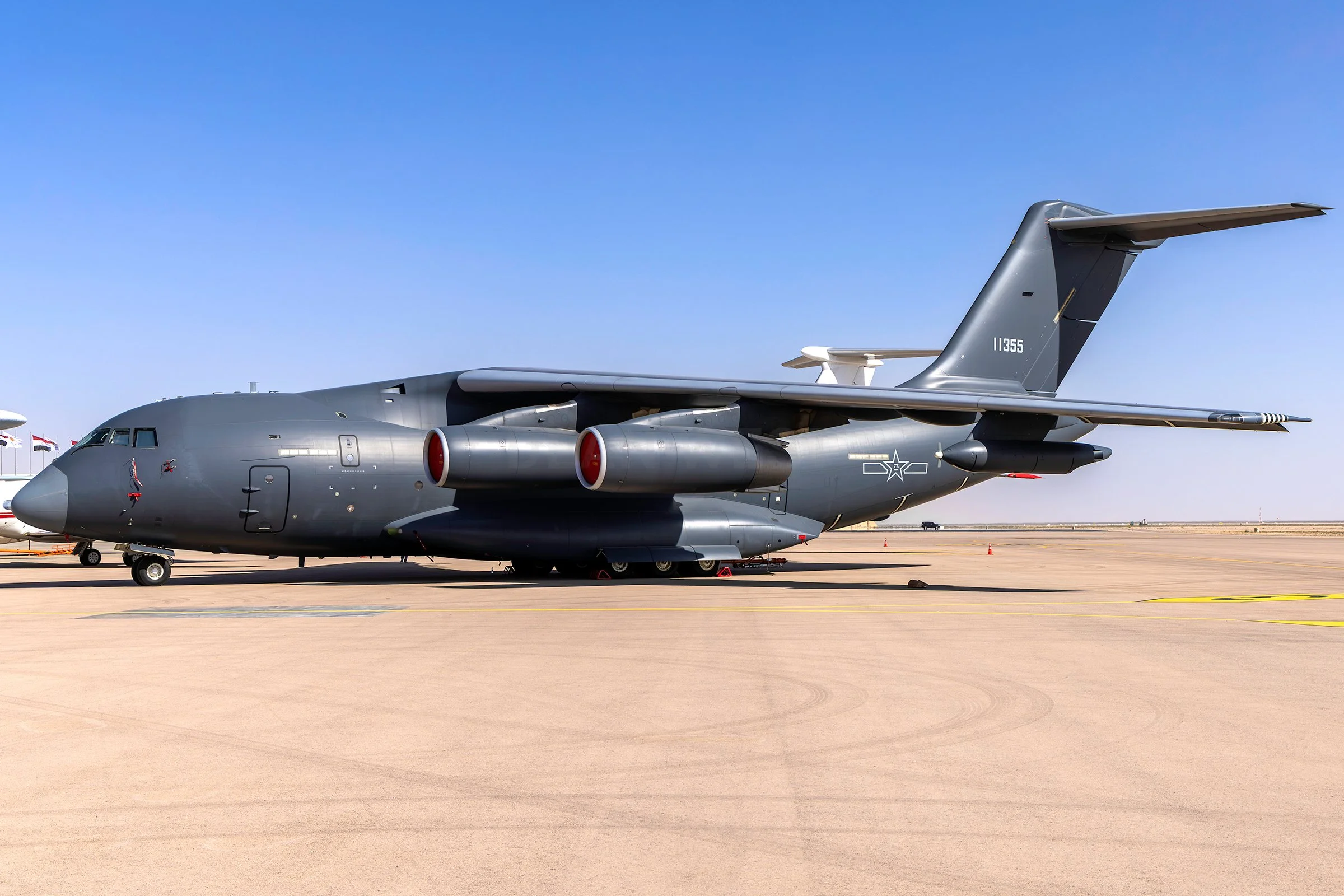
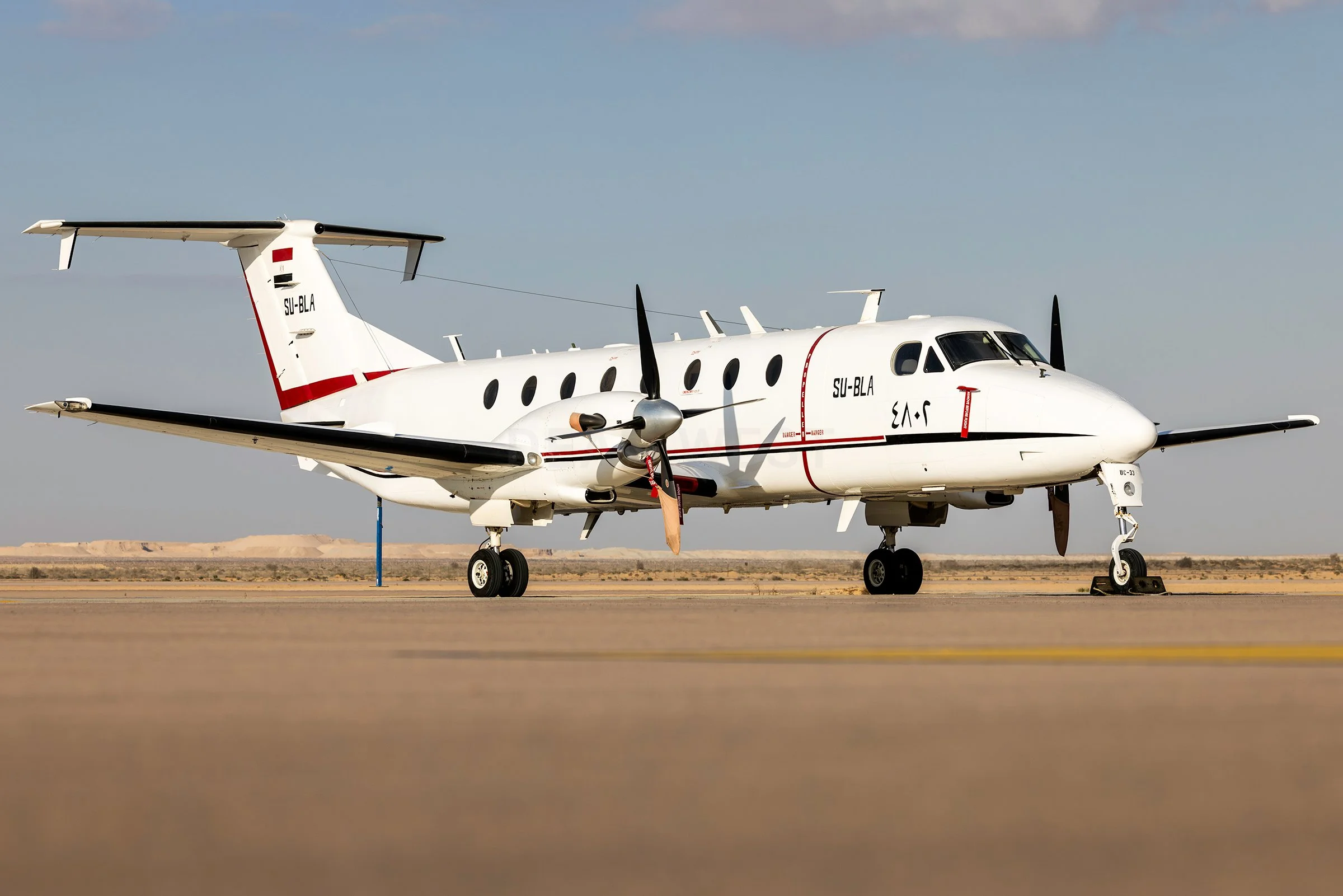
Egypt only operates a total of three Coalers, so it wasn't a huge surprise that the An-74T-200A present was the exact airframe that had starred in the static display at RIAT 2025, much to the disappointment of the number crunchers. Other larger aircraft such as the C-130H, C-295M, B1900C and Gulfstream IVSP, however, gained slightly more attention, although they were still somewhat overshadowed by the smaller and faster fixed-wing highlights.
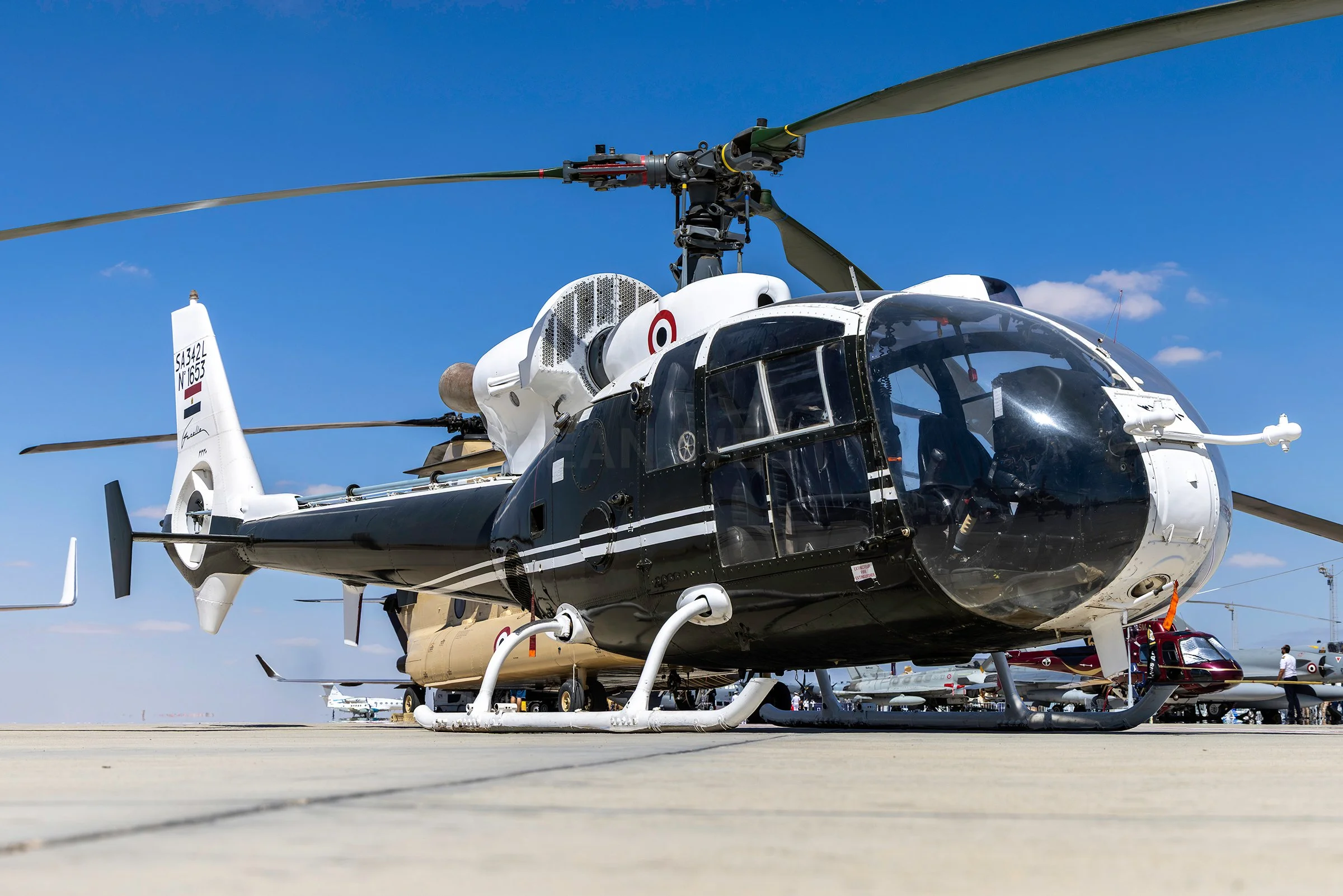
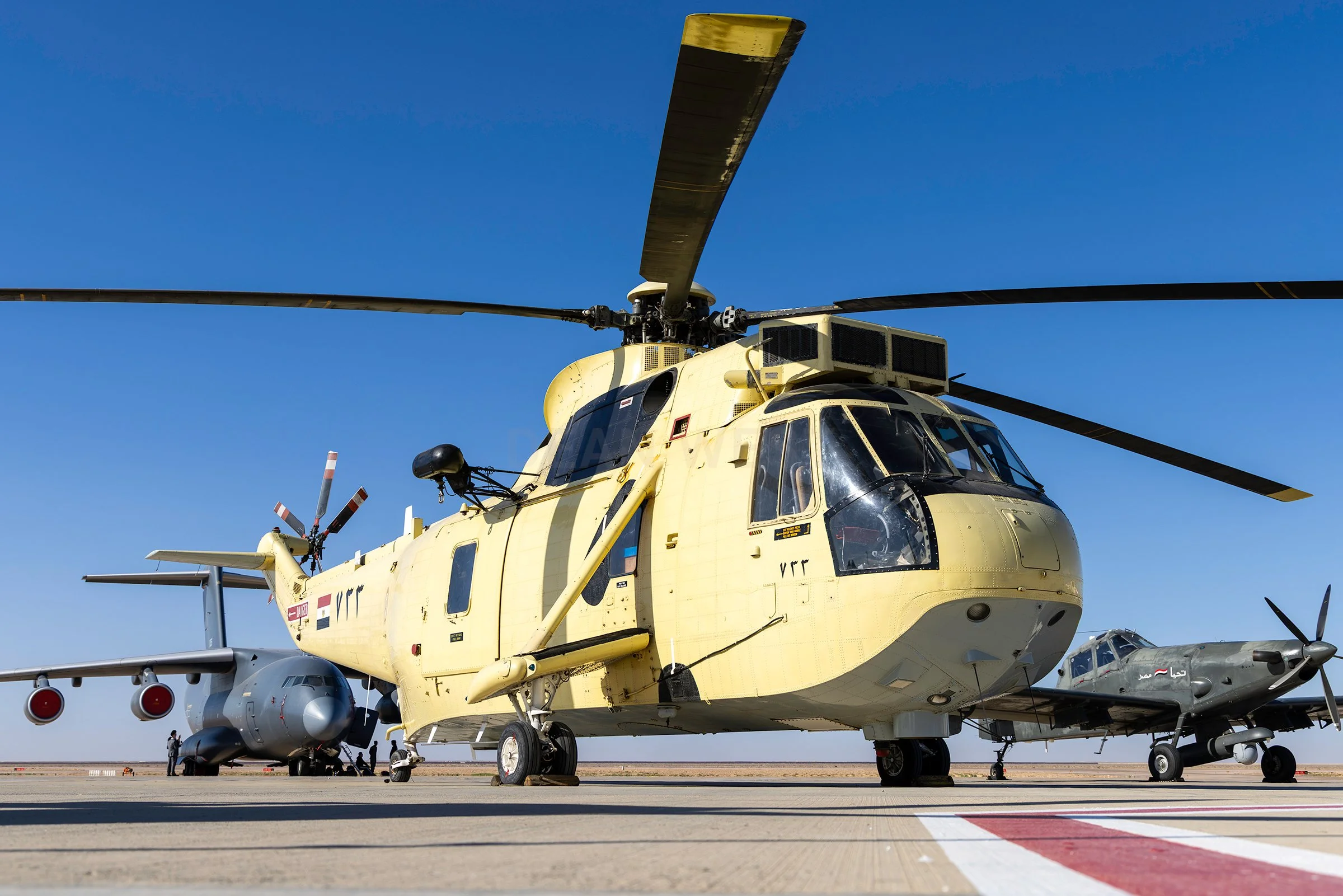
Of the vast number of rotary types on show, an aircraft that immediately caught the eye was a beautifully presented SA342L Gazelle. The ageing Aérospatiale type was wearing an unusual blue-and-white colour scheme, suggesting that it was used for VIP transport and liaison duties, rather than the camouflaged examples operated in the scout and attack roles. Just a handful of nations continue to operate the Sea King, so the yellow Commando Mk2 on static display was incredibly welcome, especially as the type is approaching retirement from Egyptian service and was one that many visitors probably never expected to encounter.
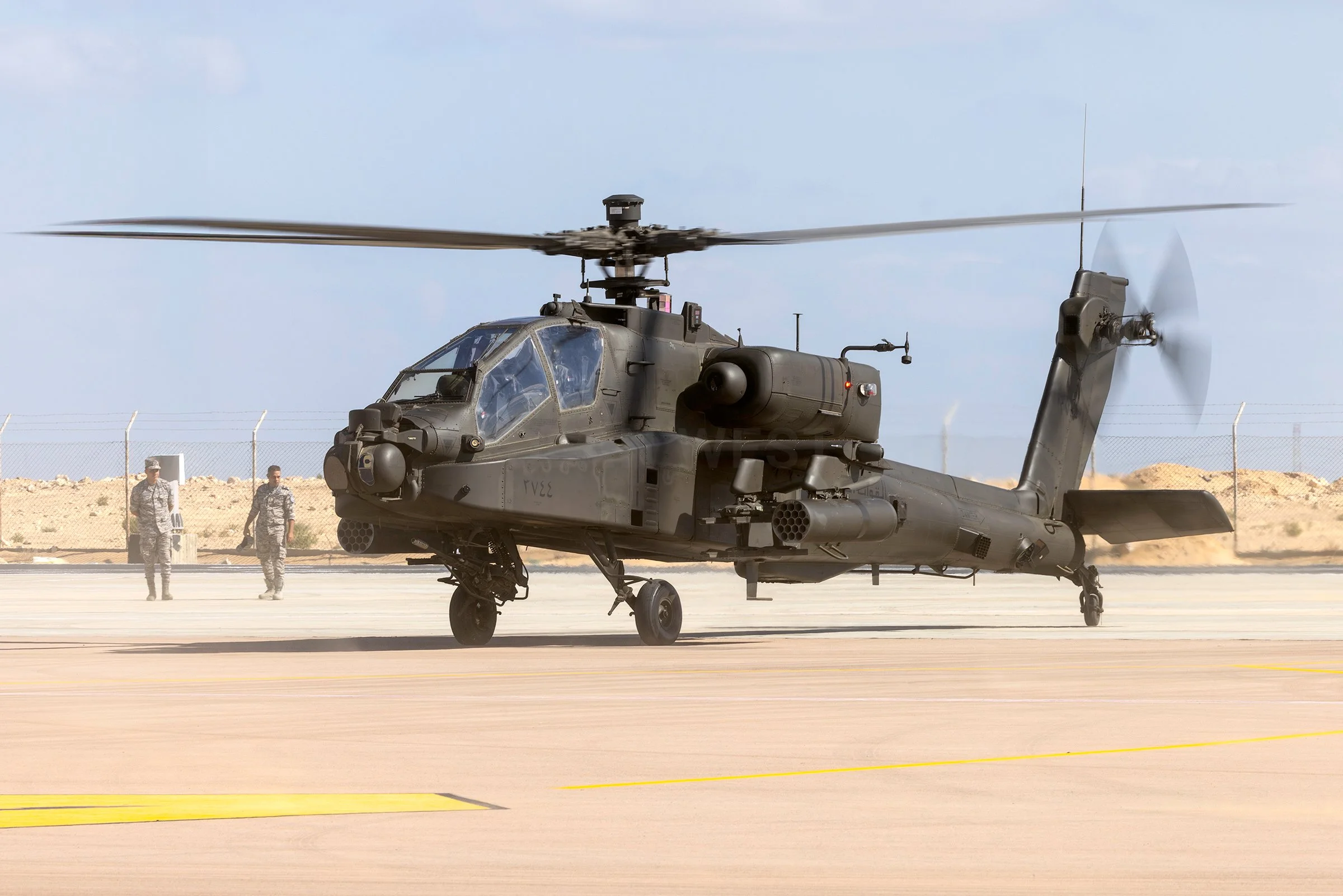
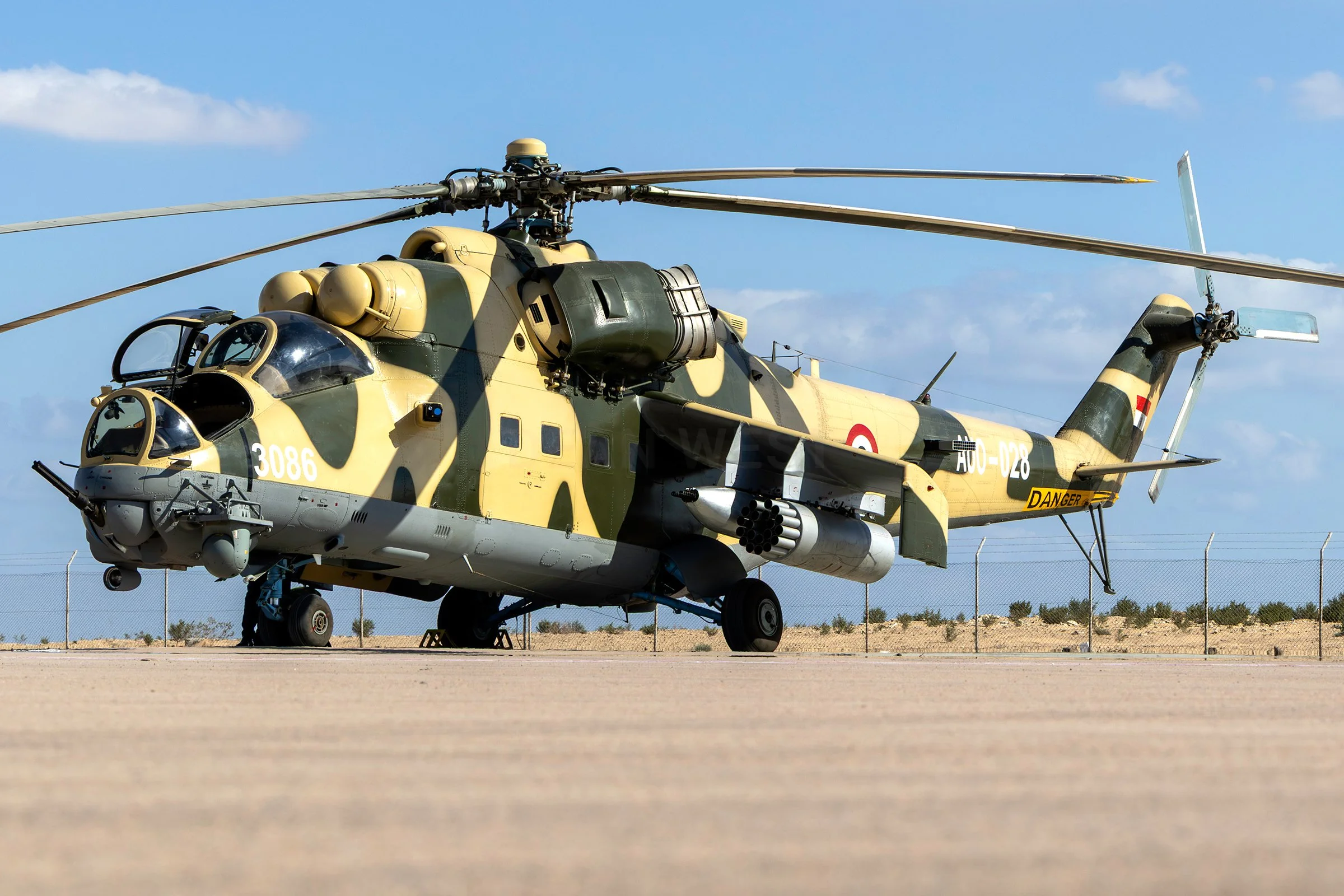
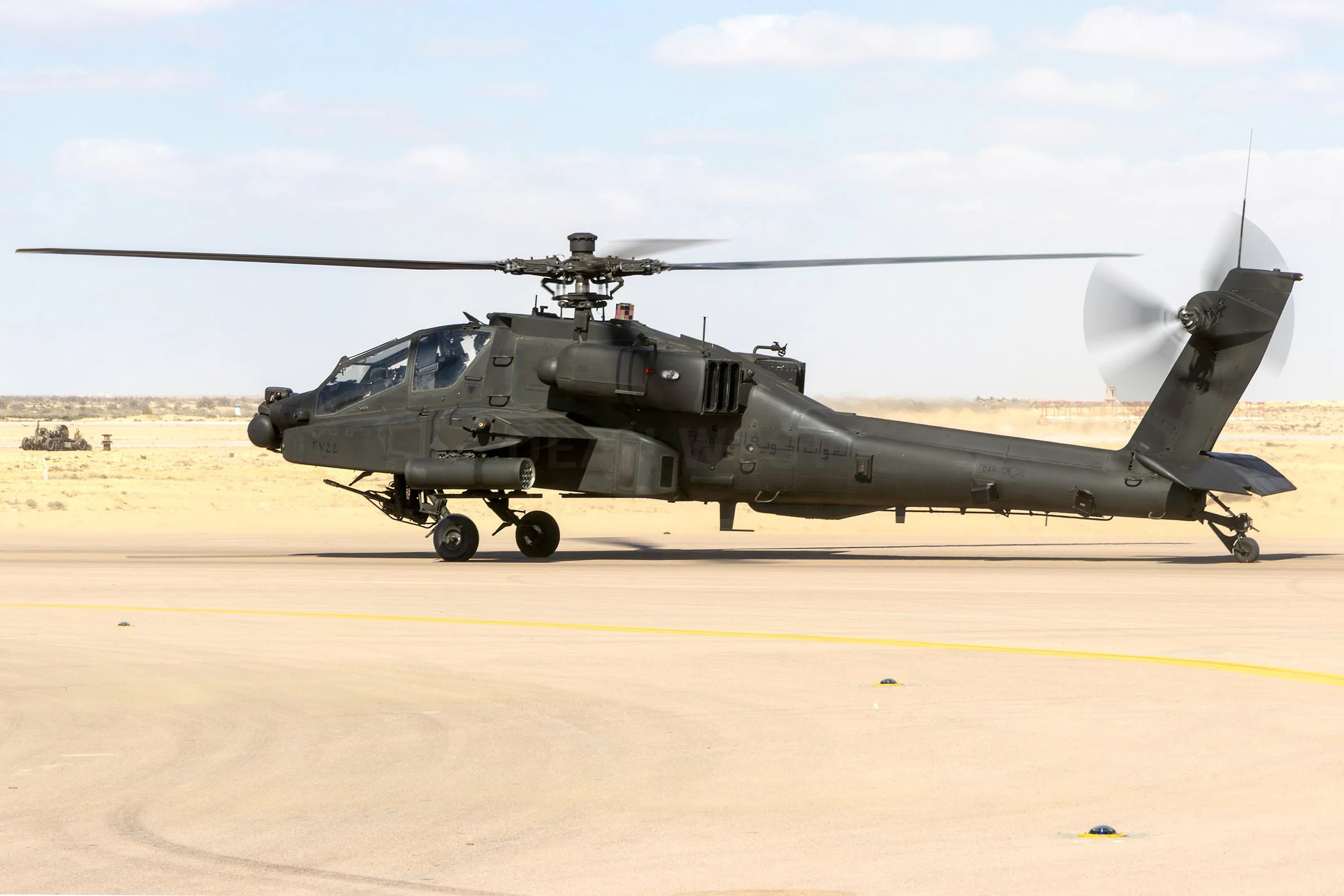
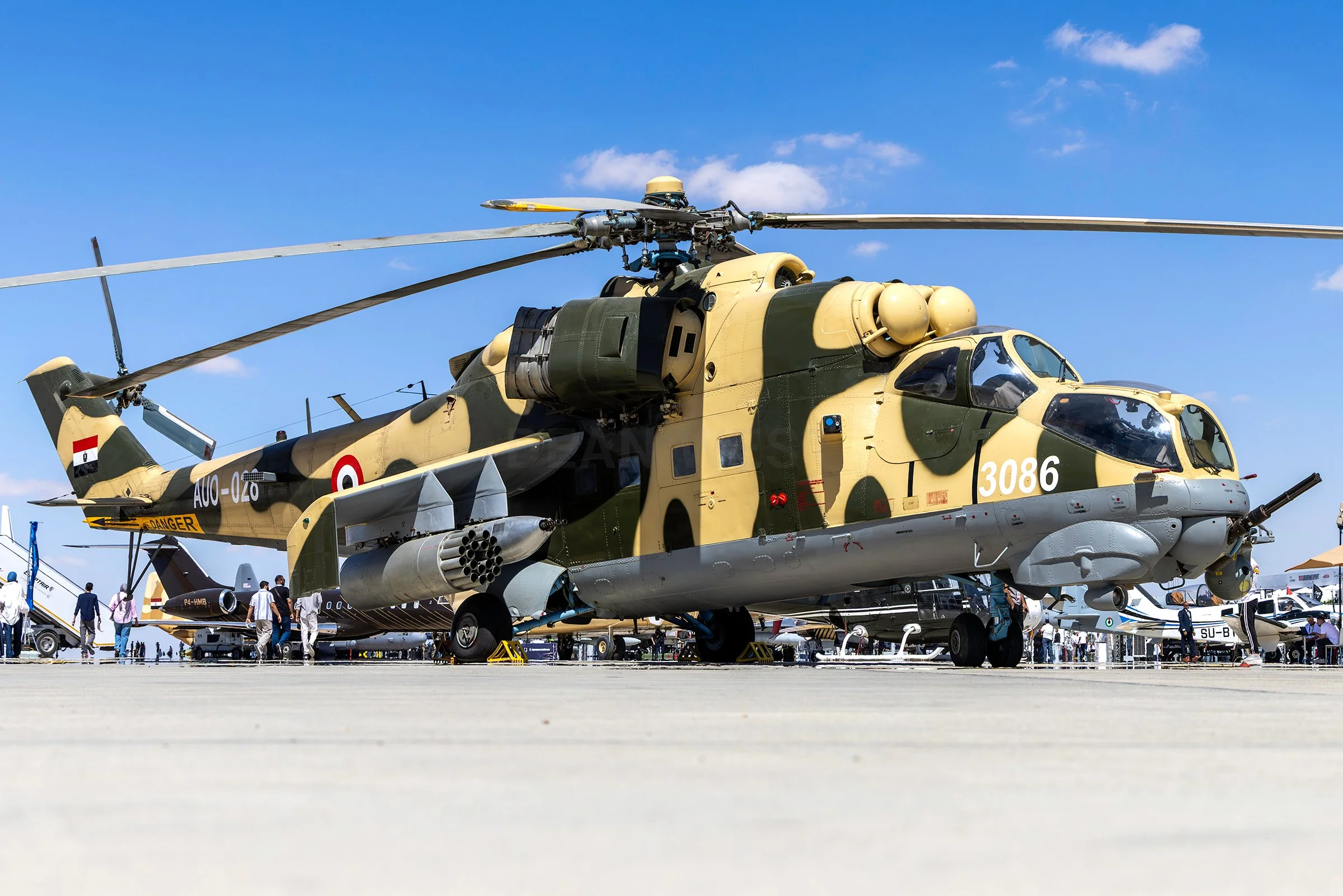
The biggest surprise of all, however, came in the shape of an Egyptian Air Force Mi-24V Hind. Formerly operated by Mongolia and still carrying the camouflage style of its previous owner, the helicopter became one of the stars of the static display. With reliable information on active EAF inventory aircraft often difficult to find, the Hind was a type that I had long assumed was no longer flying, making its appearance an outstanding surprise. Parked alongside was an AH-64D of the EAF, although this was wearing the standard drab green paint scheme that we have come to expect of Apaches across the globe.
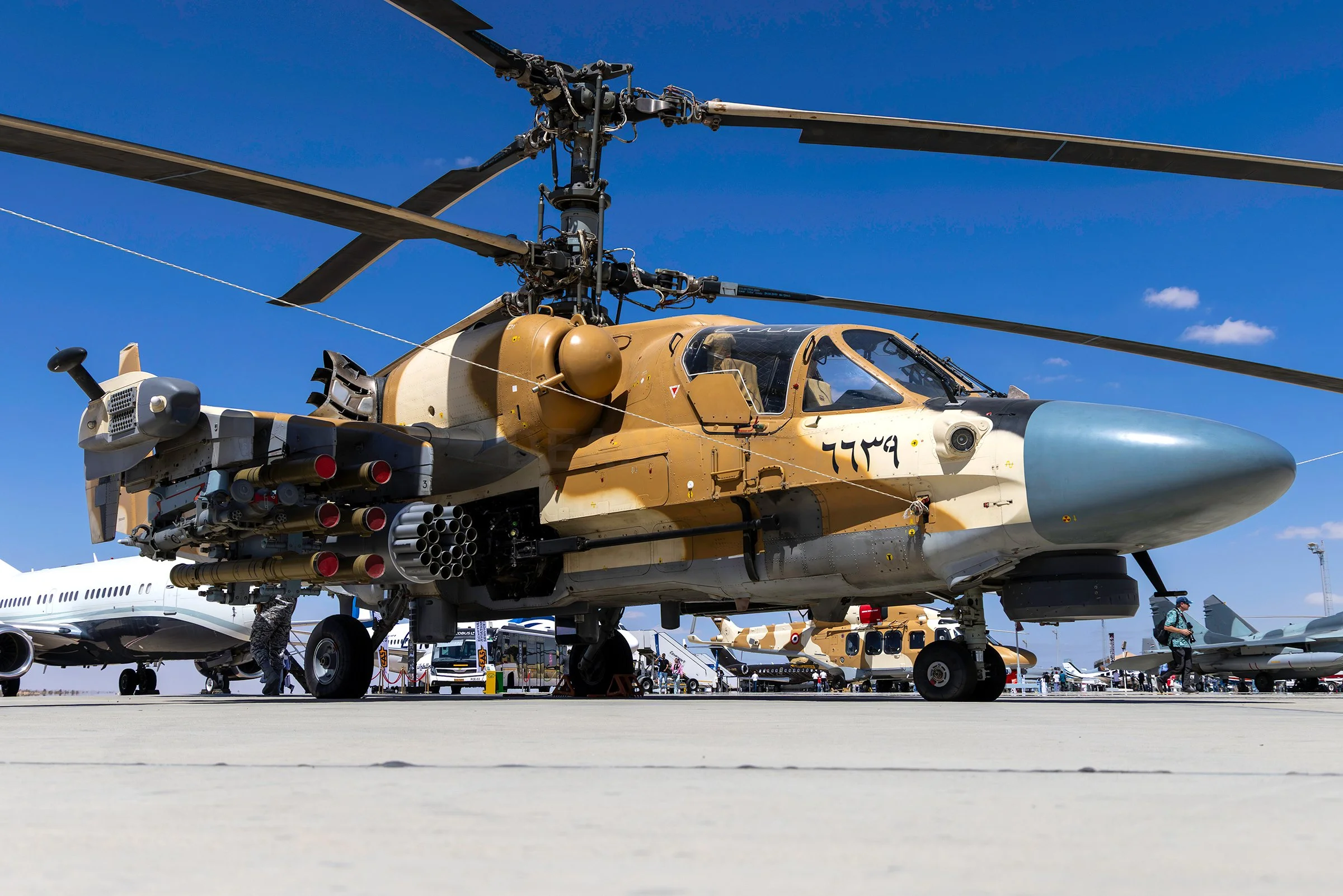
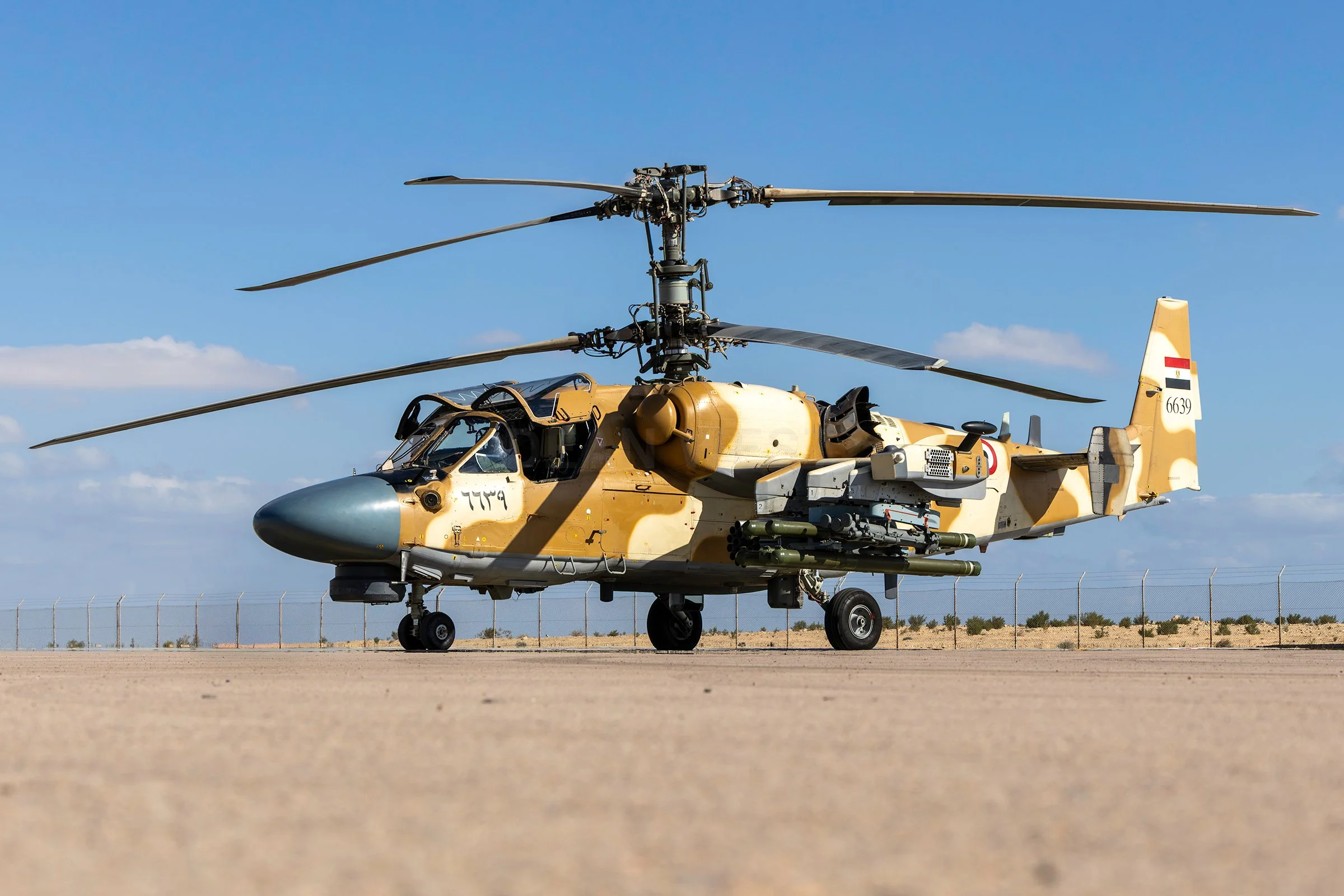
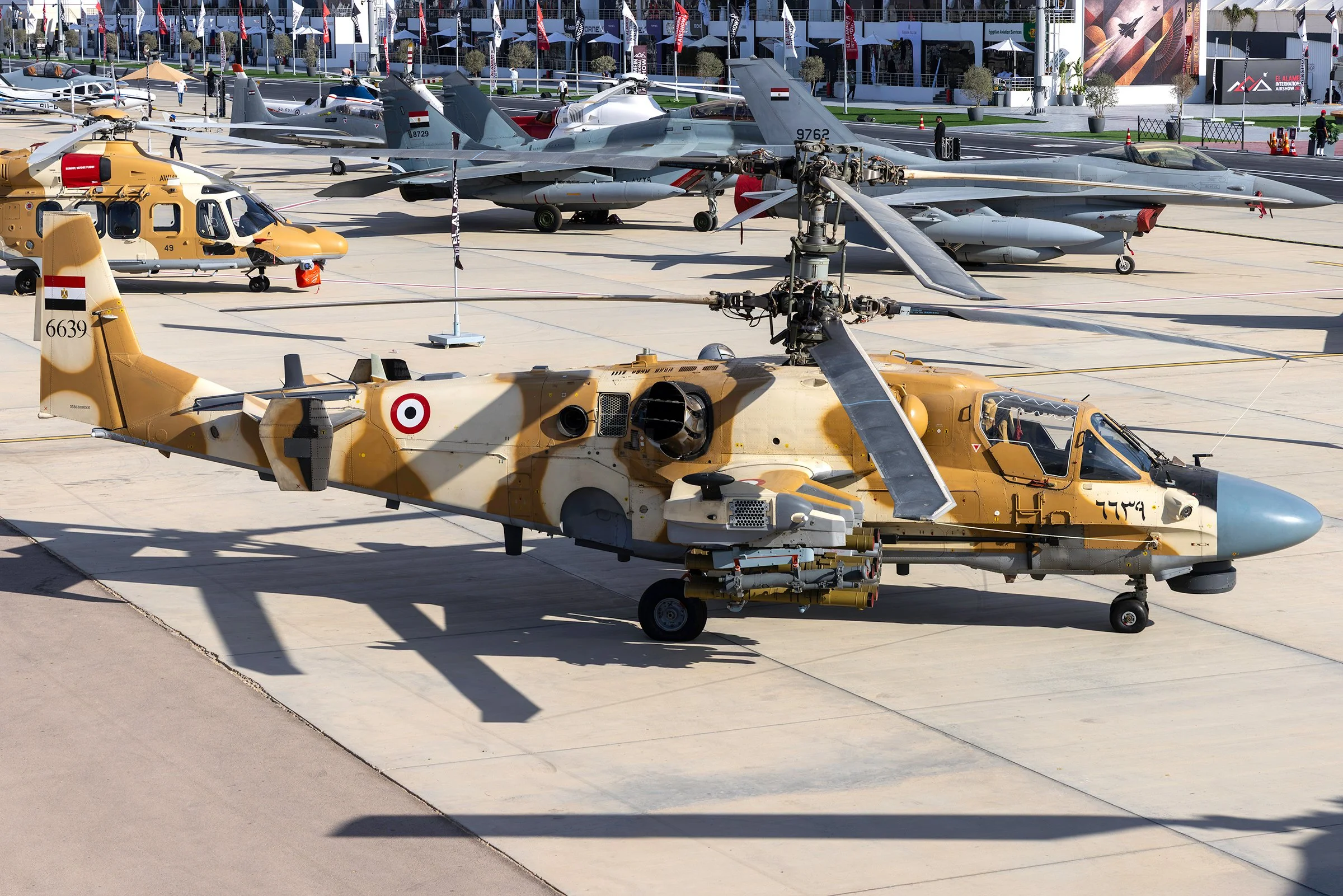
Equally fascinating were a pair of Ka-52Es, one presented in full EAF markings and one with scrubbed markings displayed on behalf of the Russian company Rosoboronexport. Egypt remains the only export operator of the dual-rotor attack helicopter, and seeing examples parked openly on the ramp represented a rare opportunity to photograph some of Russia's most capable combat rotorcraft outside their home country. While an example was on static display at the 2024 show, it was the kind of participant that could easily have been absent this year.
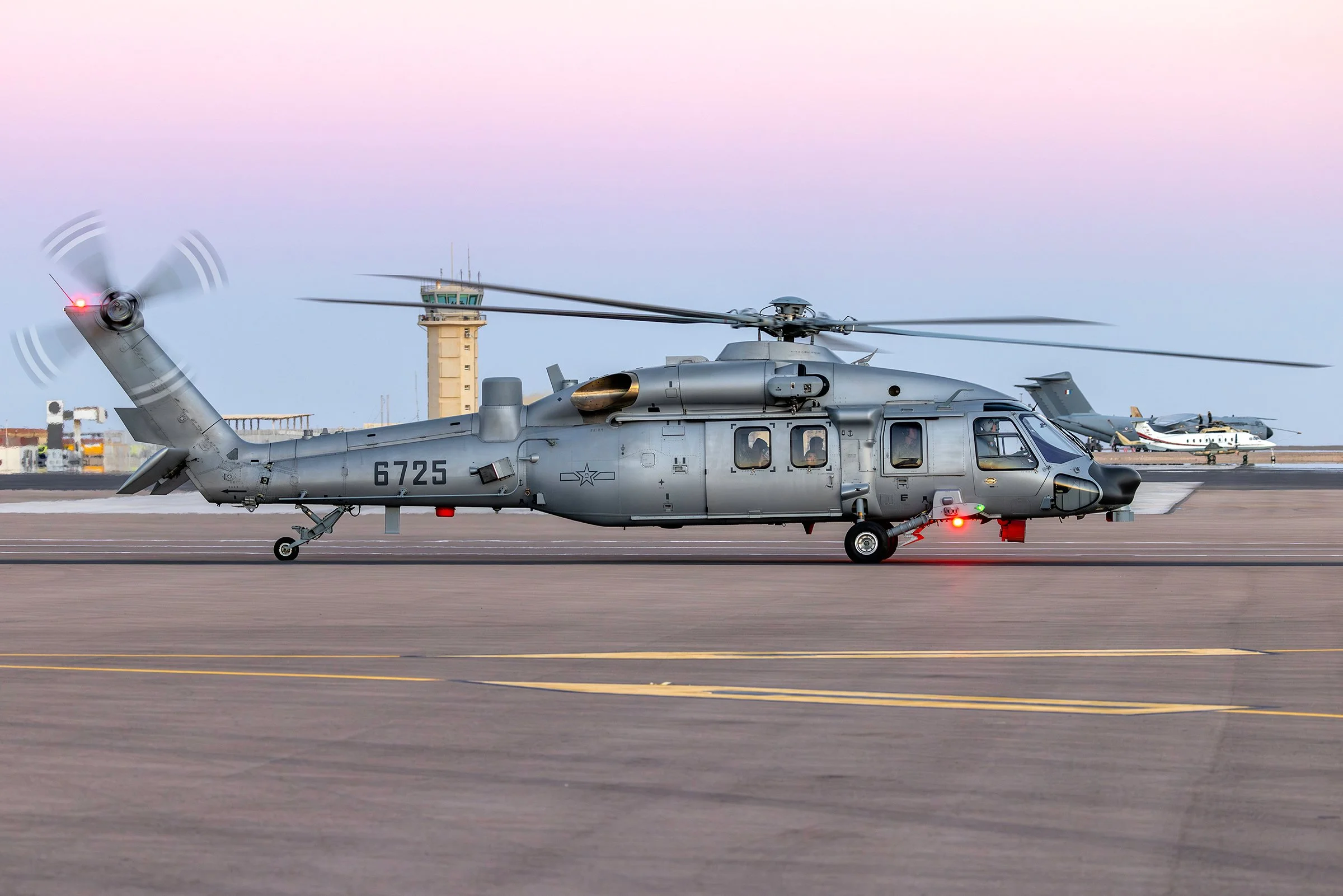
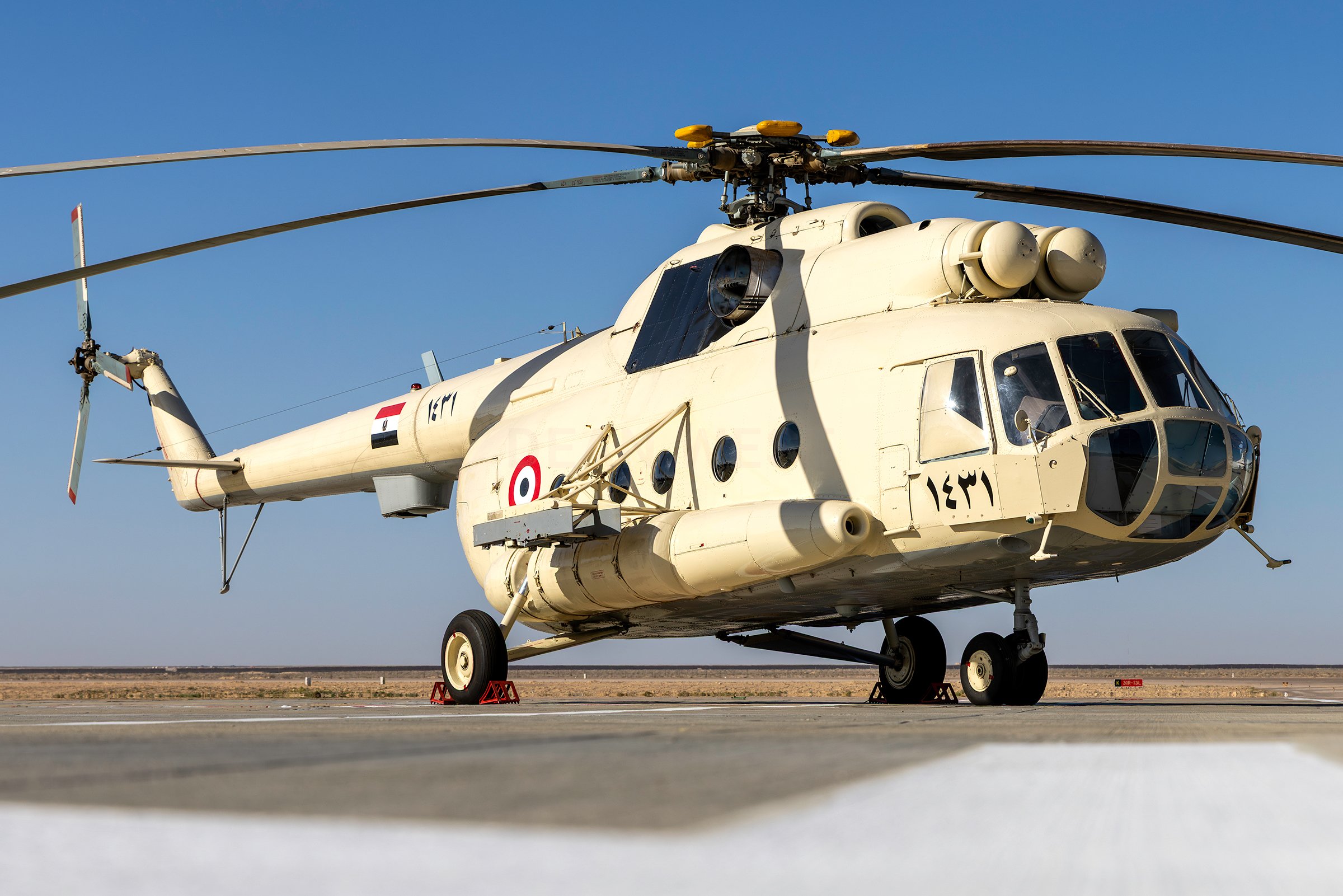
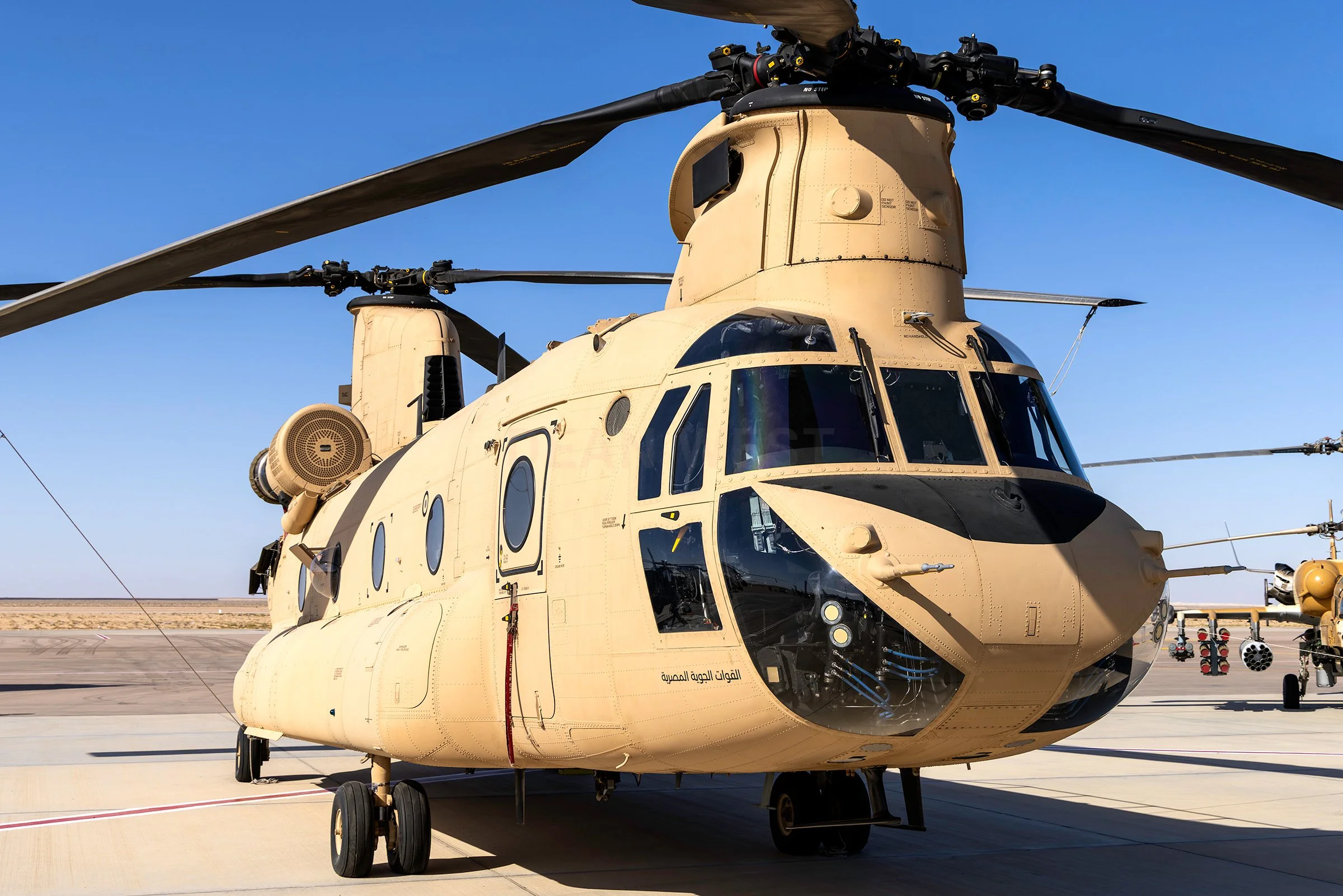
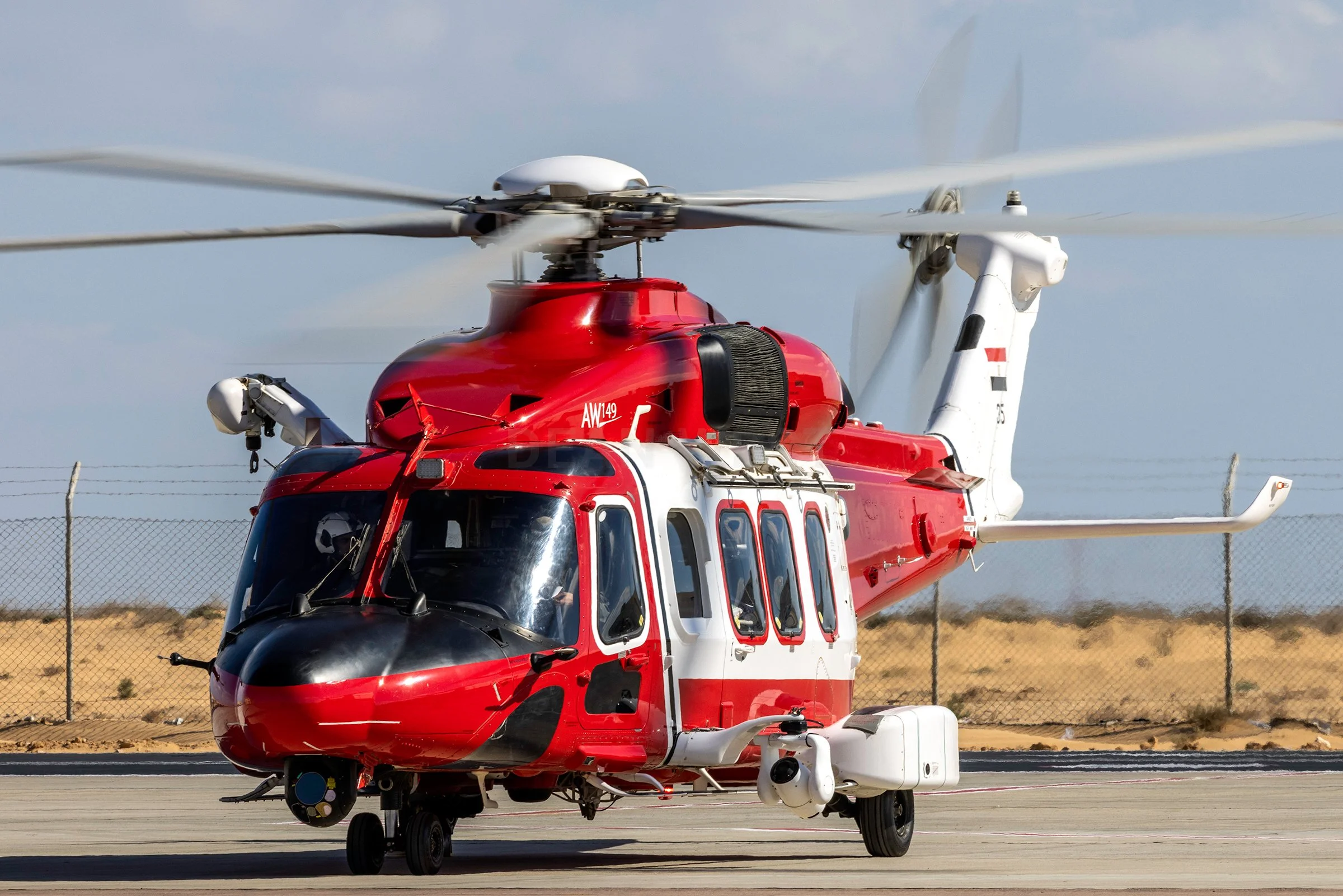
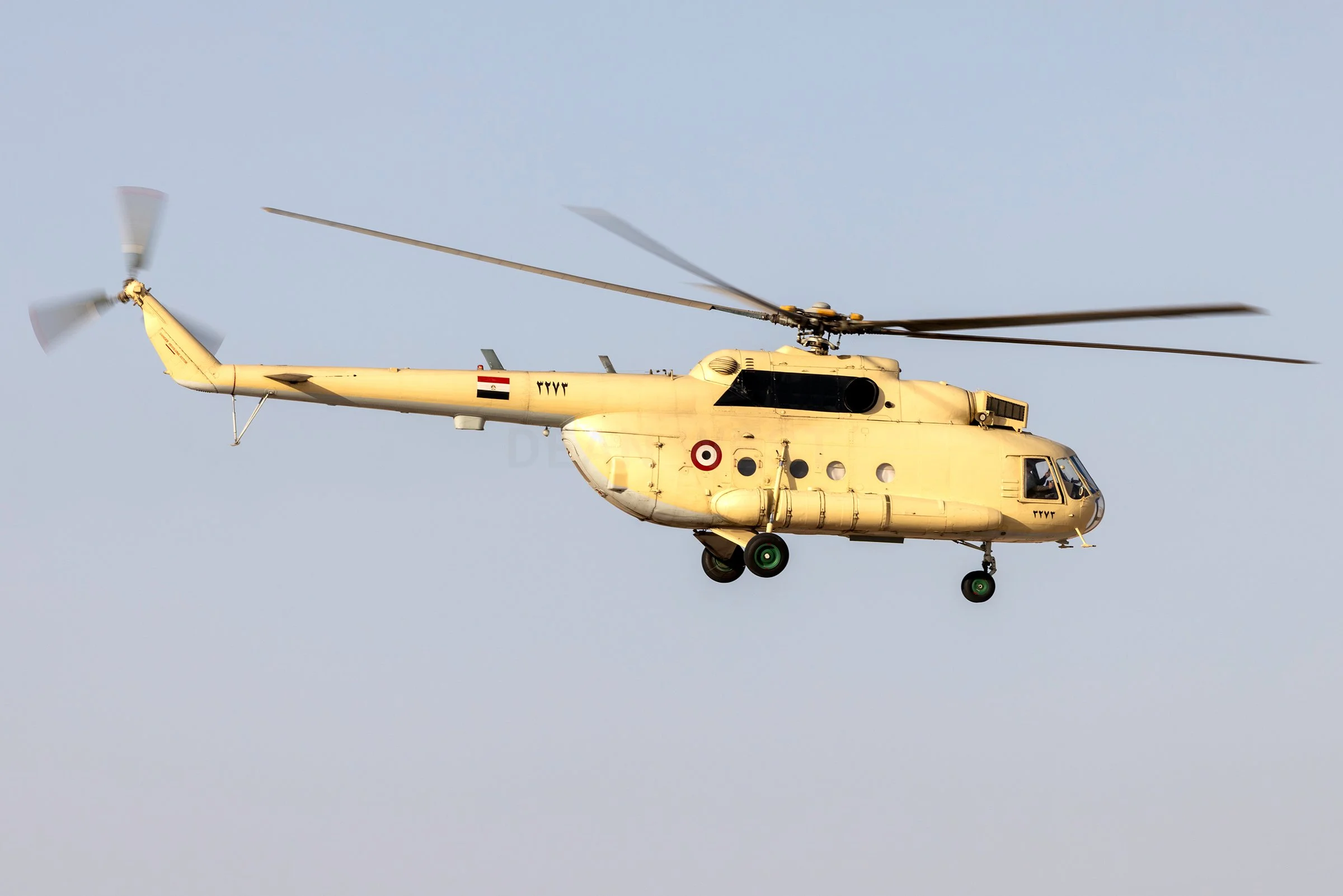
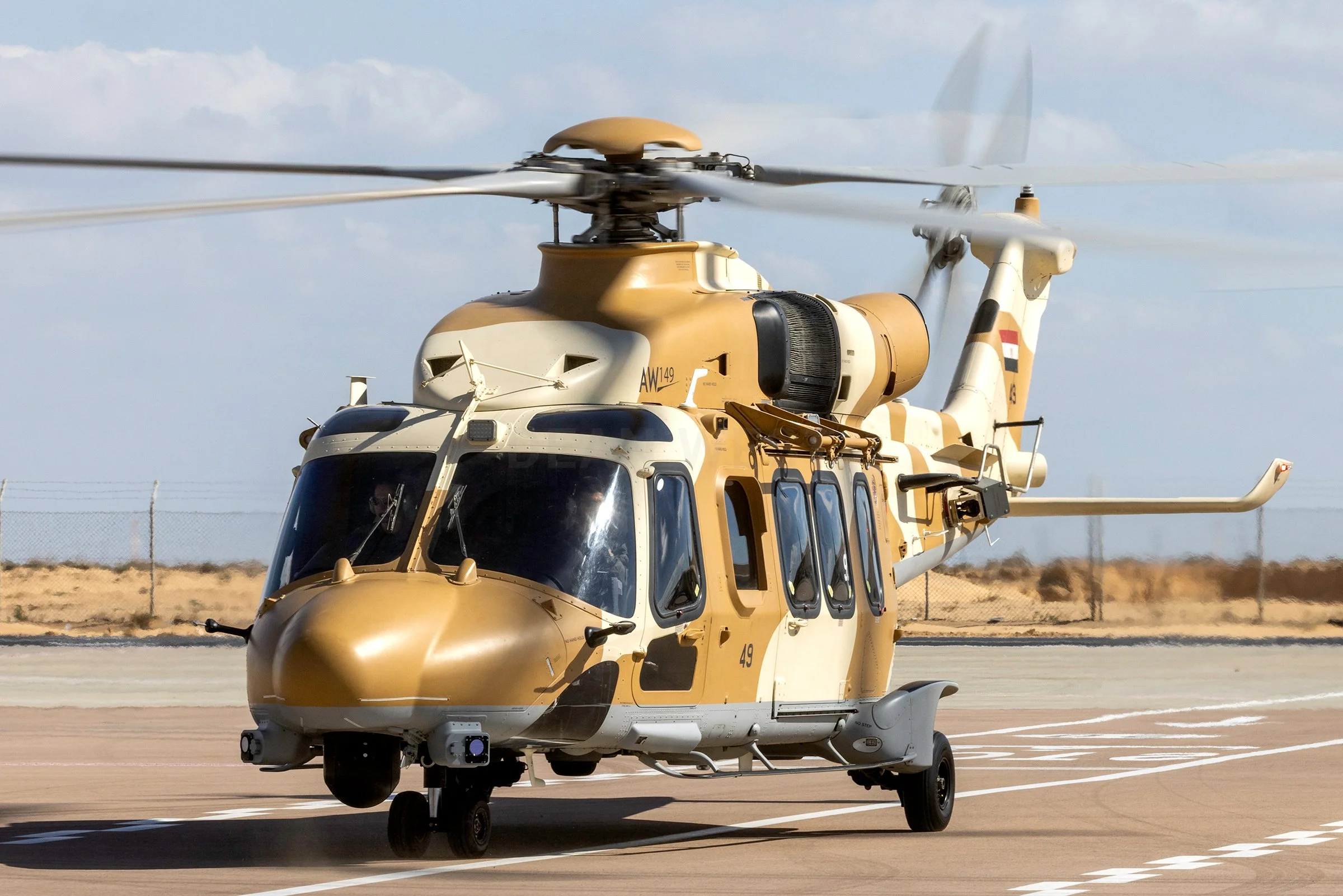
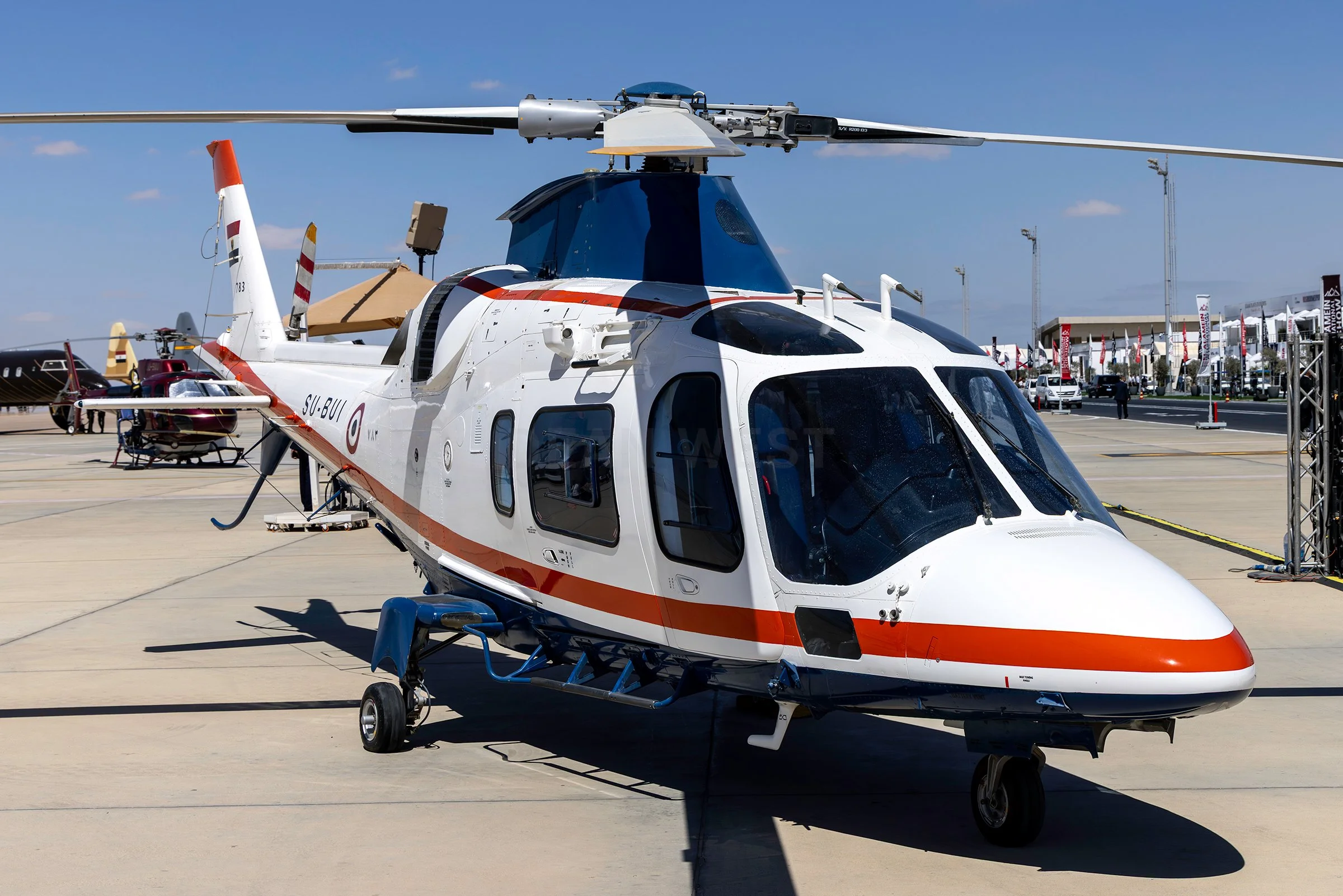
Western spotters love an Eastern Bloc chopper, so a pair of Hips were further stars of the static display. Egypt operates both the Mi-8 and Mi-17 in utility and battlefield support roles, with the ageing helicopters contrasting nicely with the new, shiny CH-47F that took centre stage. A small ceremony marked the delivery of the first five advanced Chinooks of the 12 ordered, which are now on the strength of the EAF. Blade-slap lovers could enjoy an older CH-47D in the static park too, while a pair of modern AW149s were somewhat overlooked. Despite one wearing bright red-and-white markings and the other a cracking desert camouflage scheme, the type feels somewhat soulless in comparison to many of the other aircraft on show and was therefore easily overlooked amongst the sea of exotica. Underlining the sensational support that the Egyptian Air Force gave to the event, there were further AgustaWestland helicopters on static display, namely an AW139SAR and A109E, with the latter primarily being used for air ambulance and medical duties.
With such quality on the ground, the flying display almost became second fiddle, especially as the majority of the flying display was backlit and photographers were battling hot and hazy conditions. The programme was slated to be split into two blocks, consisting of a morning display of a couple of hours and around three hours of flying in the afternoon. The reality was very different, as lengthy gaps appeared between displays and each flying block felt far from full, while the display lines were further away than the usual 230 metres we are accustomed to in Europe.
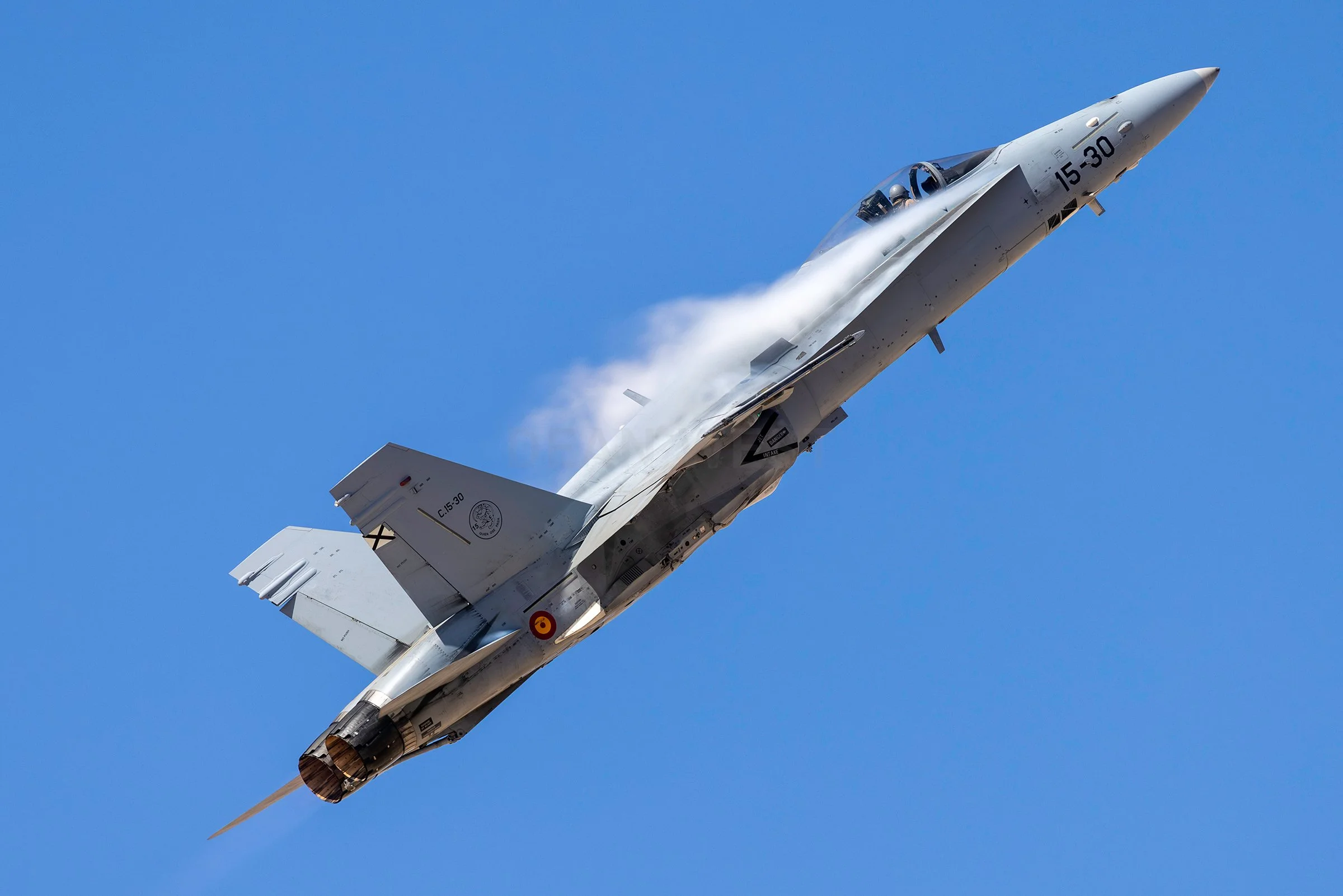
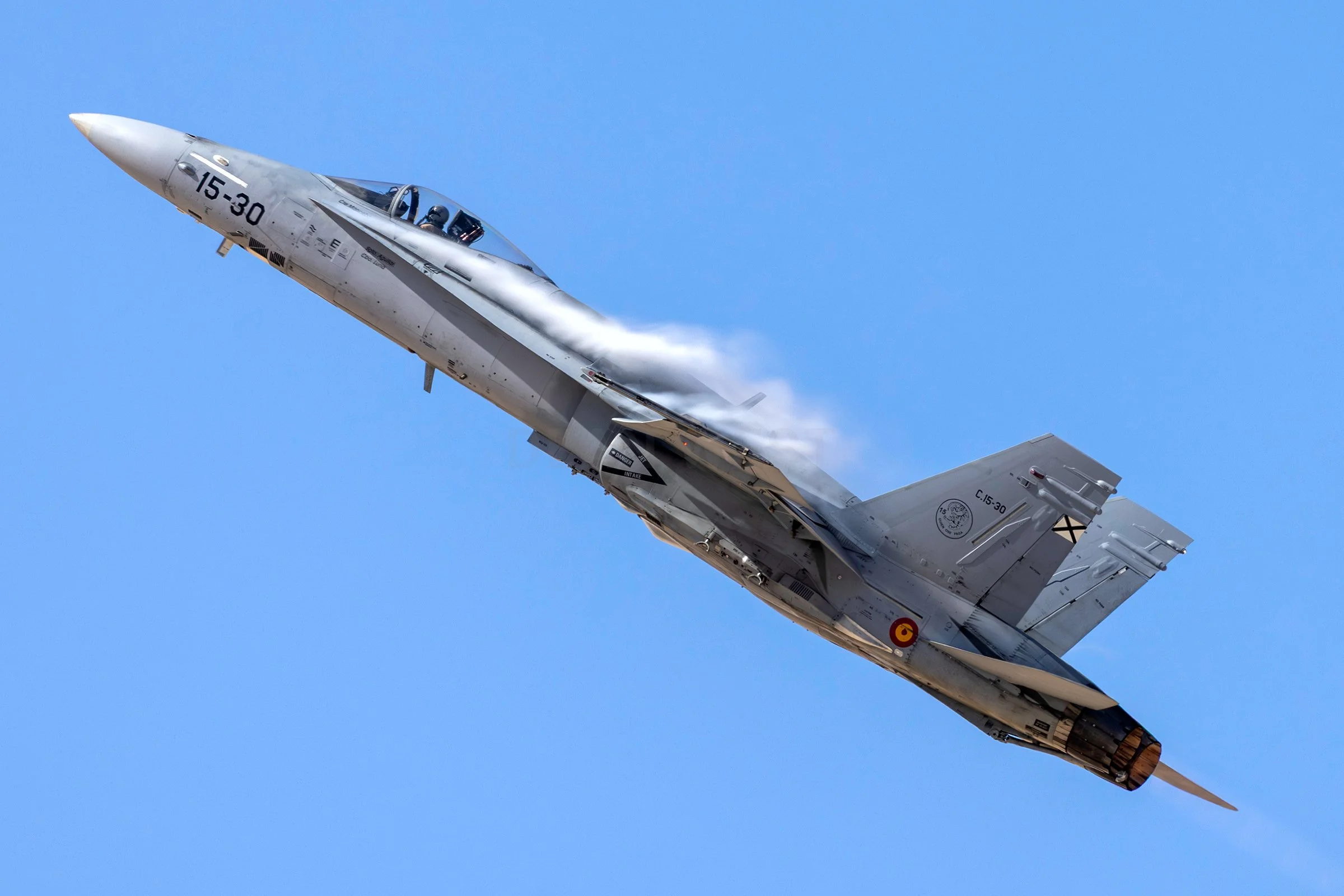
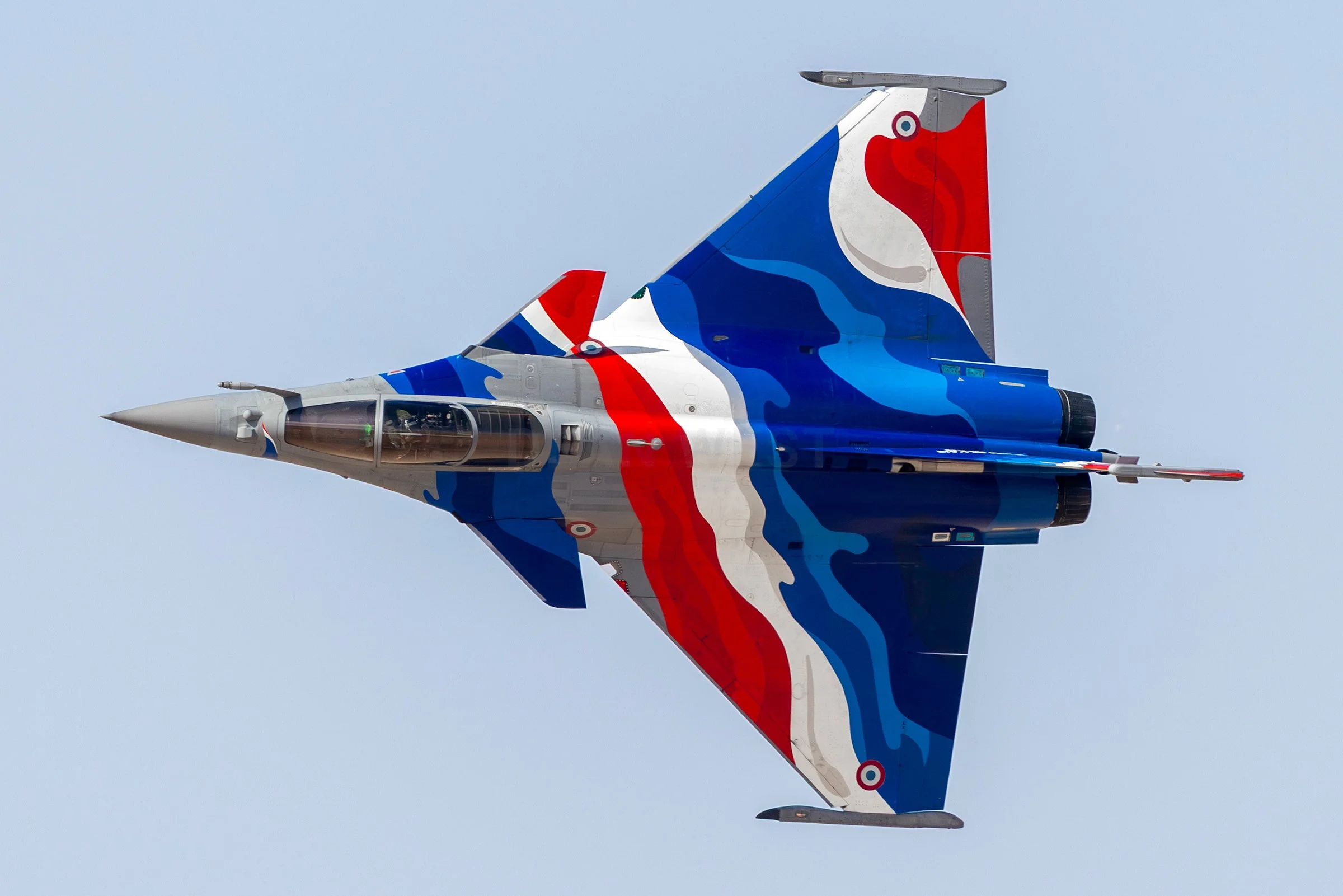
There were only three fast jets present, but each of them was a cracker. The French Air Force's Rafale Solo Display is regarded by many enthusiasts as the finest fast jet display in Europe, thanks to a sleek and powerful routine where the jet simply never stops moving. It is always a treat to watch. Less common, and therefore hugely welcome, was the EF-18M Hornet solo display from the Spanish Air Force. Despite not being able to match the Rafale's energy and raw display ability, the Hornet delivered a routine to the high standards that European crowds have come to expect, thanks to many years of superb display flying from the Spanish, Finnish and previously the Swiss.
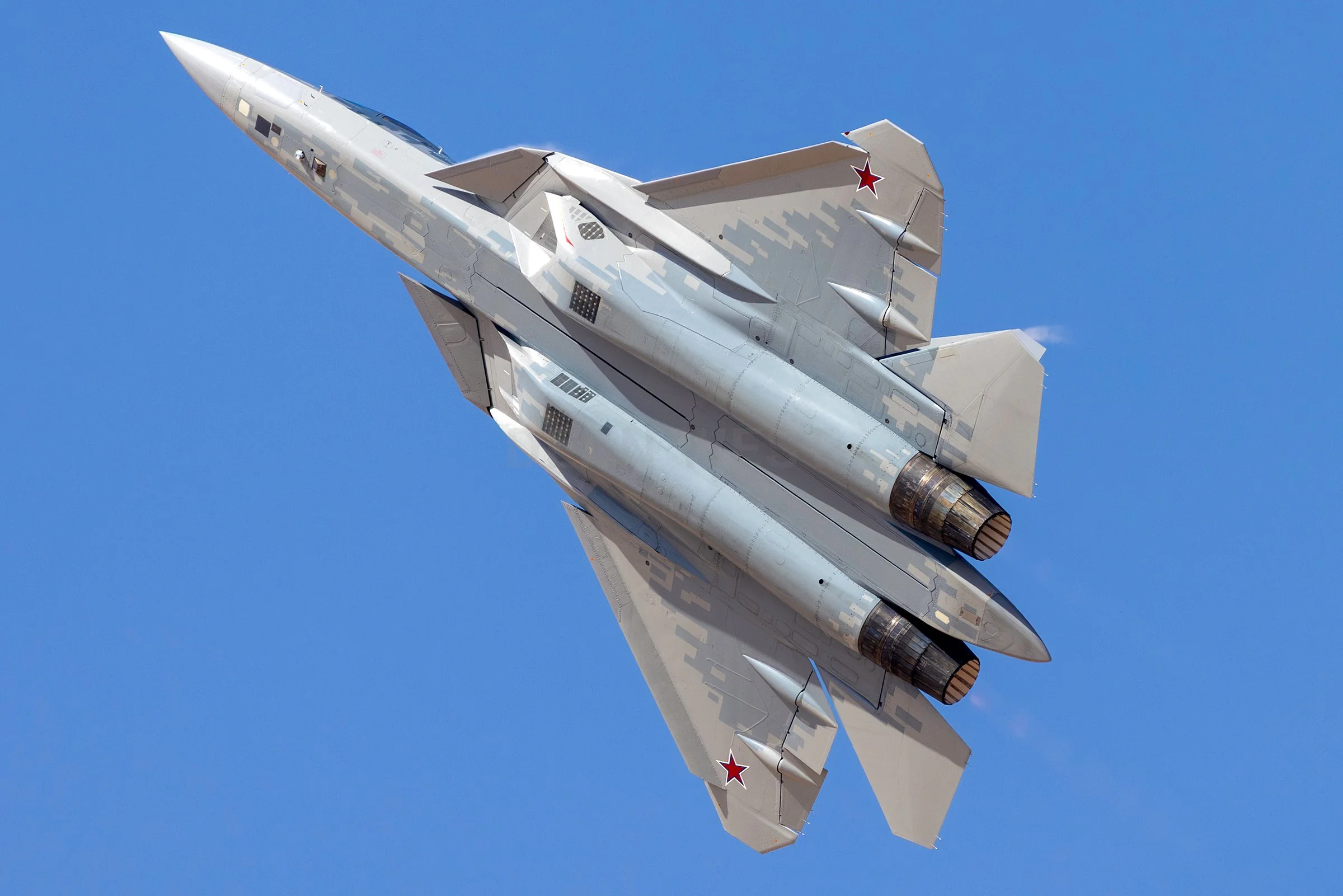
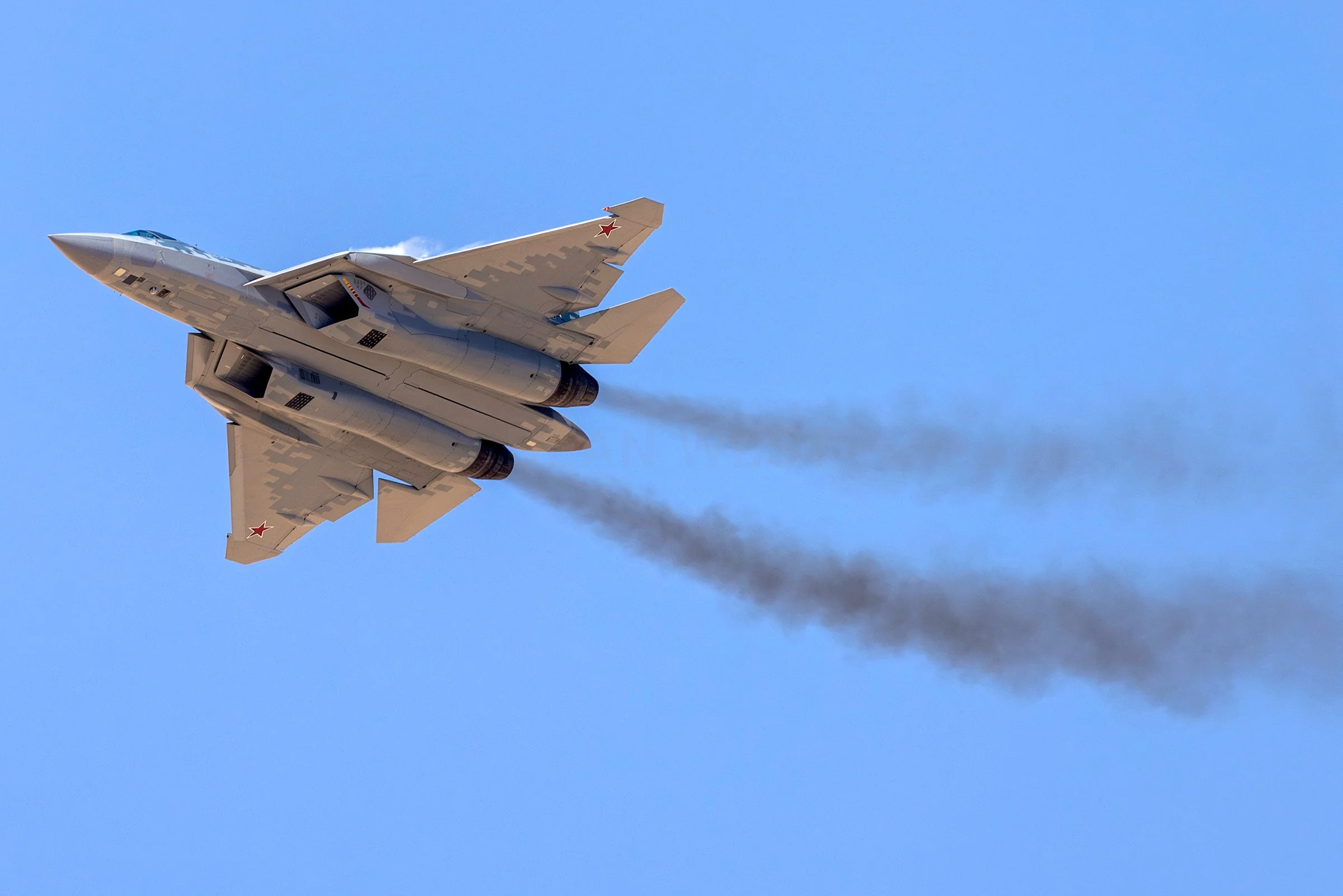
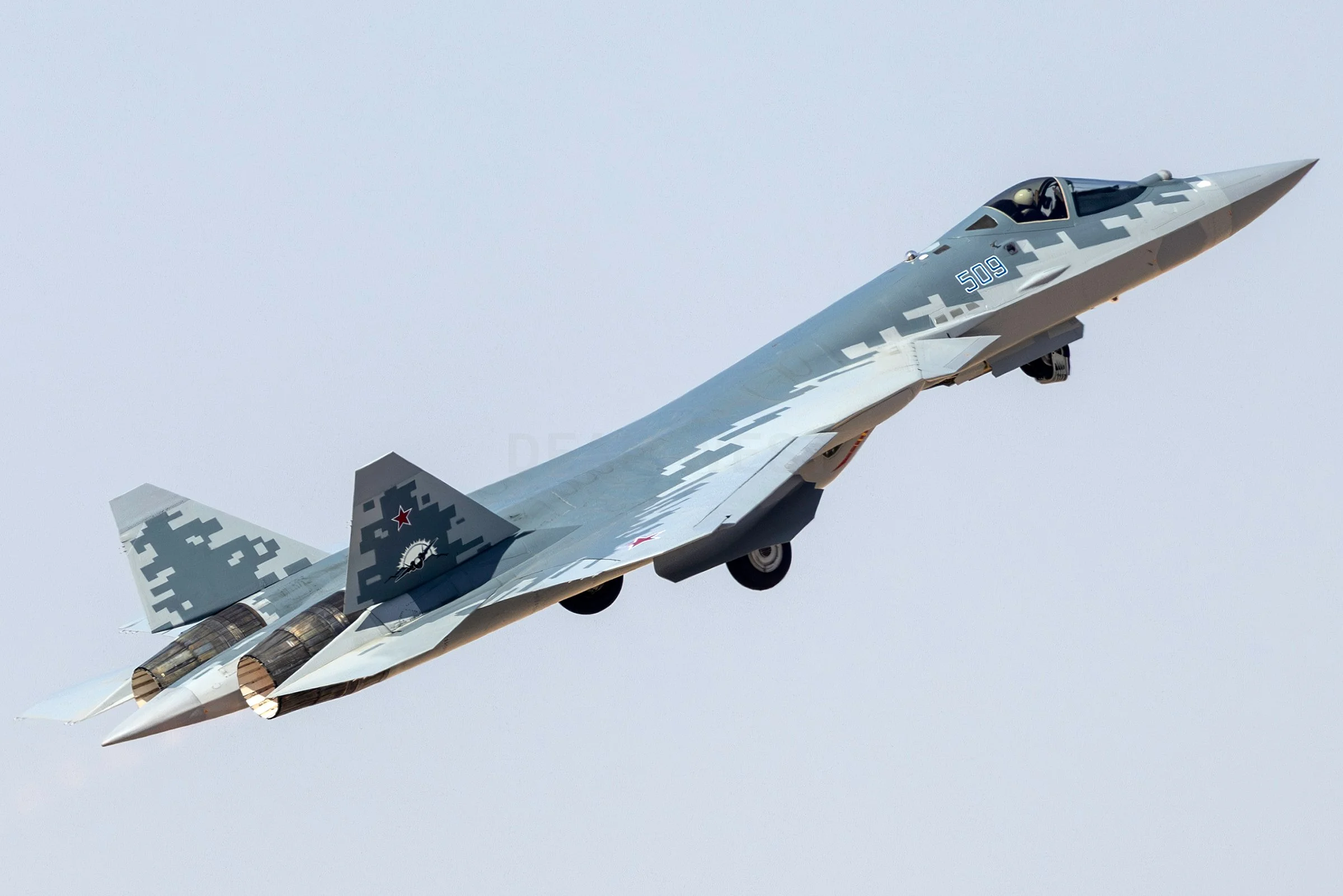
A complete gear change came in the form of the Su-57E, presented at El Alamein by Rosoboronexport and flown by Sukhoi test pilot Sergey Bogdan. The routine stopped the small crowd in its tracks, as everyone paused to watch the fifth-generation fighter perform some of the classic manoeuvres we have come to expect from Russian display aircraft, including the cobra, flat spin and tail slide.
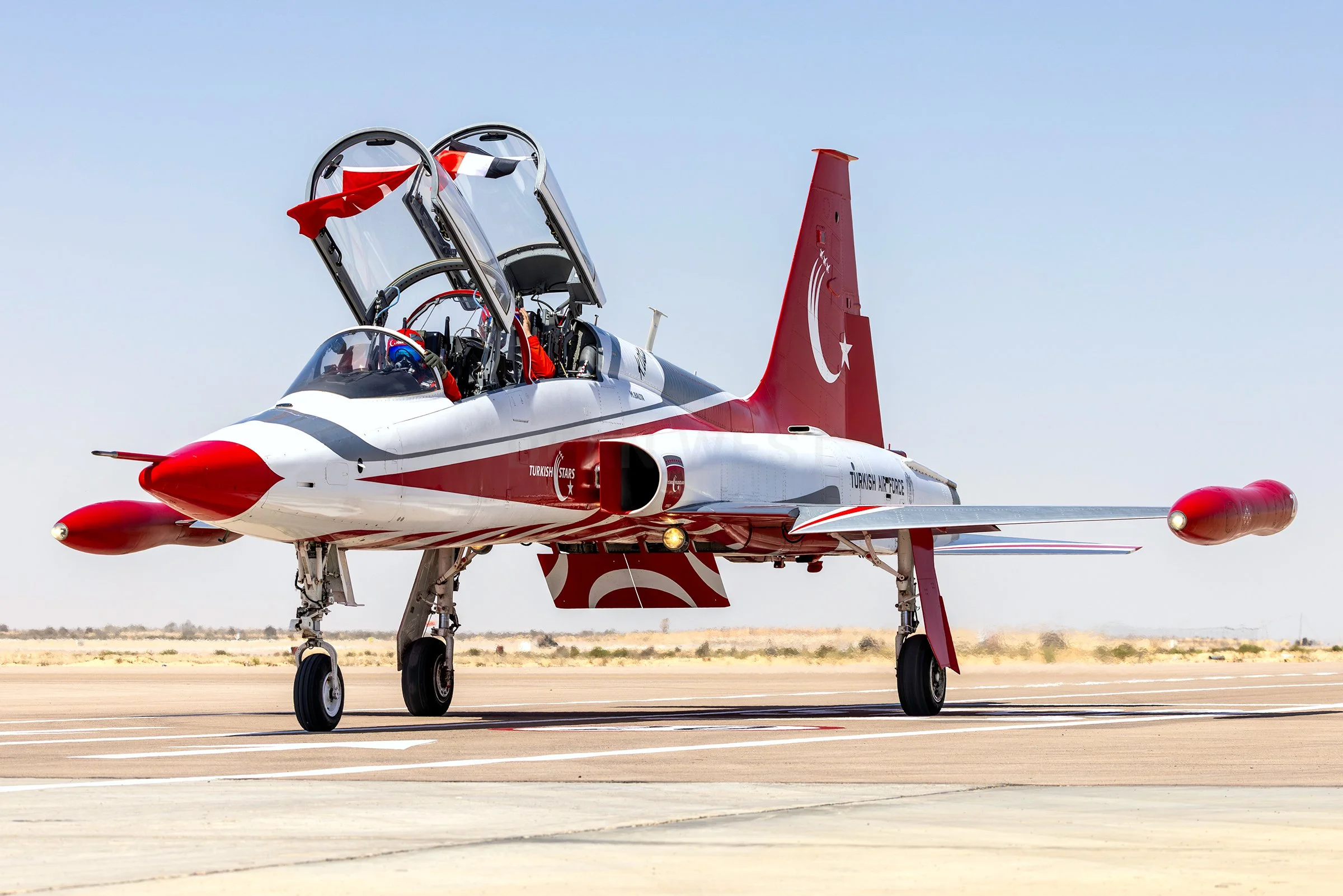
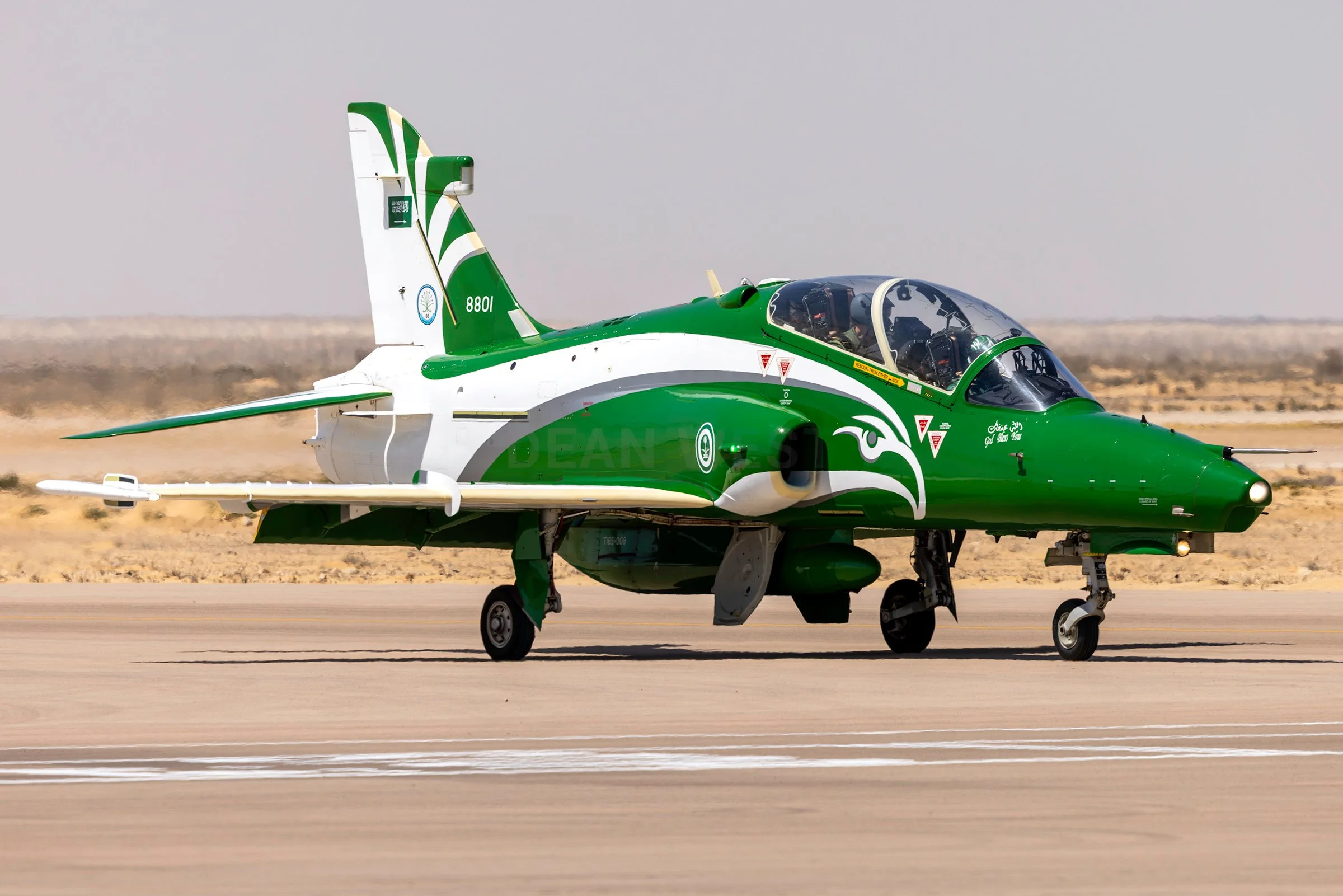
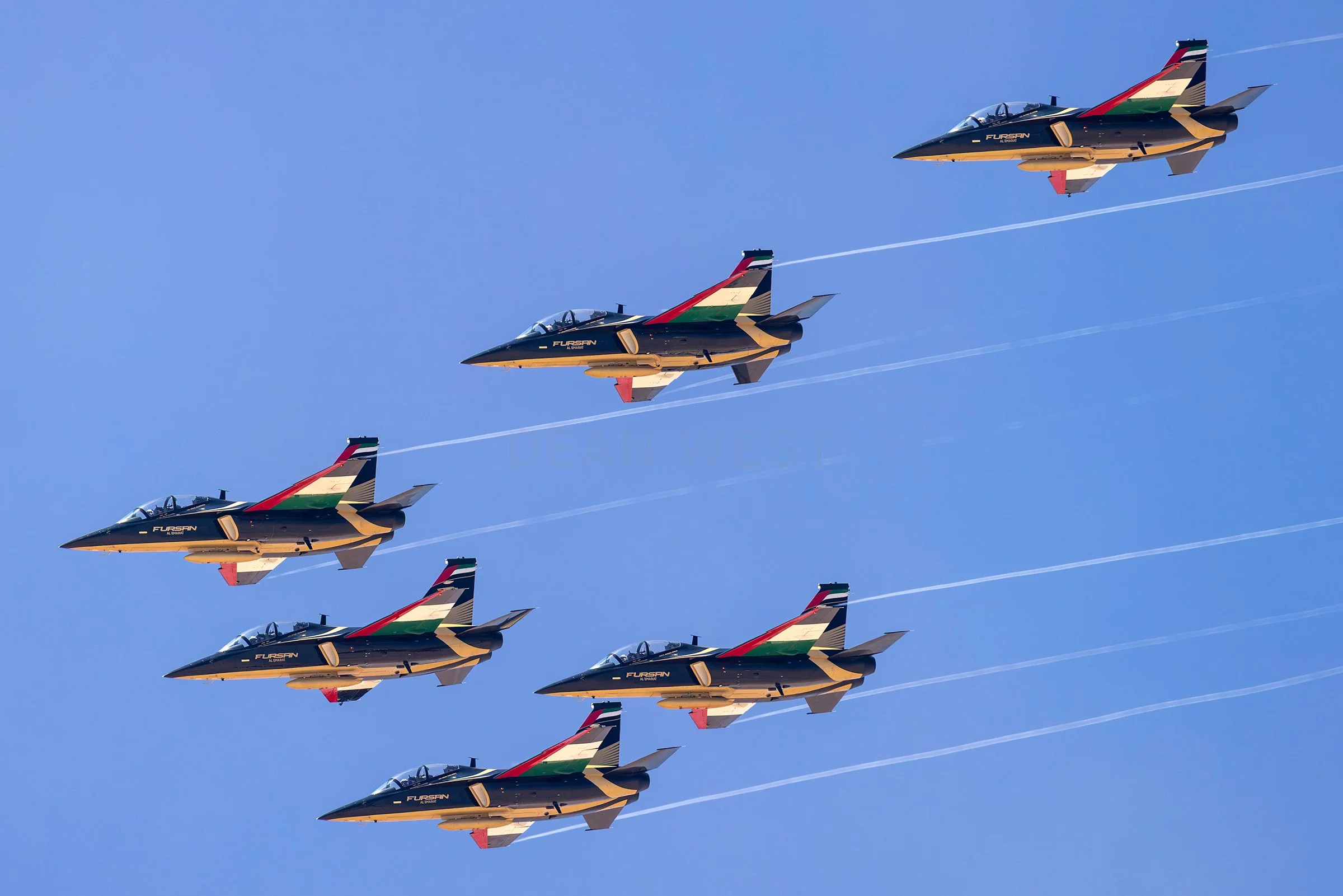
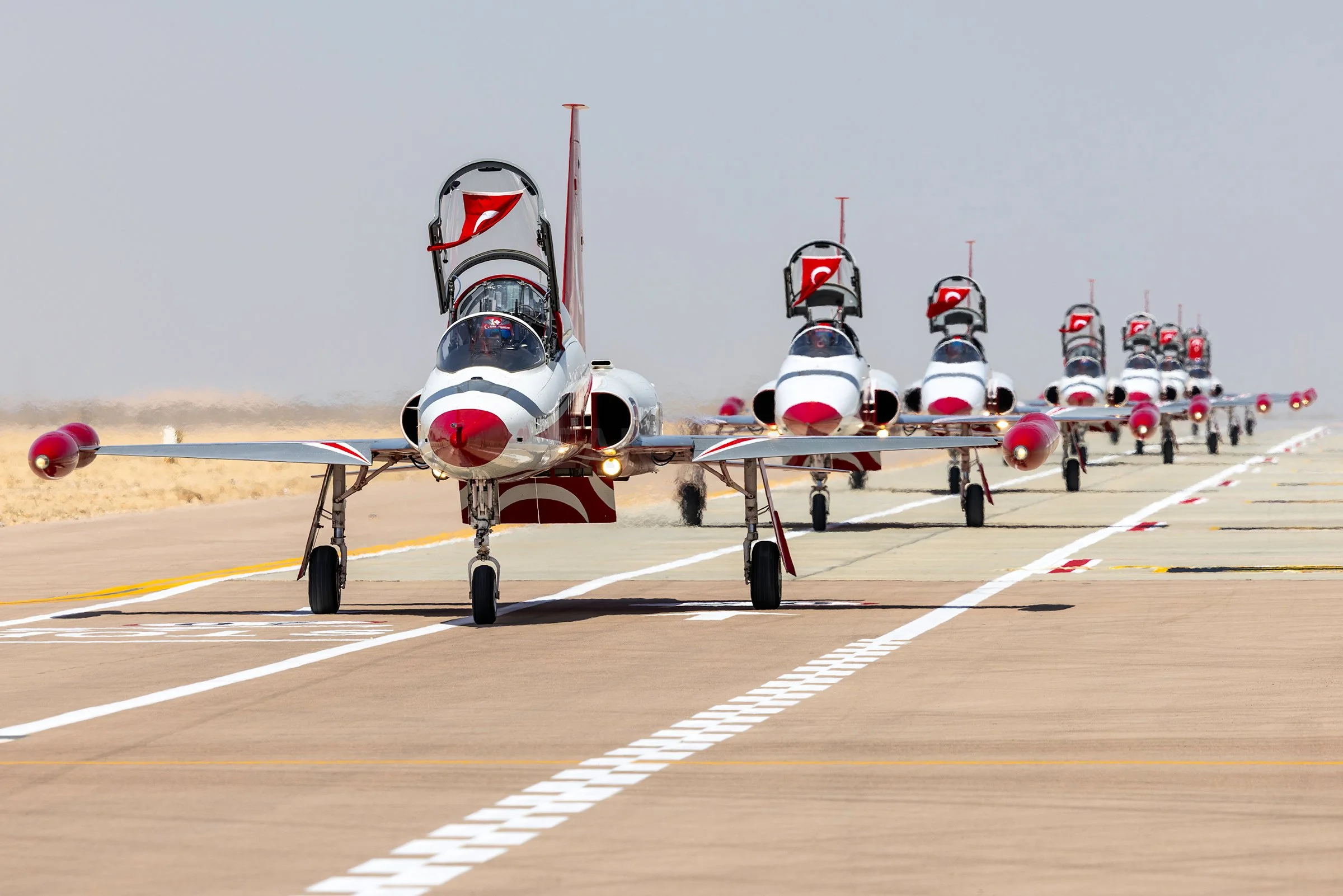
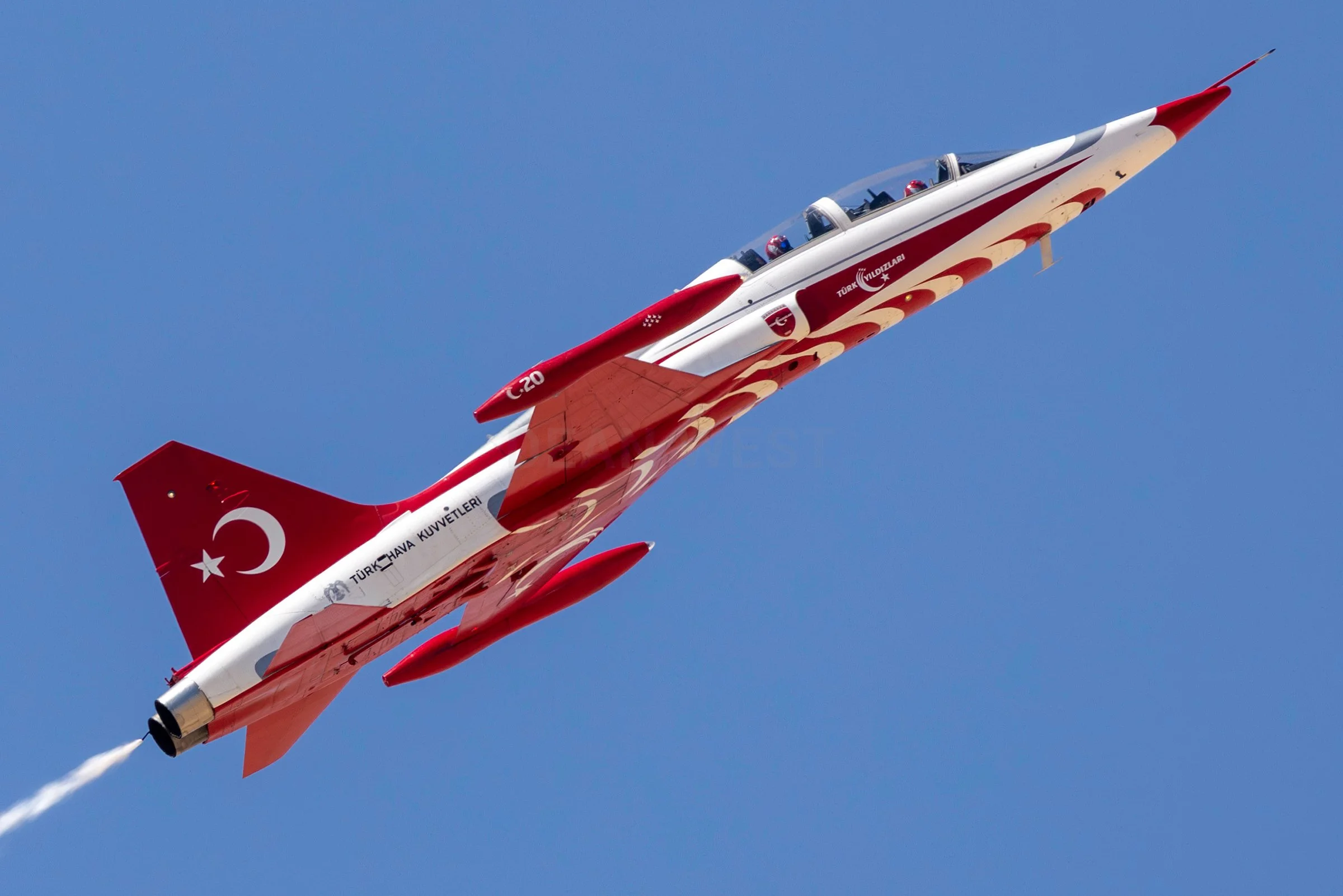
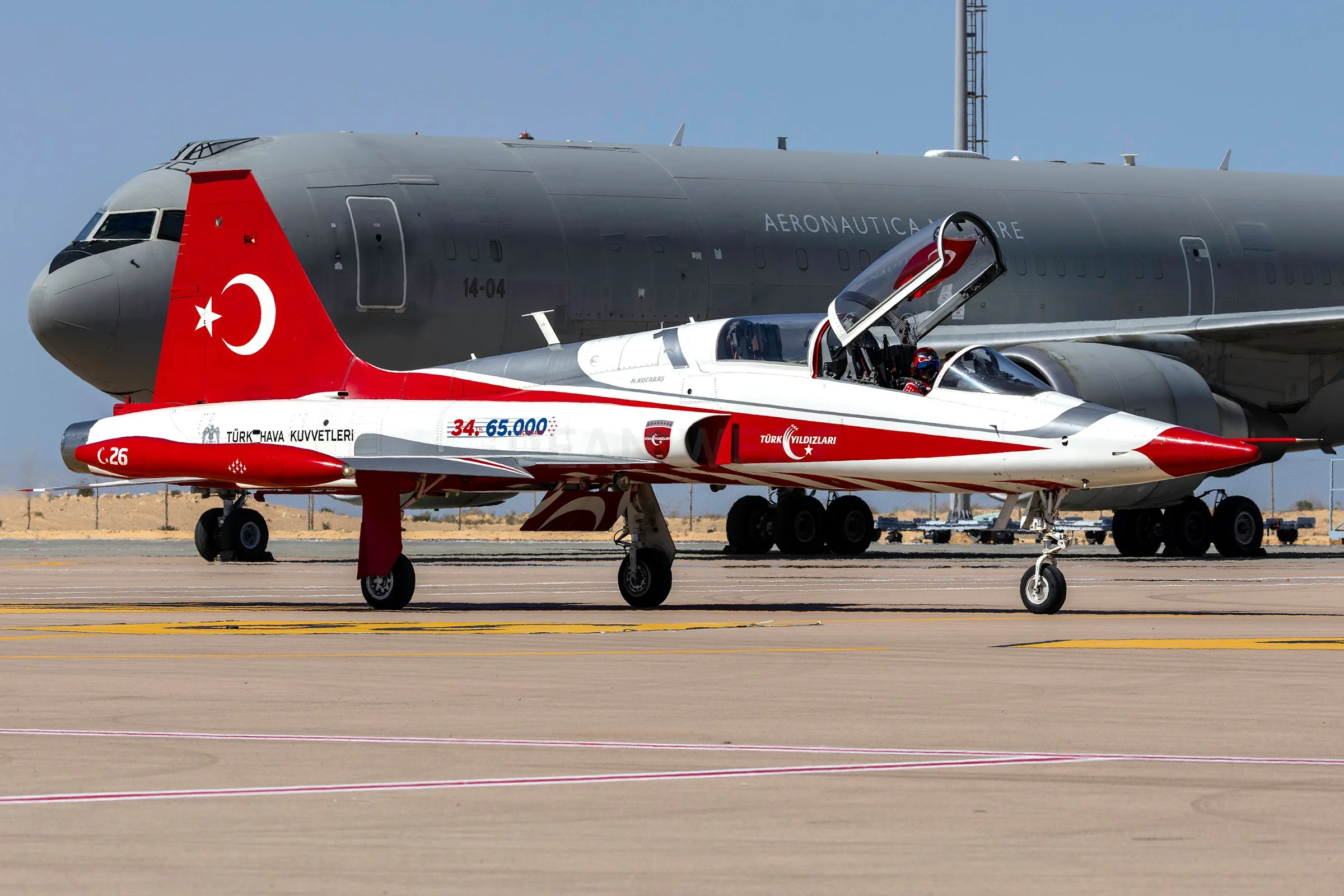
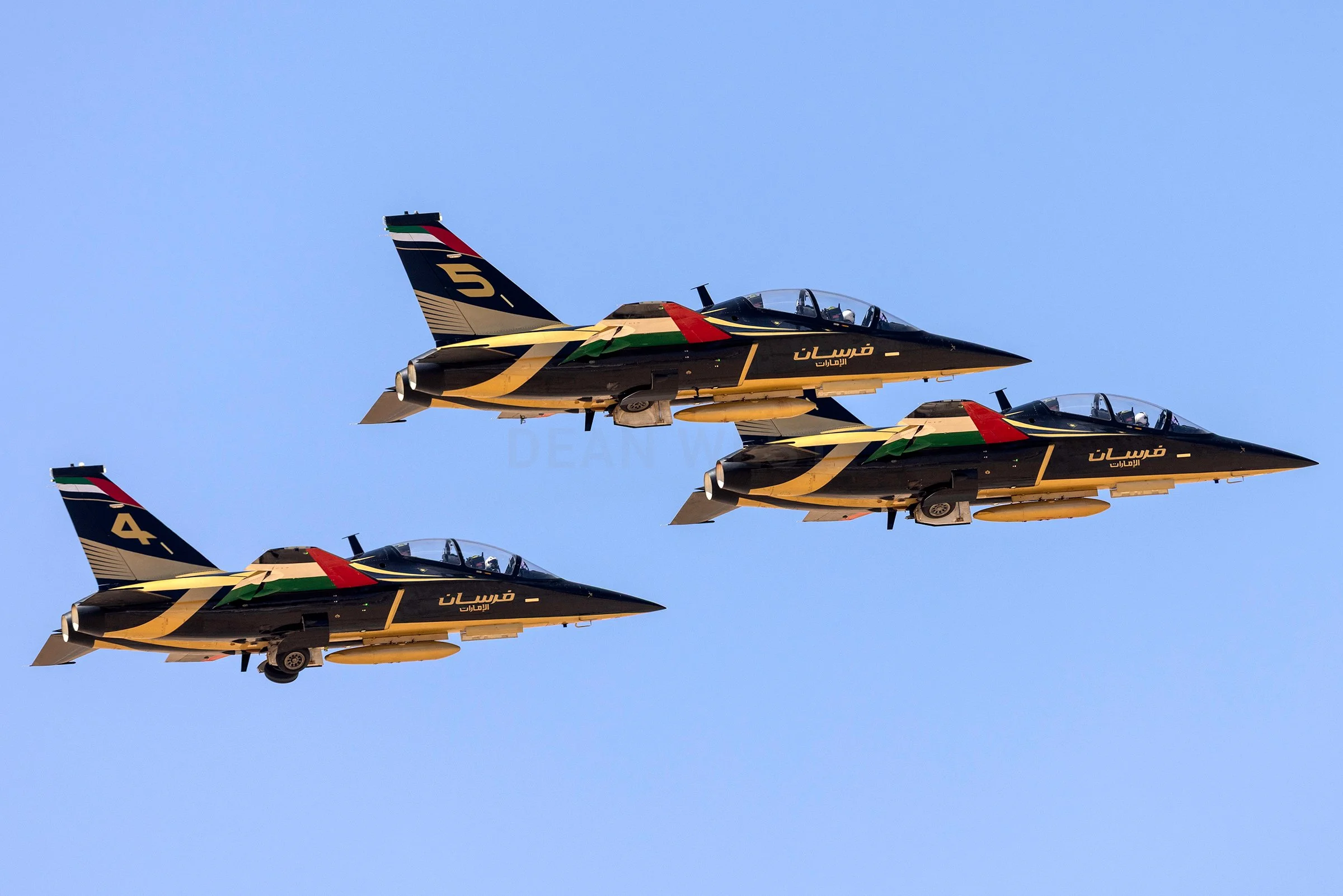
A number of display teams were present, which drew some criticism, but at least they offered a mixture of relatively uncommon military display teamswith genuine points of difference. Both the Saudi Hawks and Al Fursan were flying their new mounts, the Hawk T165 and L-15 respectively, while the Turkish Stars have become something of a rarity outside their native Turkey.
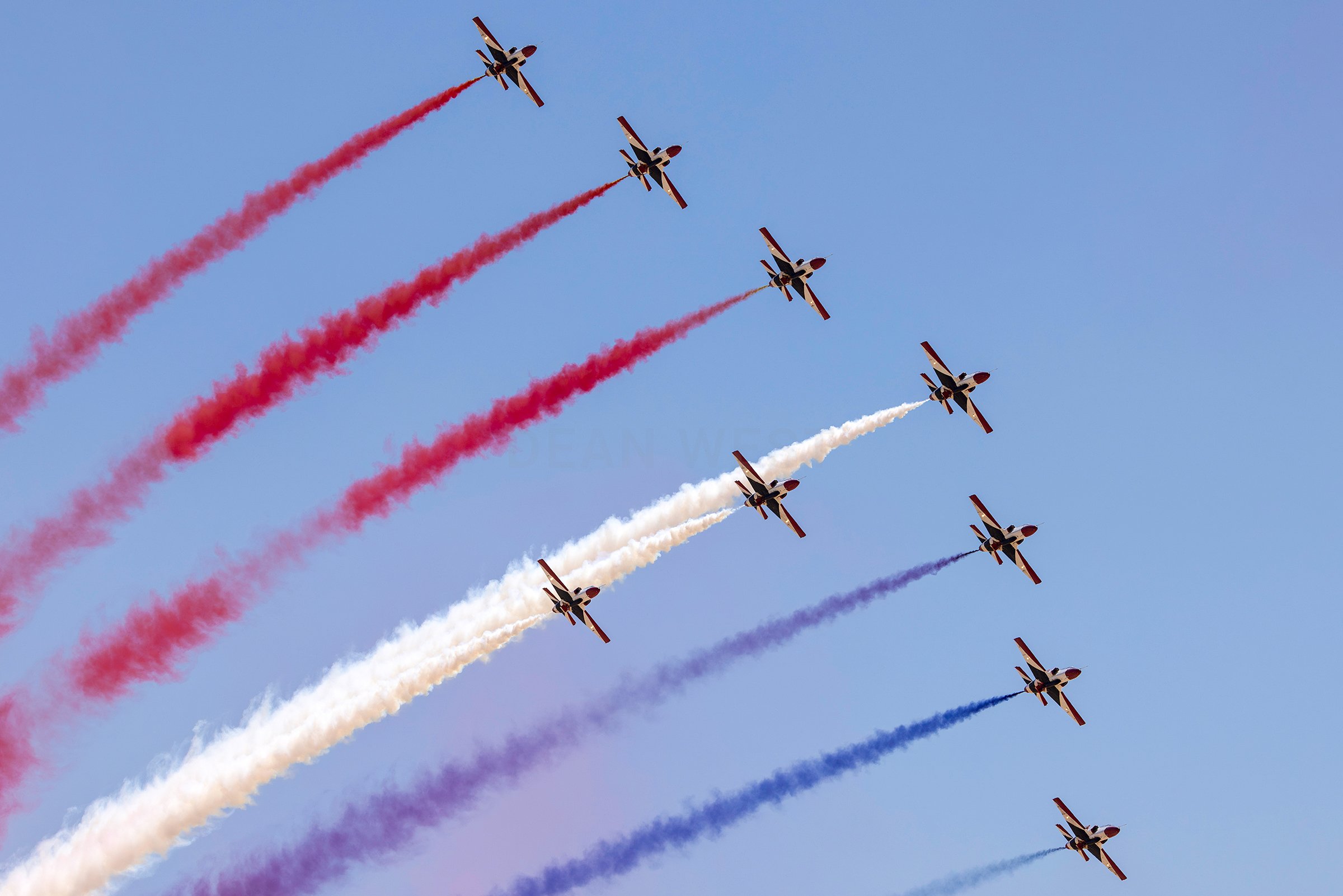
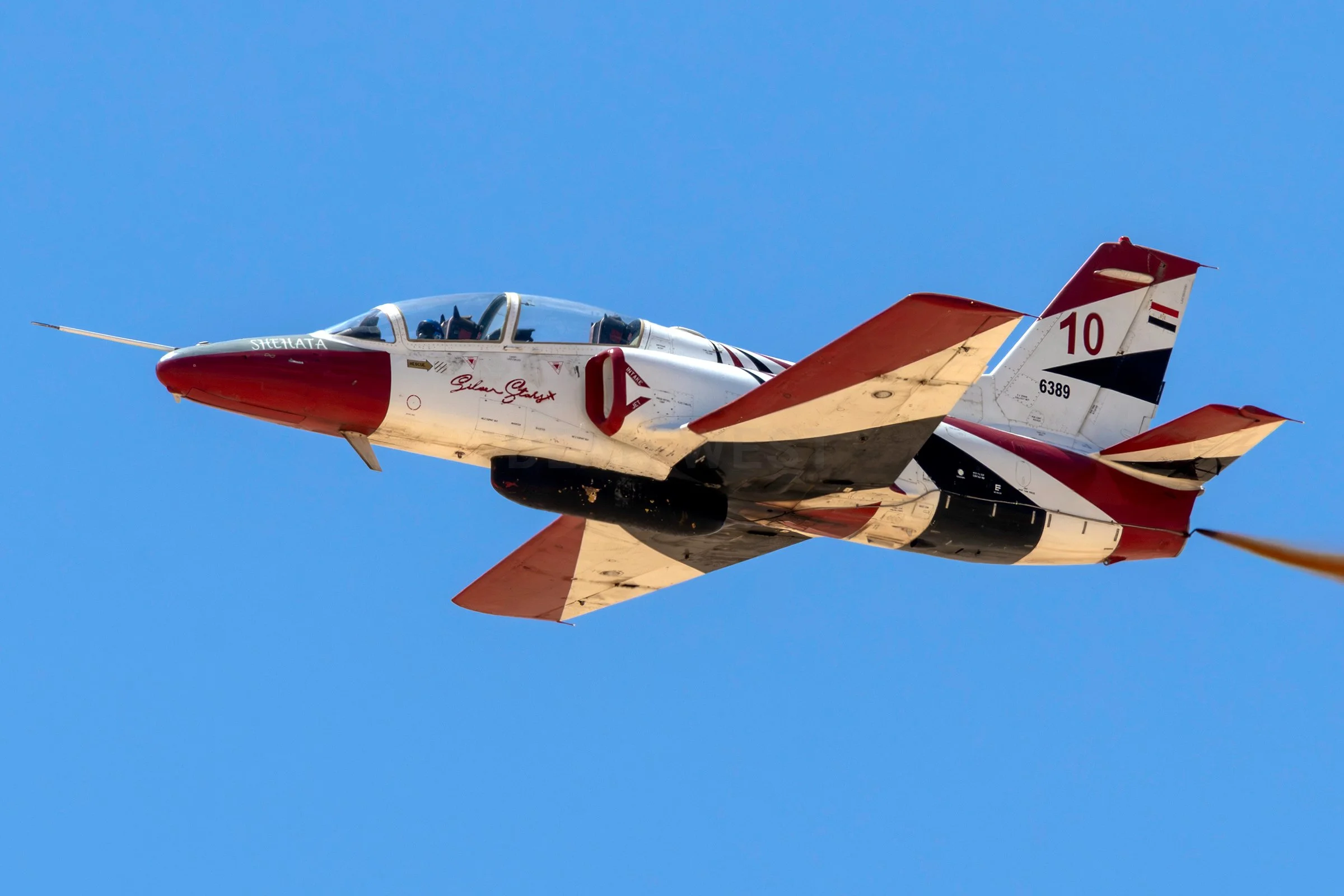
The Egyptian Air Force's Silver Stars, flying the K-8E, was sadly the only EAF element within the flying display. Their routine would certainly give some of the more established Western display teams a run for their money, with a flowing display that centres more on large-formation precision manoeuvres than the likes of the Red Arrows or Patrouille de France. The routine utilised nine K-8Es for formation loops and opposing passes, while a solo aircraft was smartly employed to ensure something was always happening in front of the crowd while the main formation was repositioning away from the display line.
This was not an event defined by polished organisation or a meticulously timed flying programme. There were gaps in the schedule. Information was often limited. Security and crowd management could occasionally feel surprisingly relaxed. Yet somehow those imperfections added to the experience.
For a few days, enthusiasts were able to experience something increasingly rare in modern aviation photography: the genuine thrill of not knowing what was around the next corner. In an era when most major airshow participation lists are effectively complete weeks before the first aircraft arrives, El Alamein delivered something many thought had disappeared from the hobby altogether: the excitement of discovery.
And when those discoveries kept turning out to be Egyptian Air Force aircraft, it made for one of the most memorable enthusiast trips I have ever taken.