Rotary Heaven In The Rhône Valley
Organised and hosted by the French Army unit GAMSTAT (Groupement Aéromobilité de la Section Technique de l’Armée de Terre), which is responsible for the technical and tactical assessment of aircraft and equipment within the Aviation légère de l'armée de Terre (ALAT), the event is notable as the last remaining French Army airshow and one of the few military events in Europe to focus primarily on helicopters.
Held at GAMSTAT’s home base of Valence-Chabeuil Airport, around 70 miles south of Lyon, Aerotorshow attracts a wide variety of ALAT types alongside other European rotary assets, making it particularly appealing to enthusiasts thanks to flying helicopters rarely seen elsewhere. A somewhat under‑the‑radar entry on the European calendar, it offers a six‑and‑a‑half‑hour flying display and a modest static lineup — all free of charge. However, the show is challenging photographically: the crowdline sits west of the north–south runway, meaning the entire morning display is heavily backlit.
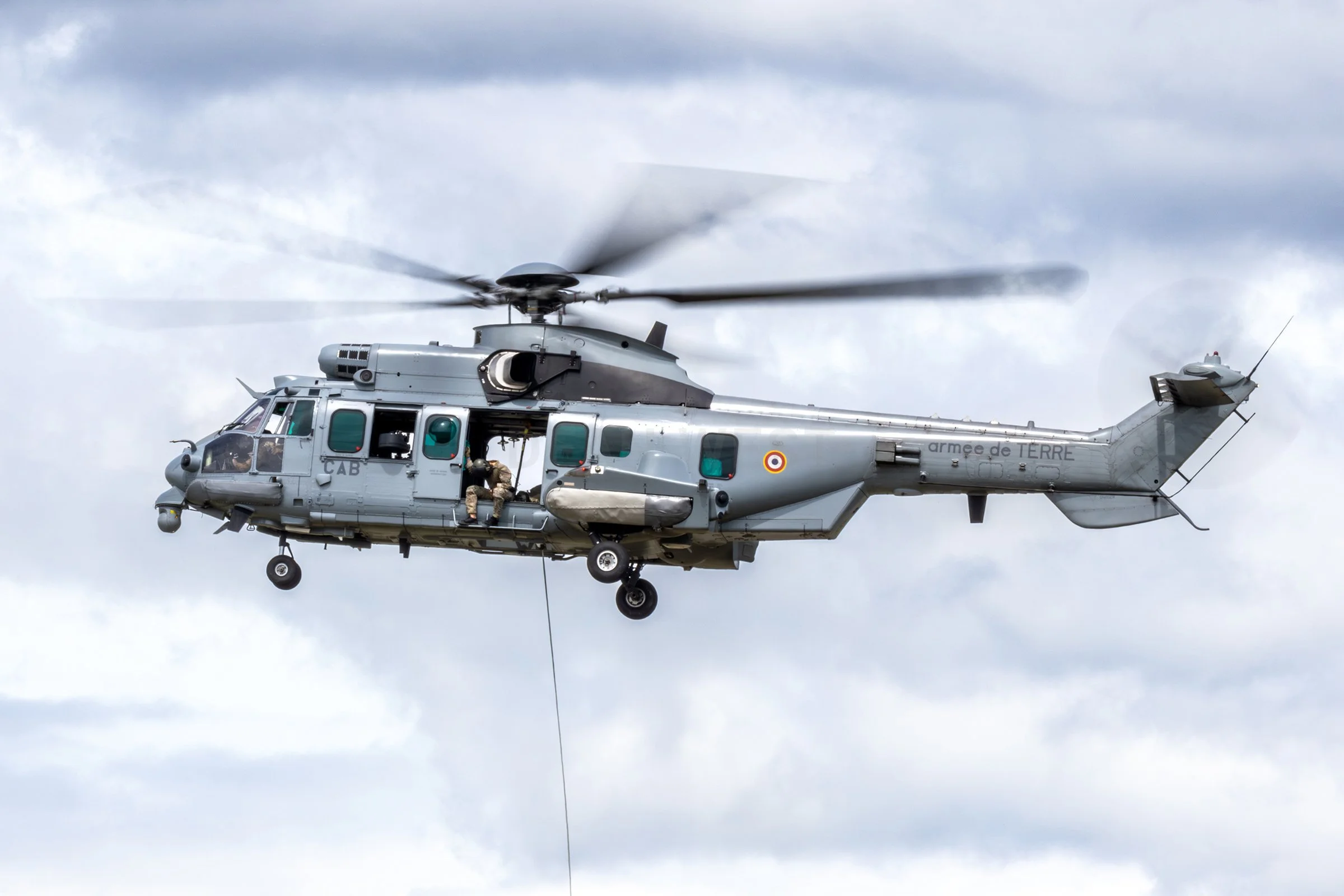
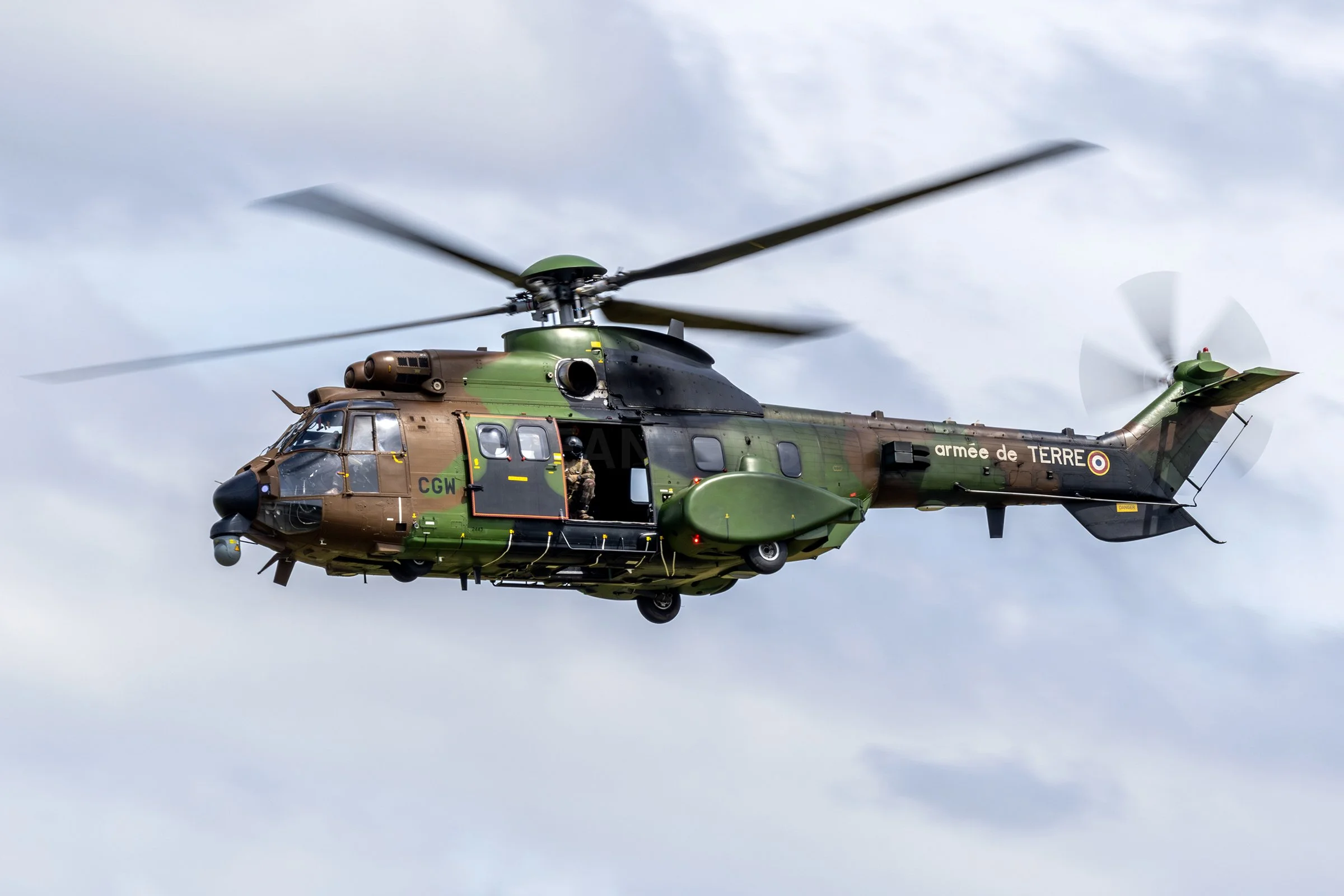
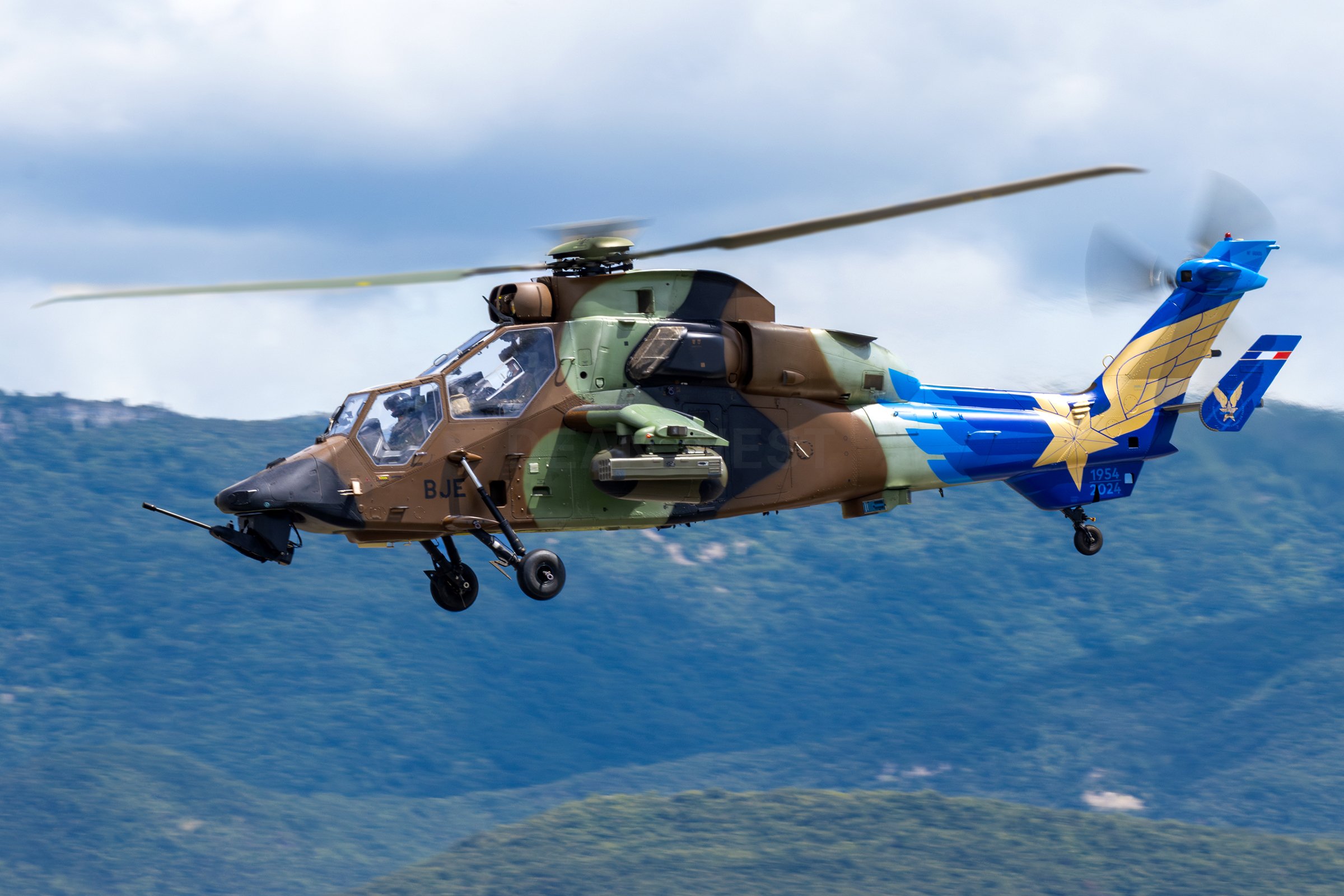
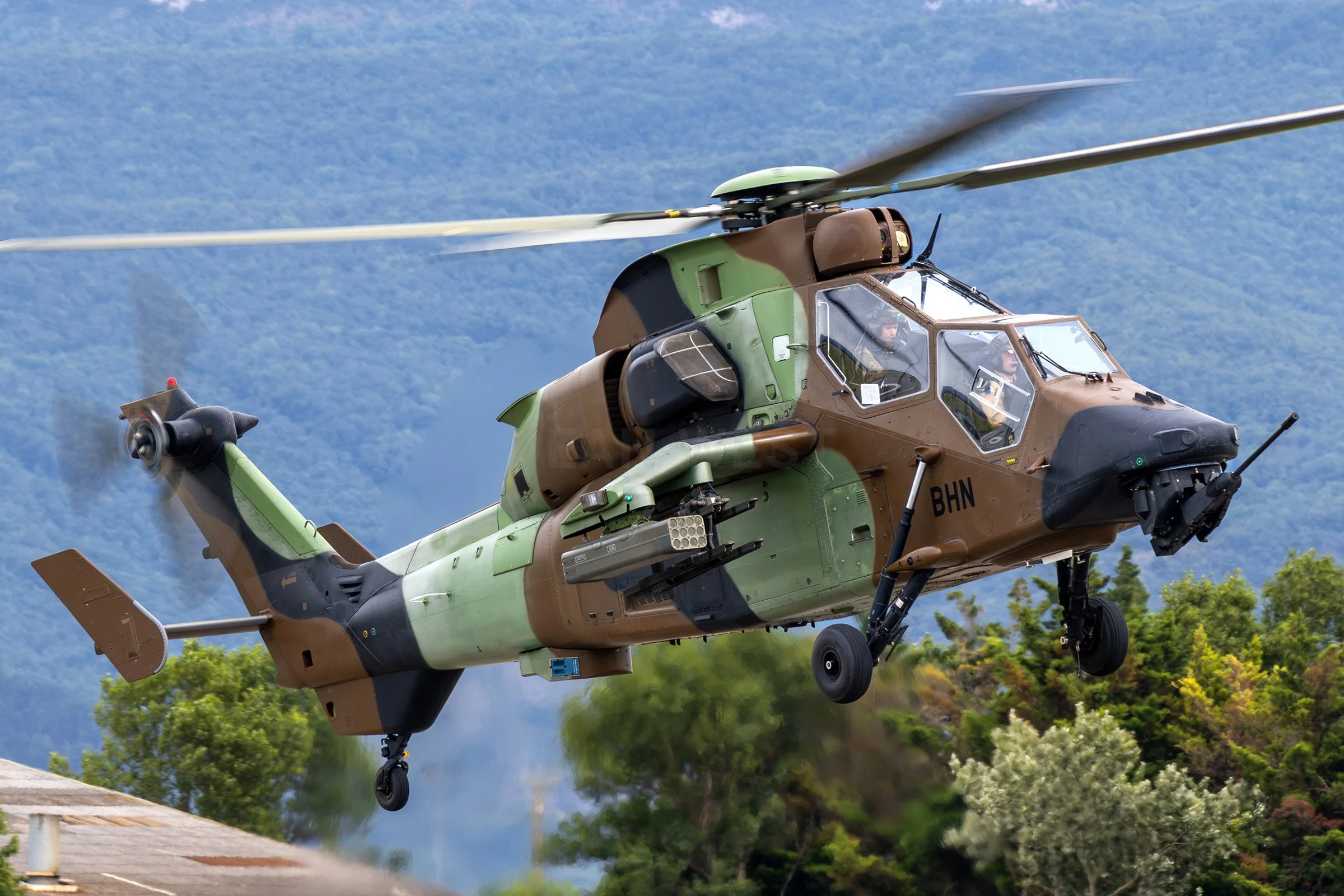
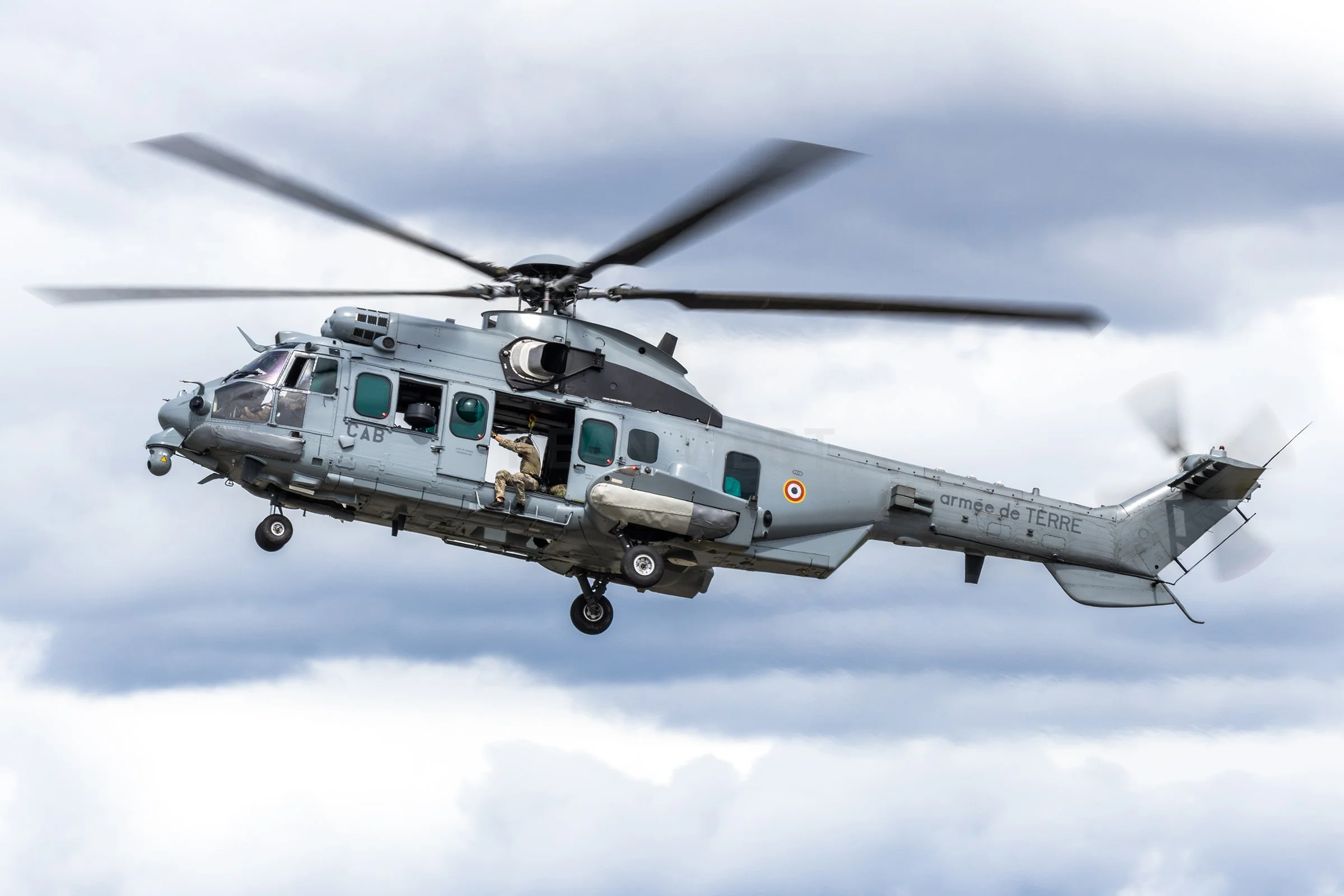
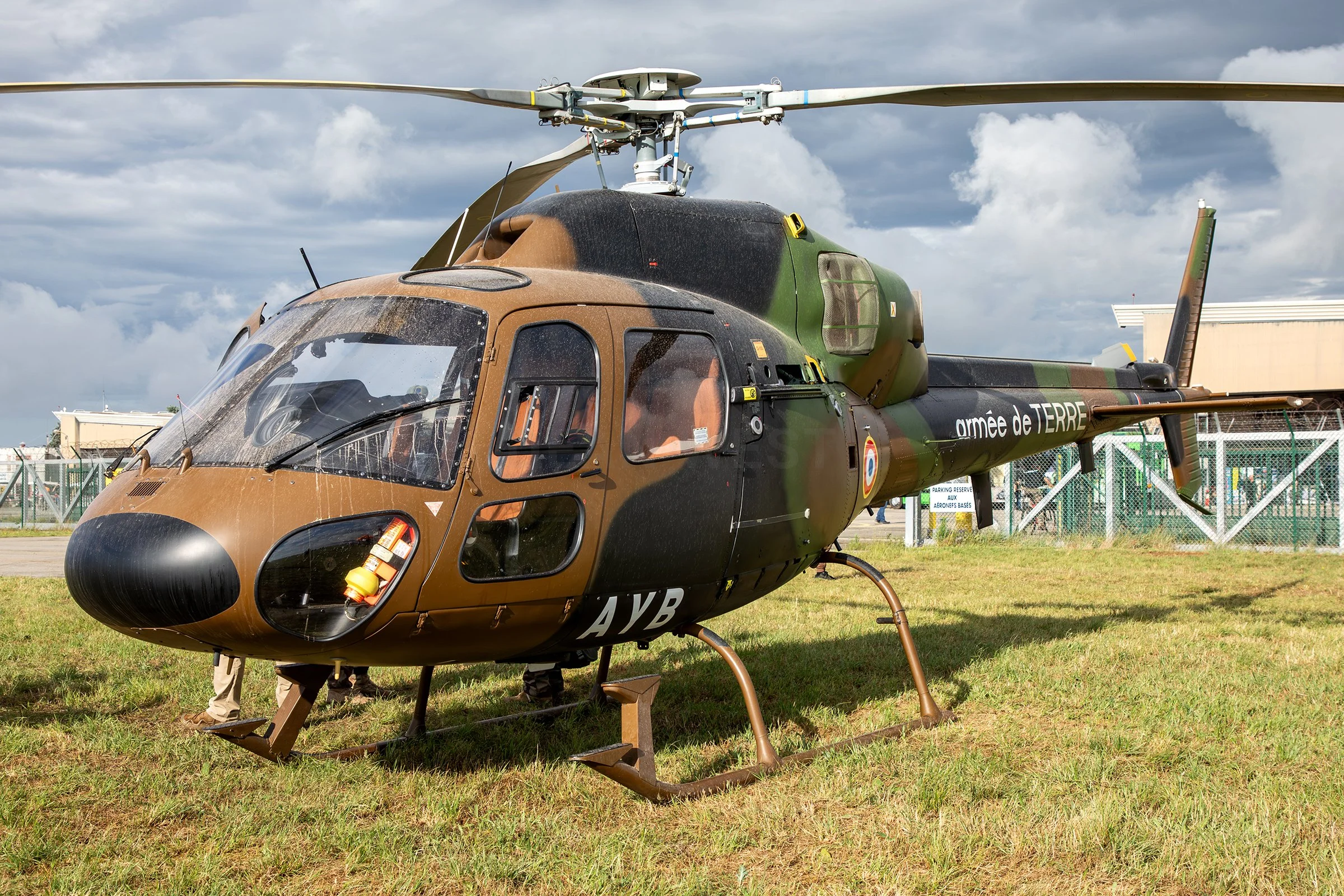
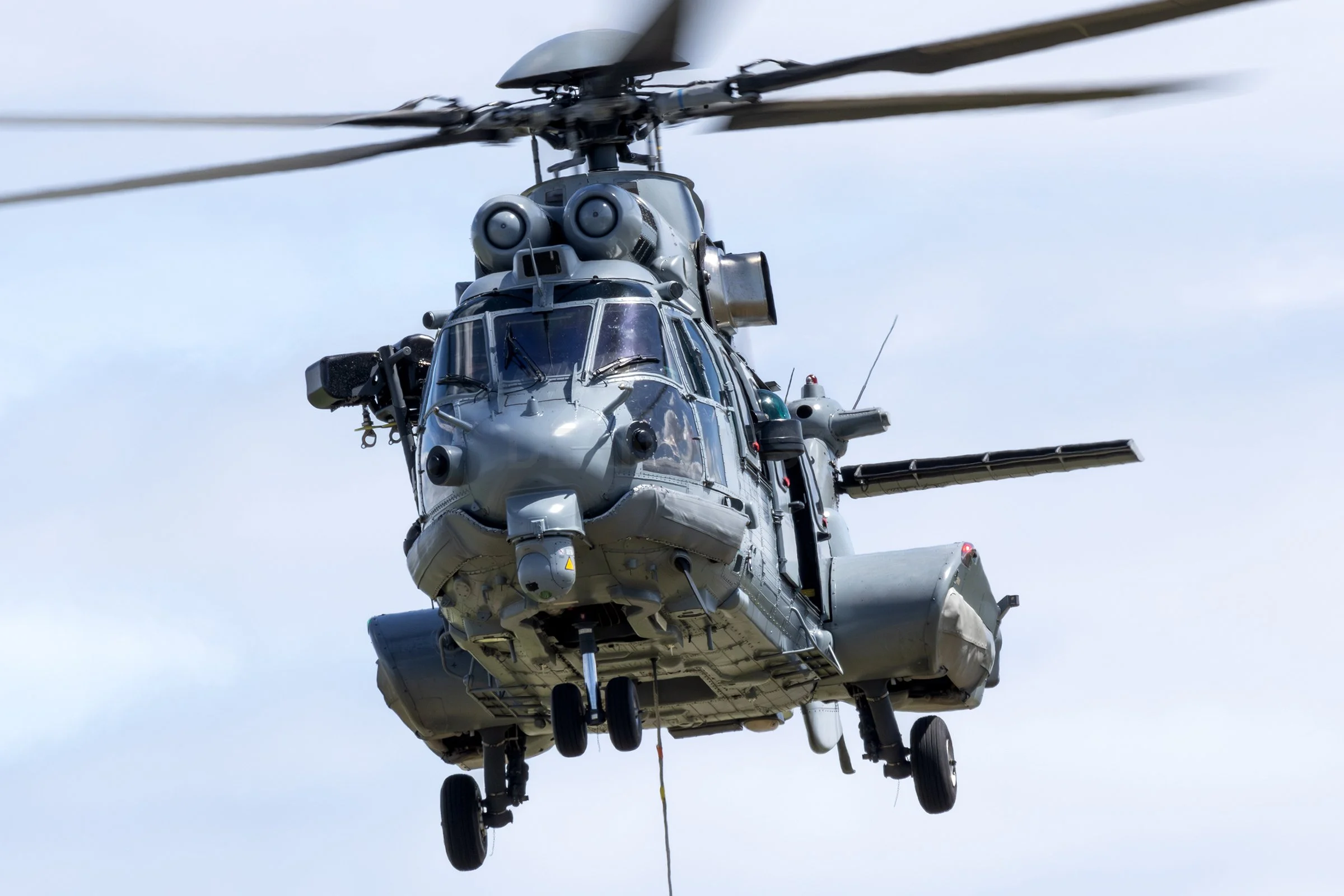
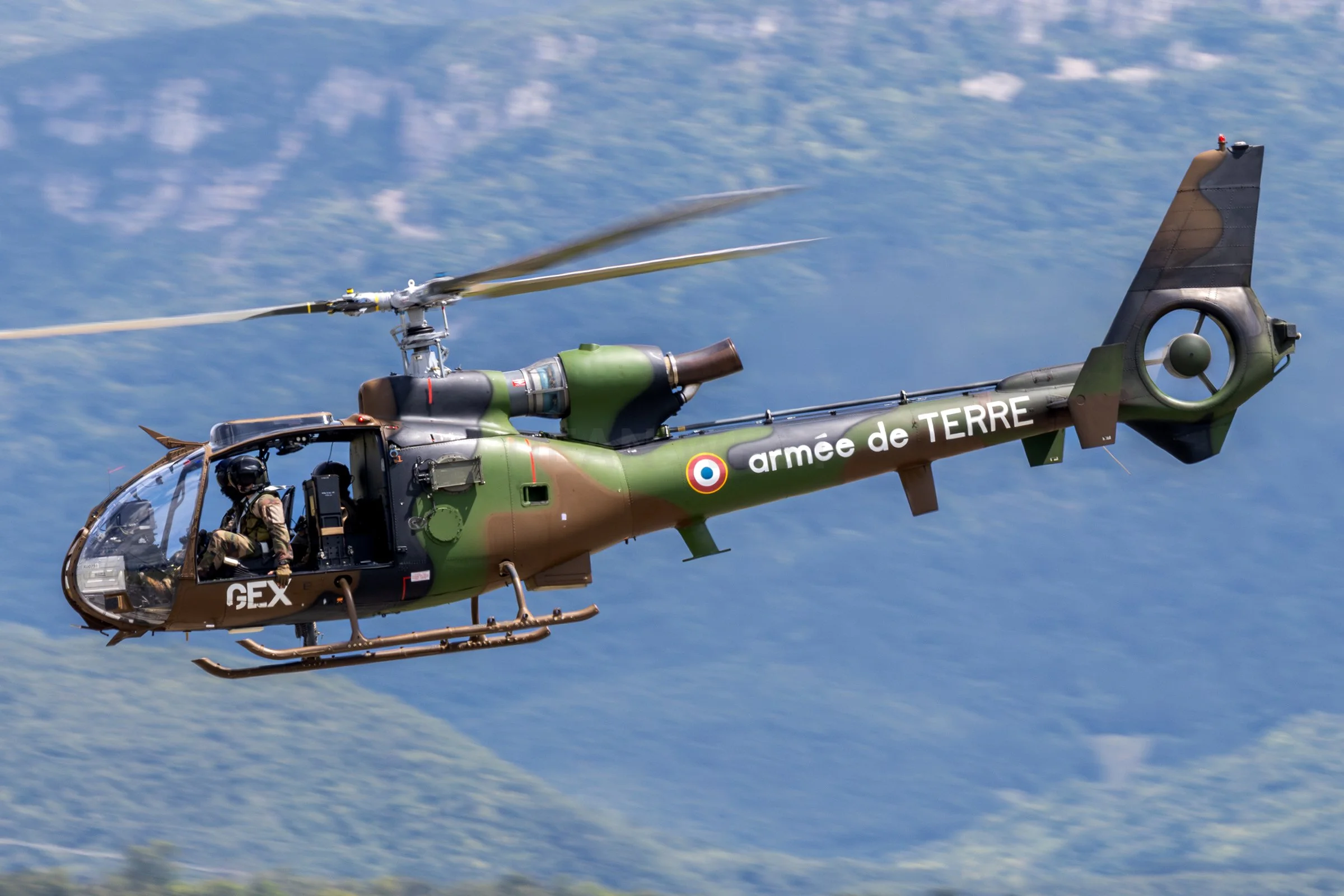
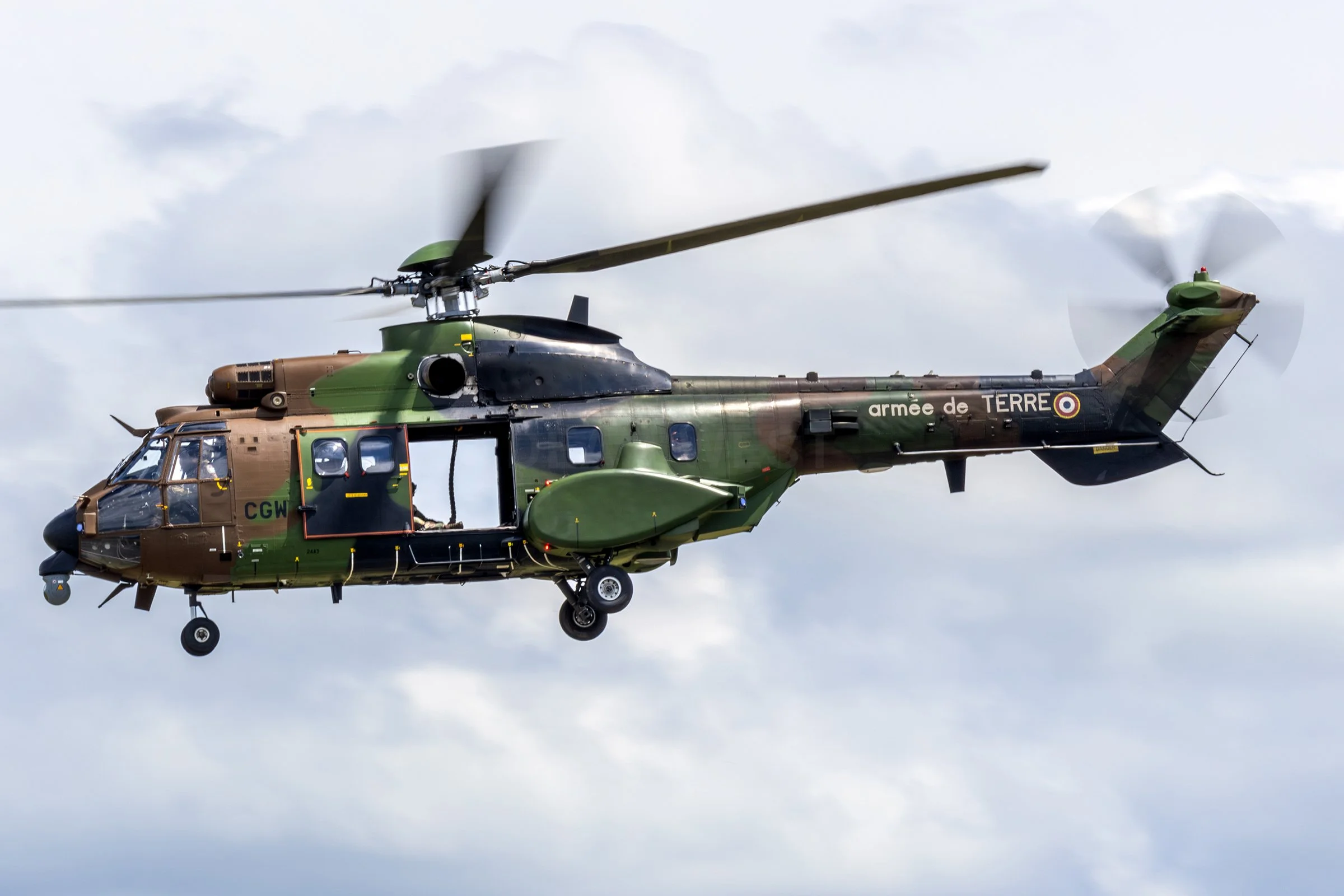
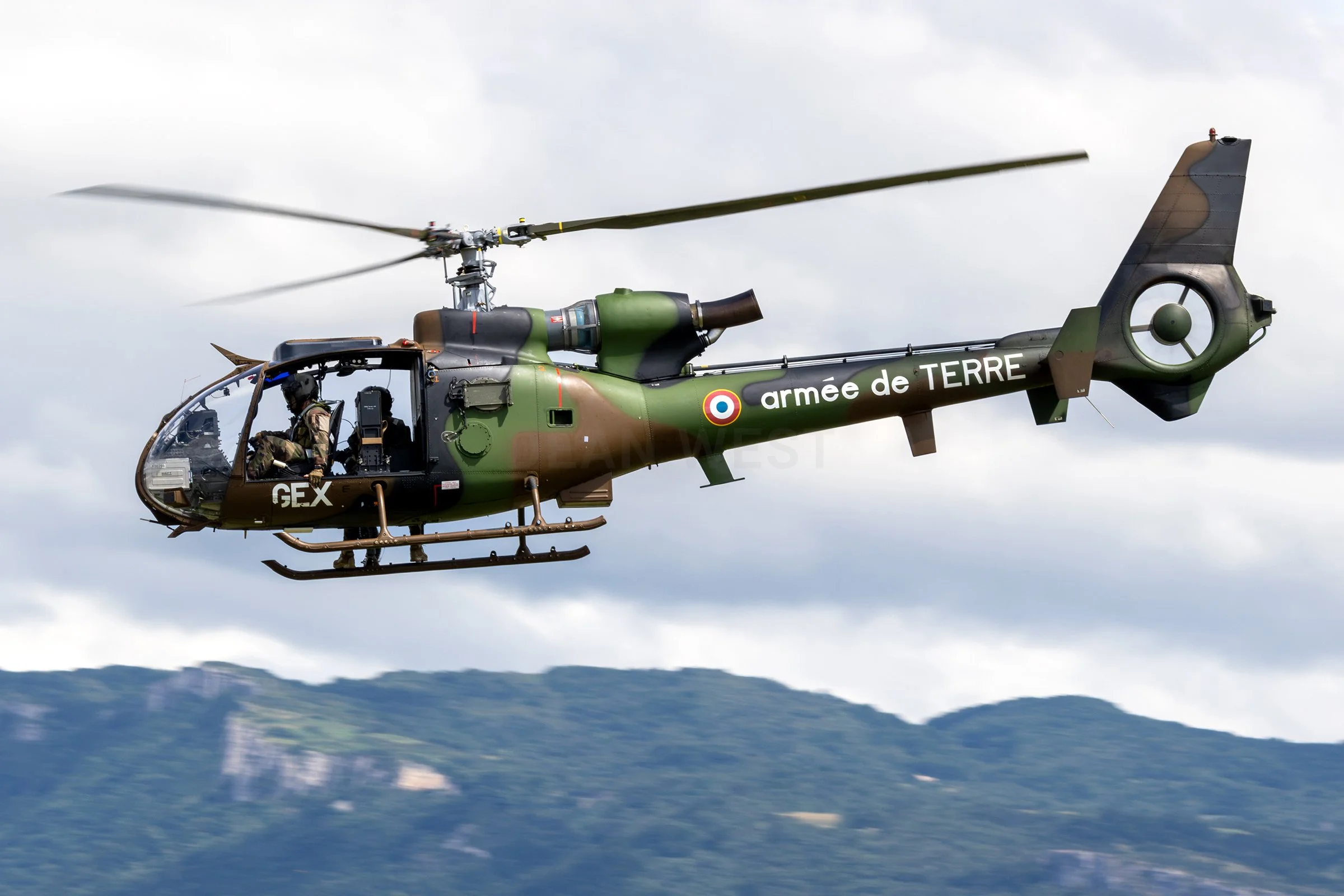
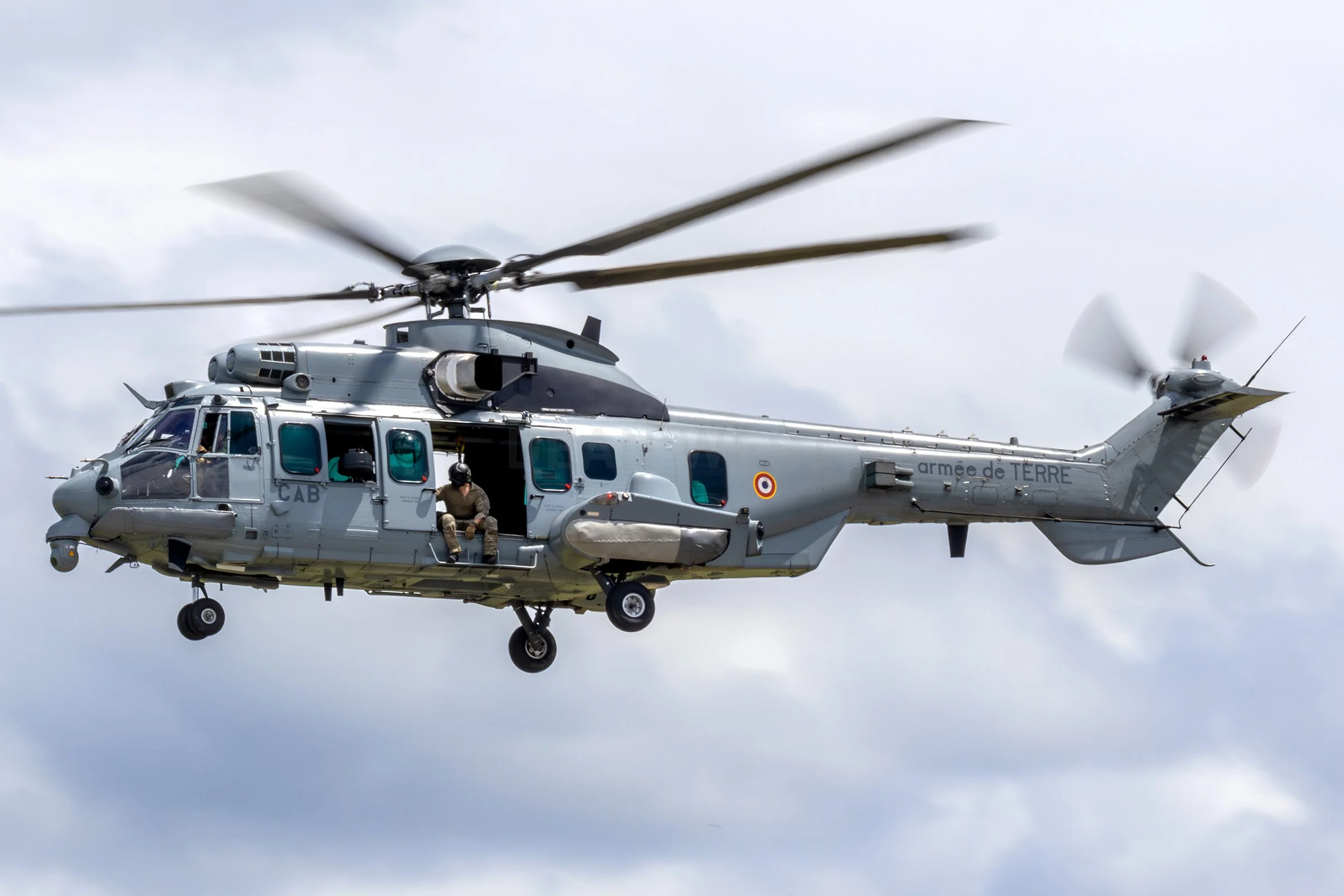
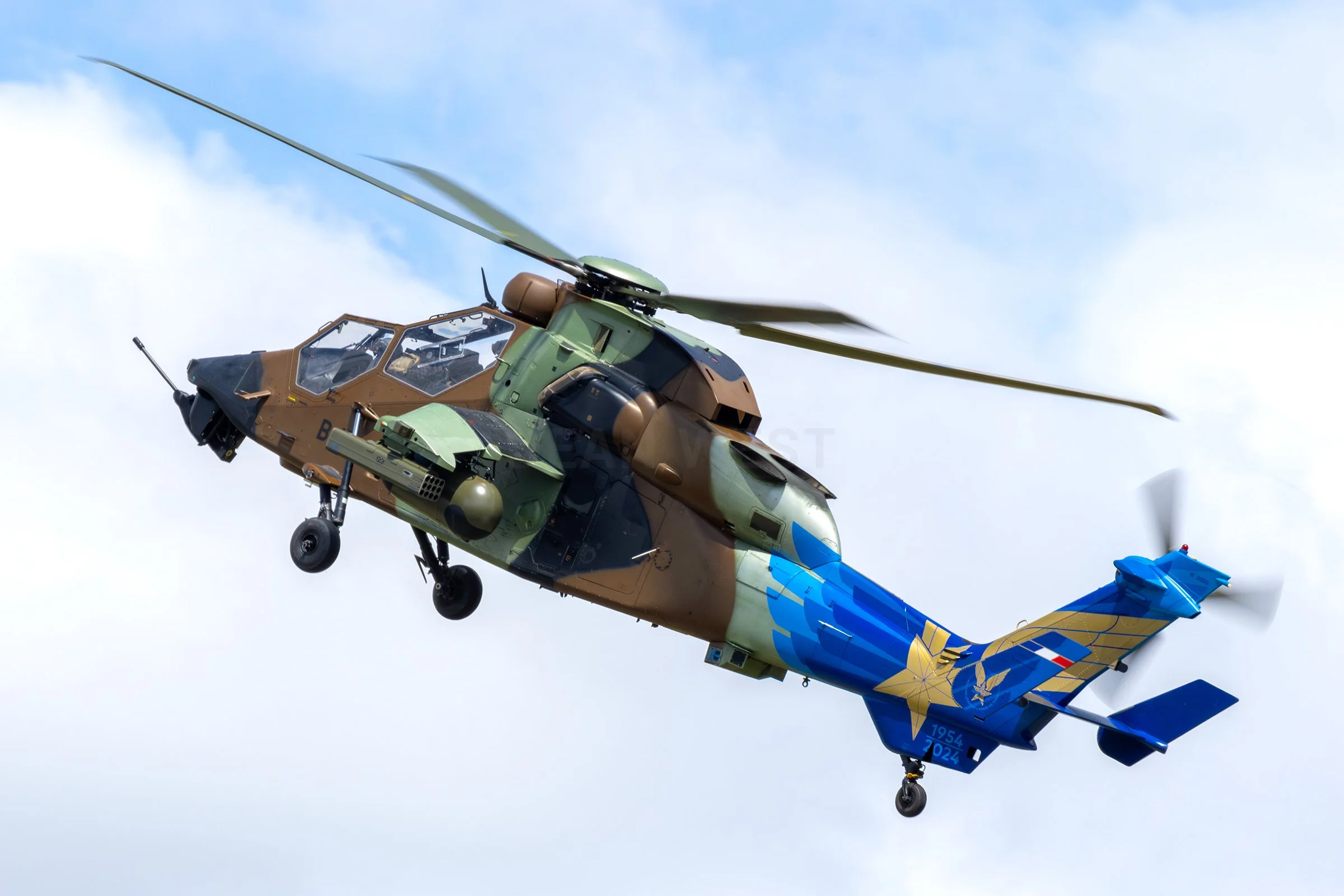
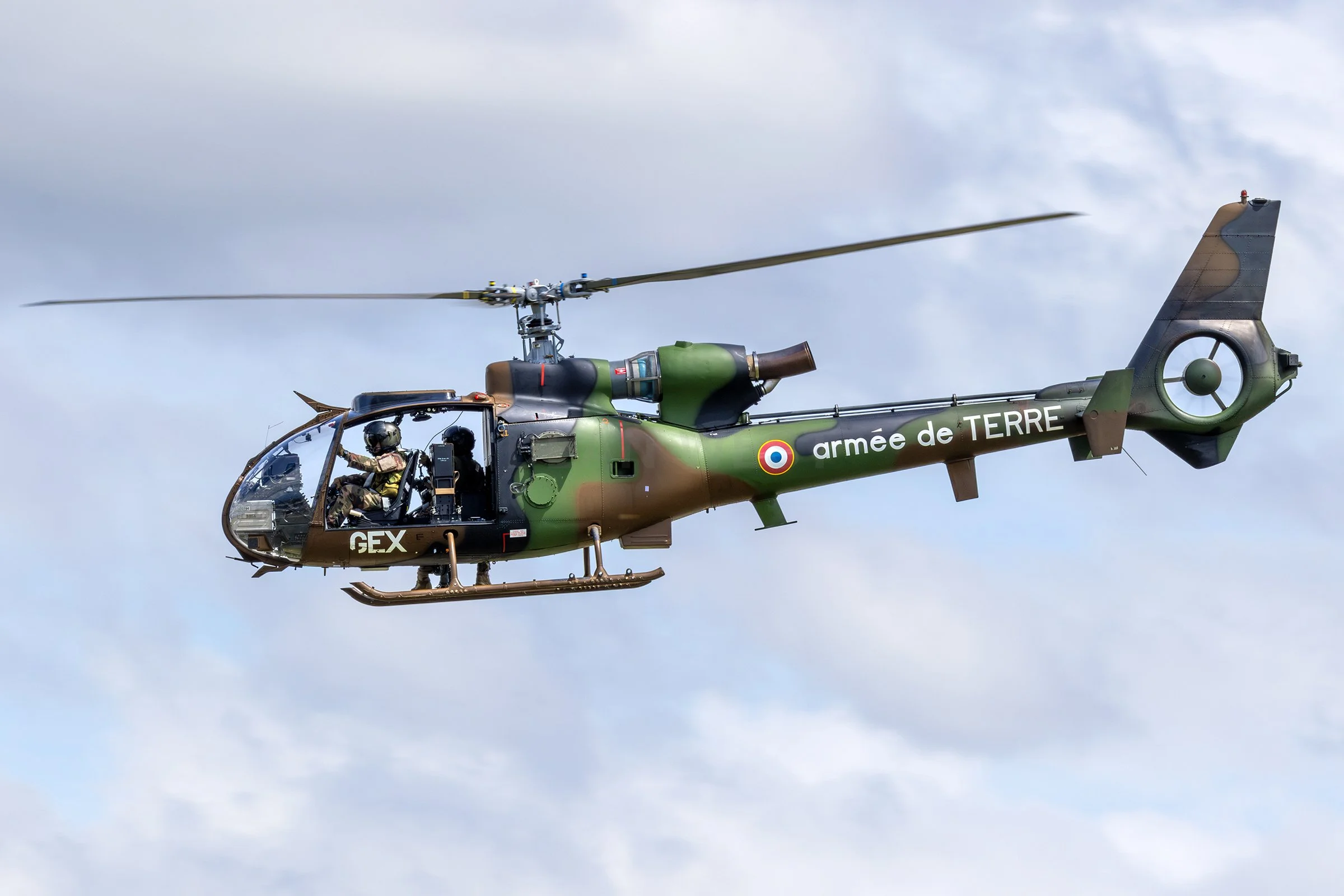
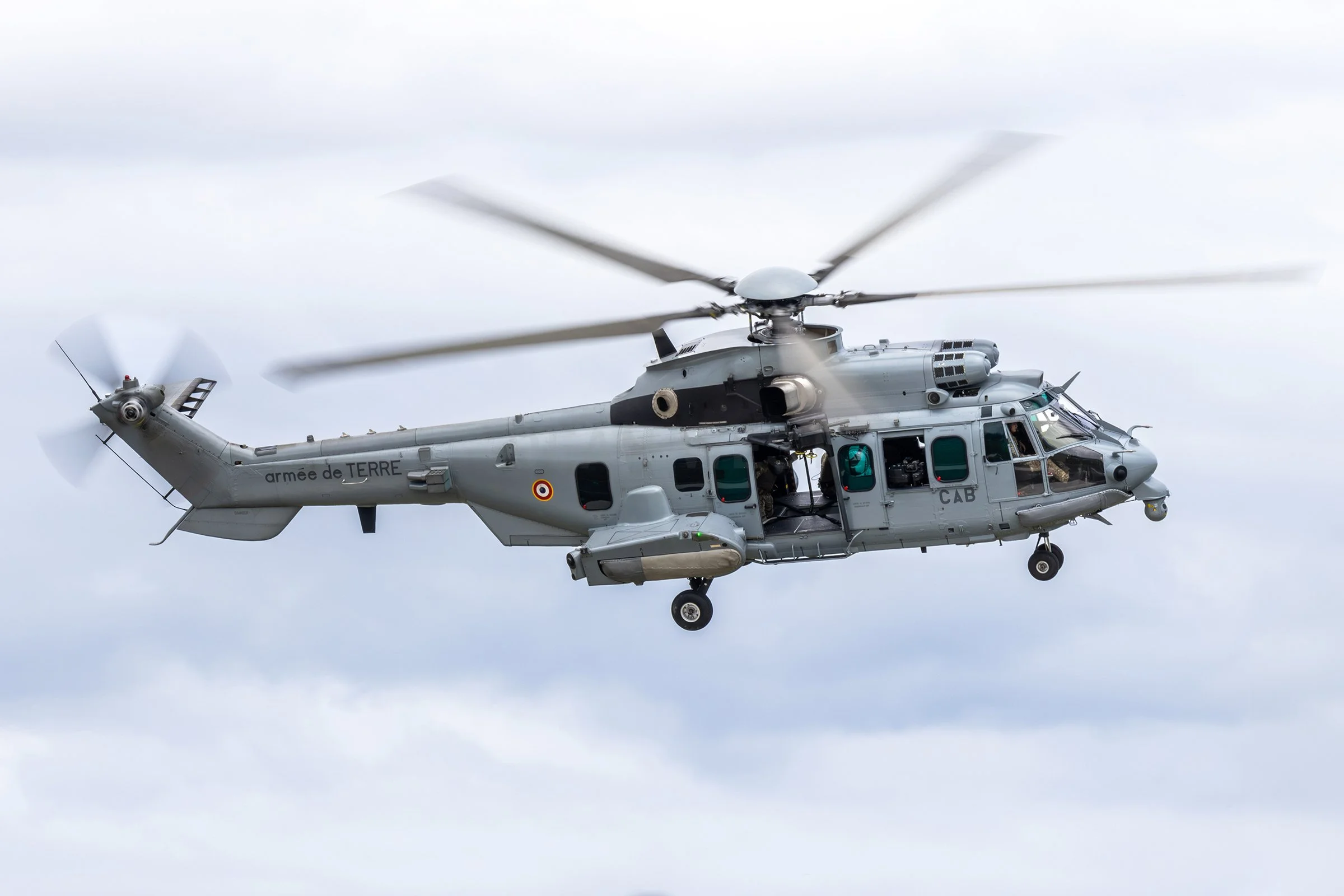
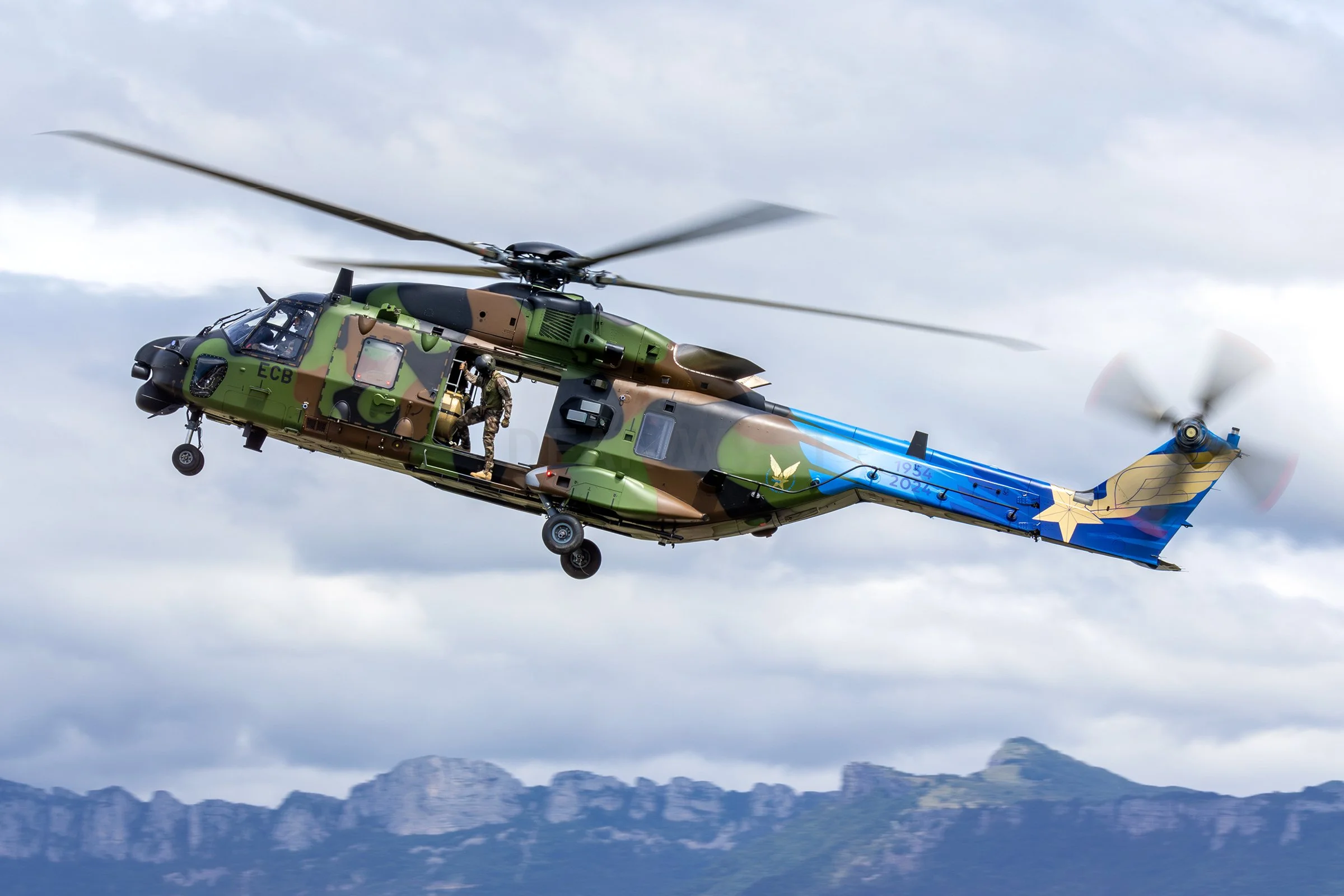
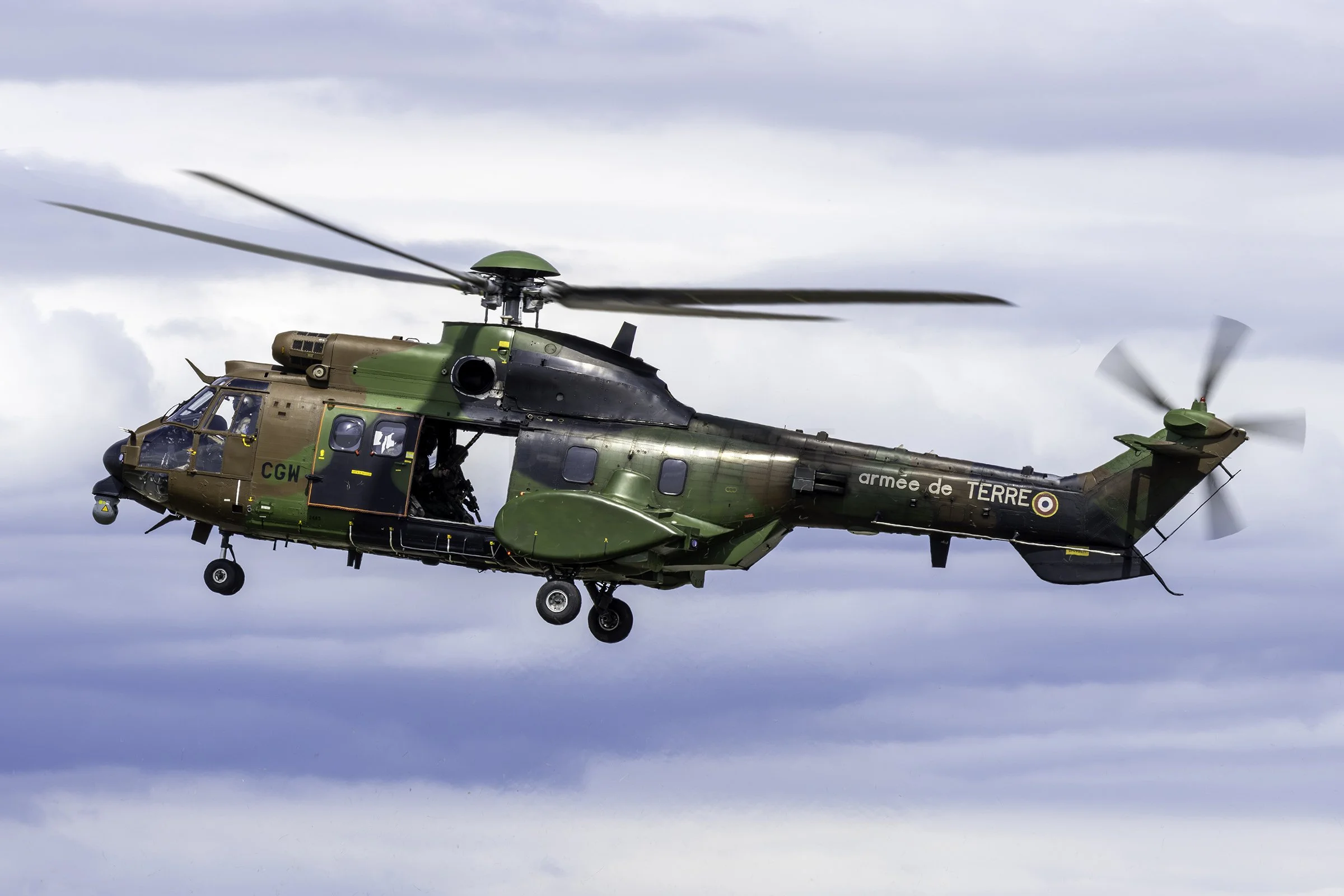
The ALAT helicopters are the main draw, and the 2024 edition delivered flying appearances from many of the French Army’s rotary types via a 25‑minute tactical demonstration featuring single examples of the Caracal, Cougar, NH90, Gazelle and Tigre. The EC665 Tigre HAD and SA‑342M Gazelle opened the scenario, using their scout and attack capabilities to secure the area for the EC725AP Caracal and AS532UL Cougar to insert troops. As ground forces began to neutralise the enemy, the NH90 TTH arrived with additional support before later returning to extract a mock casualty on a stretcher. The Caracal notably employed the Special Patrol Insertion/Extraction system to recover its troops — who, somewhat bizarrely, remained suspended beneath the helicopter during the final formation pass of all participating assets. Fortunately for photographers, the ALAT demo was flown twice, compensating for the backlit morning performance.
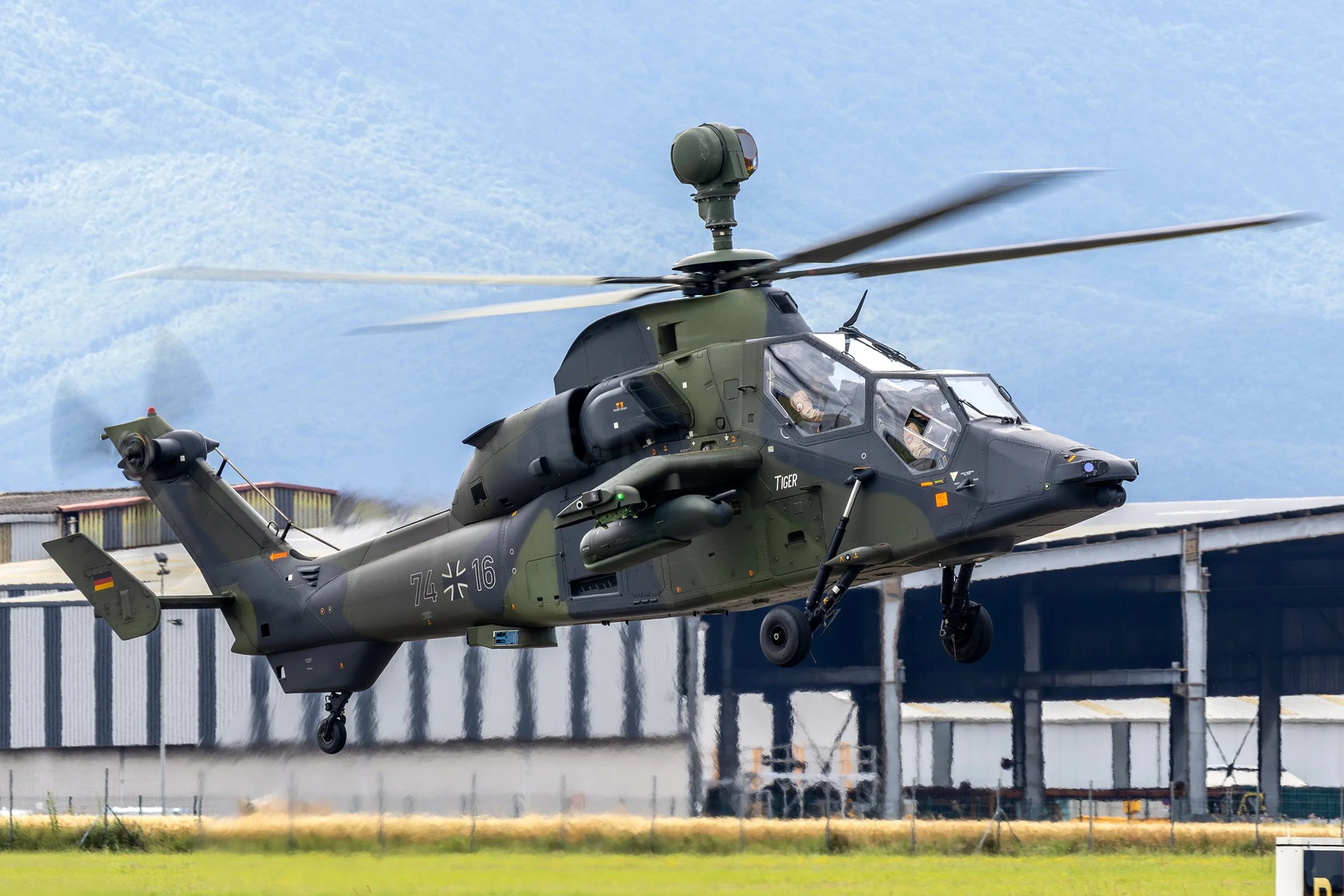
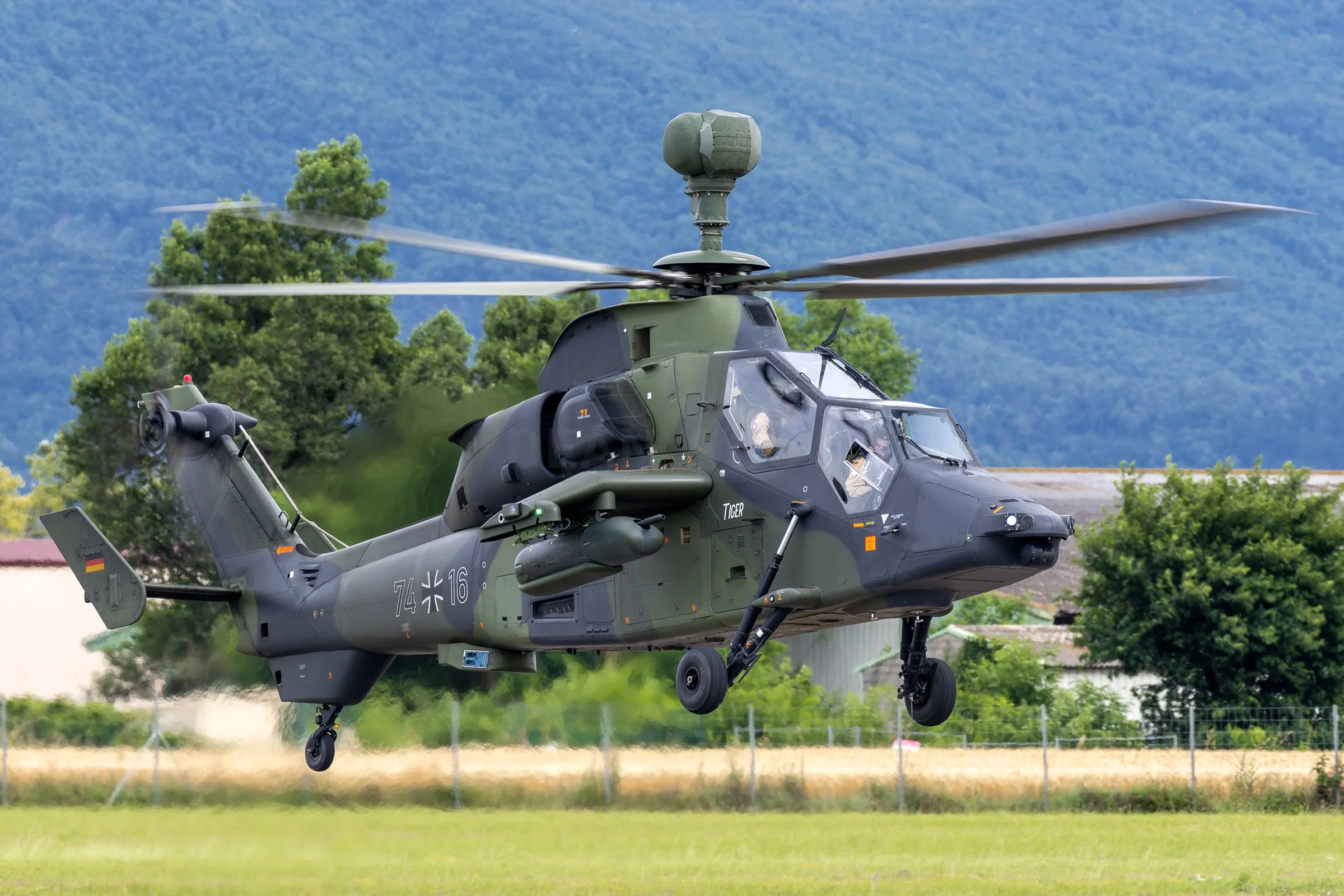
A further ALAT Tigre appearance came in the form of a solo display, though it lacked the punch of its German Army (HEER) counterpart, which delivered an impressive routine featuring several backflips and wingovers. The real highlight, however, was the combined Franco‑German pairs display — the ‘Patrouille Franco‑Allemande’ — featuring both the French Tigre and German Tiger. While less dynamic than the German solo, the routine included novel synchronised breaks and hovering. Given that HEER and ALAT crews train together at the Franco‑German Tiger Training Center at Le Luc, the pairing made sense, but it remains rare to see a cross‑nation military flying display outside of set‑piece formations. A genuine coup for Aerotorshow.
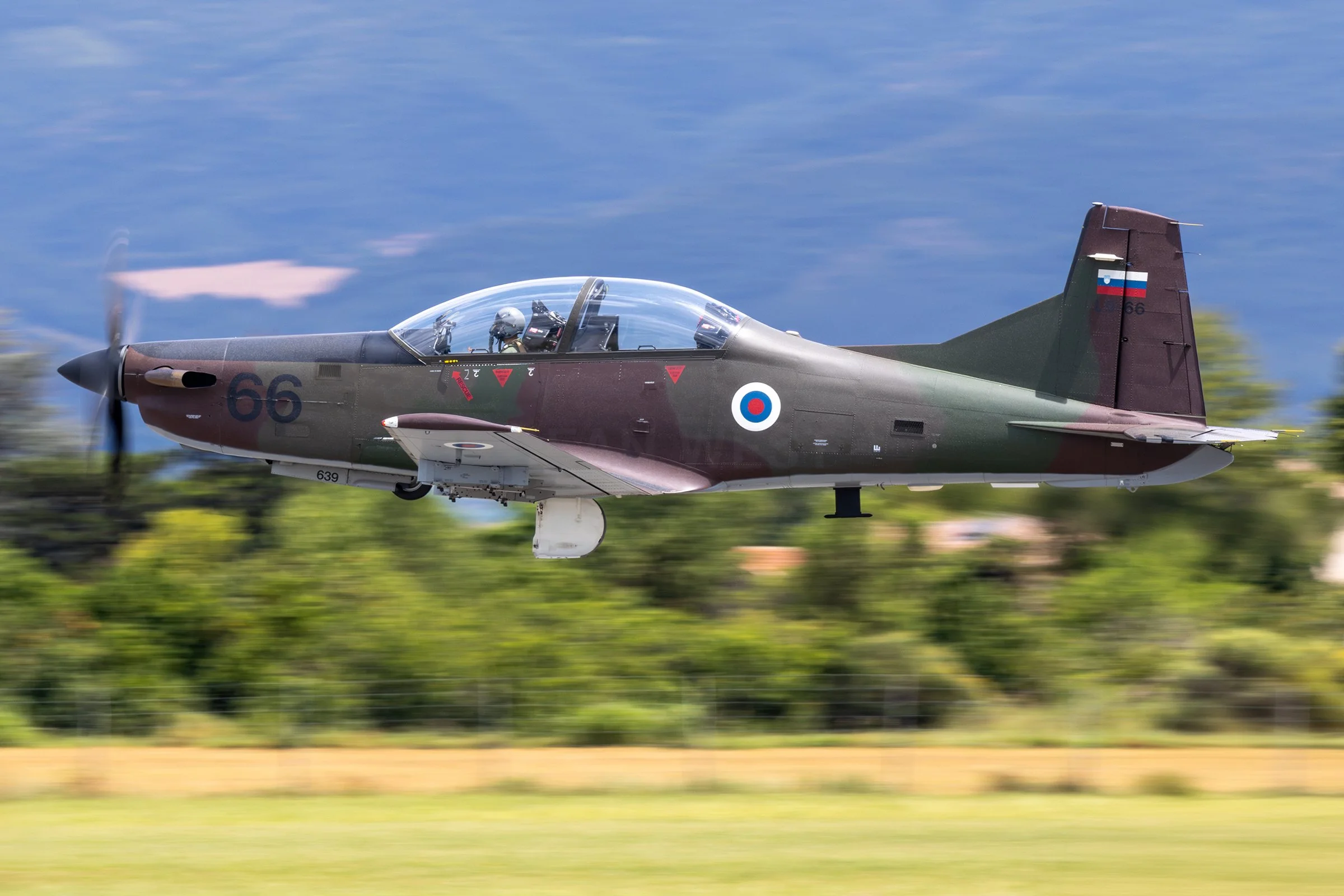
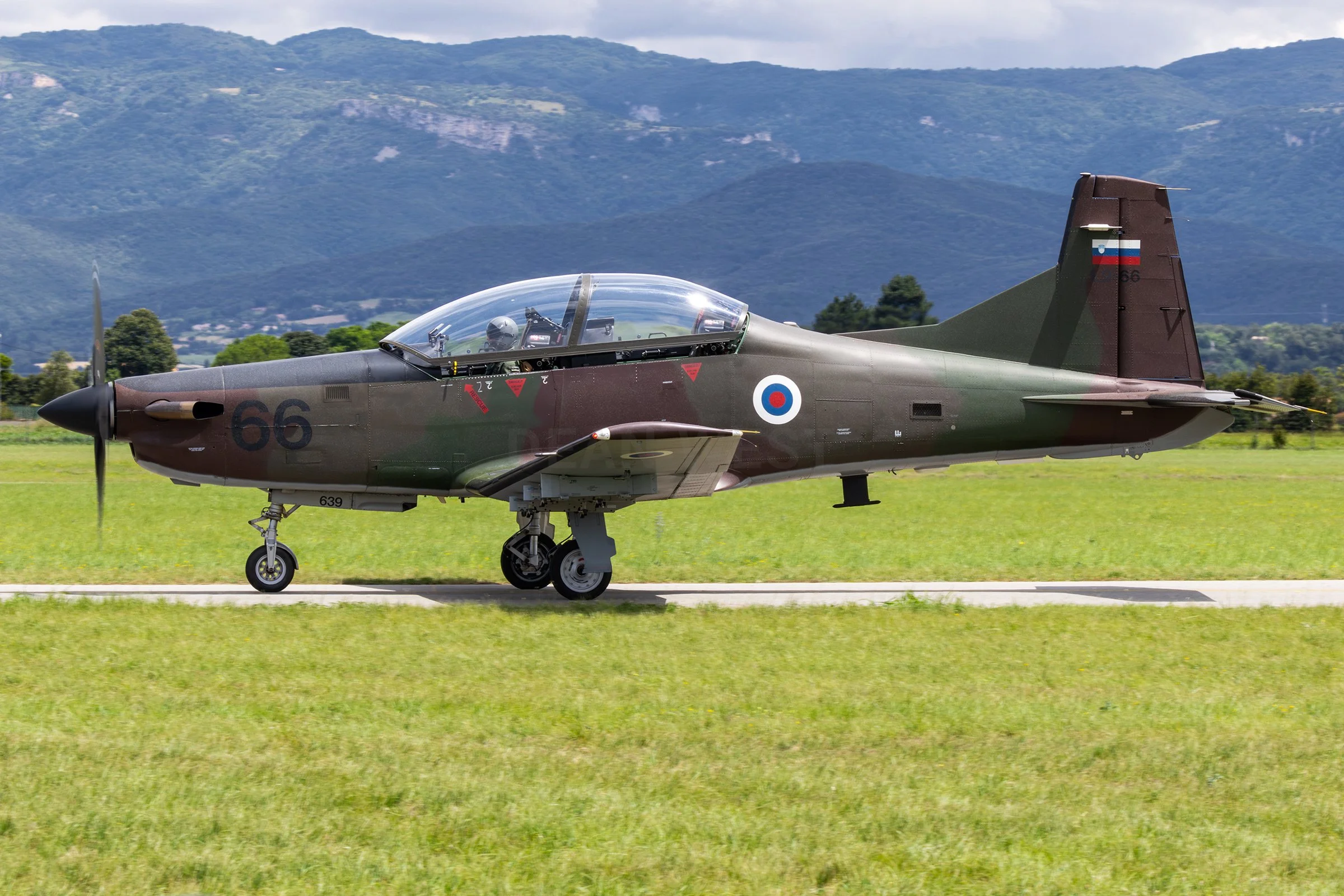
A special mention must go to the Slovenian Air Force’s PC‑9M Hudournik display. Flown by First Lieutenant Andrej Fiorelli of the 152nd Fixed Wing Squadron at Cerklje ob Krki, the Slovenian PC‑9 has become a firm favourite on the European circuit. His Aerotorshow routine met the high standards now associated with the Hudournik, featuring tailslides, negative‑G loops and even a stall‑turn straight into short final — bravo.
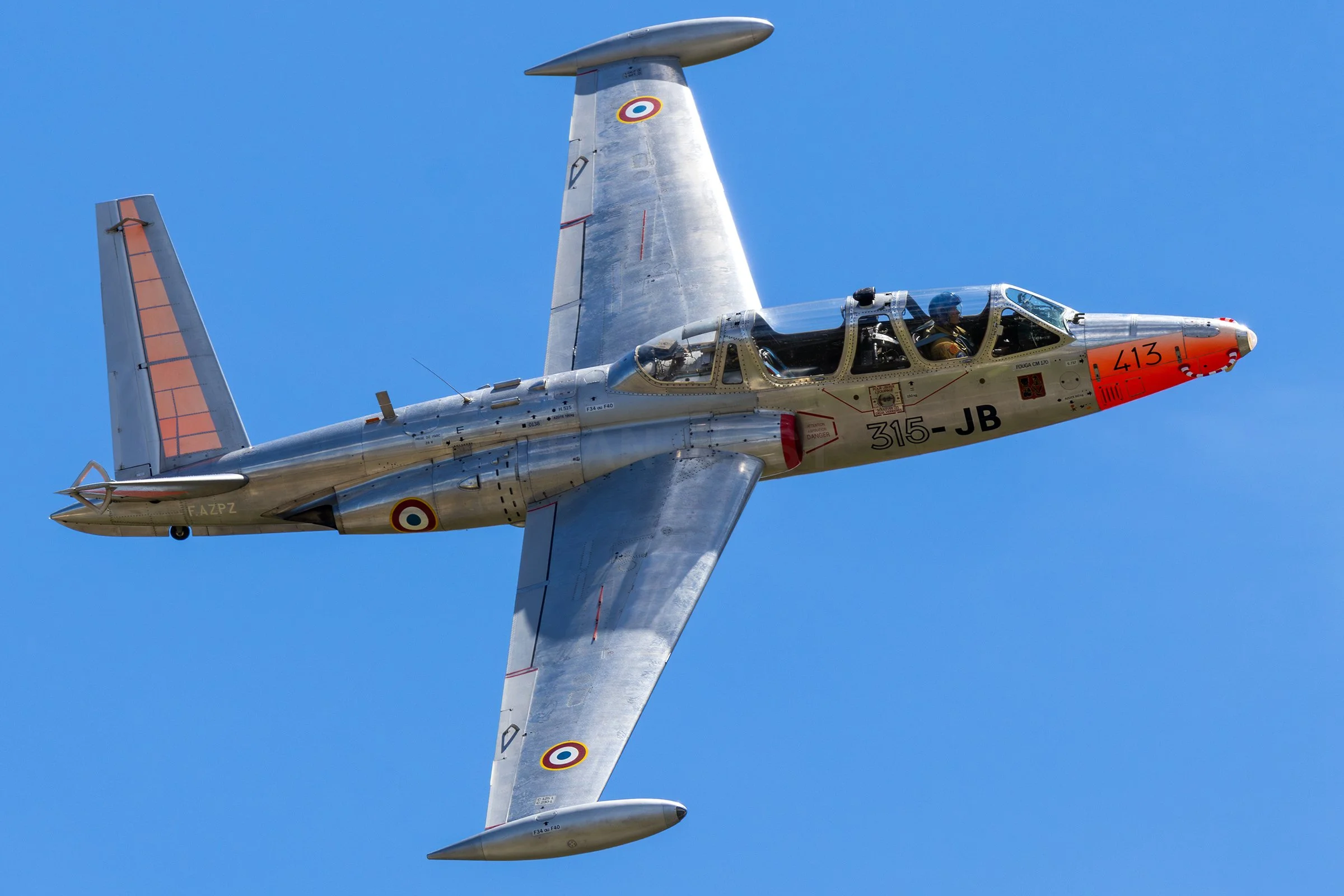
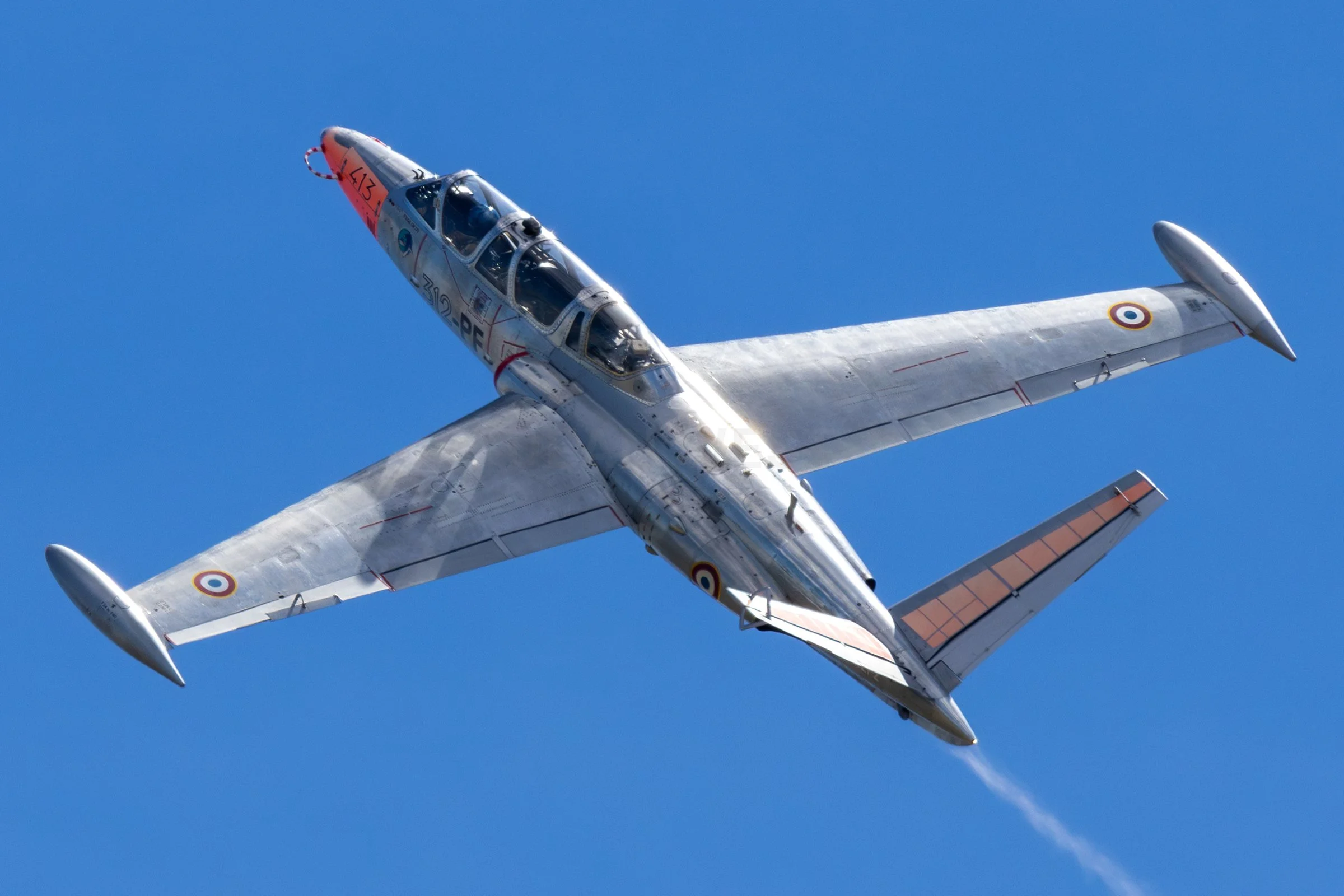
Other fixed‑wing highlights included the CL‑13B Sabre from Mistral Warbirds, flown with the gusto expected of its vastly experienced pilot Frédéric Akary, and a beautifully presented Fouga Magister flown by Didier Berger, whose flowing routine offered several photogenic passes. Tragically, Didier lost his life just weeks later when the Magister crashed during an airshow at Le Lavandou on 17 August.
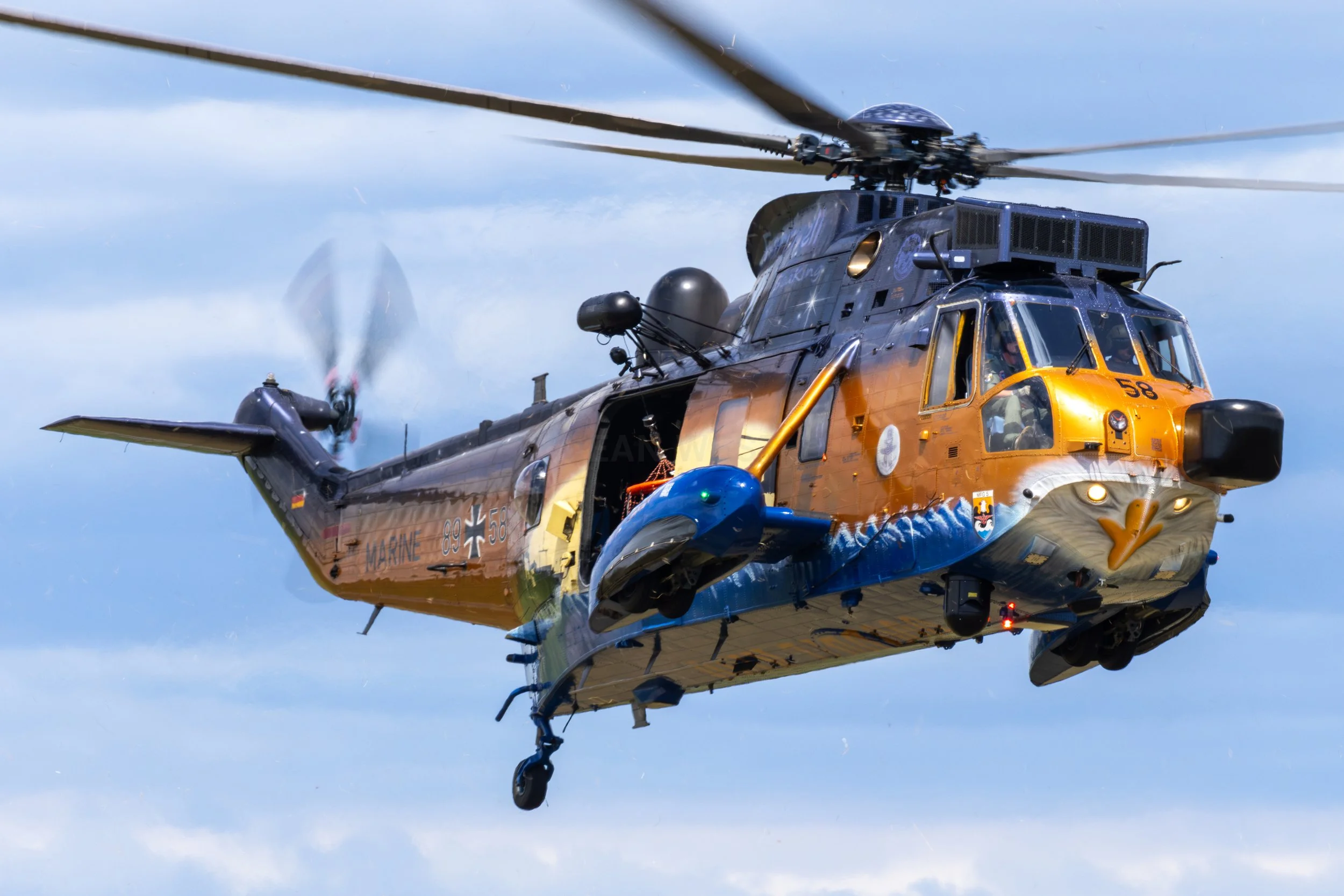
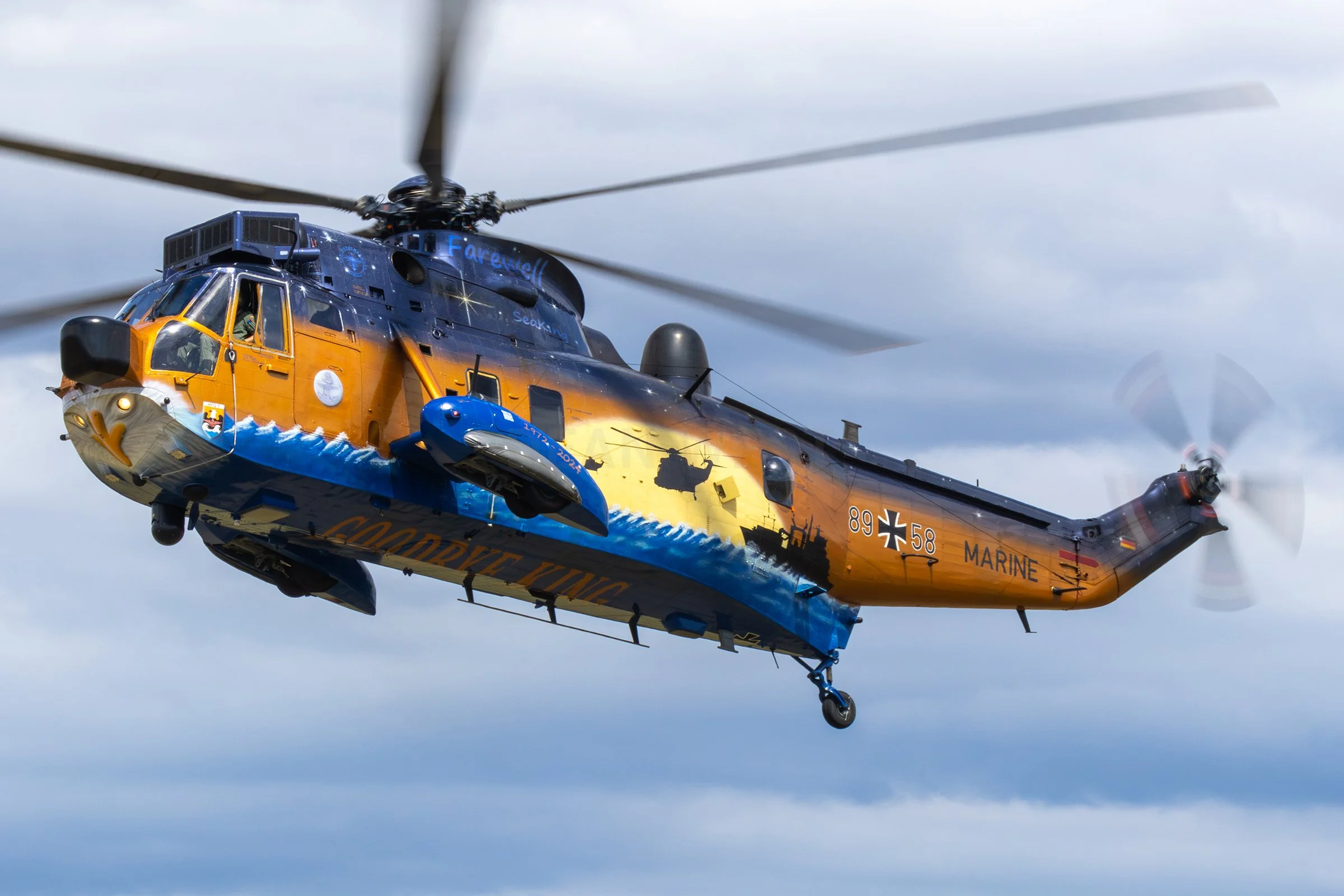
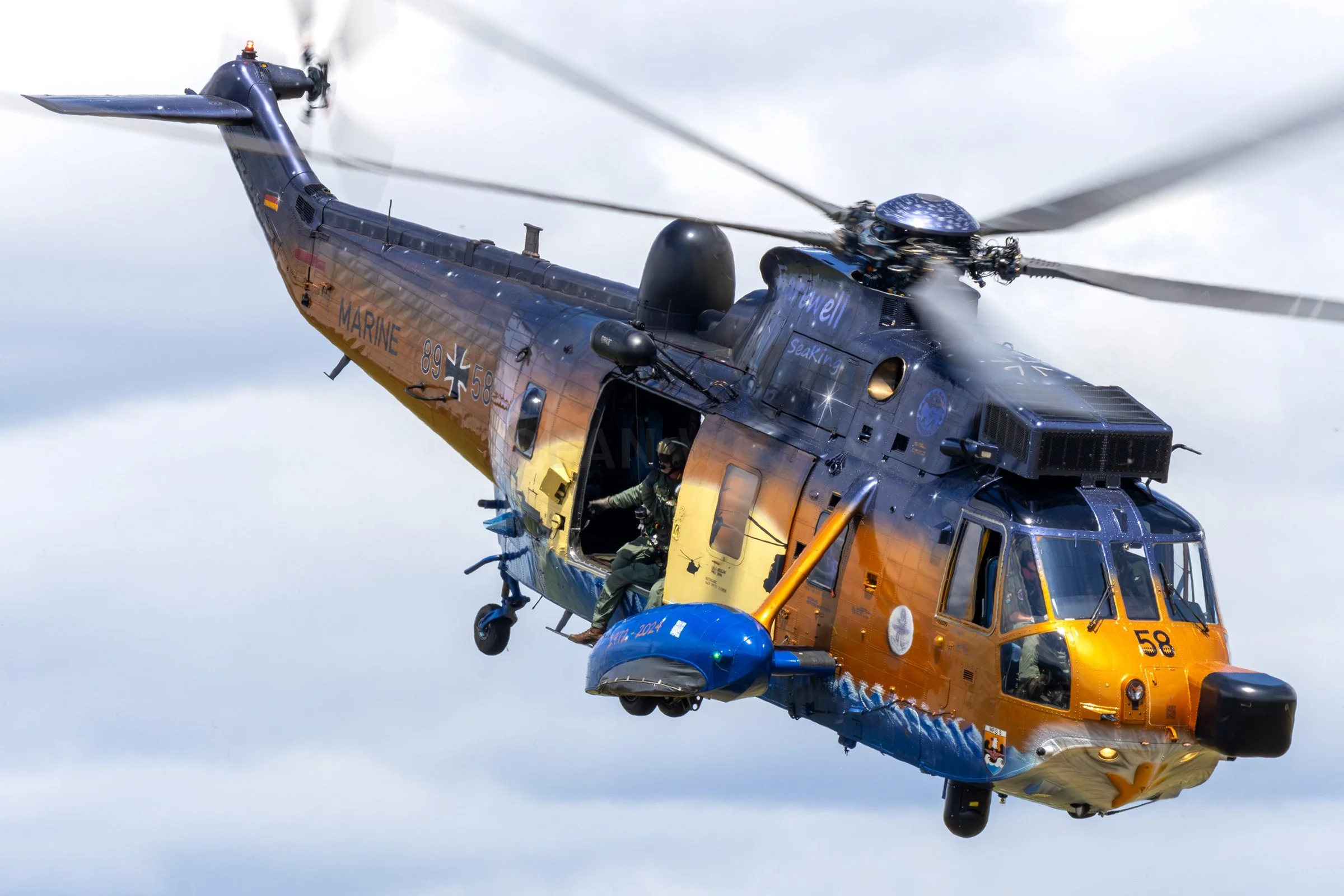
Given the Franco‑German EC665 connection, it was no surprise that German military participation was the strongest of any foreign nation. The German Navy delivered the standout moment of the flying display with an unexpected Sea King Mk41 demo. Initially listed only for static display, the special‑schemed ‘Goodbye King’ airframe was towed out ahead of its 12‑minute routine. The display centred on a winching demonstration — the type’s bread and butter — interspersed with a few brisk passes, and concluded with a bow to the crowd in one of the Sea King’s final appearances in German service.
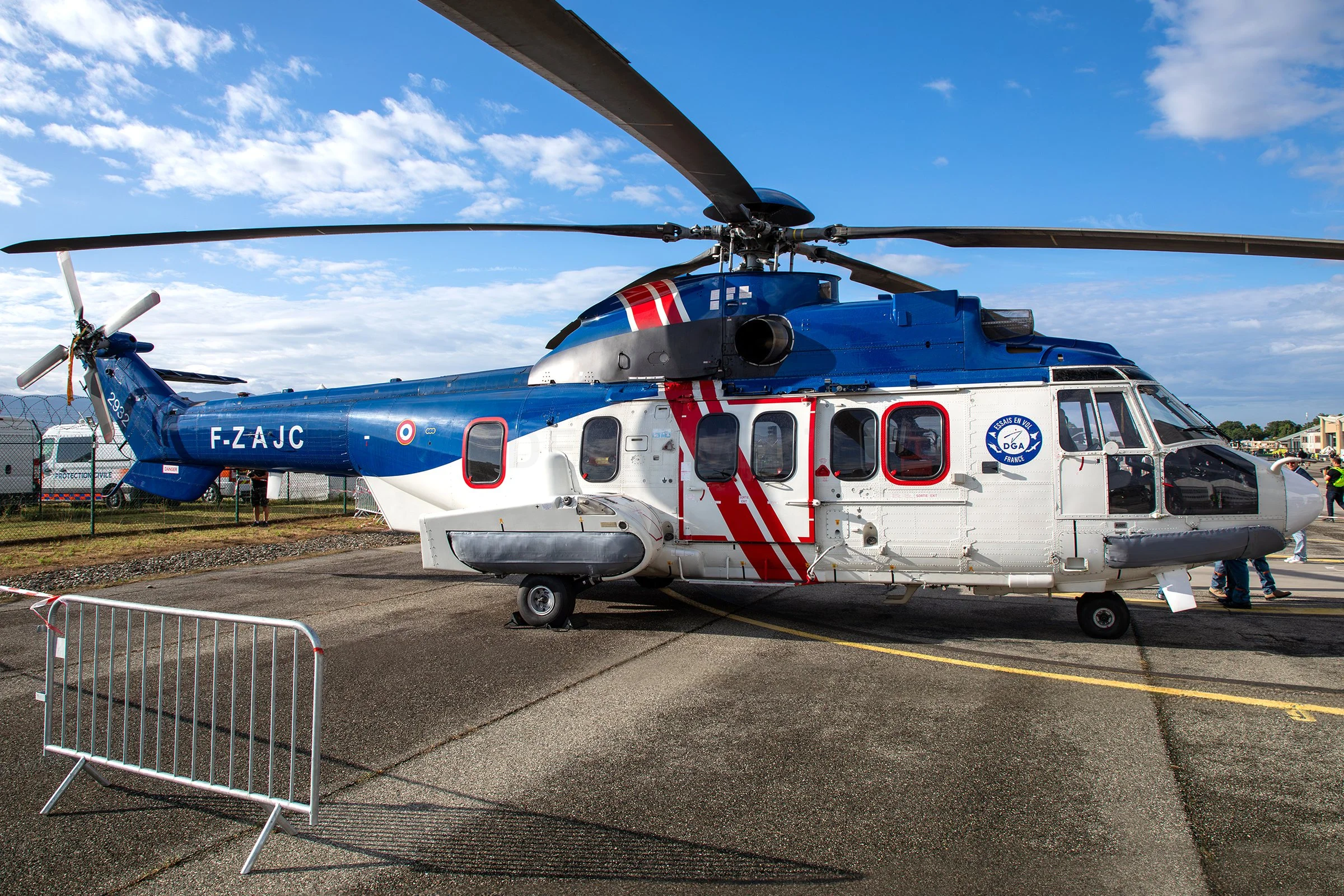
The static display was headlined by the immense CH‑53G of HSG64 at Holzdorf, which drew a sizeable crowd for its blade‑unfolding sequence. Parked alongside it was a Mi‑17LZPS of the Slovak Air Force, its high‑visibility dayglo patches contrasting sharply with its three‑tone camouflage. However, it was the H255 Super Puma 2932/F‑AZJC of the DGA Essais en Vol that stole the static show for enthusiasts. The flight‑test fleet is rarely seen in public, making its trip from Istres a genuine treat. It must be said, though, that while the static lineup was of high quality, the photographic conditions were not enthusiast‑friendly: barriers were placed very close to the aircraft, and the backdrop was cluttered.
Even so, the Spot’Air Association deserves credit for making the event as enthusiast‑friendly as possible. They arranged early access for 100 spotters to photograph the static display before the crowds arrived, and provided a dedicated enclosure south of the main crowdline helping cement Aerotorshow as a must‑do event for any military helicopter aficionado.